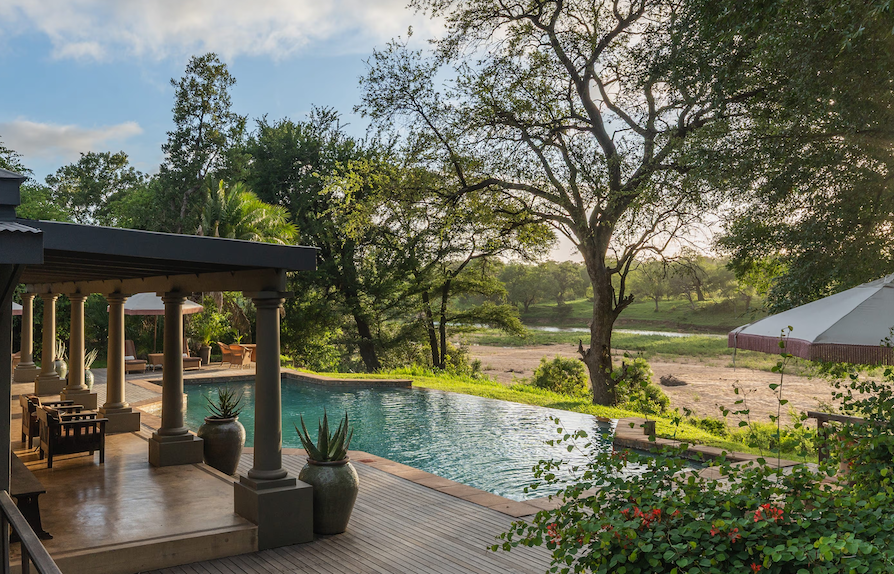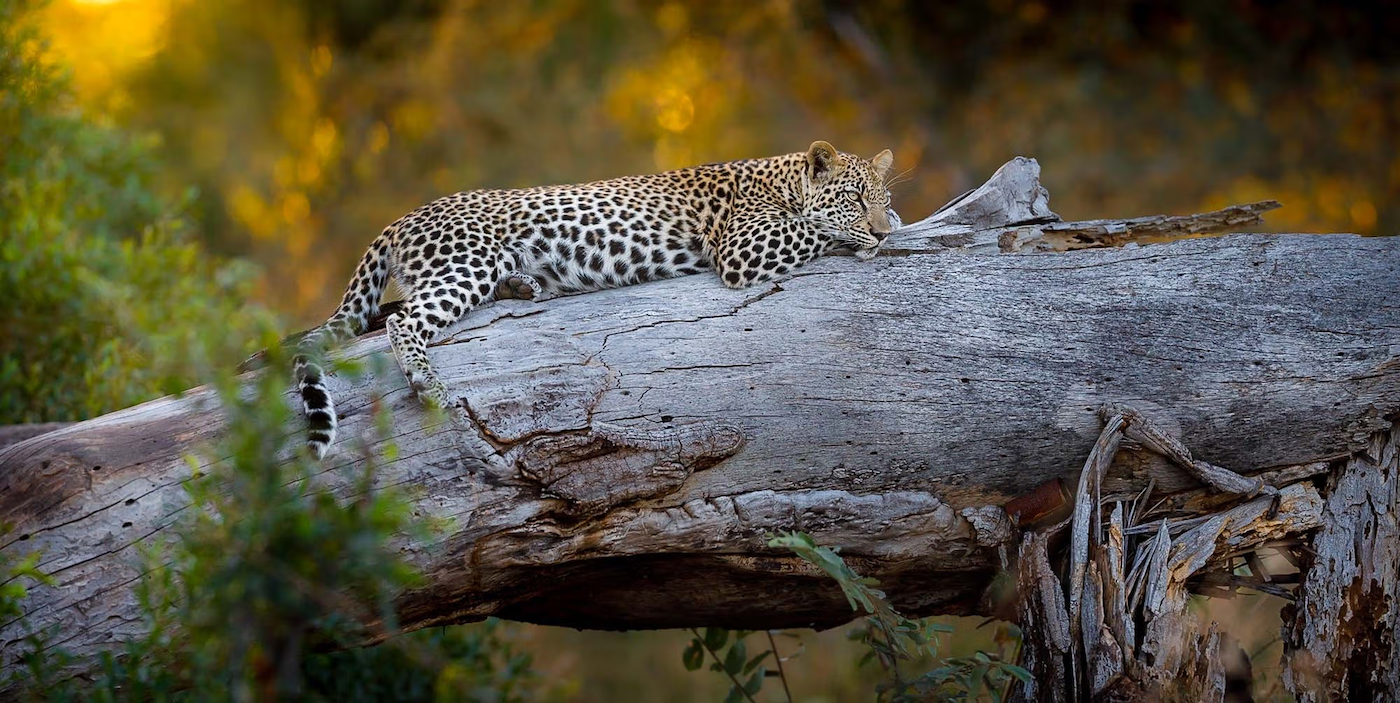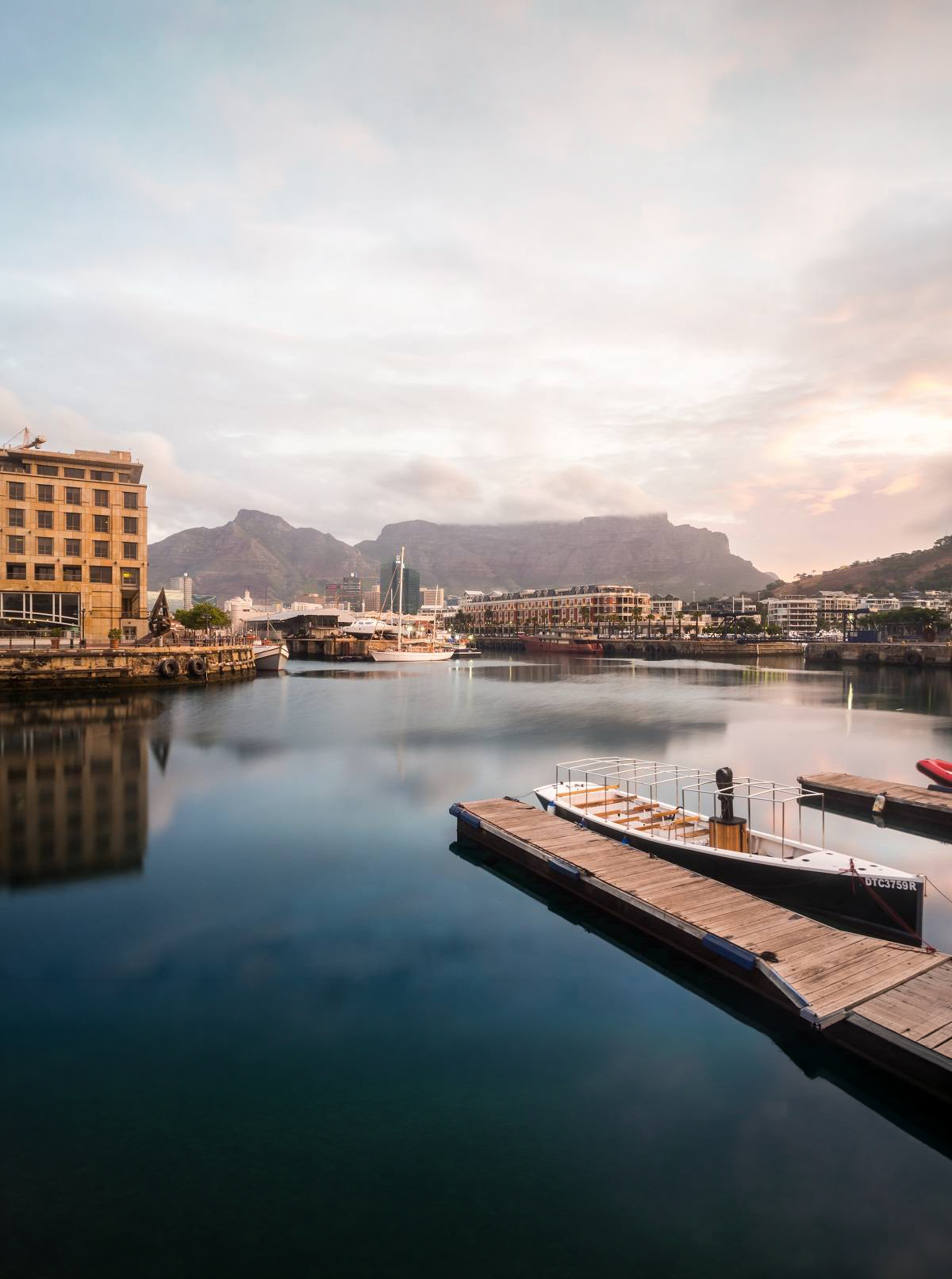



WILD SPACES SHAPE CHILDREN DIFFERENTLY
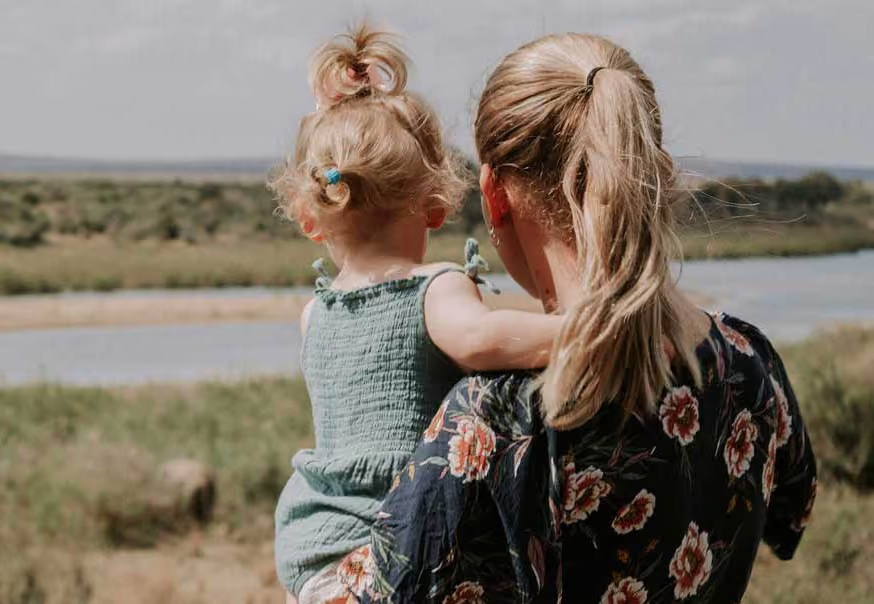
This stage is about ease.
Short transfers. Flexible schedules. Private space. Lodges that understand nap times and feeding routines without fuss.
For families with babies, we often recommend:
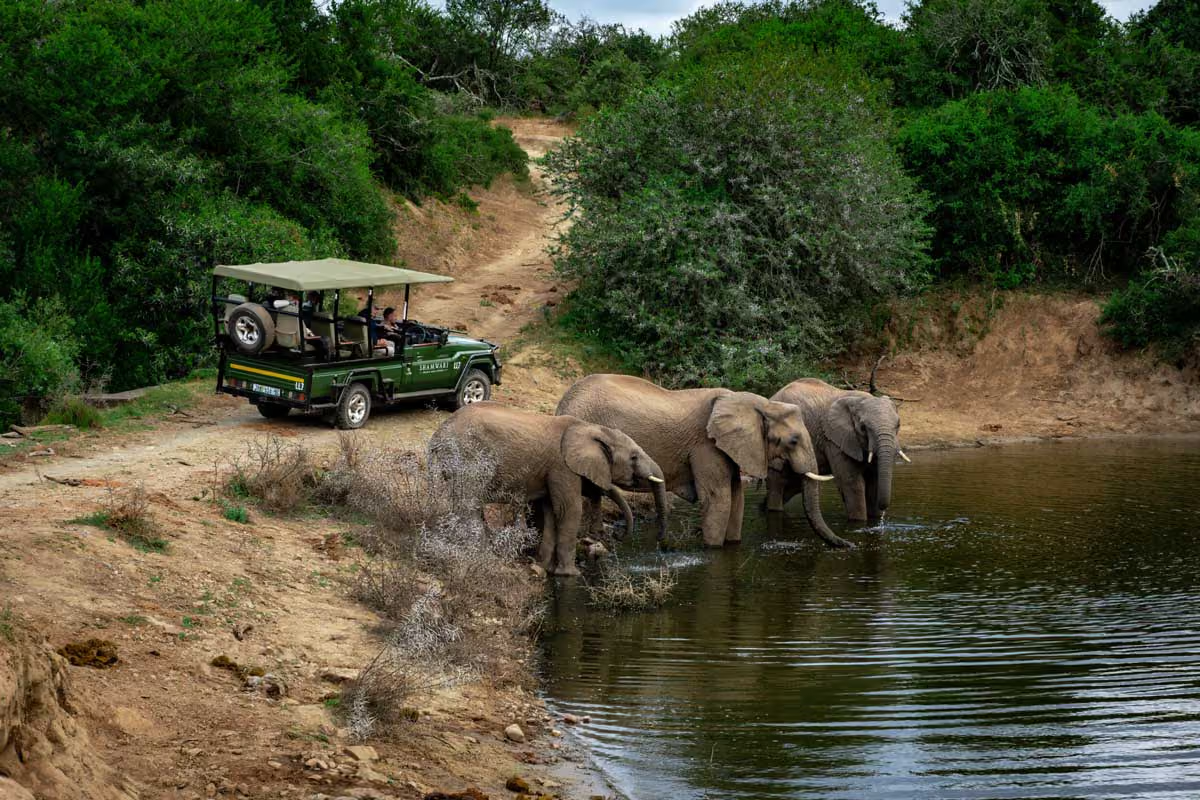
Private-use works particularly well. Your own vehicle, your own rhythm.
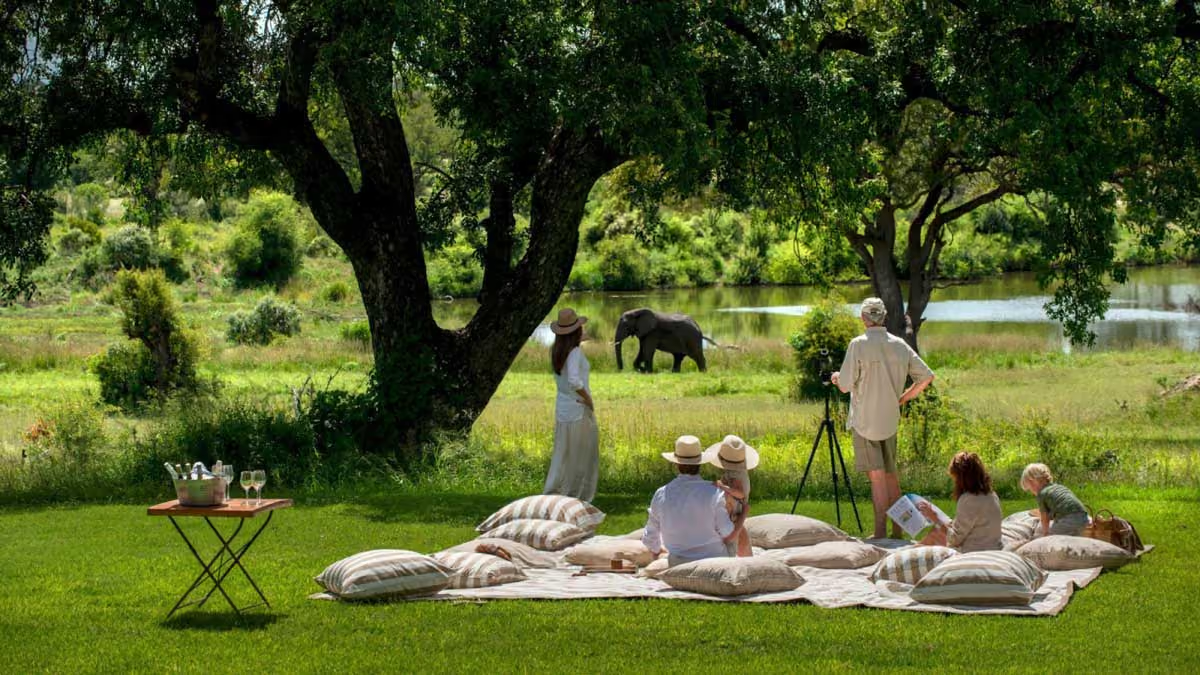
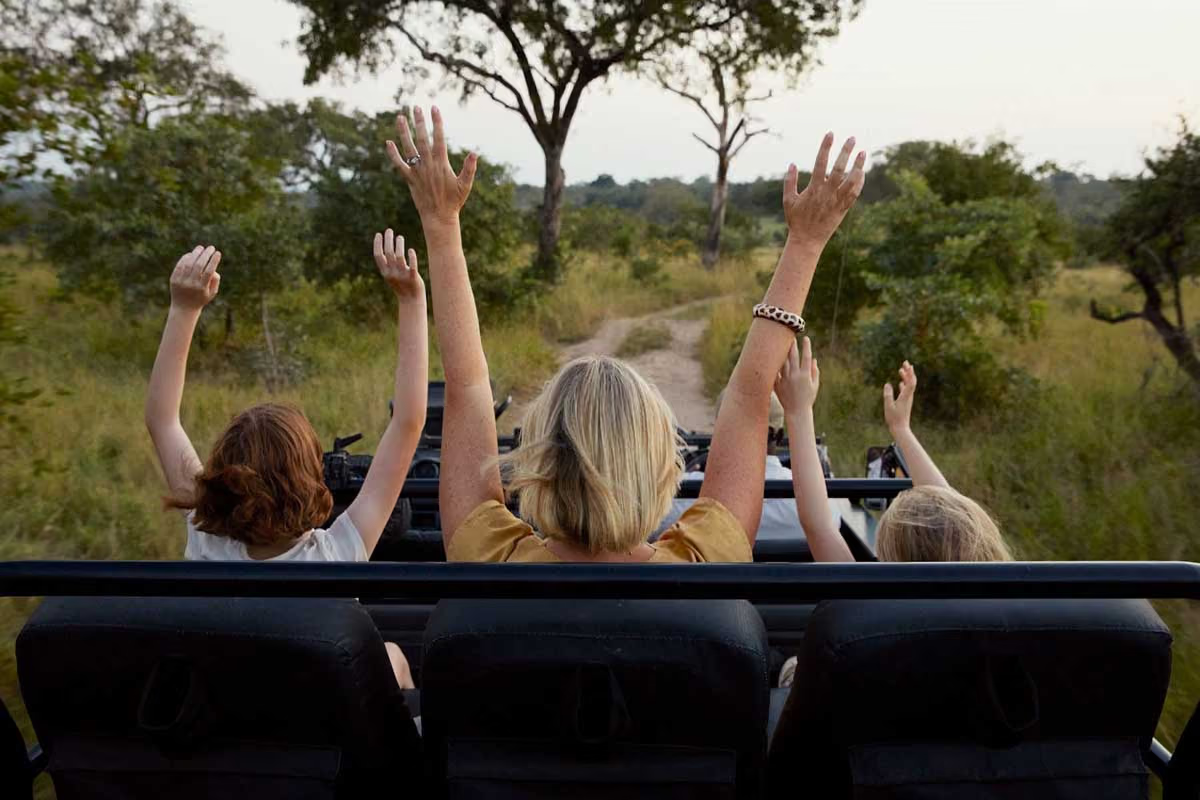
Full of energy. Short attention spans. Endless questions.
Toddlers need space, patient guides and activities that feel magical rather than structured.
Excellent options include:
At this age, flexibility matters more than density of sightings.
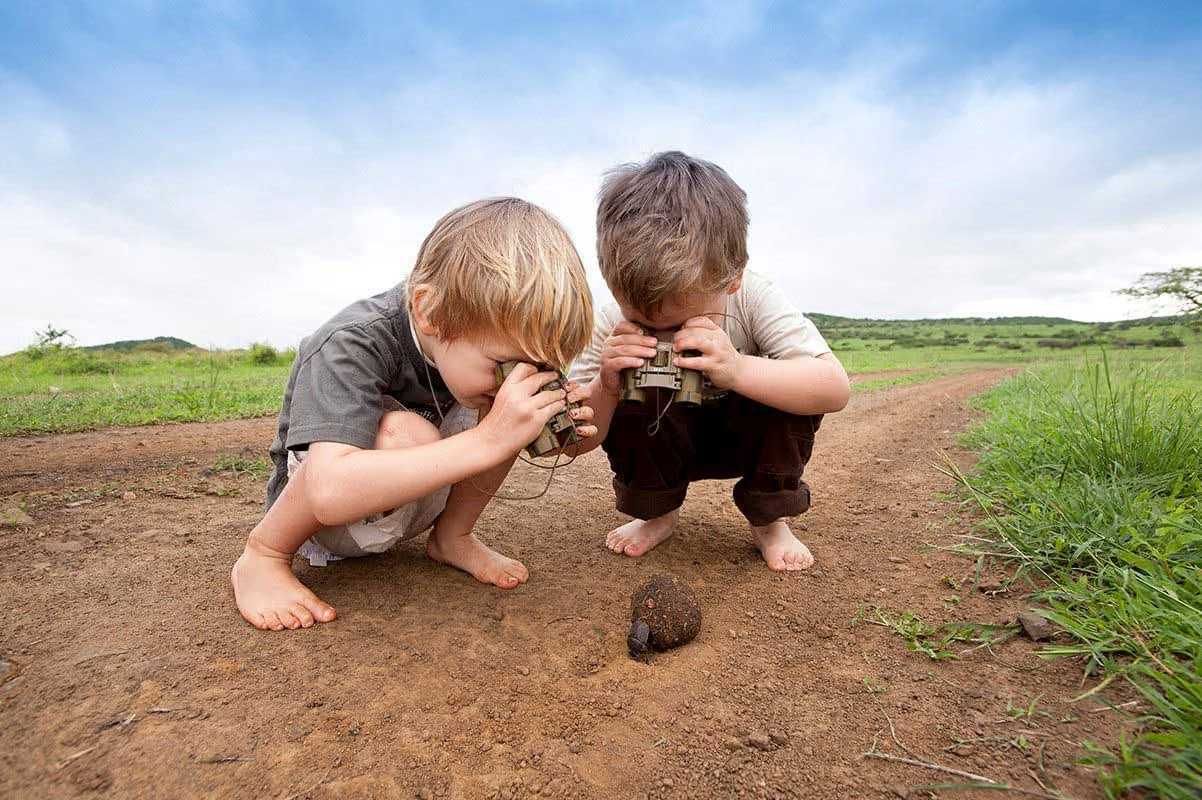
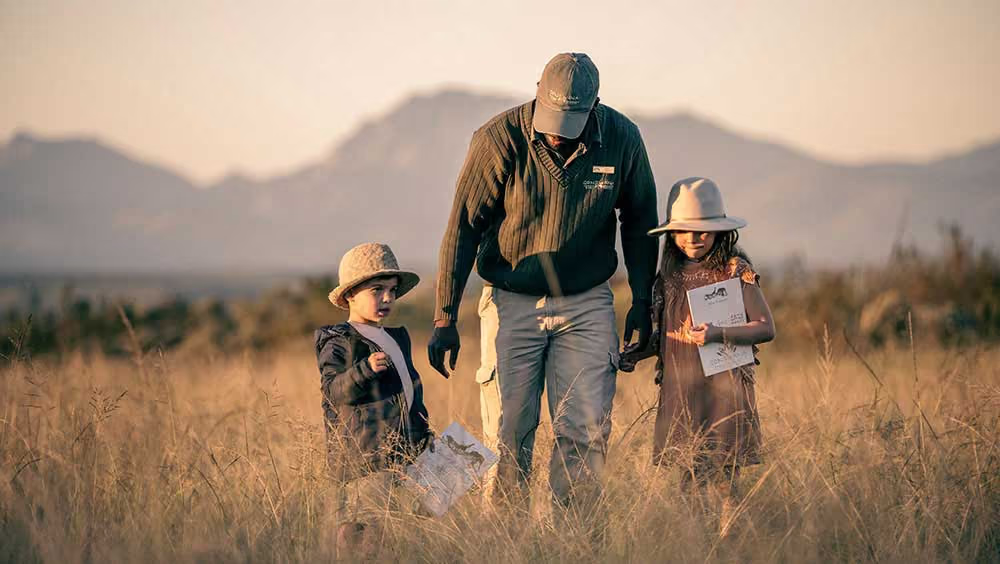
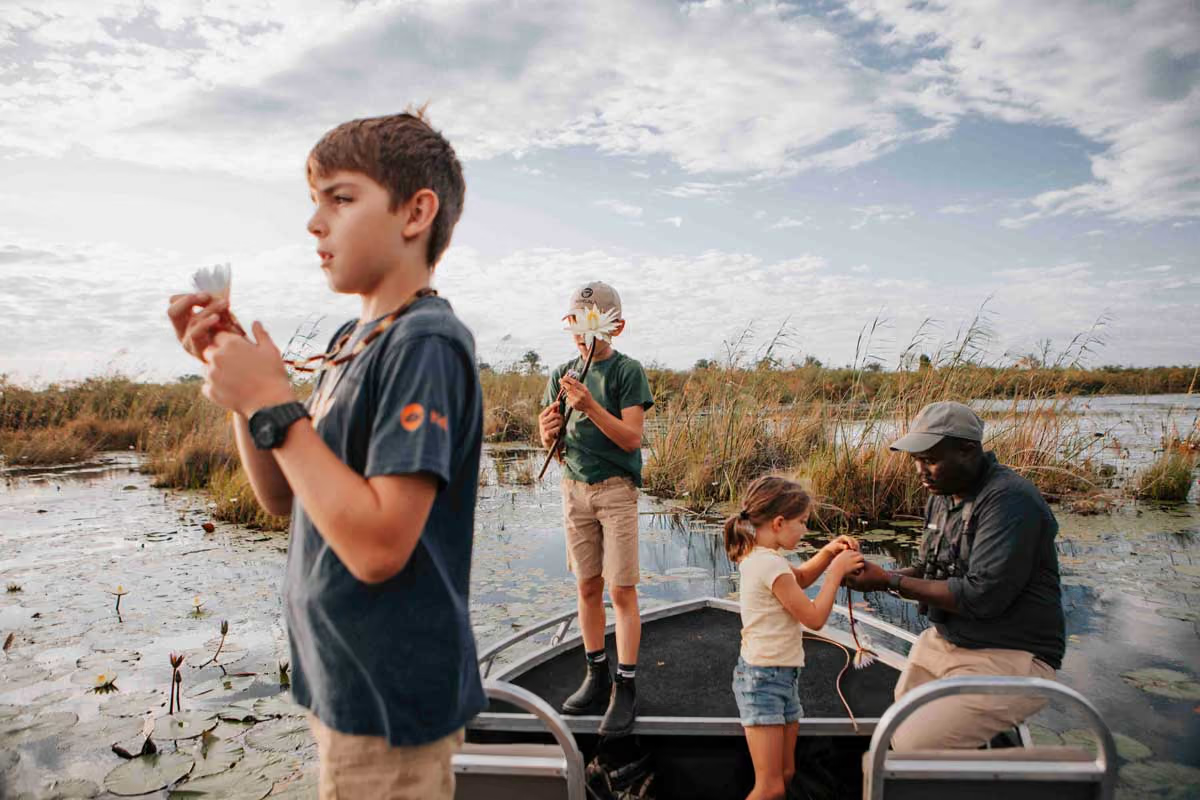
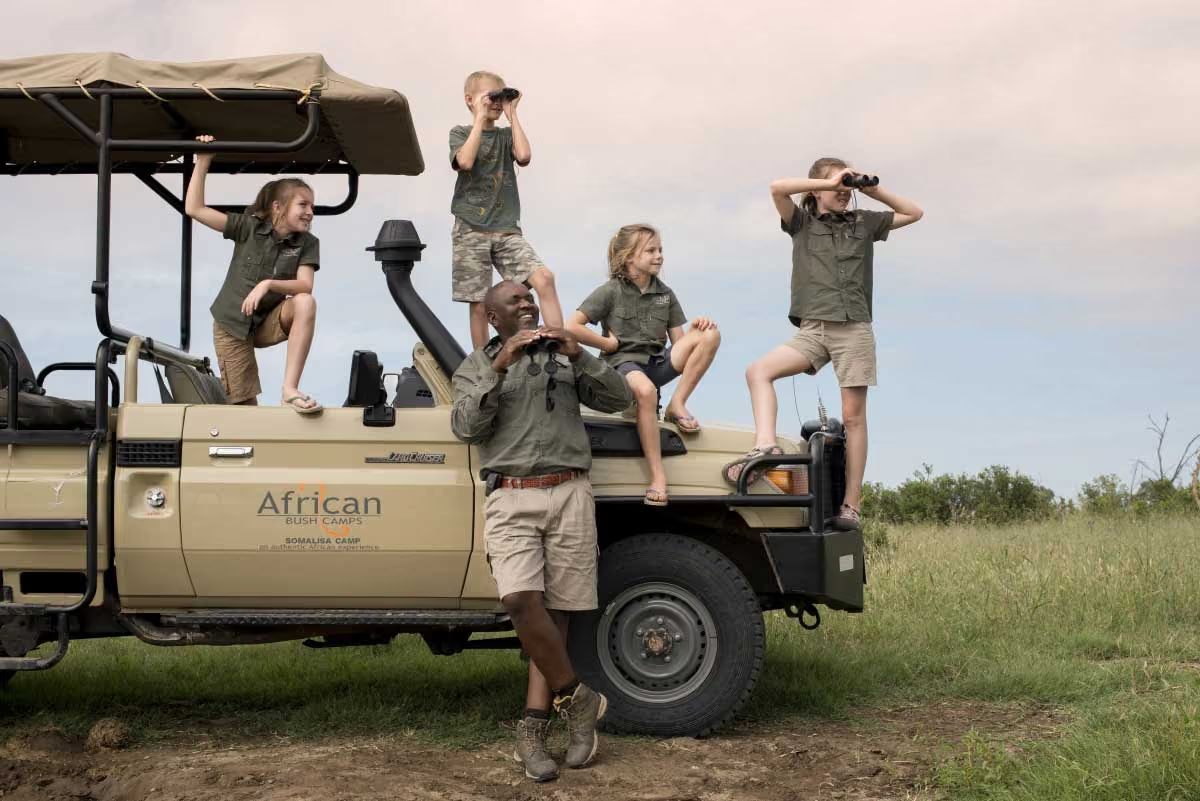
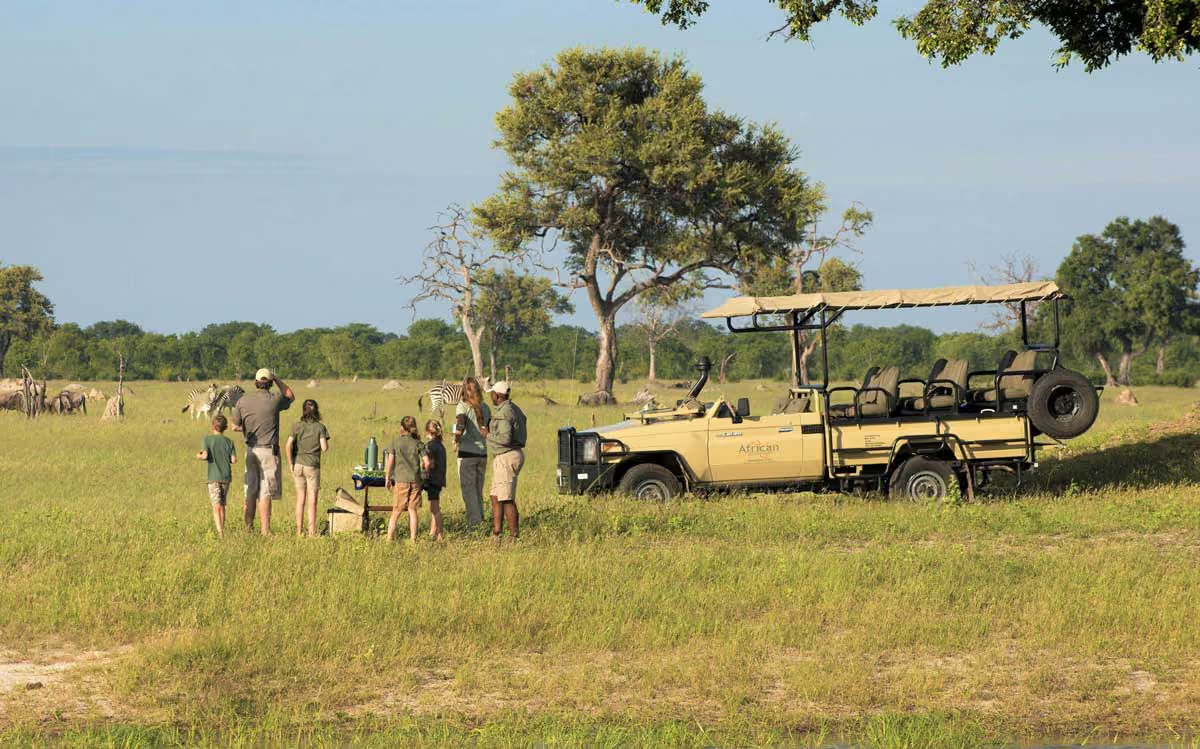
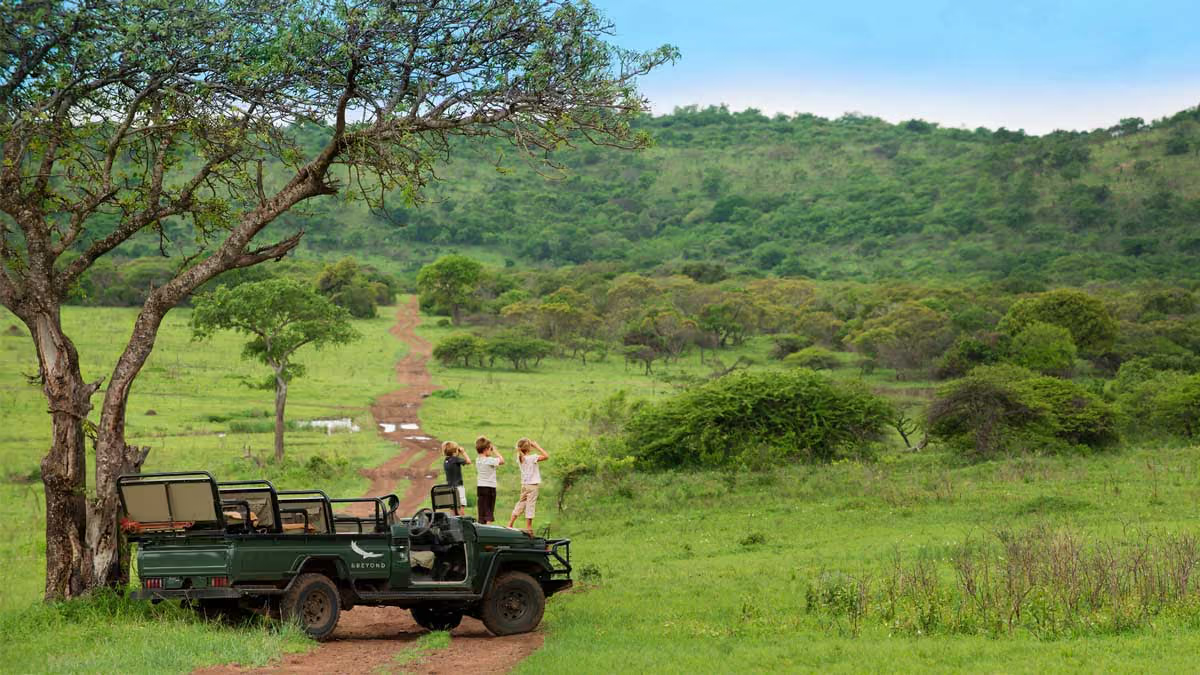
Old enough to understand the bush. Young enough to be wide-eyed about it.
This is often the golden safari window.
We focus on:
This is where confidence builds. Kids start reading tracks, recognising calls and remembering stories.
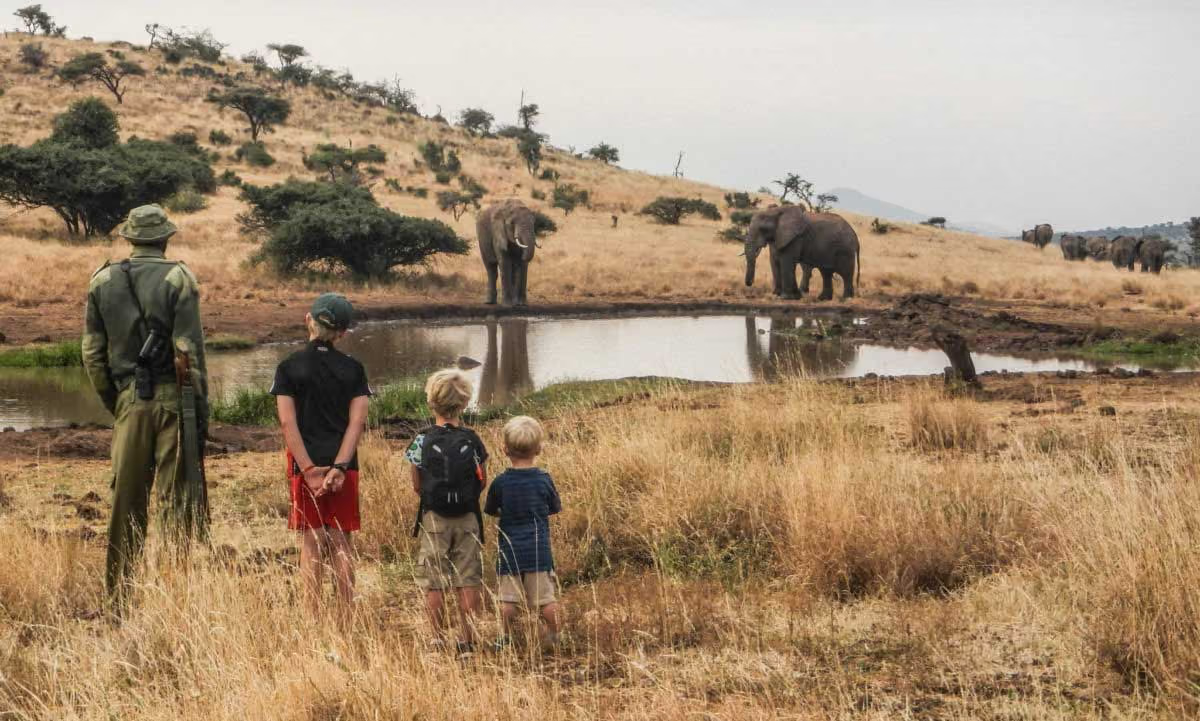
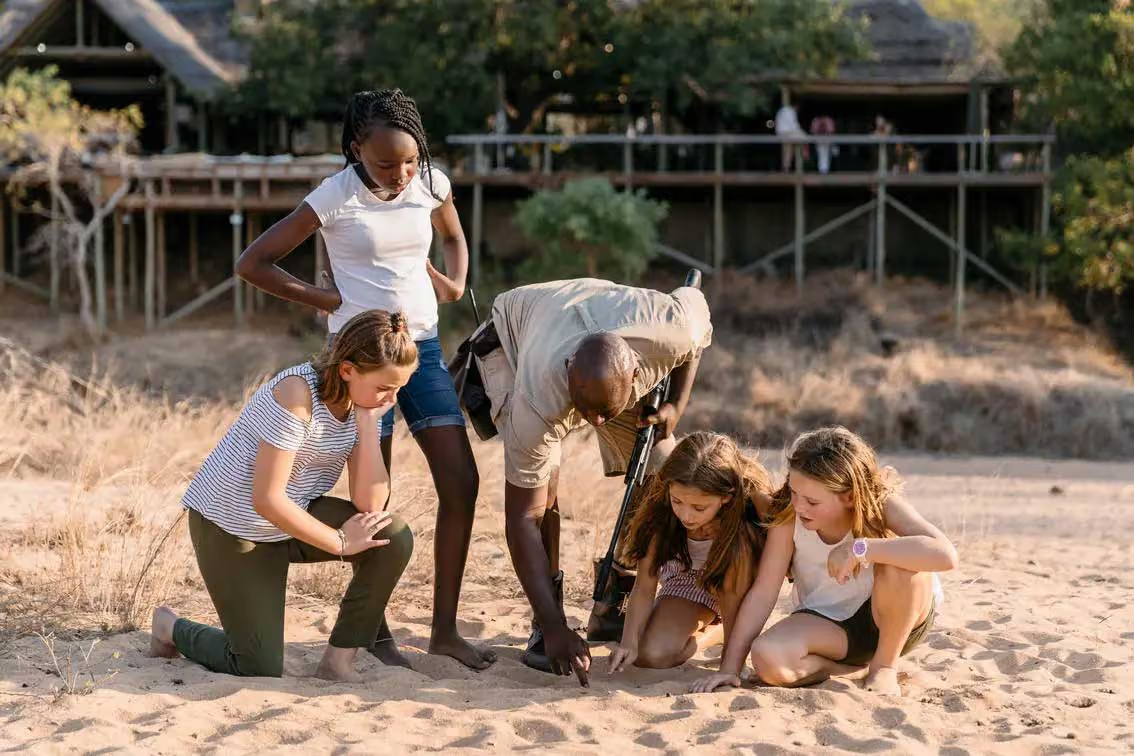
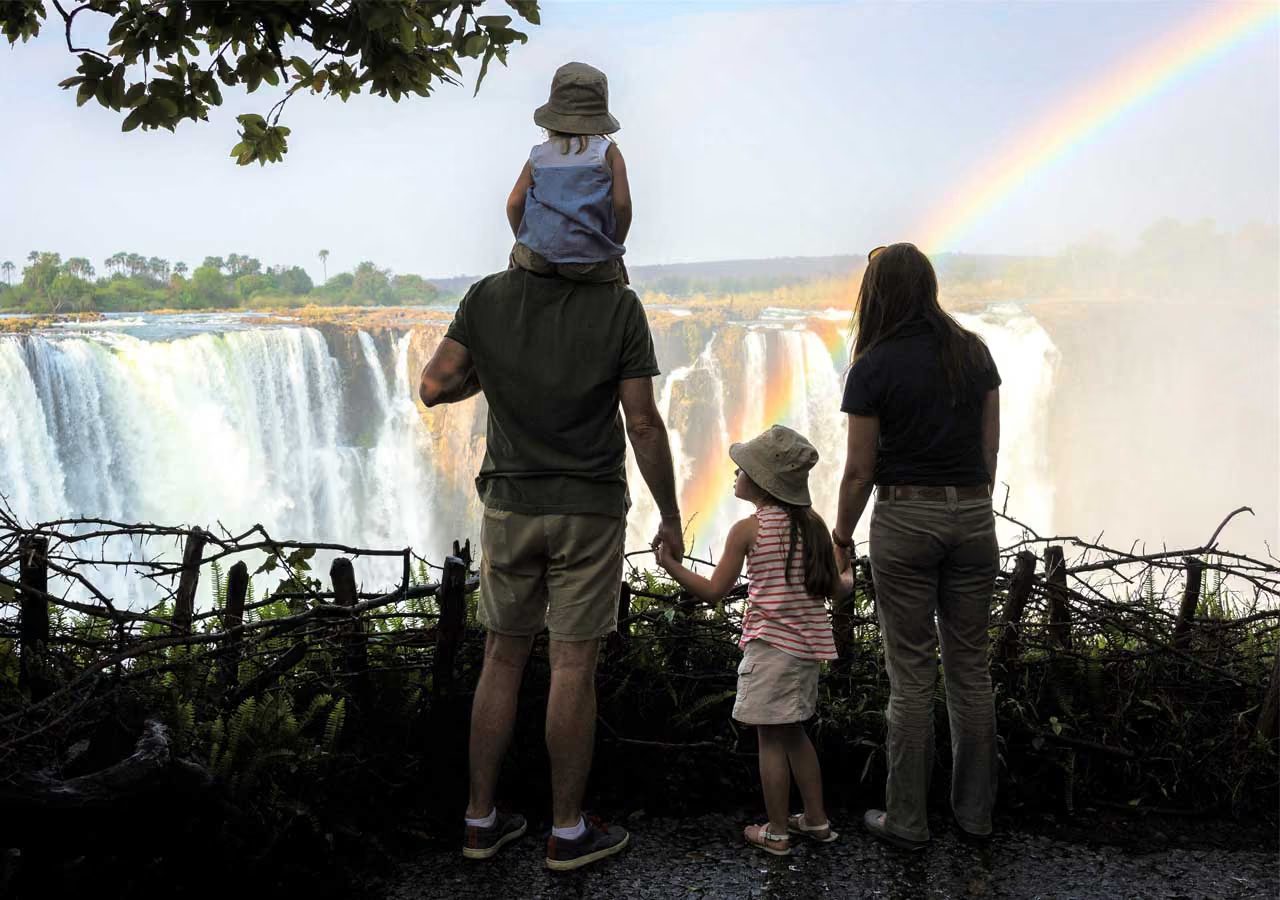
Teenagers want independence, challenge and something that feels beyond the ordinary.
We lean into:
At this age, give them responsibility and perspective, they rise to it.
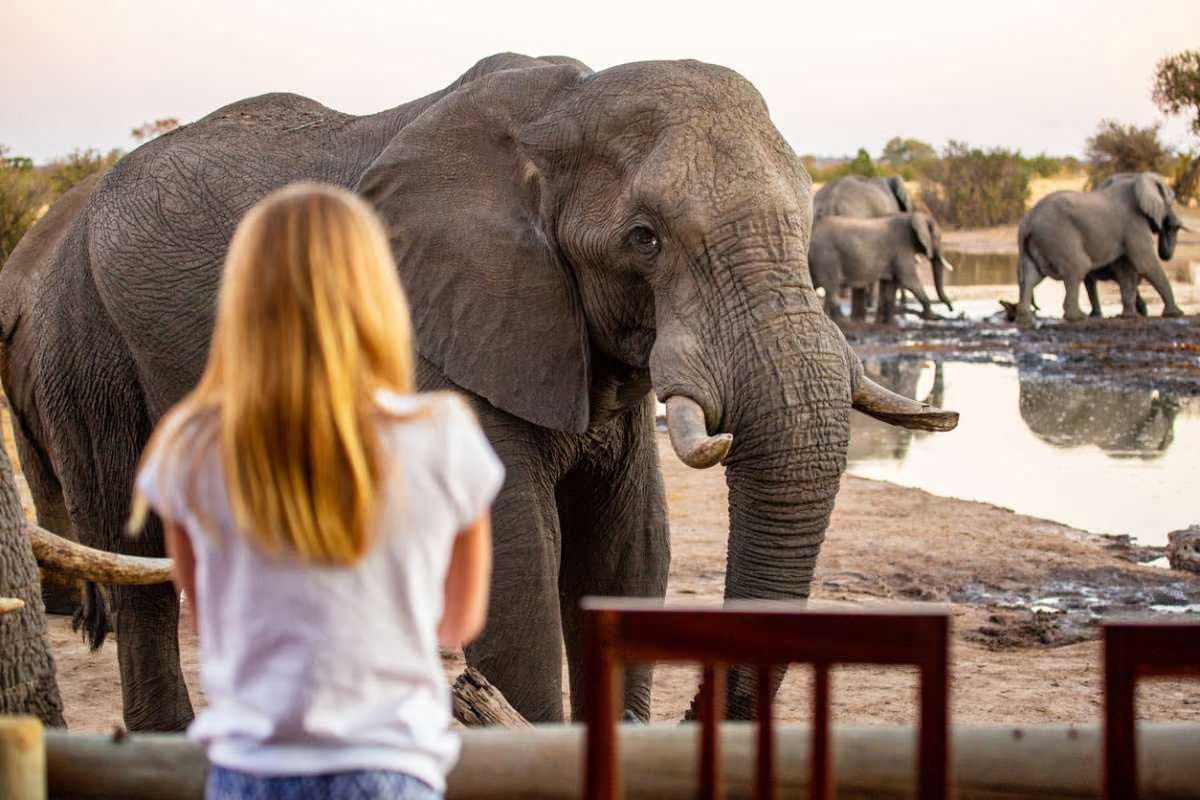
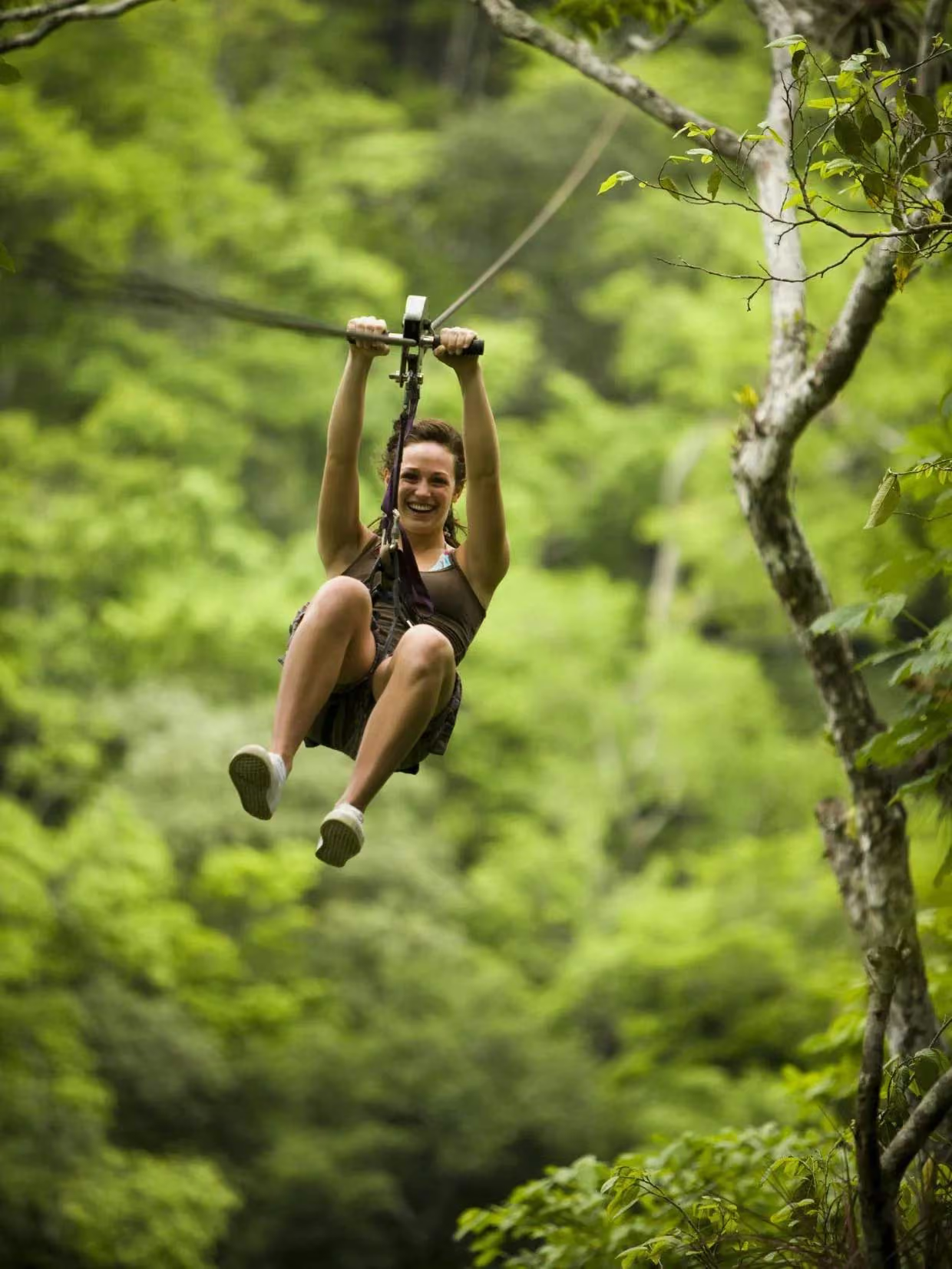
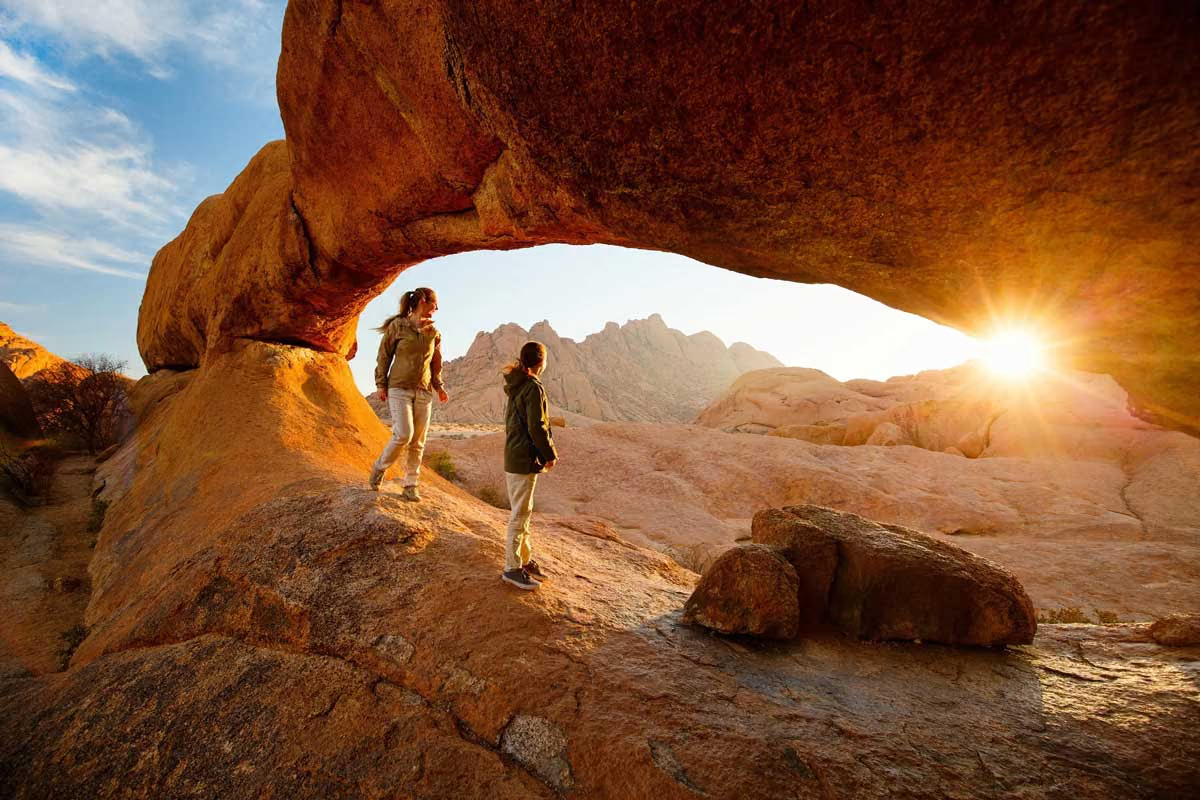
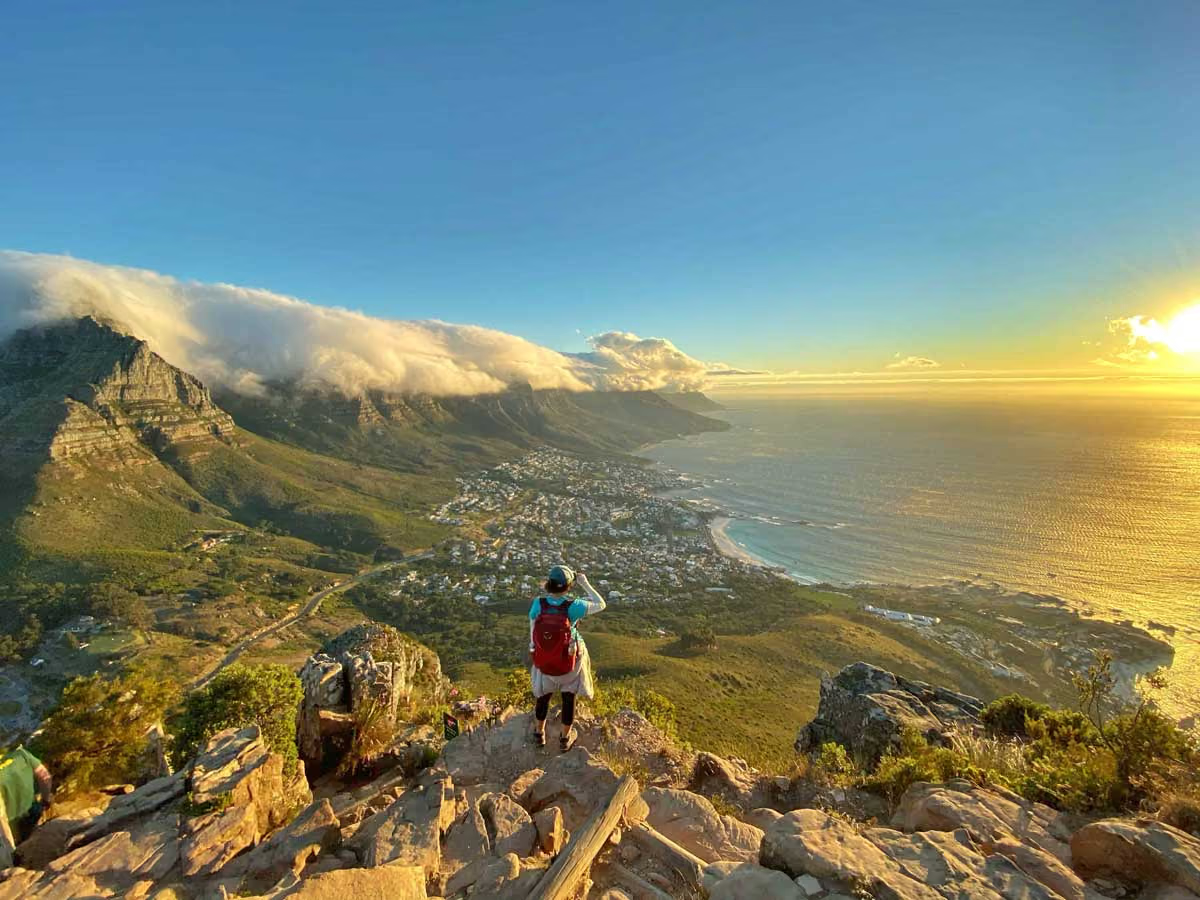
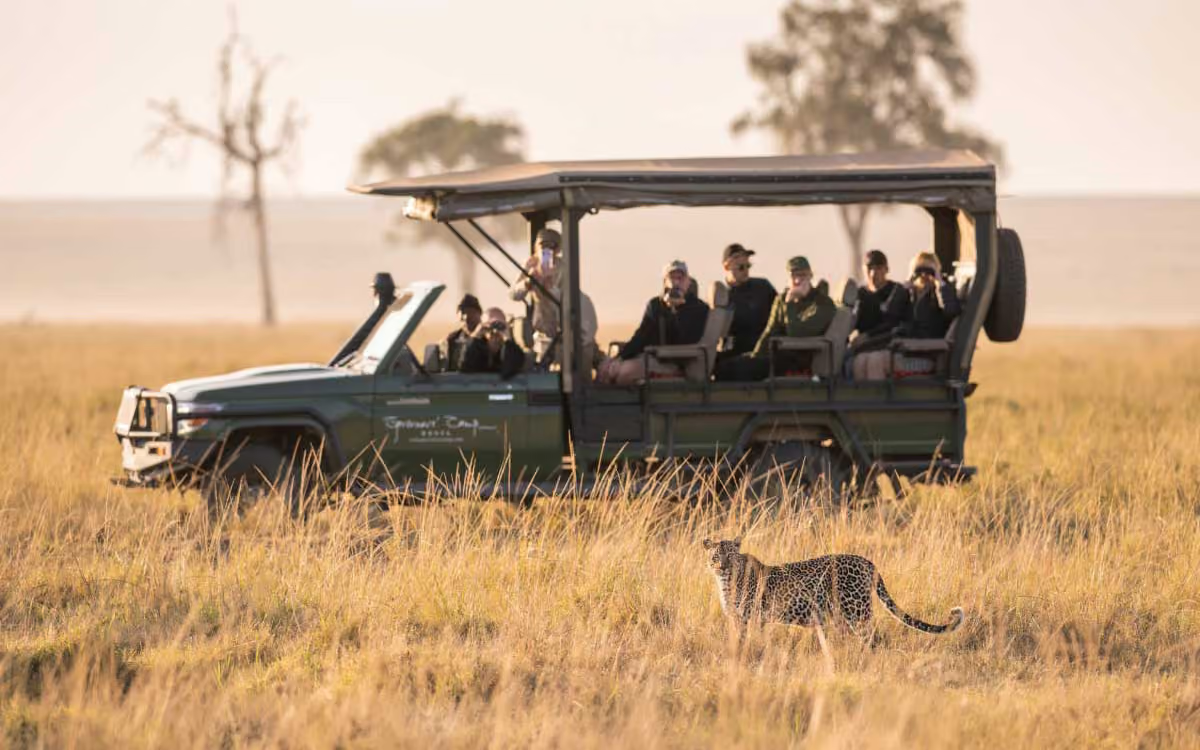
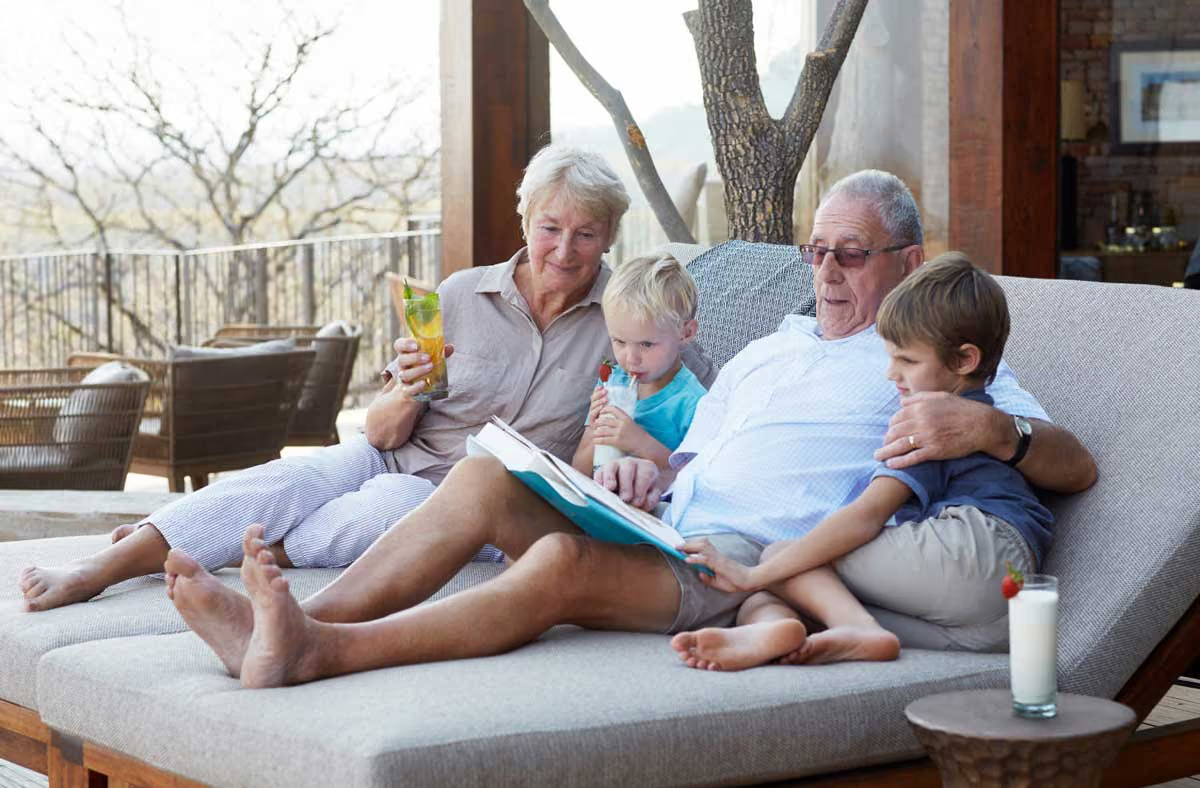
Grandparents. Parents. Toddlers. Teenagers.
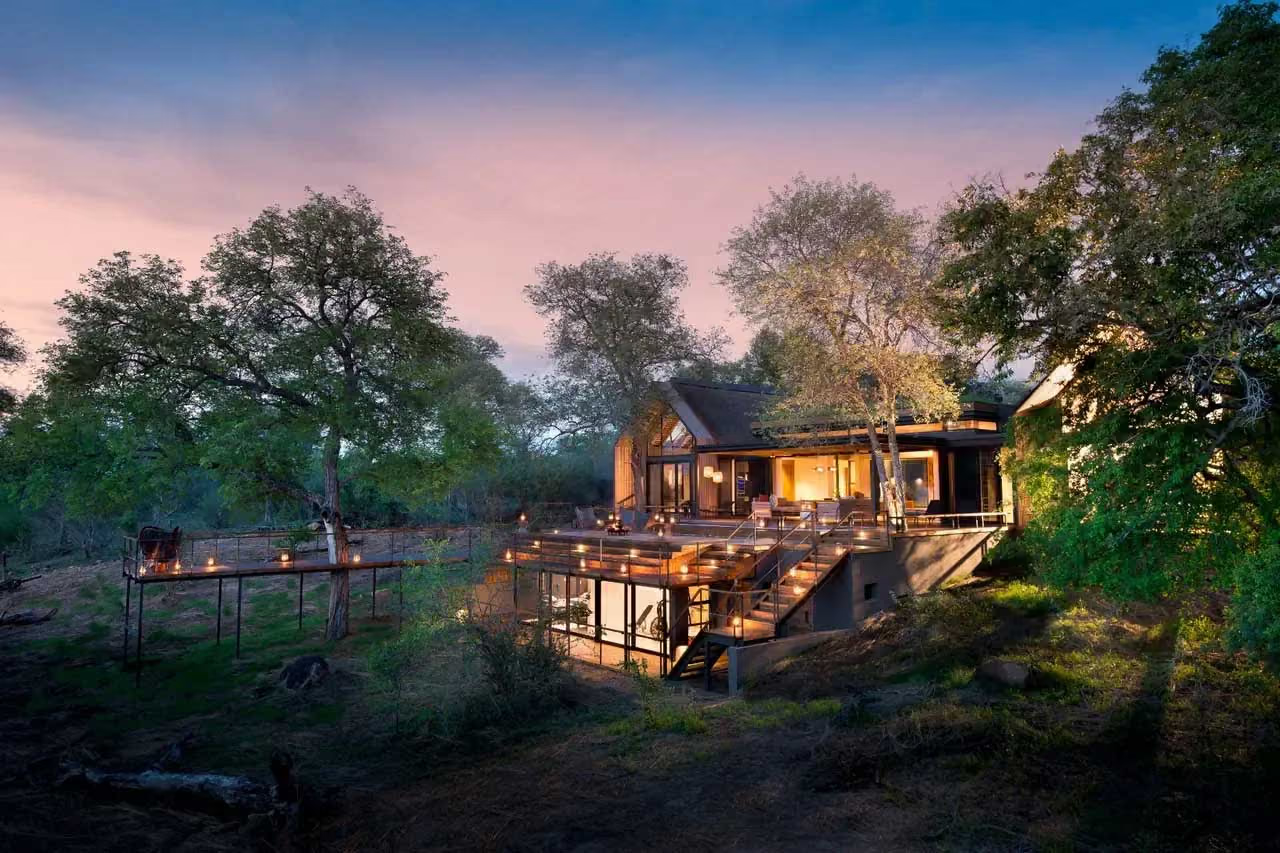
The answer is usually exclusive-use safari homes.
They allow:
They remove friction and allow each generation to travel comfortably. We know the right homes in the right reserves.
7–10 nights with limited moving.
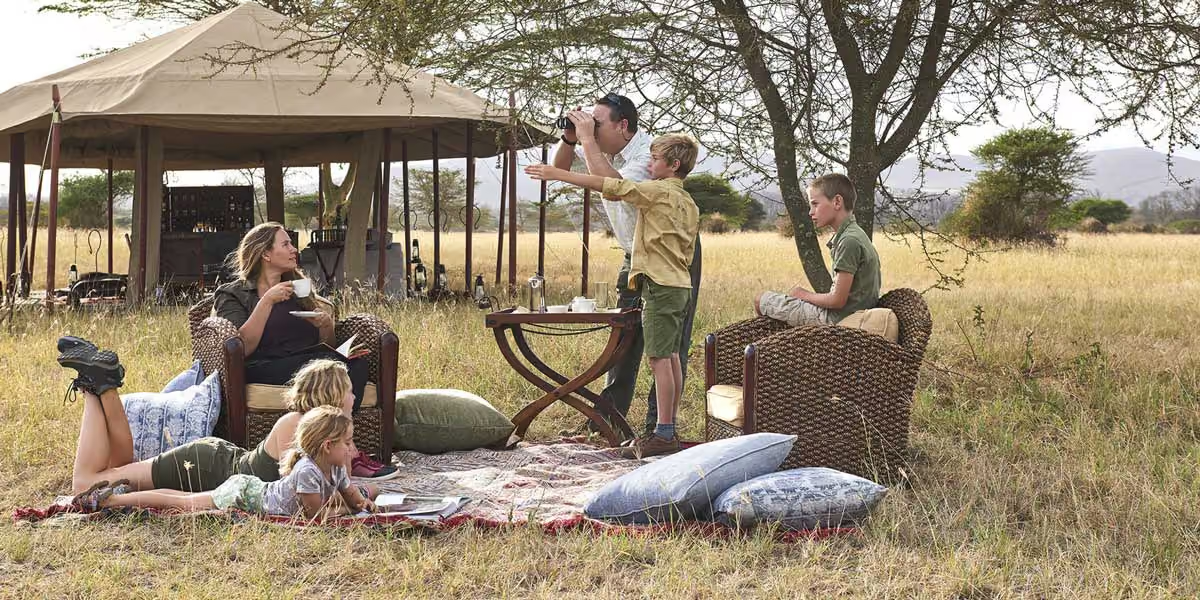
10–14 nights works well, especially when combining regions.
There isn’t a single answer. Many families travel between 4–10 years old, but babies and teenagers can both thrive with the right setup.
Yes, though age policies vary by lodge. We match families to camps with suitable flexibility.
Yes, when structured correctly. We only recommend lodges experienced with family travel.
Junior ranger programmes, spoor tracking, fishing, cooking classes, bush walks (age-permitting), crafts and stargazing.
For younger children, it’s often advisable. For older children, shared vehicles can work well.