

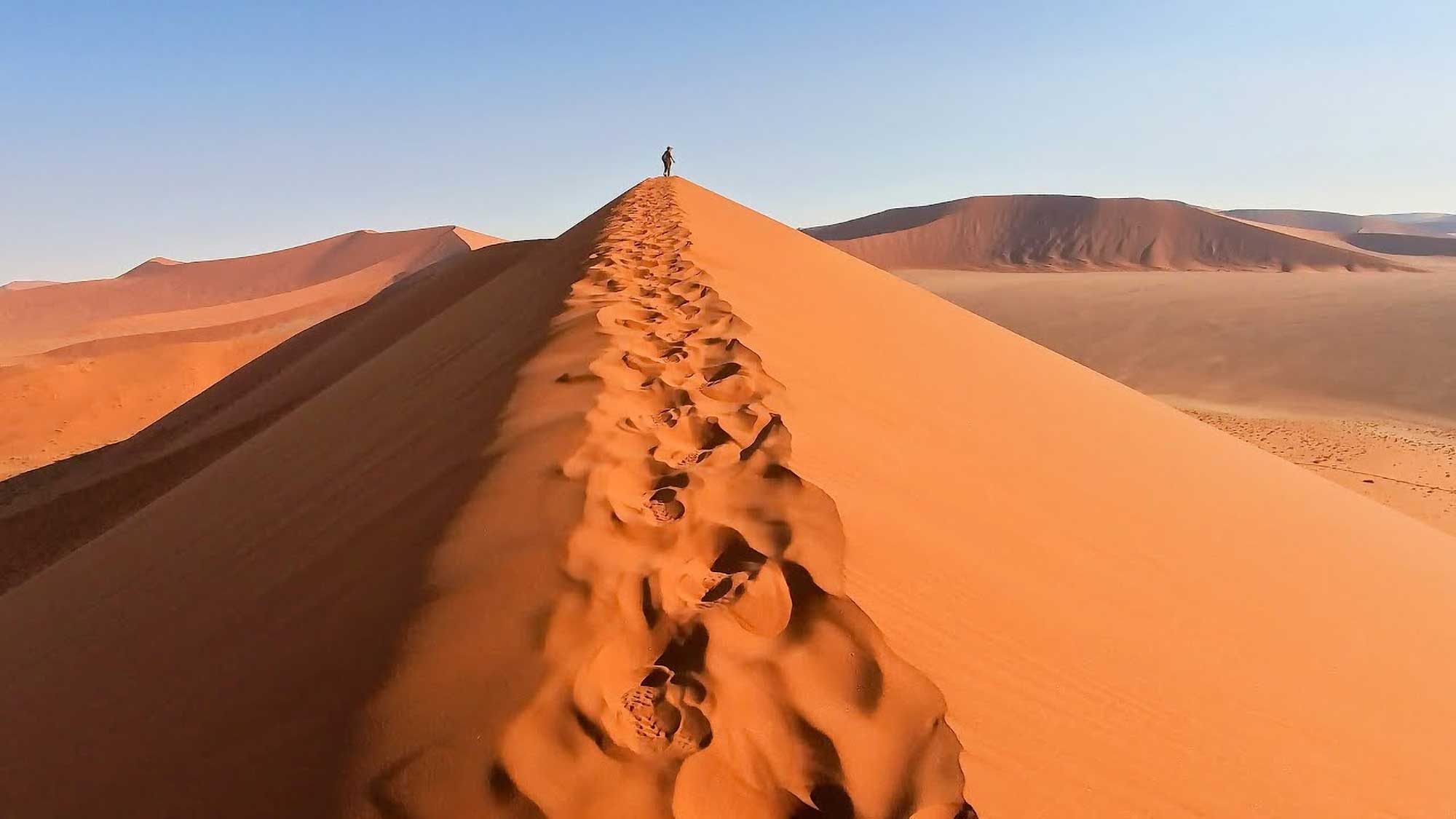
LIGHT. SCALE. SILENCE.
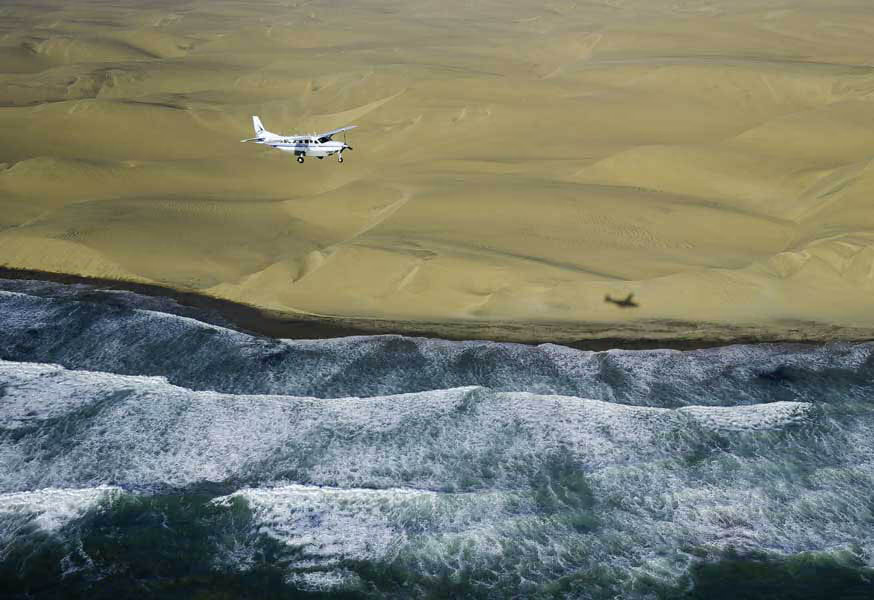
This is not a game drive. It’s not about sightings. It’s about space,
scale and stillness.
You wake before sunrise to climb a dune as sand shifts from deep red to burnt orange. You fly above shipwrecks along the Skeleton Coast. You track desert adapted elephants moving across dry riverbeds in Damaraland.
The drama here is landscape-led. Vast horizons. Clean lines. Light that changes everything. Wildlife exists differently, adapted, dispersed and resilient.
For many travellers, this becomes the quiet high point of the journey, less about density, more about perspective.
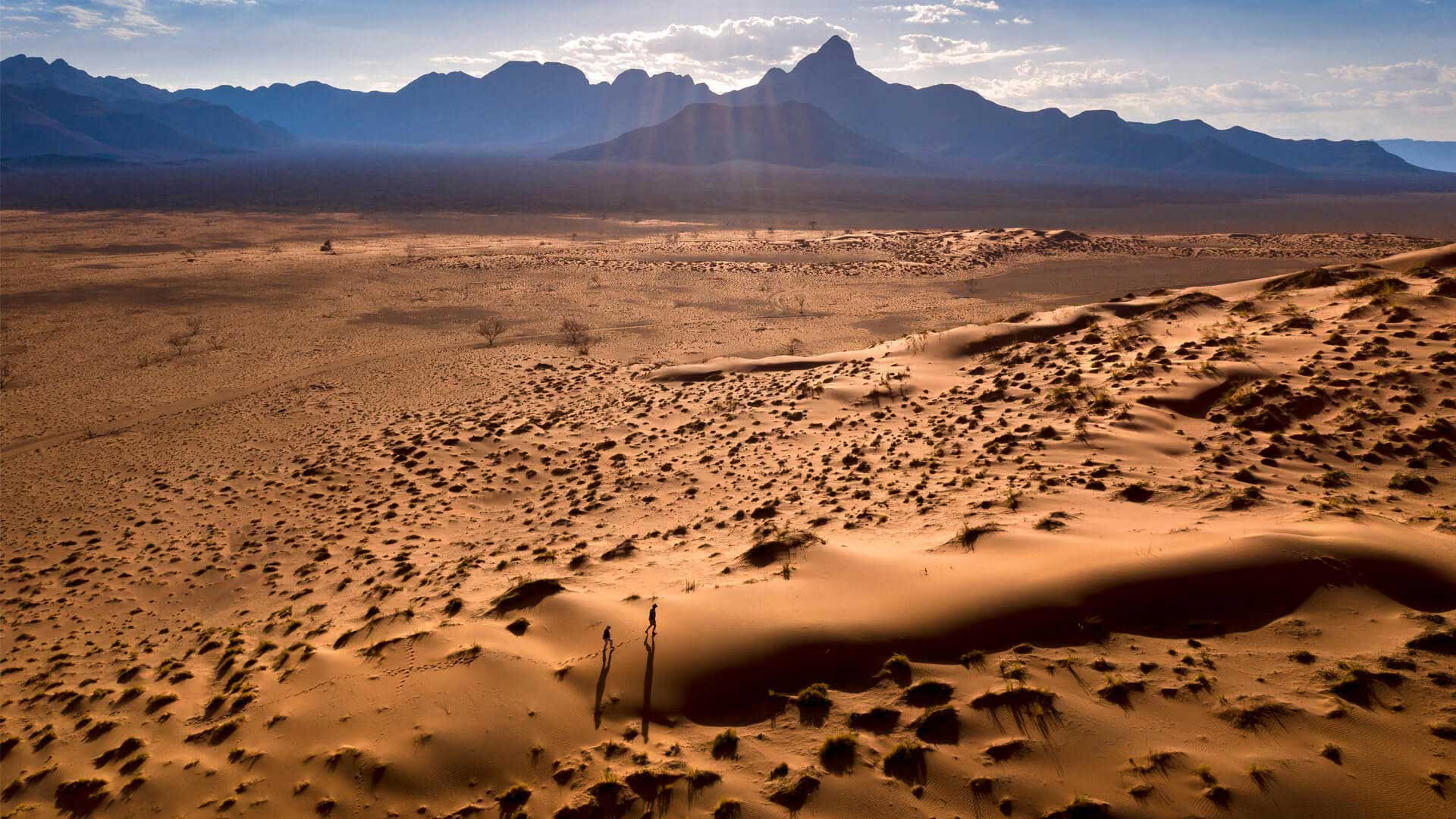
Namibia is a year-round destination, with each season offering a slightly different feel.
May – September: Cooler temperatures, ideal for desert exploration
October – April: Warmer, stronger light, occasional dramatic skies
Rain is minimal in the Namib itself.
A minimum of two nights is recommended to fully experience the dunes, allowing time for early morning and late afternoon light, when the landscapes are at their most striking.
Both options work well. Self-drive offers flexibility and a sense of adventure, while fly-in journeys reduce long distances and allow for a more seamless, time-efficient experience.
Yes. We have access to a range of exclusive offers across Southern and East Africa, including Stay 4, Pay 3, 50% off partner rates, and thoughtful honeymoon inclusions such as spa treatments, private dinners, and added touches along the way.
Yes. While more subtle than a traditional safari, the desert is home to oryx, springbok, and in some regions, desert-adapted elephant and other uniquely adapted species.
Yes, particularly for families with older children who are comfortable with longer travel distances and time spent on the road.
Seven to ten nights is ideal, allowing you to experience the country’s key regions at a comfortable pace without feeling rushed.