


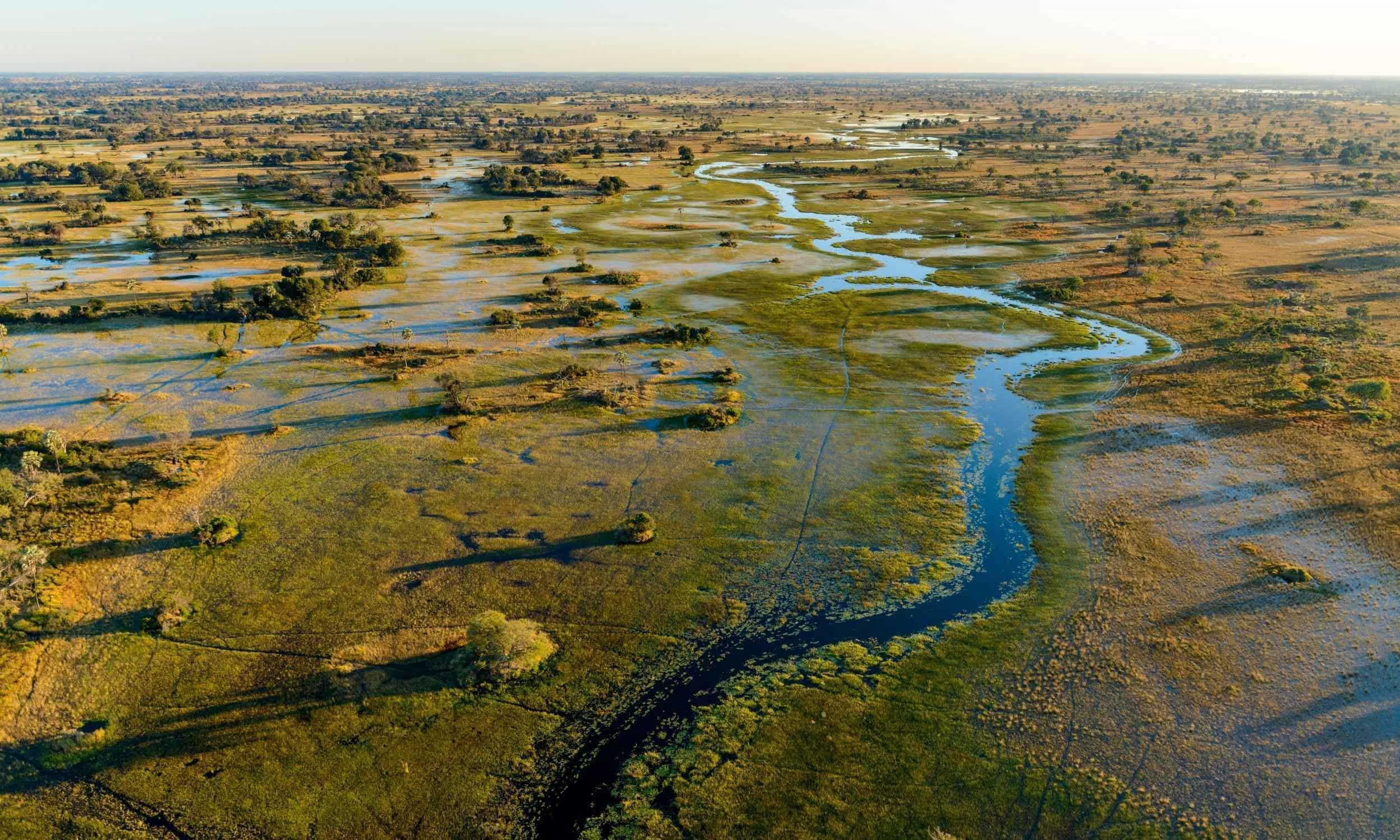
WATER THAT ARRIVES FROM NOWHERE.
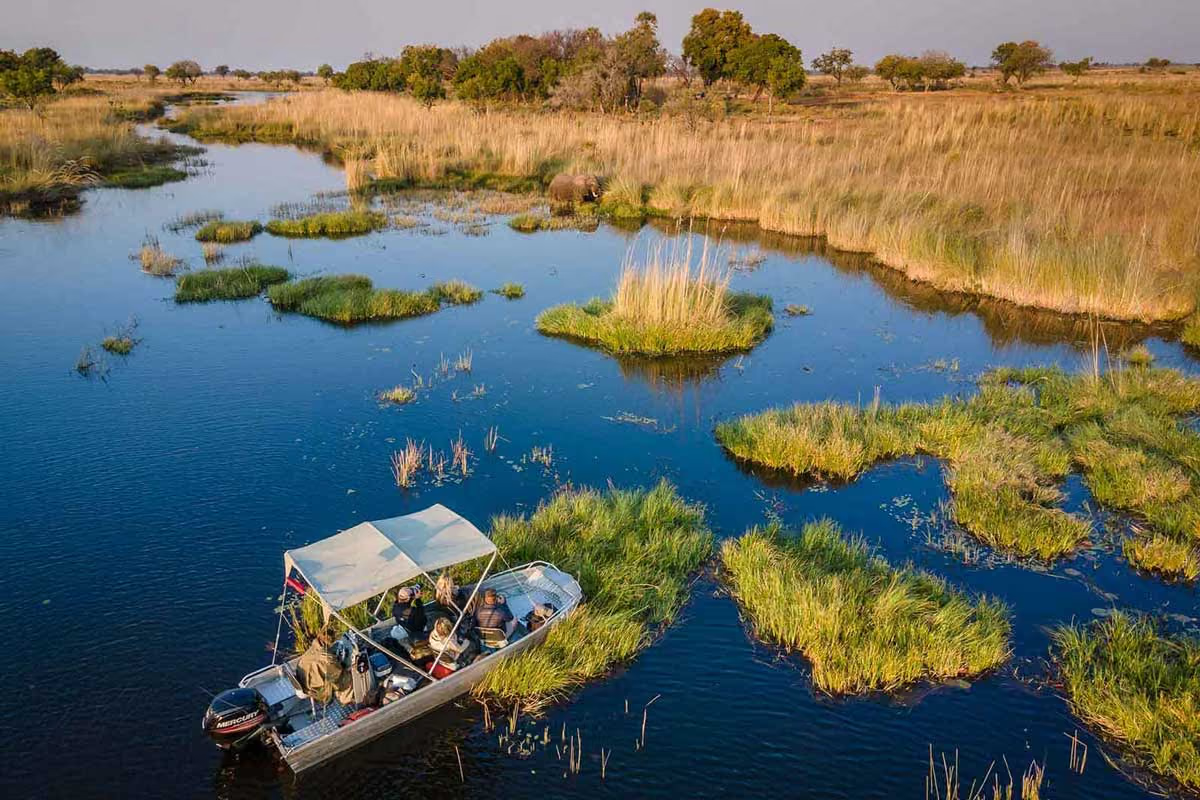
This is a safari experienced differently, more considered, more immersive.
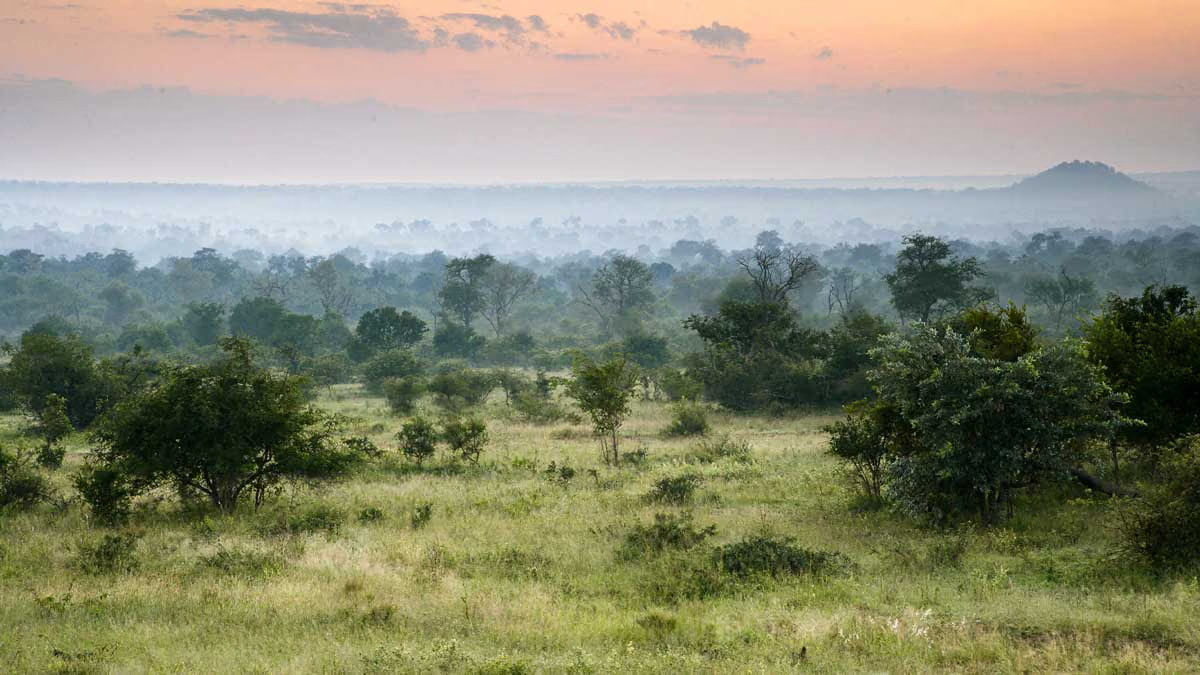
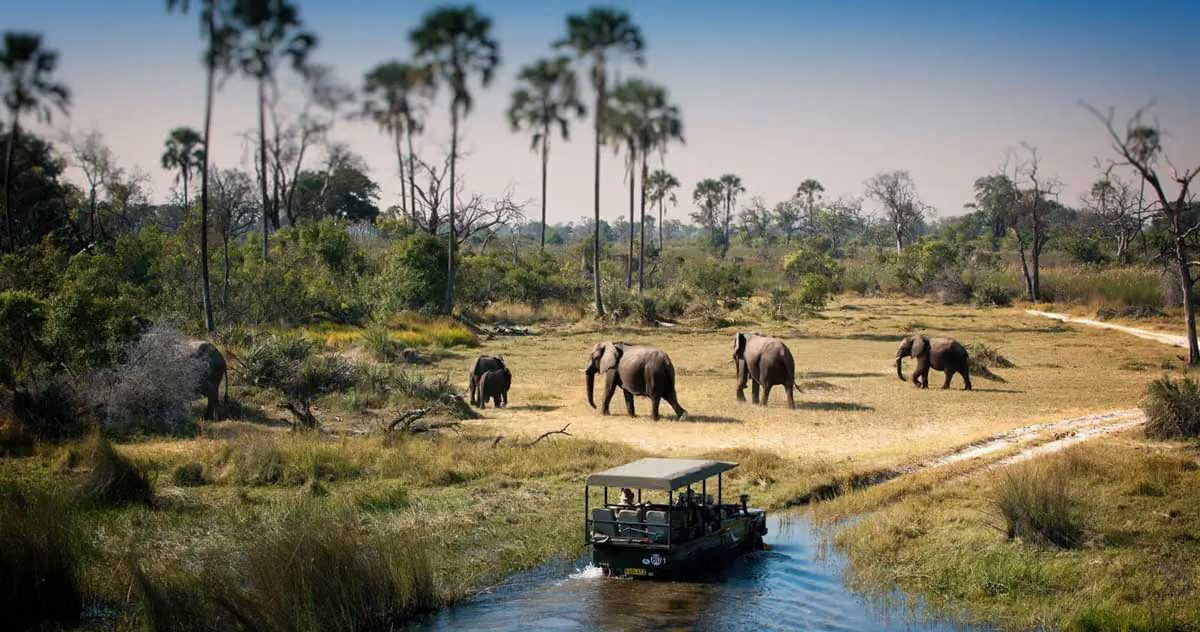
It’s a network of private concessions, low guest density and varied terrain. You move by mokoro, boat and vehicle. Some camps focus on water. Others sit in drier, predator-rich areas.
The Delta offers:
Botswana operates on a high-value, low-impact tourism model.
Camps are smaller. Access is controlled.
The Delta floods during Botswana’s dry season.
May – September: Peak flood levels. Cooler temperatures. Excellent wildlife
concentration.
October – November: Hotter. Water recedes. Strong predator movement.
The flood timing varies slightly each year.
The dry season from May to September is considered the best time, when floodwaters arrive and wildlife concentrates around the channels, with cooler, more comfortable temperatures.
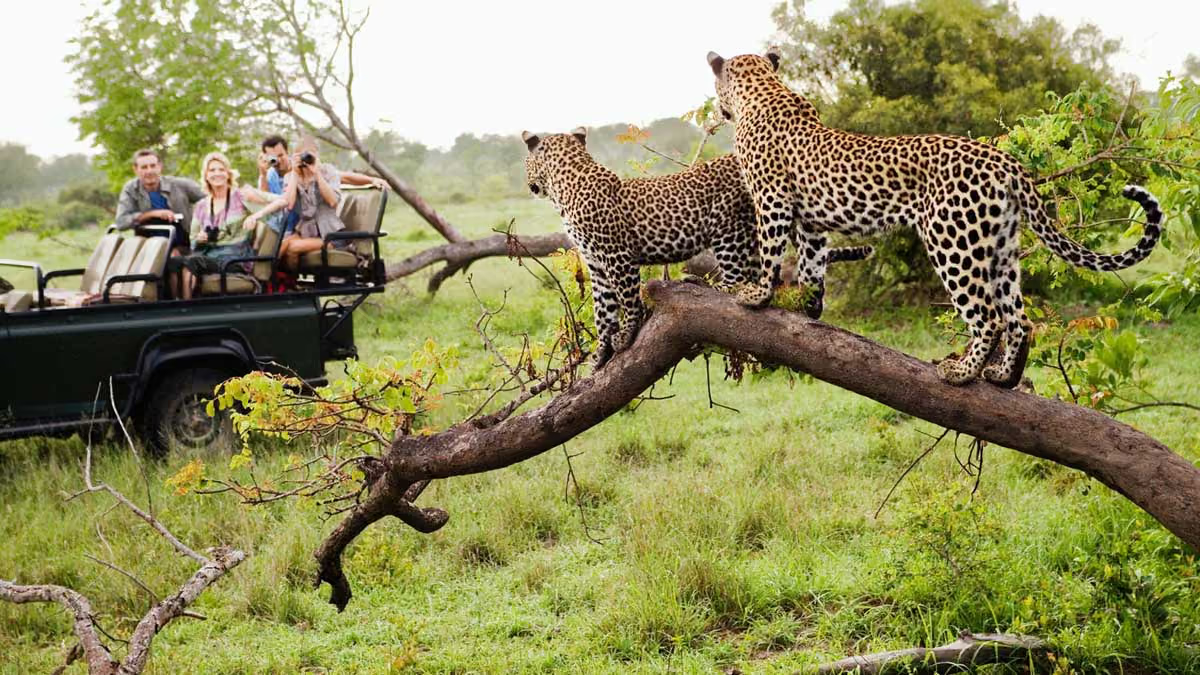
Yes, depending on the concession. Many areas offer excellent predator sightings, along with strong populations of elephant, buffalo, and other iconic species.
A minimum of three nights is recommended to fully experience a camp and its surroundings. Four or more nights works well when combining different regions of the Delta.
Yes. Light aircraft transfers are the most common way to travel between camps, offering both efficiency and a unique aerial perspective of the Delta.
Some camps do welcome children, though age restrictions vary. We guide families toward properties that are best suited to younger travellers.