


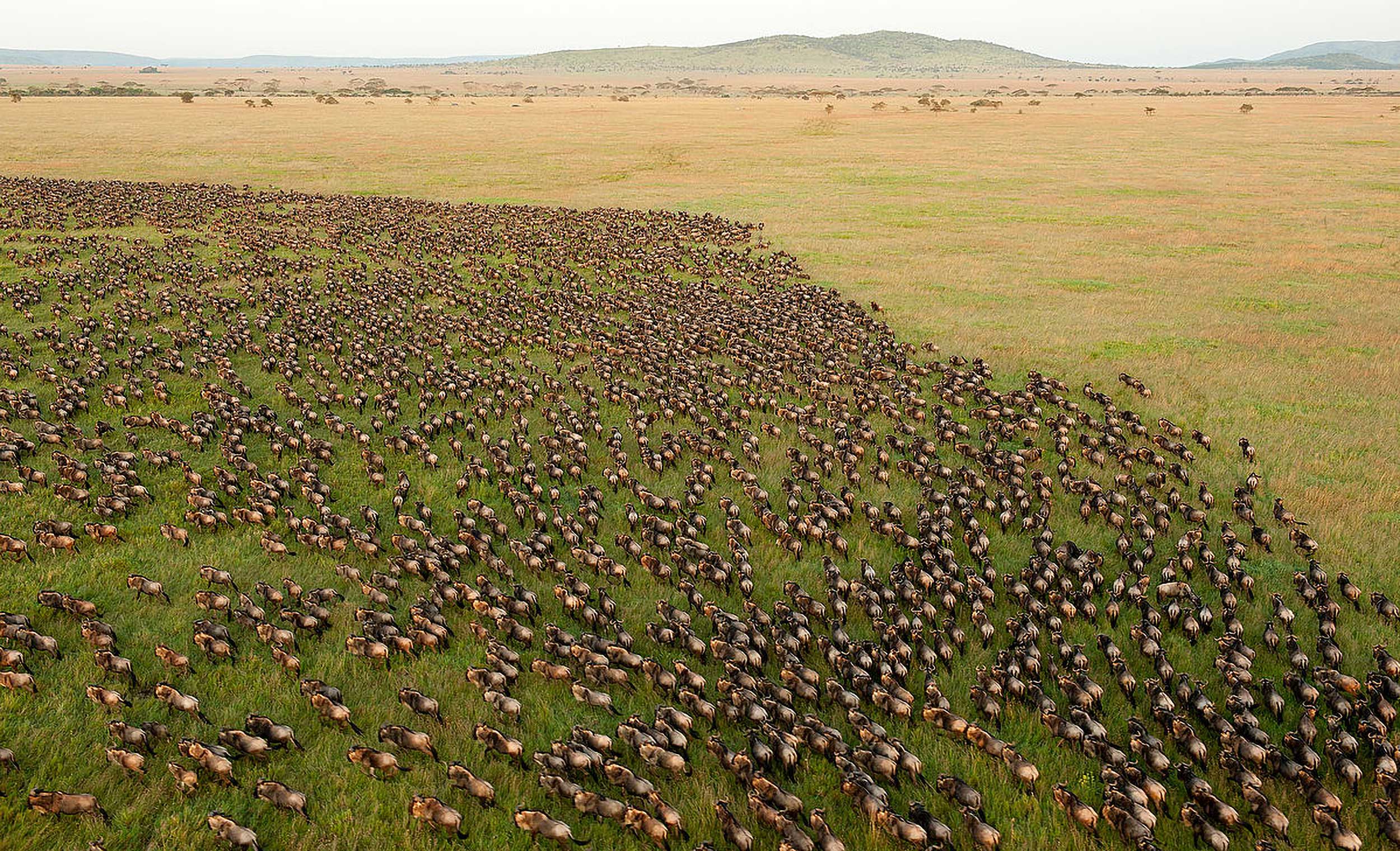
FOLLOWING THE WILDEBEEST ACROSS EAST AFRICA
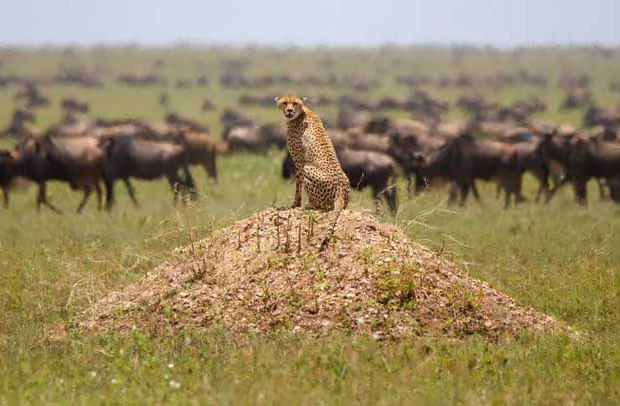
This is an experience shaped by nature’s rhythm, where no two days feel the same.
It’s movement. Constant adjustment. Reading conditions. Some days are dramatic. Some are quiet. The key is positioning - not chasing headlines.
We build Migration itineraries around season, herd location and camp access - not generic calendar dates.
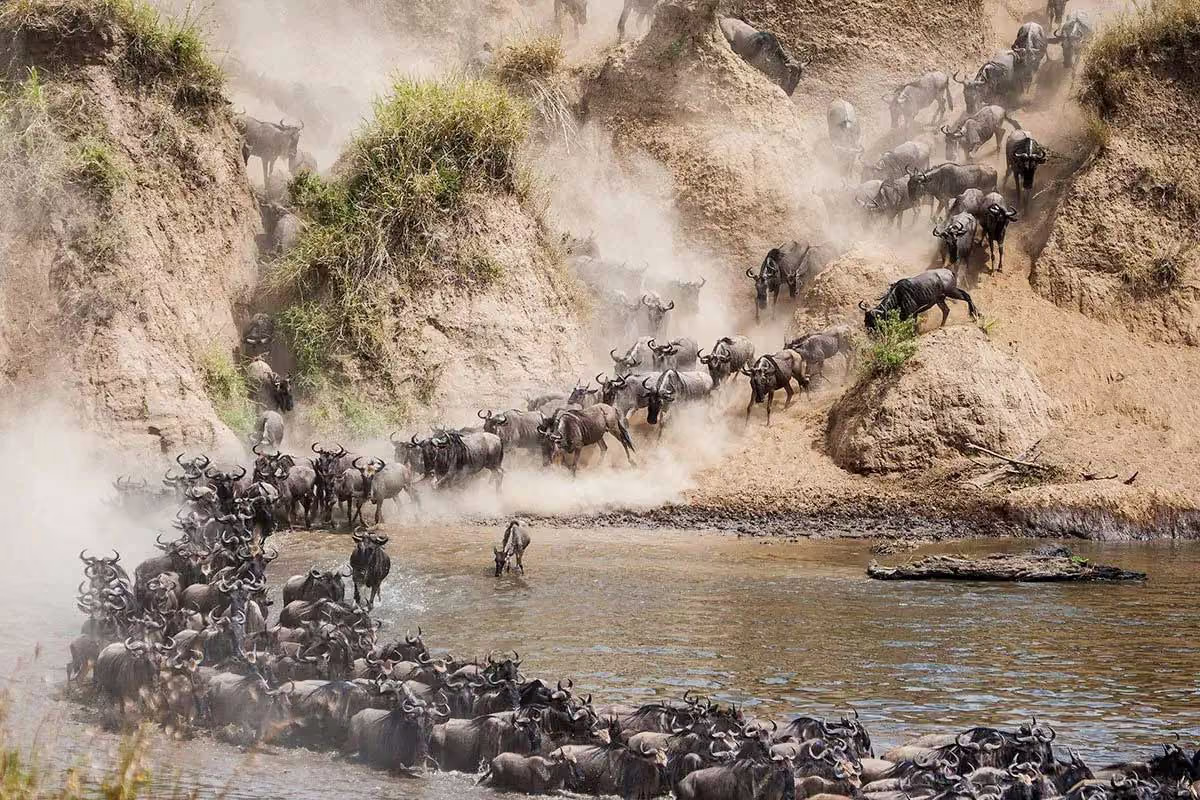
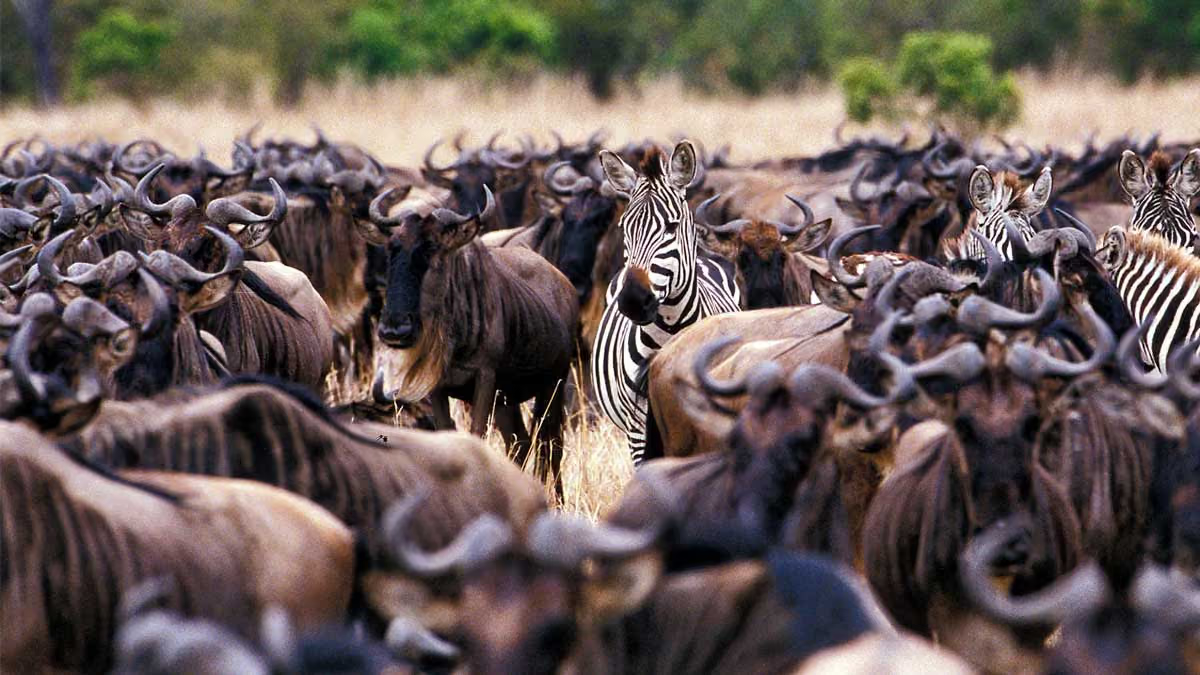
Between July and October, herds gather at the Mara River. Crossings are unpredictable. They can happen in minutes or take hours. Crocodiles wait. Predators follow the herds.
The Maasai Mara also offers private conservancies adjacent to the main reserve, fewer vehicles, off-road access, walking safaris and night drives.
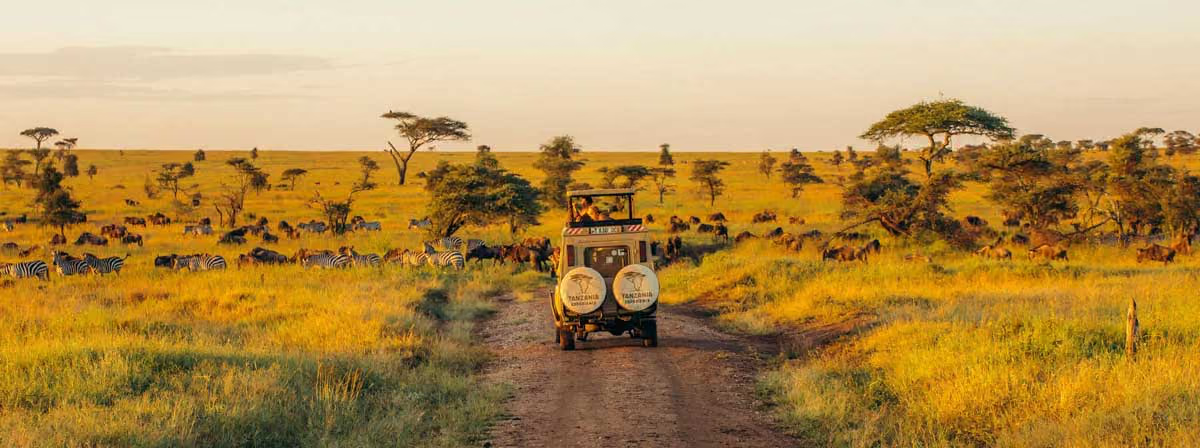
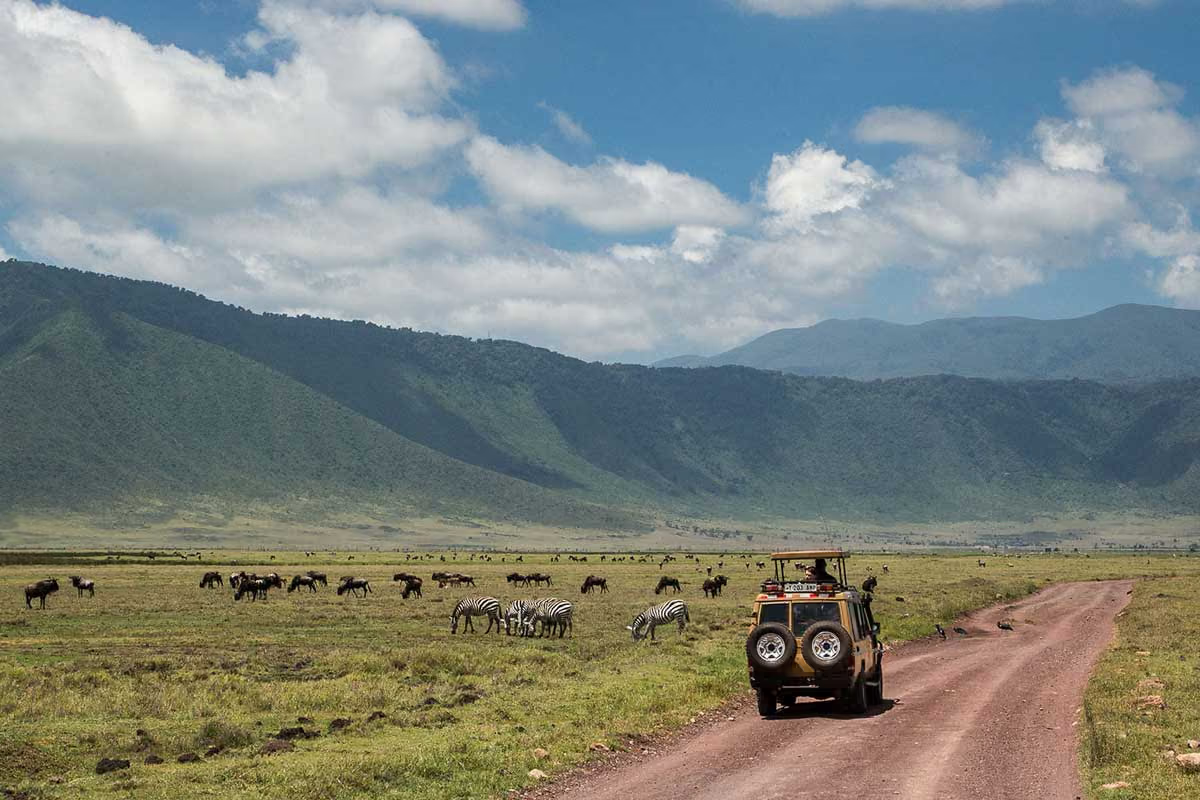
The Serengeti offers scale. The southern plains (January–March) host calving season, thousands of wildebeest born within weeks. Predator density is high.
As the herds move north and west, mobile camps track their progress.
Tanzania allows for longer, more varied safari routing, combining central, southern and northern Serengeti regions depending on the season.
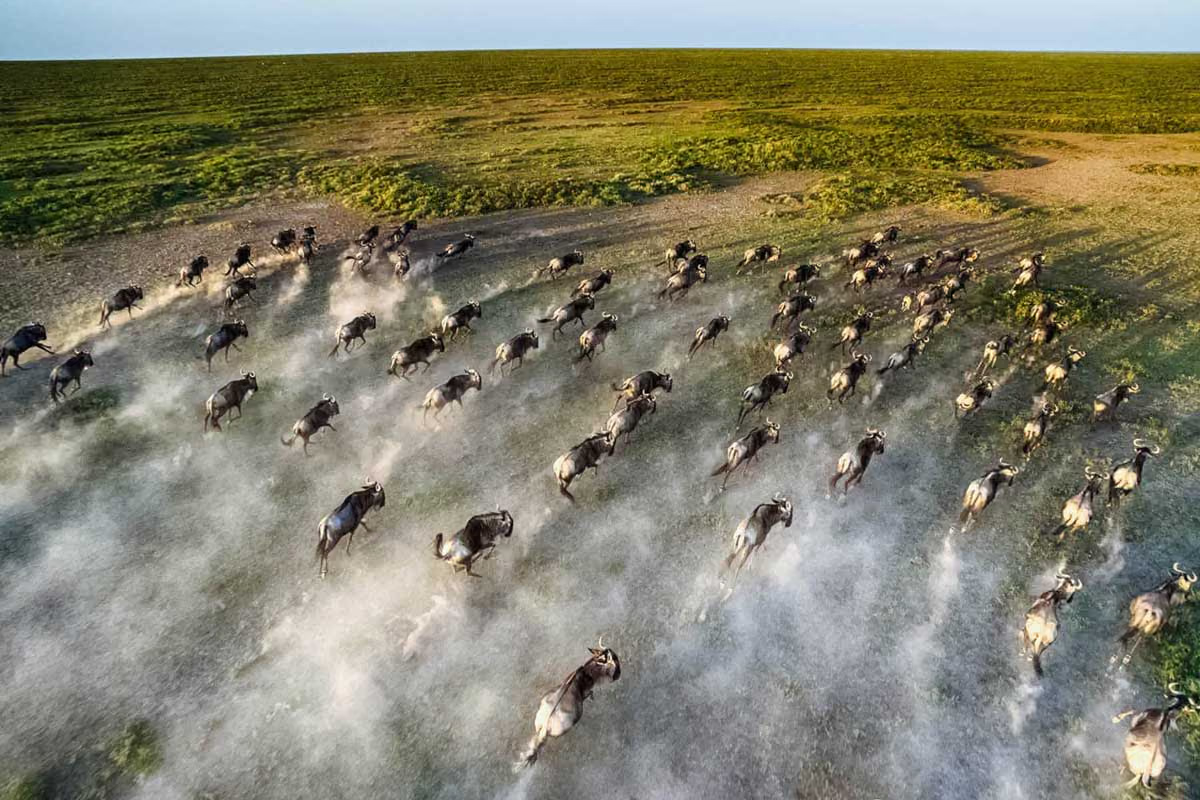
The Migration is year-round, but different regions peak at different times.
January – March: Southern Serengeti (calving)
April – June: Central & Western Serengeti
July – October: Northern Serengeti & Maasai Mara (river crossings)
November – December: Herds moving south again
We advise based on what you want to experience.
It depends on what you want to experience. River crossings usually take place from July to October, while calving season in the southern Serengeti runs from January to March, each offering a very different feel to the journey.
No, they are never guaranteed. Crossings are unpredictable and happen on the animals’ terms, which is part of what makes them so special to witness.
At certain crossing points there can be more vehicles, especially in peak season. We prioritise camps and conservancies that offer a more private, less crowded experience.
A minimum of three to four nights in one region is recommended to allow time for movement and sightings. Longer stays work well when combining different areas.
Neither is better. They offer different moments within the same annual cycle, depending on where the herds are at that time.