Tanzania



ABOUT
Tanzania
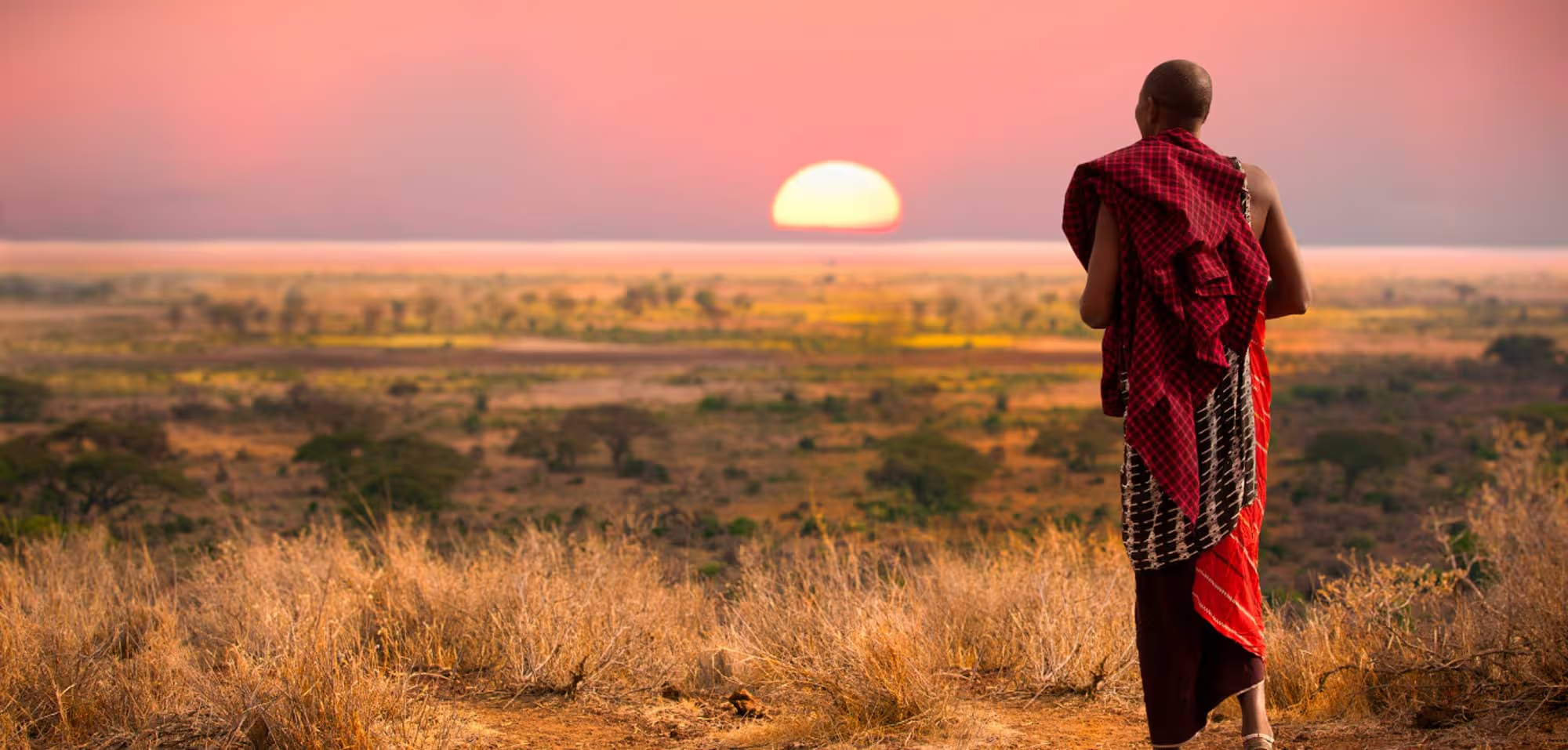
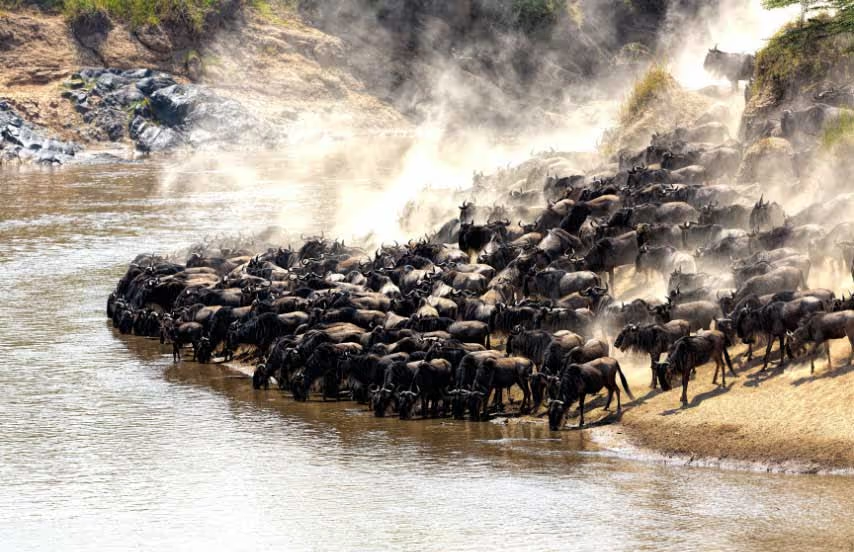
Documented by wildlife filmmakers all over the world, Tanzania’s annual wildebeest migration is one of the greatest spectacles on Earth. From the Serengeti to Ngorongoro Crater, this is the icon of an East African safari experience.
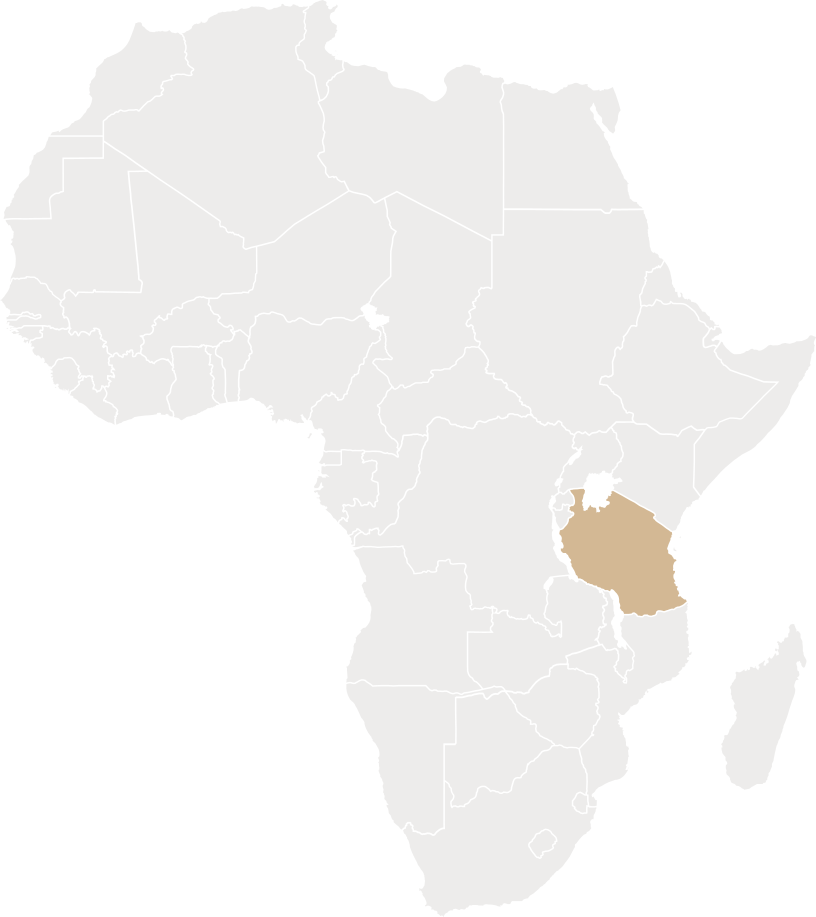
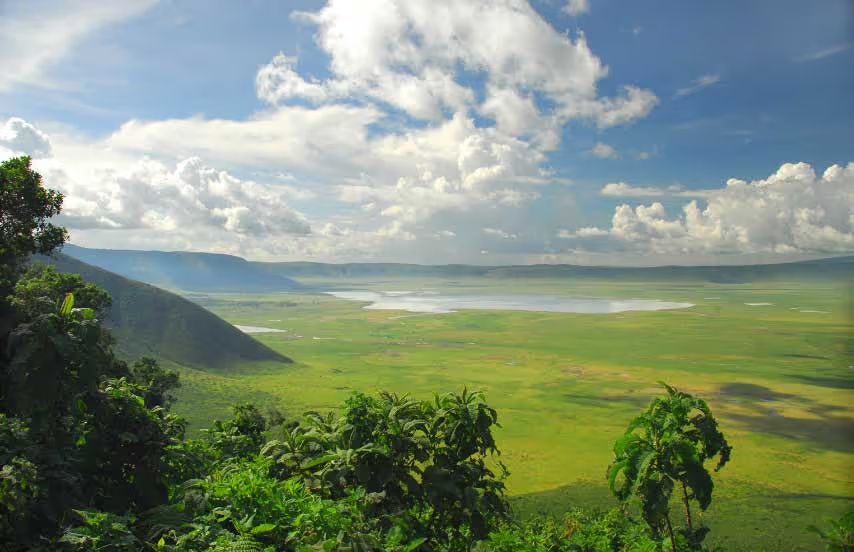
Recently, Tanzania was voted as Africa’s best safari destination, and although the breath-taking Serengeti has a lot to do with that, it is by no means the country’s only magnificent wildlife area. The Ngorongoro Crater is said to have the greatest density of wildlife in the world and after the rains it is a giant emerald basin teeming with life. Tarangire National Park is home to hundreds of elephants, giant baobab trees, and the long-necked gerenuk; while the great lakes of the Rift Valley are visions of pink when the flamingos arrive in flocks. Arusha is the safari capital of Tanzania, buzzing at the base of Mount Meru and acting as the gateway to the surrounding national parks and reserves.

10 Nights
starting from
$8,580 pp for 6 people
Yes. Tanzania is one of Africa’s most iconic safari destinations, known for the Serengeti, the Great Migration, the Ngorongoro Crater, Tarangire National Park and classic East African safari experiences.
Tanzania is best known for the Great Migration, when vast herds of wildebeest move through the Serengeti. It is also famous for the Ngorongoro Crater, elephant herds, baobab trees, and Zanzibar beach and bush safaris.
The Serengeti is Tanzania’s most famous safari region, especially for the wildebeest migration. Other top areas include Ngorongoro Crater, Tarangire National Park, the Rift Valley lakes and Arusha.
The Great Migration can be experienced in Tanzania at different times of year, depending on rainfall and herd movement. The most important periods are:
January to March: The herds gather on the southern Serengeti plains for the calving season, with February often the peak month for newborn wildebeest and intense predator activity.
June to July: The migration moves through the western corridor, where large herds gather and river crossings may begin as they push north.
July to October: The herds are typically in the northern Serengeti, where dramatic Mara River crossings can take place as they move between Tanzania and Kenya.
November to December: The herds begin returning south with the short rains, moving back towards the southern Serengeti as fresh grazing emerges.
A Tanzania safari can include wildebeest, zebra, lion, elephant, buffalo, flamingos, gerenuk, and many other species across areas such as the Serengeti, Ngorongoro Crater, and Tarangire National Park.
Yes. Tanzania is ideal for a beach and bush safari, combining the Serengeti, Ngorongoro Crater or Tarangire with a relaxing stay on Zanzibar’s beaches. It is a seamless way to pair big wildlife experiences with time by the Indian Ocean.