

When people think of safari in Africa, their minds often drift to the Serengeti or the Okavango Delta. Rarely does Malawi top the list. And that’s precisely its magic.
Tucked quietly between Zambia, Tanzania and Mozambique, Malawi Africa offers something increasingly rare: space, authenticity and a sense of discovery. Known as the “Warm Heart of Africa,” this compact country delivers an unexpected pairing, meaningful Malawi safari experiences alongside the vast, shimmering waters of Lake Malawi.
It’s not loud. It’s not crowded. And that’s exactly why it stays with you.
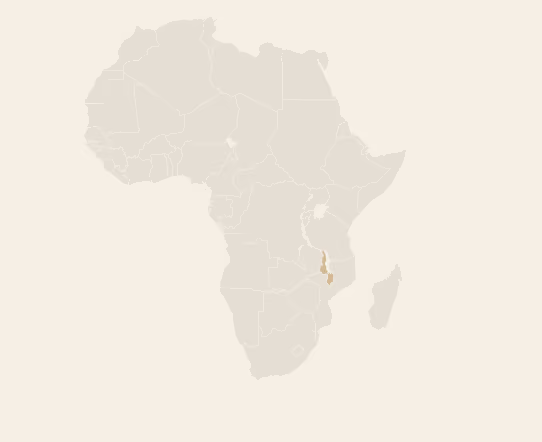
Why Malawi is Africa’s Best-Kept Secret
Malawi is defined by contrast, revitalised wilderness reserves in the south, river systems alive with wildlife, and one of the largest freshwater lakes in the world stretching along its eastern border.
Unlike more commercial safari destinations, Malawi moves at a gentler rhythm. Camps are intimate. Game drives are uncrowded. Encounters feel personal. You don’t queue for sightings. You absorb them.
And then, just when you think you understand the country, it shifts, from bushveld to beach.
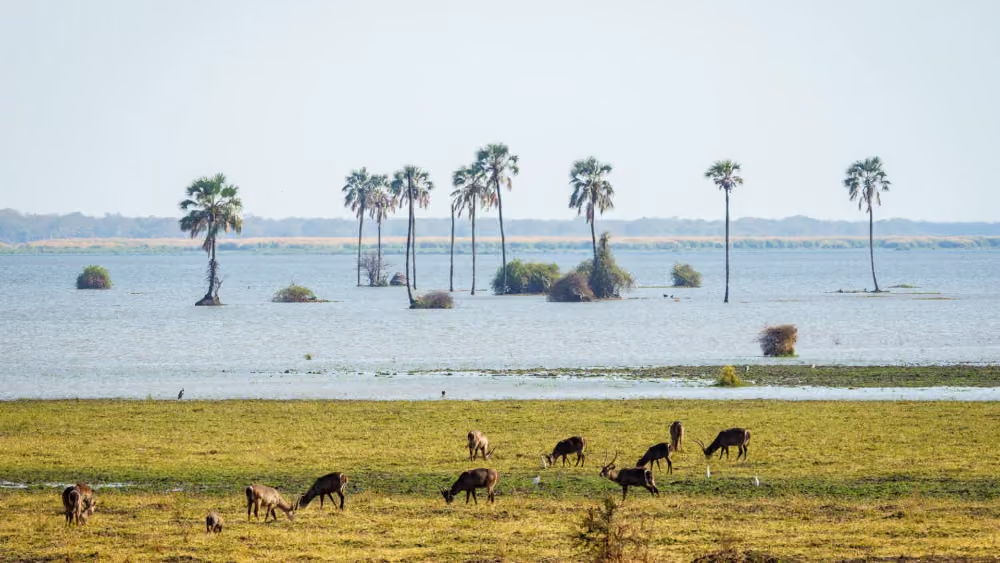
The Rise of the Malawi Safari
For decades, Malawi was overlooked as a safari destination. Today, it stands as one of Africa’s most inspiring conservation success stories.
Majete Wildlife Reserve
Once depleted of wildlife, Majete Wildlife Reserve has undergone a remarkable transformation. Thanks to visionary conservation partnerships, elephants, lion, leopard and black rhino now thrive here again.
Game drives in Majete feel exclusive and rewarding. The reserve’s relatively small size and low visitor numbers create the perfect environment for meaningful sightings without the pressure of crowds. It’s safari in its purest form, focused, intentional and quietly powerful.
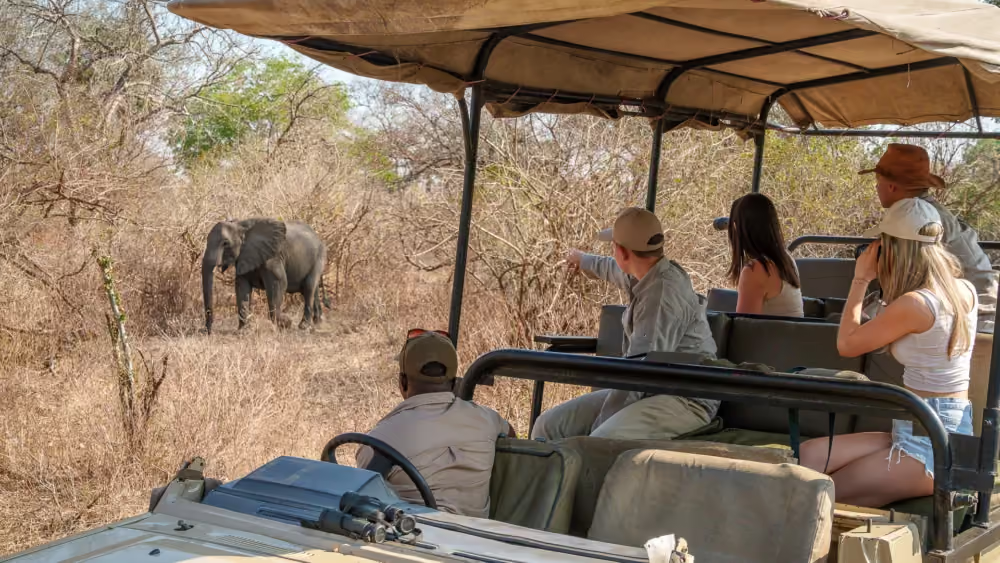
Liwonde National Park
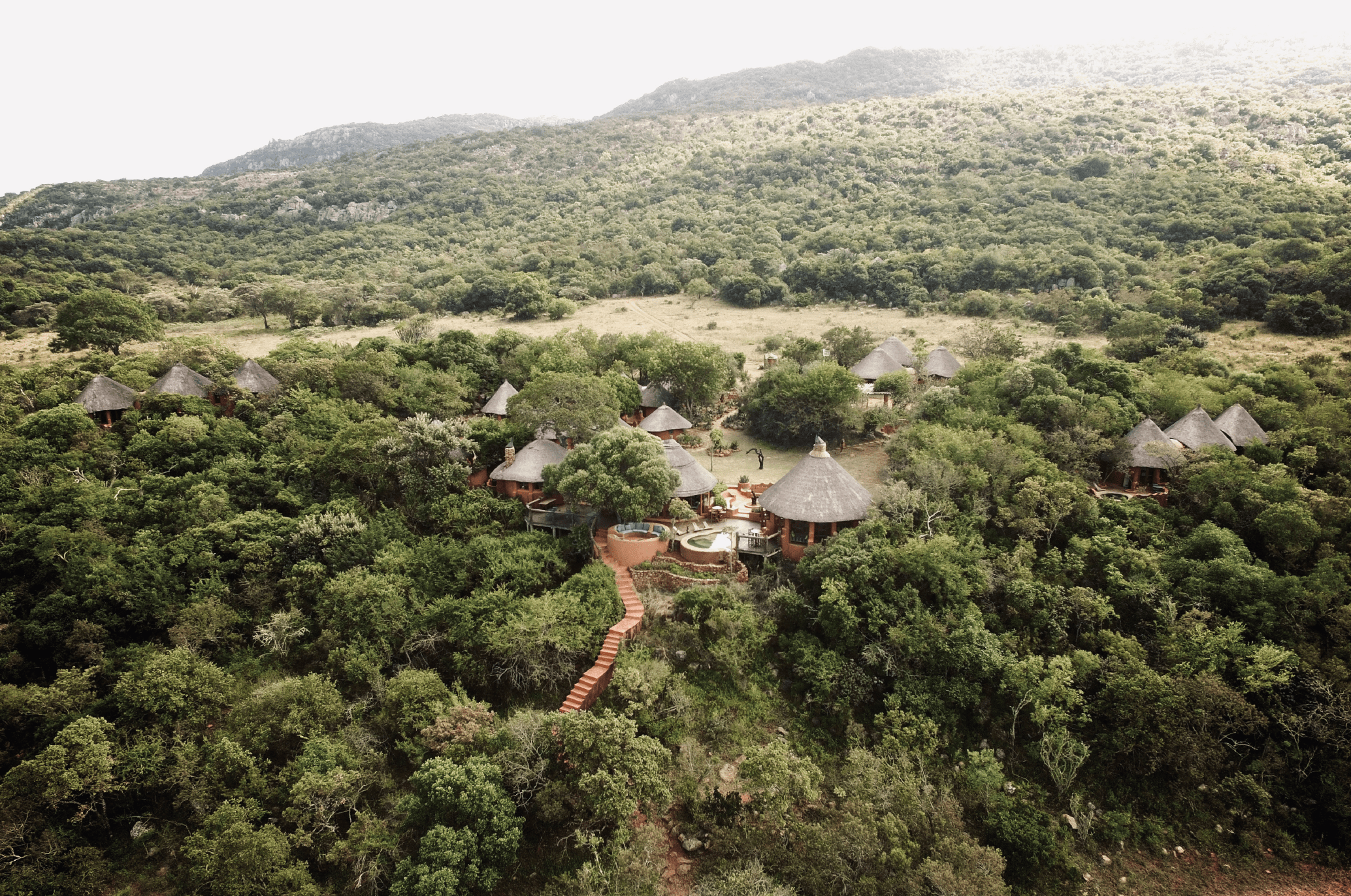
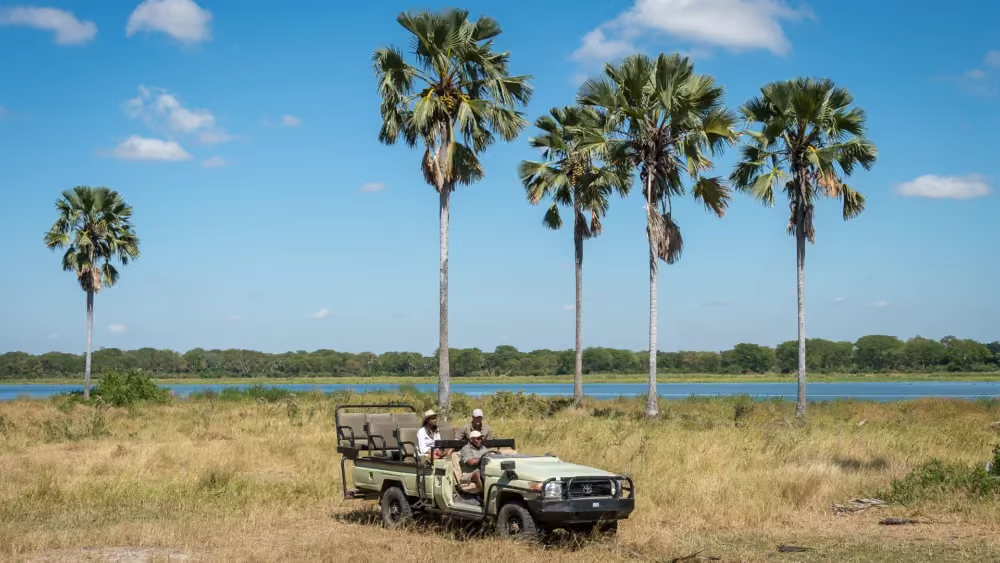
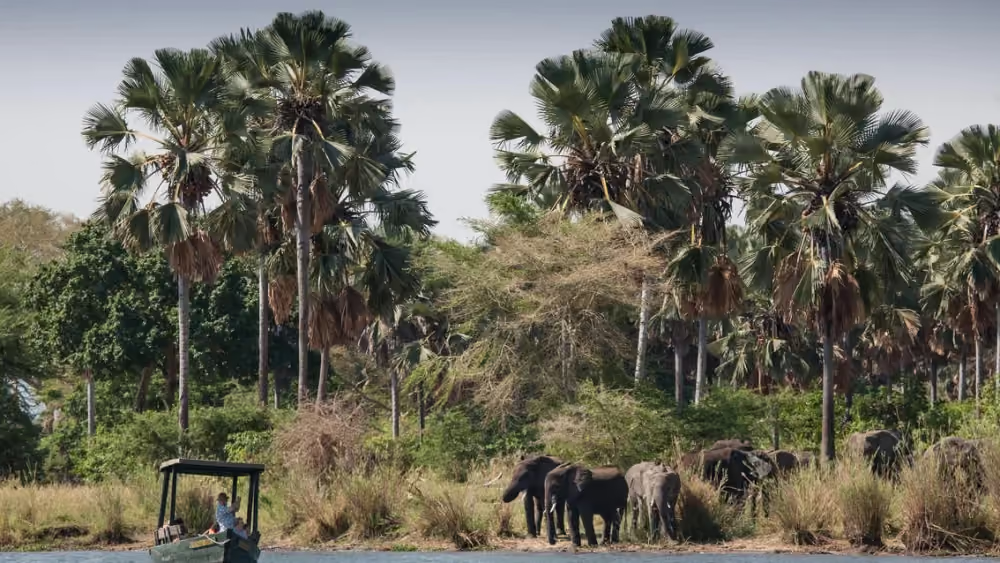
Further north, Liwonde National Park offers one of the most diverse wildlife experiences in Malawi. Set along the Shire River, Liwonde blends classic game drives with boat safaris, an underrated highlight of any Malawi safari.
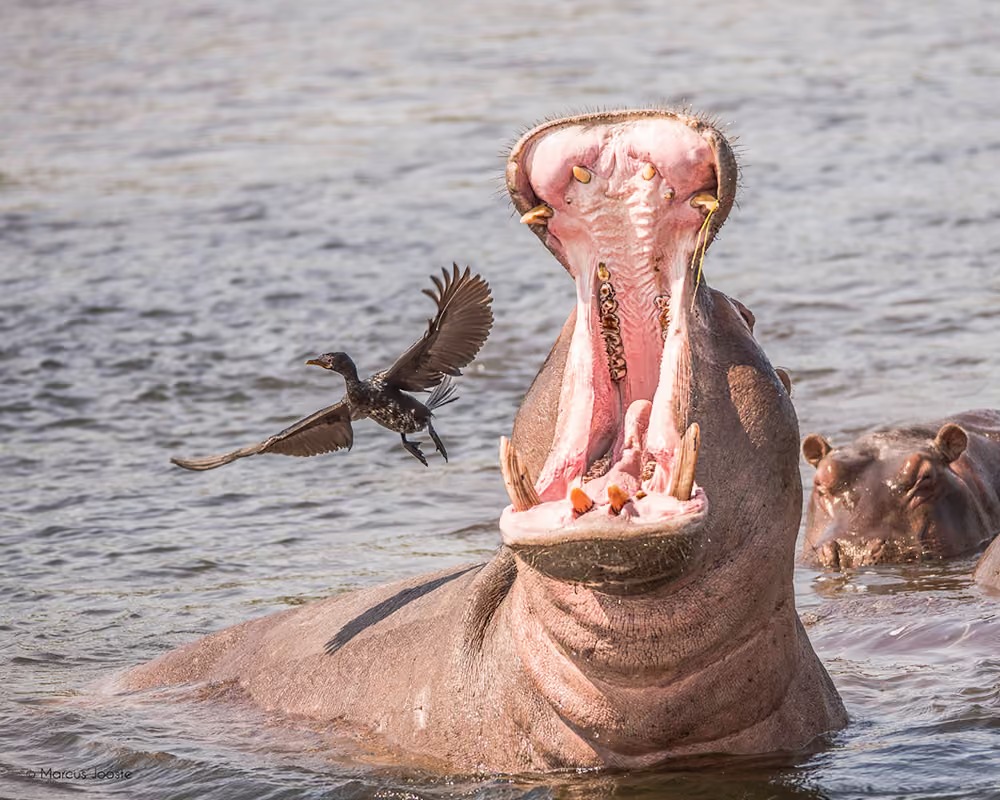
Drifting along the river at golden hour, past pods of hippos and elephants feeding at the water’s edge, feels cinematic. Birdlife is prolific. Leopard sightings are increasingly common. And the park’s scale allows for a sense of immersion that larger, busier parks often lose.
Together, Majete and Liwonde showcase how Malawi has redefined itself, not as a mass-market safari hub, but as a conservation-led, low-impact destination.
Lake Malawi: Africa’s Inland Sea
And then there’s Lake Malawi.
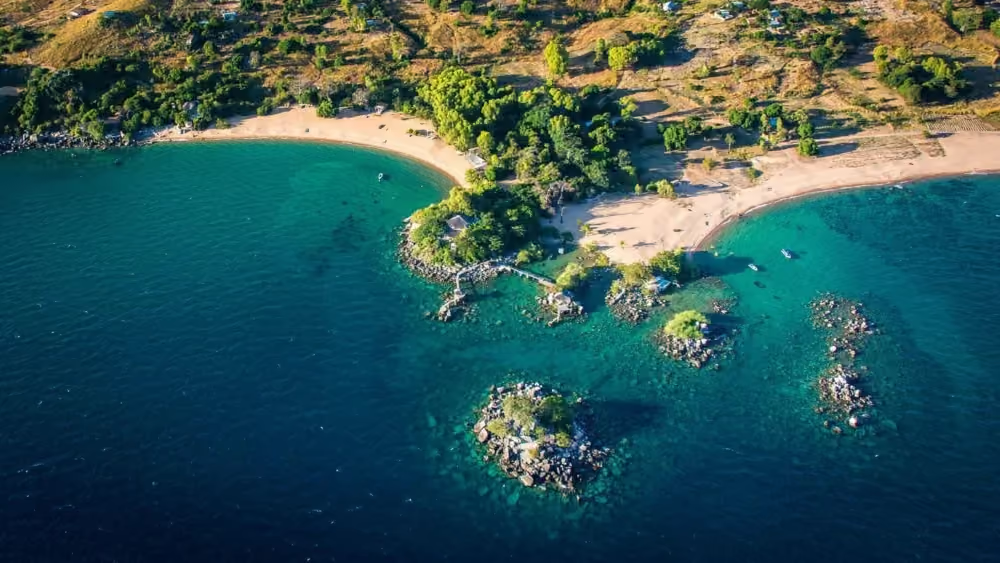
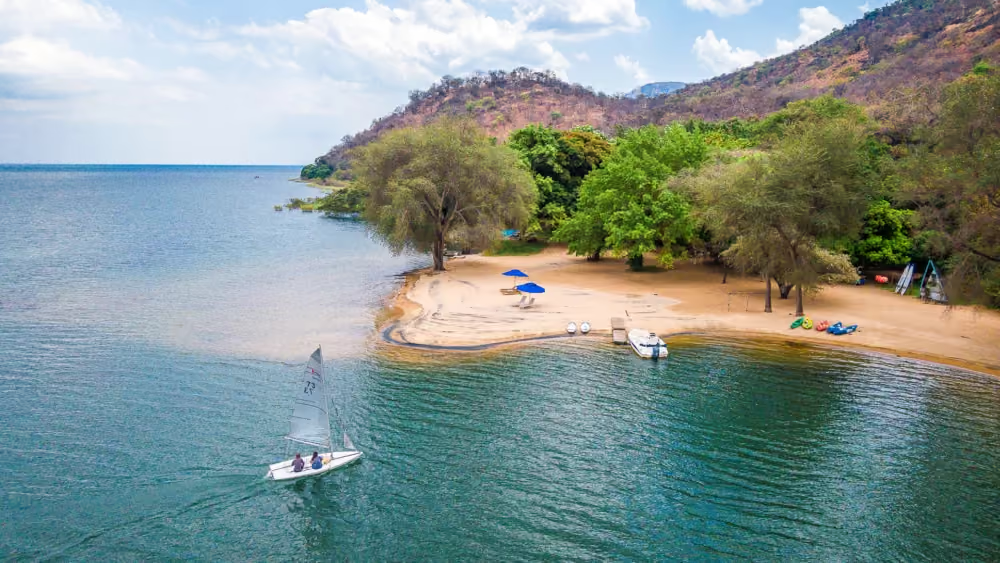
Stretching over 560 kilometres, it feels more like an ocean than a lake. Clear, freshwater laps against sandy shores. Traditional wooden dhows drift across the horizon. Sunsets stretch wide and uninterrupted.
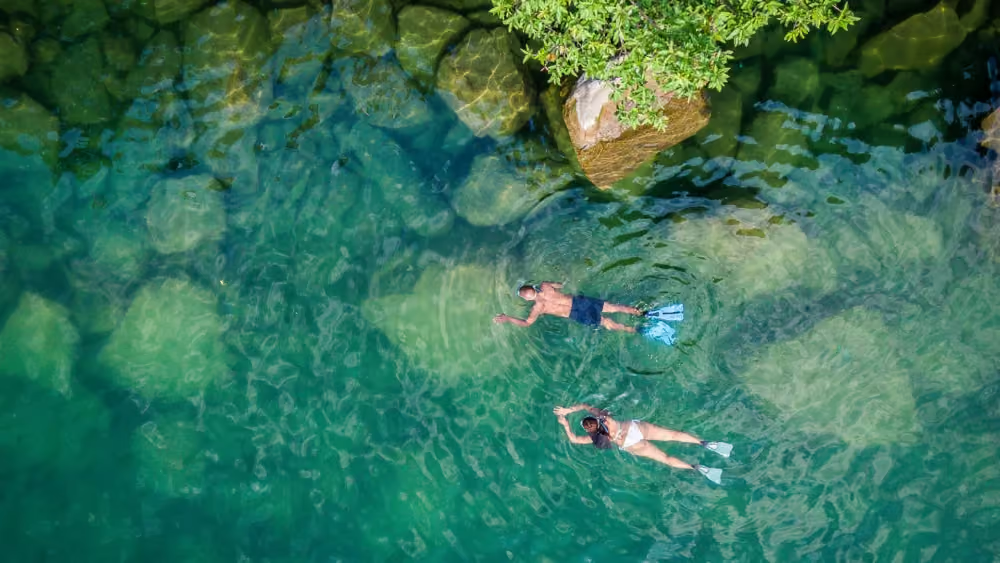
Lake Malawi is home to more species of fish than any other lake on Earth, making snorkelling surprisingly vibrant. Brightly coloured cichlids flicker beneath the surface. Kayaks glide across glassy morning waters. Time slows, naturally.
Likoma Island
For something truly special, head to Likoma Island. Remote and beautifully understated, Likoma feels like a secret within a secret.
There are no crowds here. Just barefoot beach days, dhow cruises at sunset and a pace that encourages you to exhale. It’s the perfect complement to safari, a shift from adrenaline to ease.
Few destinations in Africa allow you to track rhino one day and snorkel in crystal-clear freshwater the next. Malawi does so effortlessly.
Safari & Shoreline in One Seamless Journey
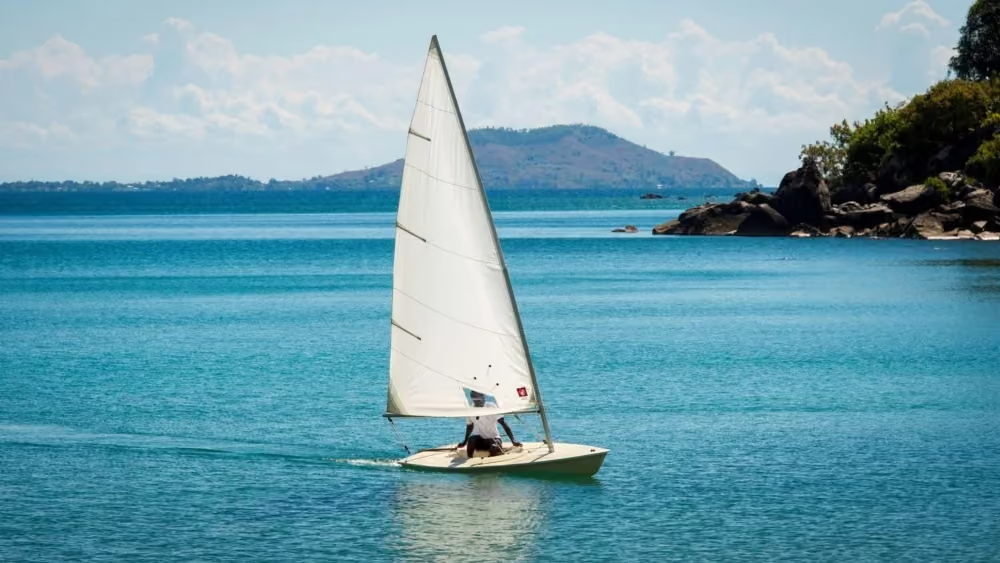
What makes Malawi so compelling isn’t just its individual components, it’s how well they combine.
Within a single itinerary, you can:
- Track big game in Majete Wildlife Reserve
- Explore river ecosystems in Liwonde National Park
- Relax along the mainland shores of Lake Malawi
- Escape to Likoma Island for total tranquillity
The country’s compact size means travel between regions is manageable, allowing for a diverse yet unhurried journey. For travellers seeking both adventure and restoration, Malawi offers that rare balance.
How to Get to Malawi
Malawi is easily reached via Southern and East Africa’s major aviation hubs.
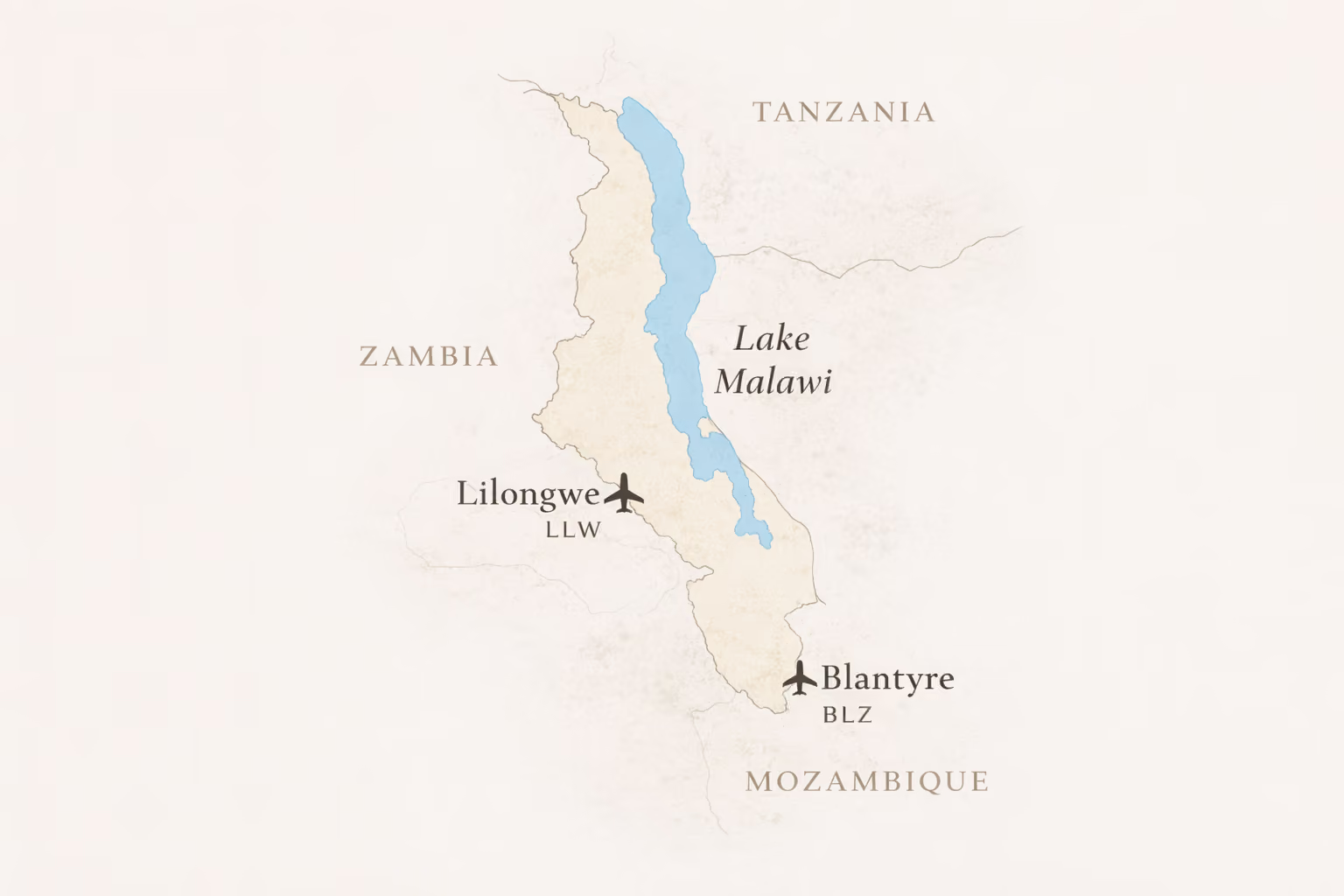
Arrive: Blantyre International Airport (BLZ)
Most travellers connect through Johannesburg, with regular regional flights into Blantyre. It is the most convenient gateway for Majete Wildlife Reserve, located just a few hours by road.
From Majete, the journey continues north to Liwonde National Park, before reaching the shores of Lake Malawi or Likoma Island by road transfer or light aircraft.
Depart: Lilongwe International Airport (LLW)
Your itinerary concludes in Lilongwe, the capital, which offers reliable connections back to regional hubs for onward international travel.
With the right routing, travelling through Malawi is seamless, allowing you to move effortlessly from safari to shoreline.
When to Visit Malawi
The best time for a Malawi safari is during the dry season, from May to October. Wildlife viewing peaks as animals gather around water sources, and temperatures remain comfortable.
Lake Malawi is beautiful year-round, though the dry winter months offer cooler evenings and clearer skies. The green season (November to April) transforms landscapes into lush, vibrant scenes and is particularly rewarding for birding enthusiasts.
Is Malawi Right for You?
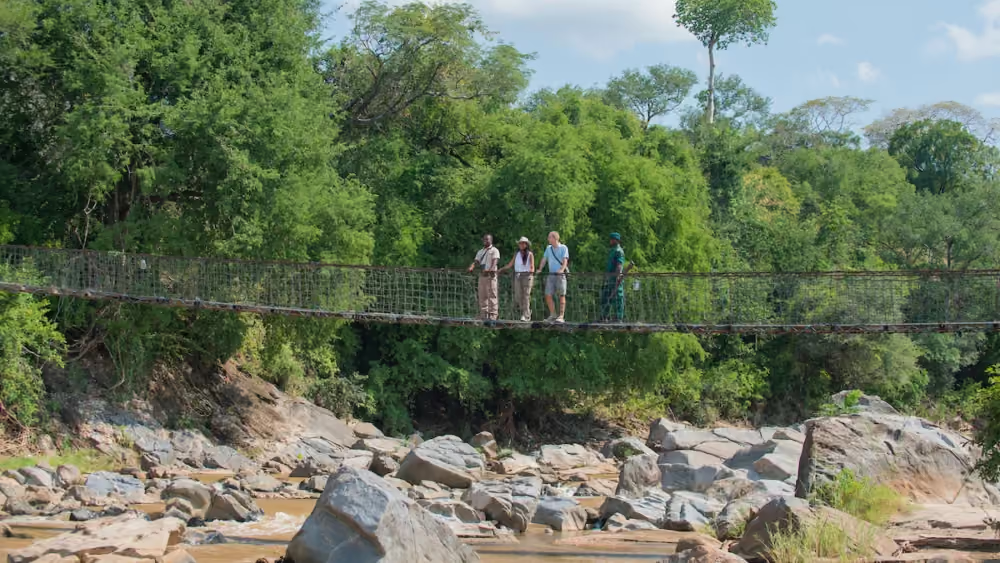
Malawi is ideal for travellers who:
- Have already experienced classic safari destinations and want something unique
- Value conservation and low-impact travel
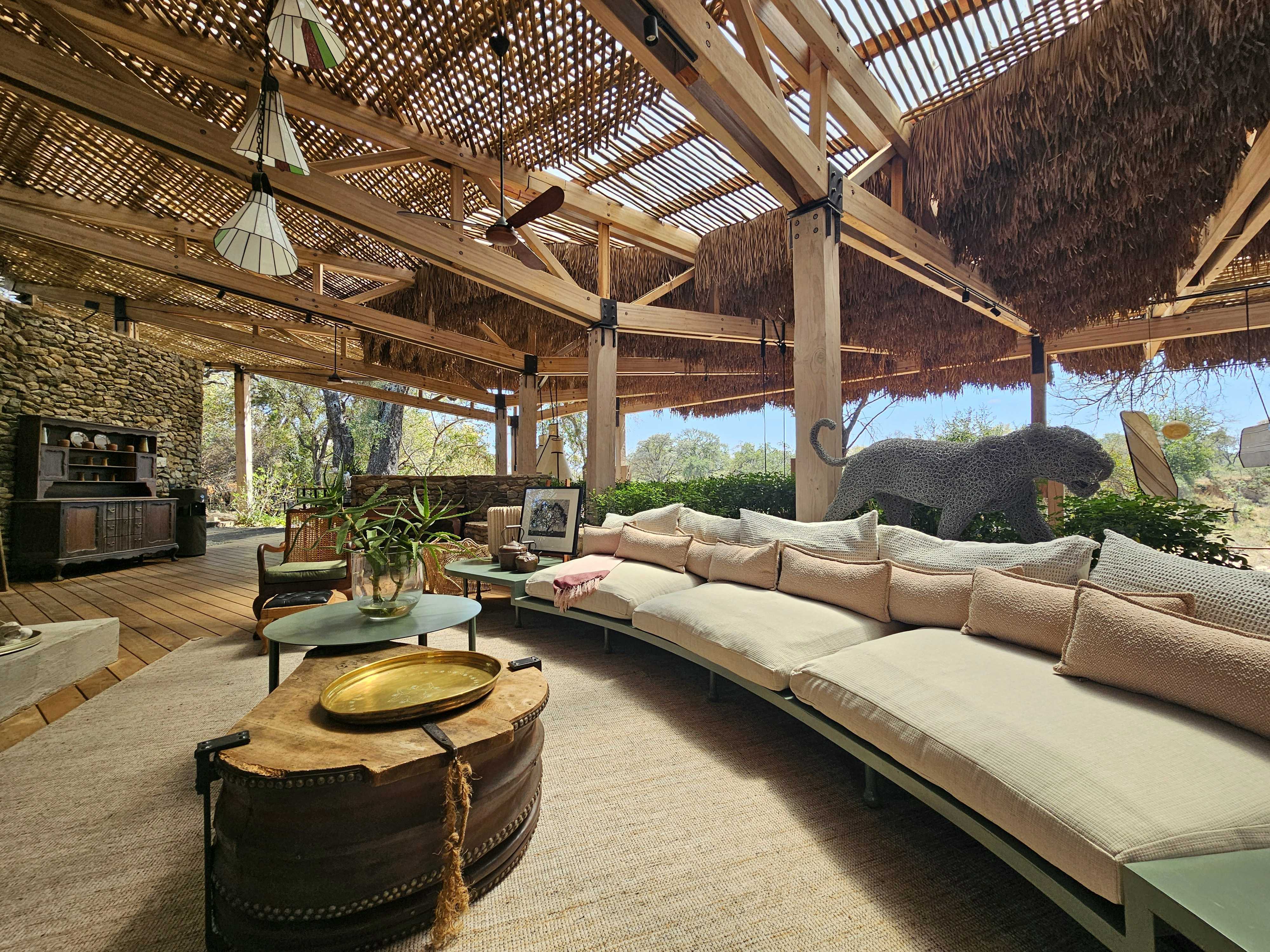
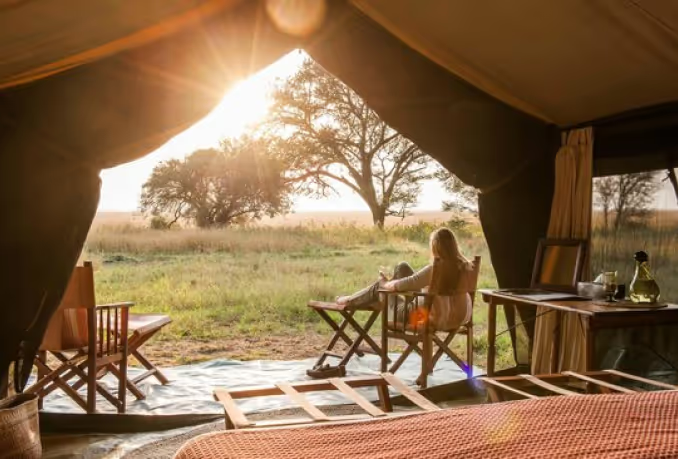
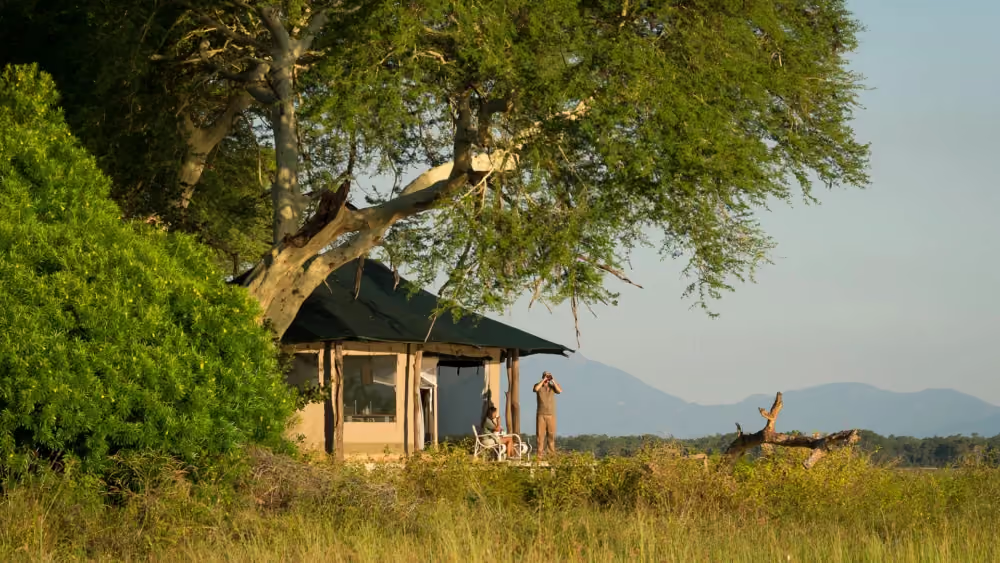
- Prefer intimate camps over large lodges
- Want to combine safari with beach-style relaxation
- Seek authenticity over spectacle
It’s not about ticking boxes. It’s about feeling present.
The Quiet Power of Malawi
Malawi doesn’t demand attention. It earns it.
In a world where safari can sometimes feel crowded or commercial, Malawi remains refreshingly grounded, defined by genuine hospitality, meaningful conservation and the simple pleasure of moving from wild bush to open water.
For those willing to look beyond the obvious, Malawi may just be Africa’s most rewarding surprise.
The BHS Perspective
At BHS, we see Malawi as one of Africa’s most intelligently designed journeys. It offers depth without distance, diversity without complication.
We favour Malawi for travellers who want to move beyond the expected, combining conservation-led safari in Majete and Liwonde with the restorative calm of Lake Malawi and Likoma Island. The logistics are seamless, the camps are intimate, and the experiences feel genuine rather than staged.
It’s a destination we recommend not because it shouts the loudest, but because it delivers something rarer: balance, authenticity and space to truly connect.
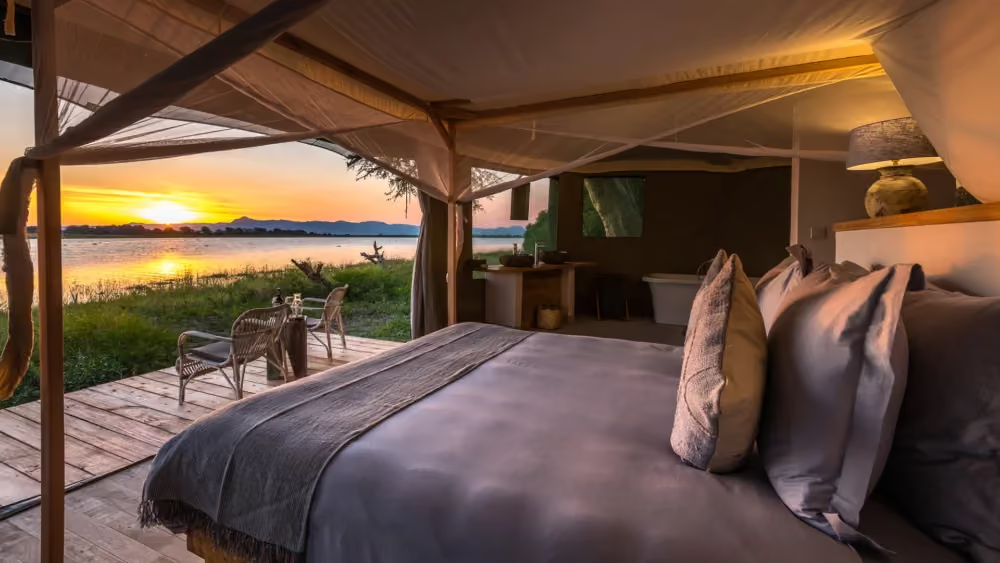
Plan Your Malawi Journey
Malawi is for travellers who value authenticity over spectacle. Those who want meaningful wildlife encounters by day and still, glassy lake horizons by sunset.
At BHS, we tailor each Malawi safari to the seasons, tracking big game in Majete and Liwonde during the dry months, drifting along the Shire River at golden hour, or unwinding on the shores of Lake Malawi and Likoma Island when the water is at its calmest.
Start planning your Malawi safari and lake escape today, and discover why this quietly captivating country remains one of Africa’s most rewarding secrets.
FAQS
Yes. Malawi is excellent for safari if you want something quieter, more personal, and less crowded than the classic safari circuit. You can experience conservation-led wildlife viewing in Majete Wildlife Reserve and Liwonde National Park, then slow down beside Lake Malawi.
Lake Malawi is known for its clear freshwater, sandy shores, traditional dhows and extraordinary cichlid fish diversity. It is ideal for snorkelling, kayaking, boat trips and relaxed lakeside stays after time on safari.
A well-paced Malawi safari and lake itinerary usually takes around 8 to 12 days. This gives you time for Majete, Liwonde, and Lake Malawi or Likoma Island without rushing between regions.
The best time to visit Malawi for safari is the dry season from May to October, when wildlife is easier to see around water sources and conditions are comfortable. Lake Malawi is beautiful year-round, with the green season bringing lush scenery and excellent birding.
Yes. A Malawi safari and Lake Malawi journey combines beautifully, moving from big game in Majete and river safaris in Liwonde to freshwater snorkelling, dhow cruises and quiet days on the lake. It is a gentle alternative to a traditional beach-and-bush safari.
Malawi is best for you if you want an authentic, low-impact African journey with intimate camps, meaningful conservation stories and time to unwind by the water. It works especially well for returning safari guests, honeymooners and travellers who prefer space over spectacle.