

Below the surface of the Seychelles’ famous turquoise water lies another world entirely.
This is not just a beach destination with pretty water. The Seychelles is home to one of the Indian Ocean’s most beautiful marine environments, where granite boulders drop beneath the surface, coral gardens shelter reef fish, turtles move through the shallows, and outer atolls offer the kind of wilderness diving serious ocean travellers dream about.
Whether you arrive with tanks and certification, or simply a mask, fins and a willingness to float, the Seychelles rewards every level of curiosity.
Snorkelling in the Seychelles
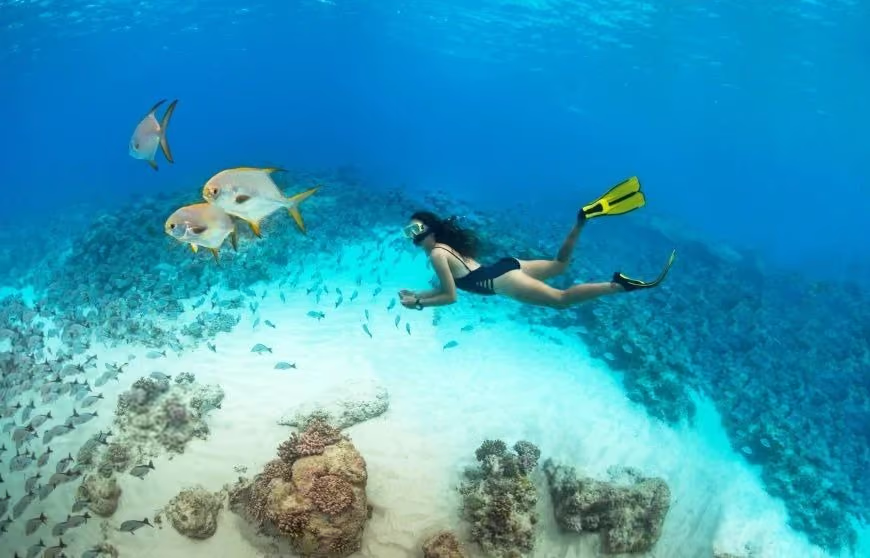
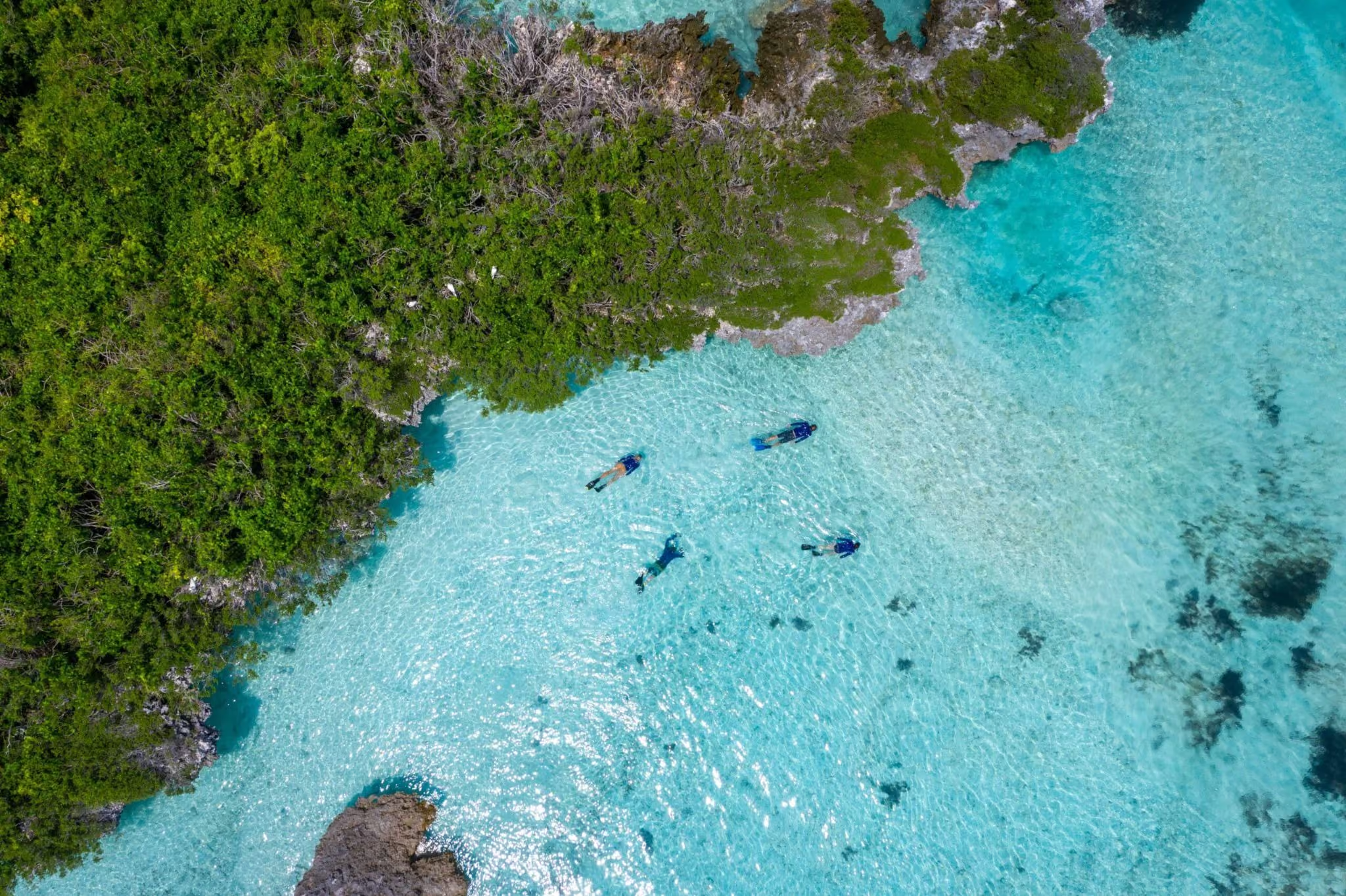
You do not need to be a diver to experience the marine life of the Seychelles. Some of the islands’ loveliest underwater encounters happen close to shore, in shallow, protected water where visibility can be excellent, and the reef begins almost at your feet.
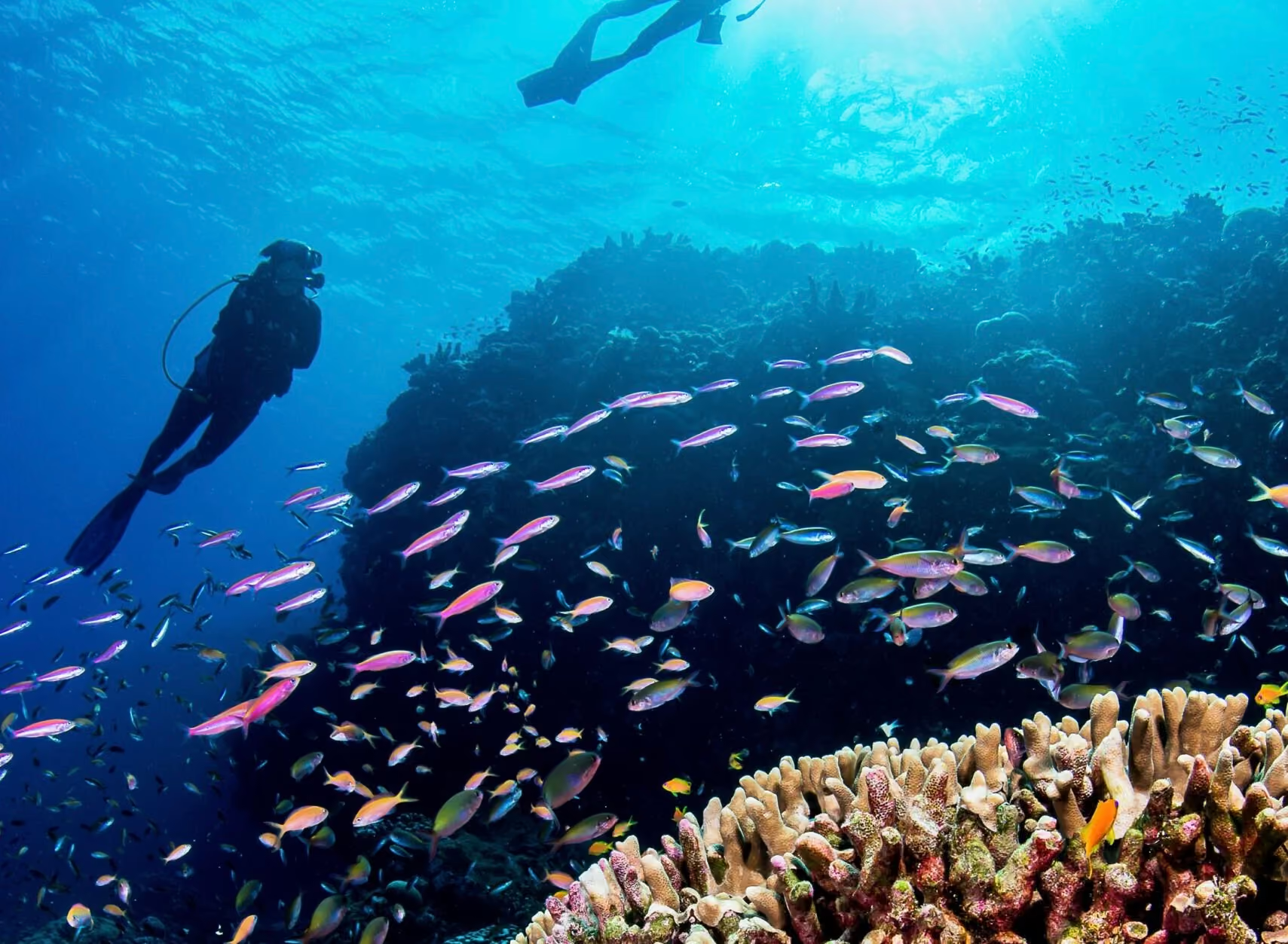
The granite Inner Islands create a distinctive underwater landscape. Boulders the size of houses form arches, tunnels and swim-throughs, softened by coral, sea fans and clouds of small fish. Around La Digue, Praslin and Mahé’s west coast, many reef areas are accessible from the beach with little more than a mask and fins.
Anse Source d’Argent, the Seychelles’ most famous beach, is also a wonderful snorkelling spot. Its calm, sheltered lagoon is ideal for beginners and children, with shallow water, beautiful granite formations and enough marine life to make even a short swim feel memorable.
For families, honeymooners and first-time snorkellers, this is part of the appeal: the Seychelles makes the underwater world feel close, easy and wonderfully unforced.
Best Dive Sites in the Seychelles
For certified divers, the Seychelles offers a strong mix of granite reef dives, deeper offshore sites, current-swept seamounts and remote Outer Island expeditions.
Shark Bank, Mahé
Shark Bank lies off the west coast of Mahé and is one of the Seychelles’ best-known advanced dive sites. Set around a granite plateau at roughly 30 metres, it is a blue-water dive with open-ocean energy, stronger currents and the possibility of exceptional marine encounters.
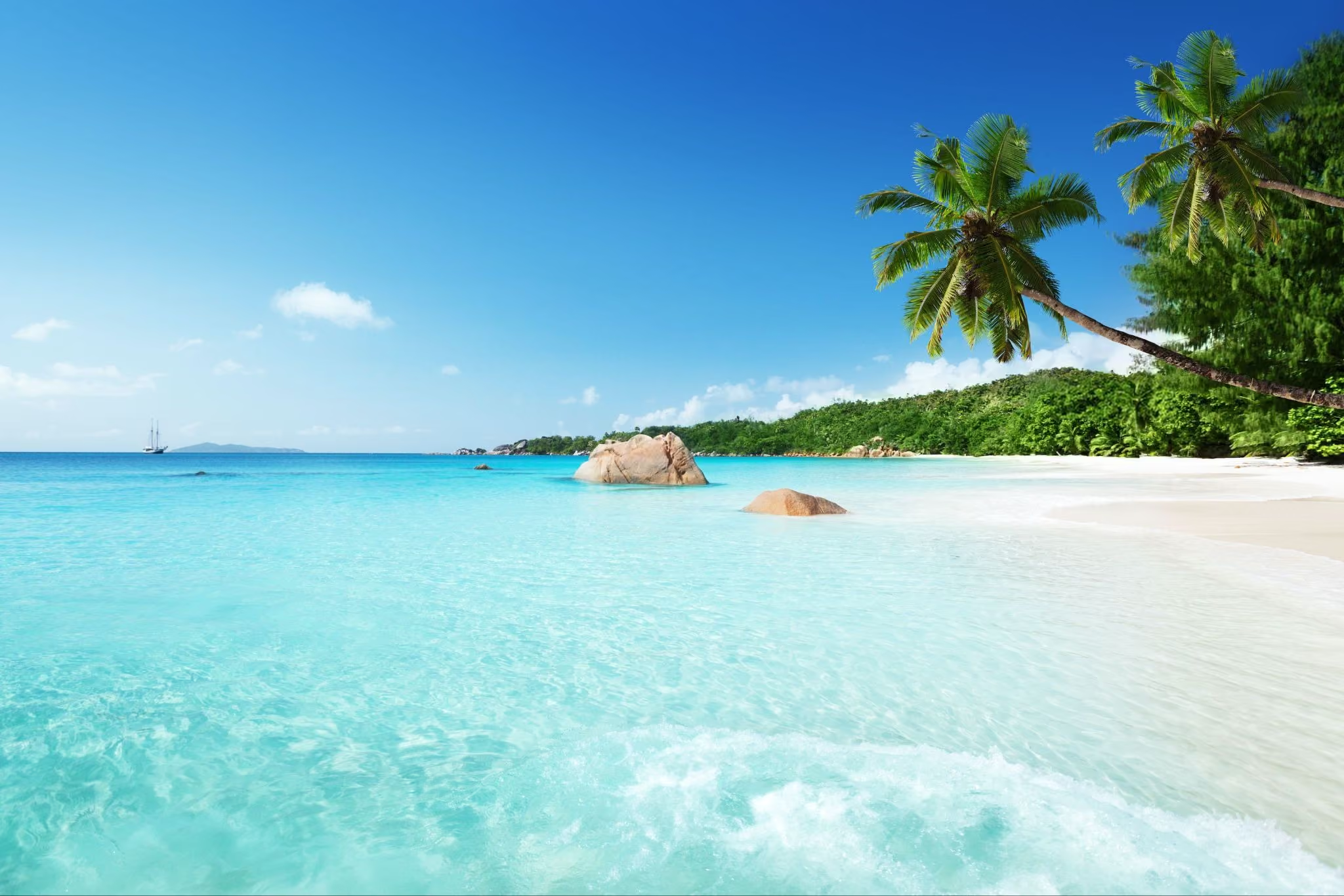
Between April and October, schooling hammerhead sharks may be seen here, along with giant trevally and eagle rays. This is a site for confident divers, but for those with the right experience, it can be one of the standout dives of a Seychelles journey.
Ave Maria Rocks, Praslin
Ave Maria Rocks offers a beautiful granite-boulder dive at moderate depth, generally around 12 to 20 metres. The underwater formations are covered in soft corals and attract a dense variety of reef fish.
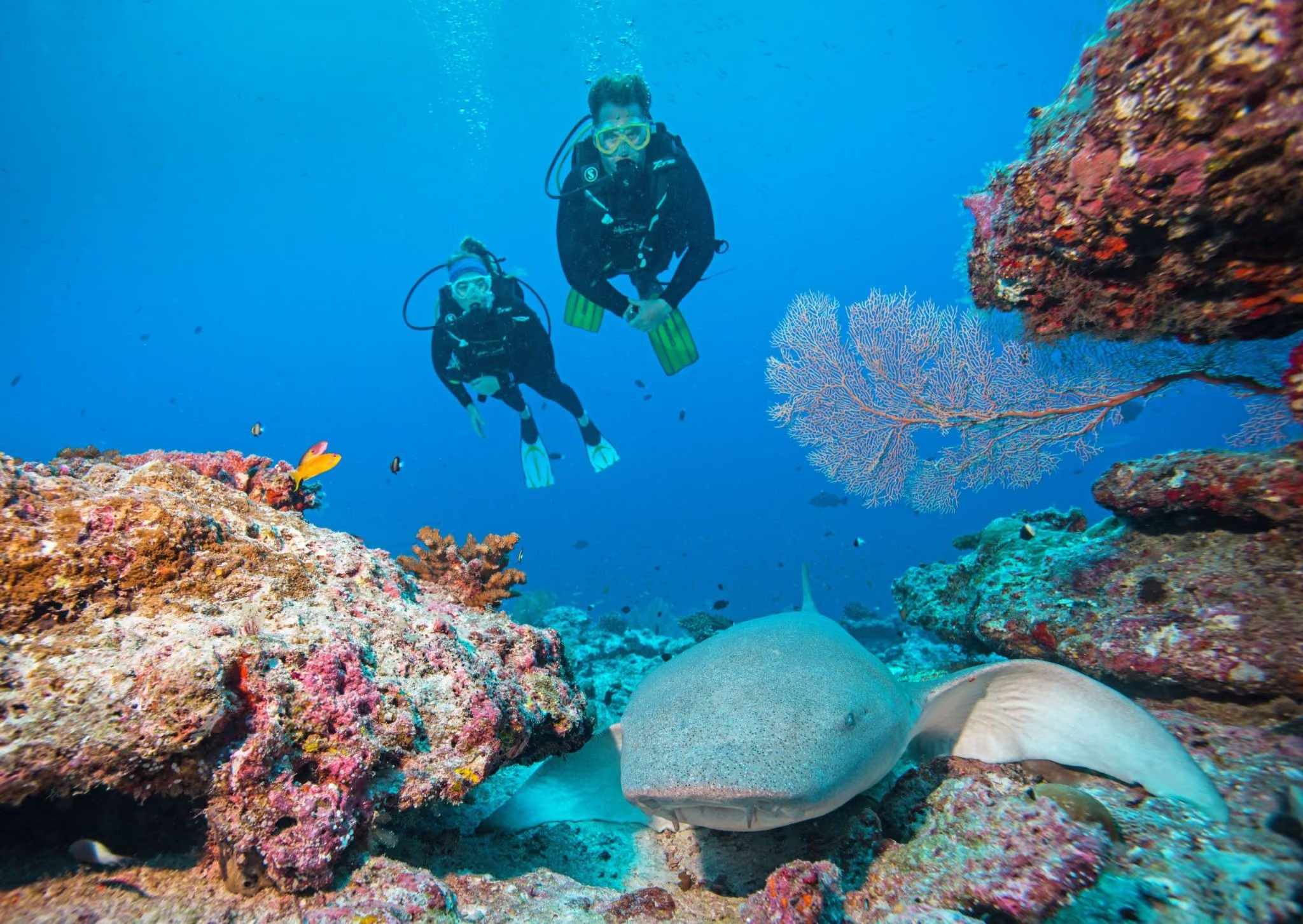
Hawksbill turtles are often a highlight, while nurse sharks may be found resting beneath ledges. Because of its moderate depth, Ave Maria Rocks can be a good choice for recently certified divers, depending on conditions and guide advice.
Brissare Rocks, Mahé
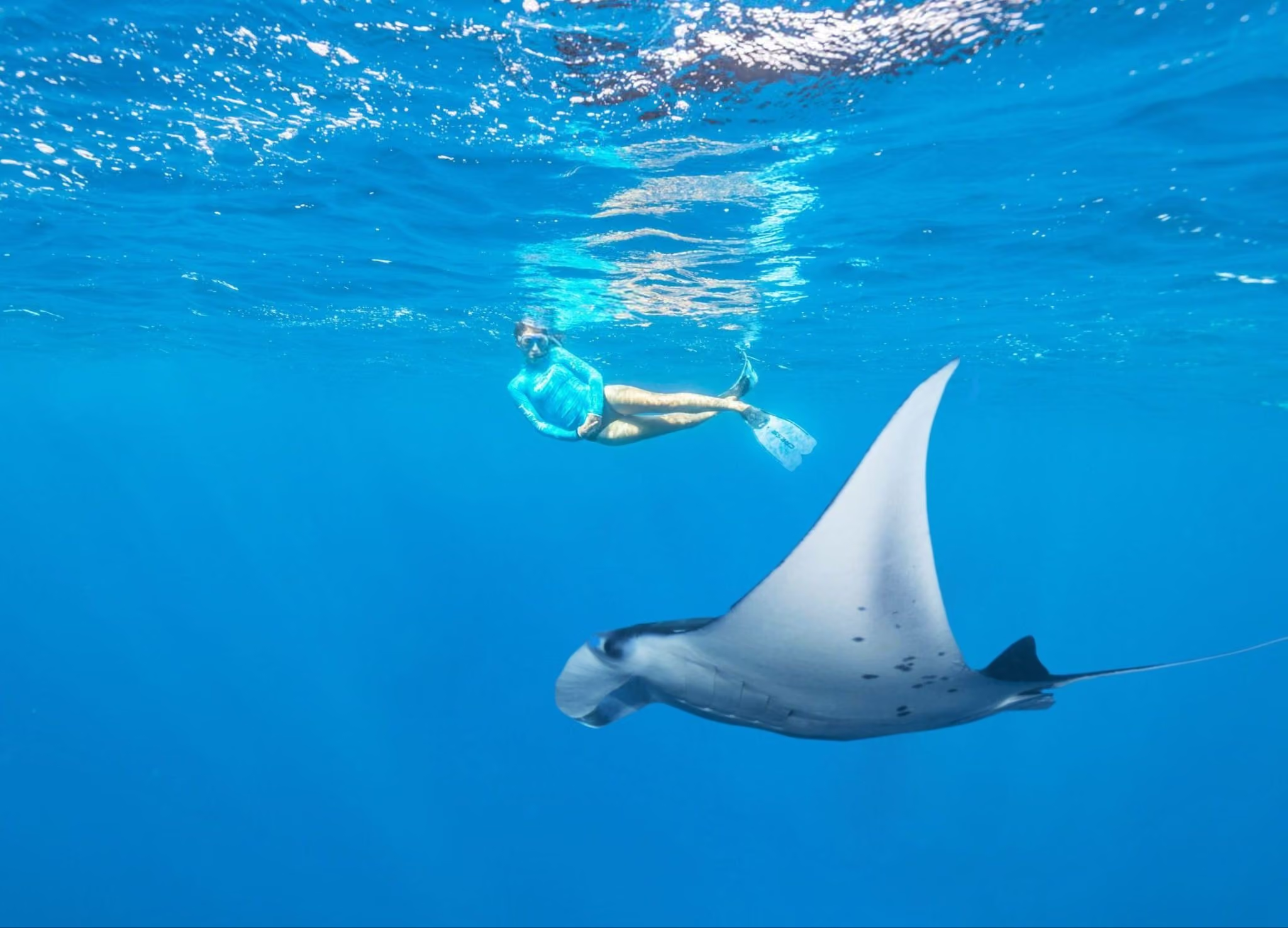
Brissare Rocks is one of the Seychelles’ most celebrated dive sites. This current-swept granite seamount is known for walls of orange and yellow soft coral, pelagic movement and the feeling of being connected to the wider ocean system.
Manta rays may pass through, and the site can have the bigger, wilder energy that more experienced divers often look for. It is a beautiful reminder that the Seychelles is not only about gentle lagoons, but also about marine life on a grander scale.
Alphonse Island, Outer Islands
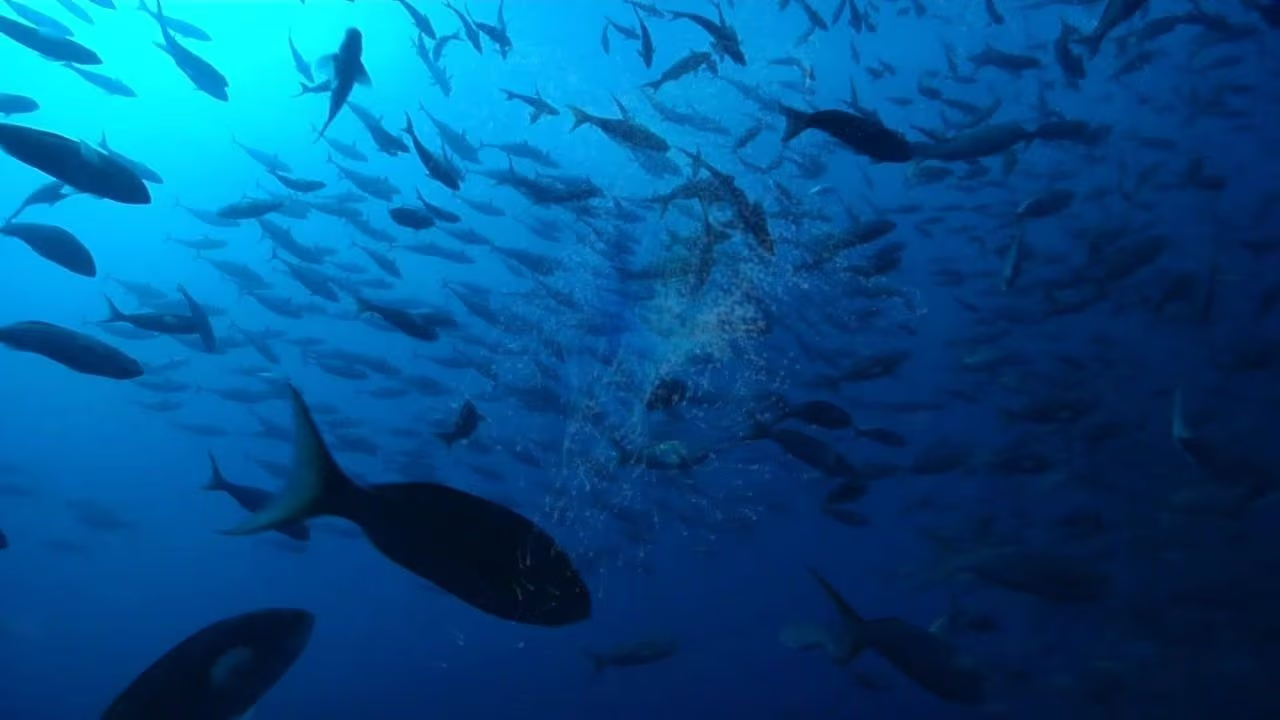
Guests staying at Alphonse Island Lodge have access to one of the Seychelles’ most pristine Outer Island marine environments. From here, Blue Safari Seychelles offers guided ocean experiences, including snorkelling and diving over thriving coral reefs, as well as world-class fly fishing in some of the Indian Ocean’s most untouched waters.
Beyond the reef, days can include kayaking, paddleboarding, guided nature walks, birdwatching and conservation experiences with the Island Conservation Society, including turtle patrols and seasonal eco-initiatives. For a slower pace, yoga, sunset cruises and private beach dining bring a softer rhythm to this remote island escape.
Marine Turtles in the Seychelles
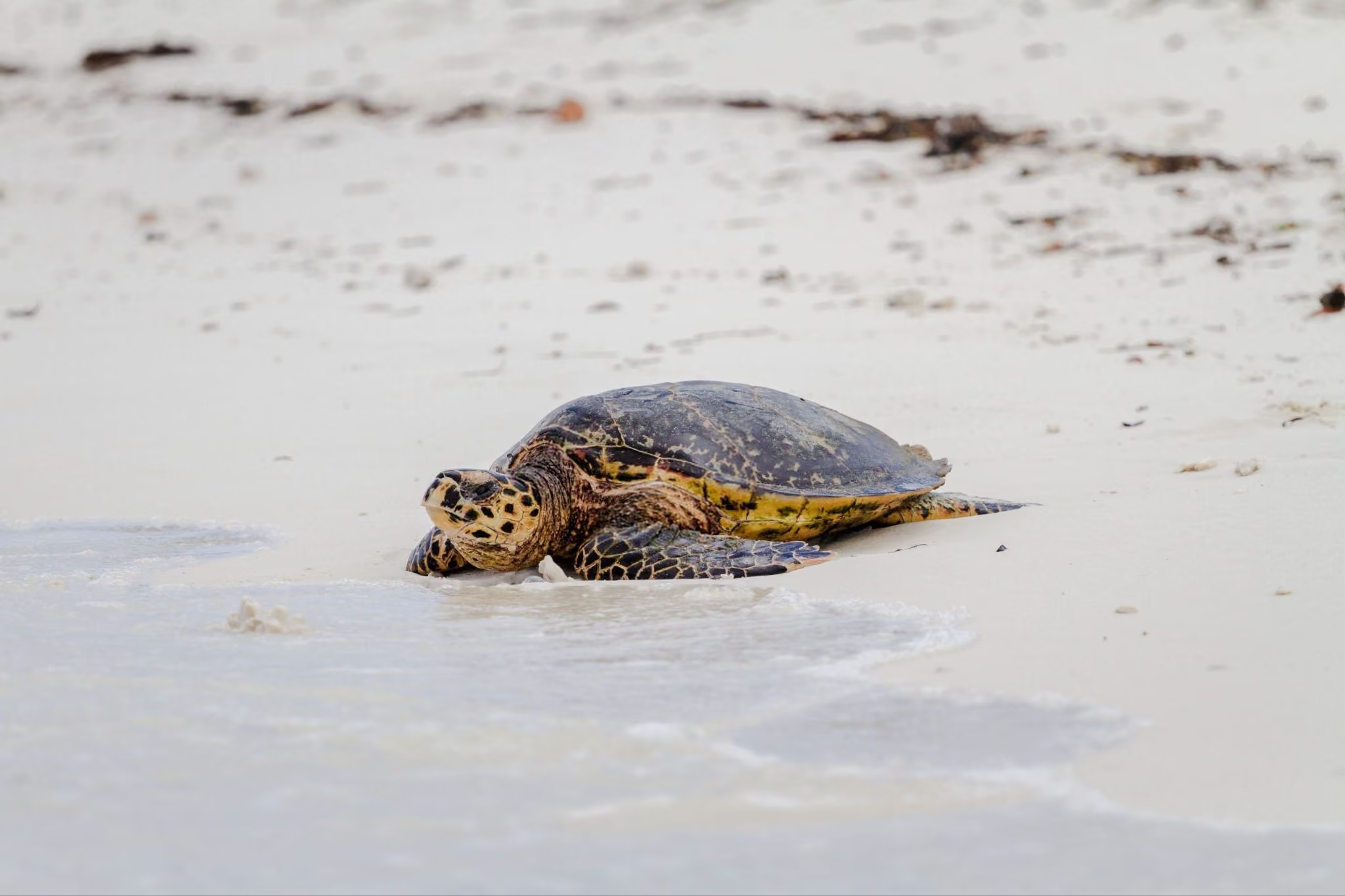
Marine turtles are one of the great joys of the Seychelles.
Both hawksbill and green turtles nest on Seychelles beaches and are present year-round in the waters around the Inner Islands. Snorkelling encounters can be wonderfully calm: a turtle moving slowly through clear water, grazing, surfacing, then slipping away again with complete ease.
For many travellers, this becomes one of the most memorable moments of the trip. It is quiet, unshowy and deeply moving.
Bird Island is especially known for its turtle research programme, and guests may be able to observe nesting or hatching during the right season.
Whale Sharks in the Seychelles
The Seychelles sits on a whale shark migration route, and encounters are possible, particularly around St Anne Marine Park off Mahé, between October and February.
Swimming near a whale shark is one of the great ocean experiences: a vast, gentle filter feeder moving slowly through blue water, completely at ease in its own scale. As with all wildlife encounters, sightings cannot be guaranteed, but the possibility adds real excitement to a marine-focused Seychelles itinerary.
Liveaboard Diving in the Outer Islands
For serious divers, the Outer Islands represent the pinnacle of Seychelles diving.
Remote atolls such as Aldabra, Cosmoledo and Farquhar support reef systems that see very few human visitors. These are places of grouper, shark, manta ray, open water, big skies and reef wilderness on a scale that feels increasingly rare.
A liveaboard expedition here is not for every traveller. It is more remote, more specialist and more dependent on conditions. But for experienced divers who want the most extraordinary version of the Seychelles underwater world, the Outer Islands are the dream.
When to Dive and Snorkel in the Seychelles
The Seychelles can offer rewarding marine experiences throughout the year, but conditions vary by season, coast and island.
- April to May: Often one of the calmest periods, with settled seas and excellent conditions for snorkelling, diving and island-hopping.
- May to September: The north-west trade wind season can bring calmer seas to the east coasts of Mahé and Praslin, depending on local conditions.
- October to November: Another excellent calm-season window, often ideal for visibility, snorkelling, diving and sailing.
- October to February: Whale shark encounters are possible during this period, particularly around St Anne Marine Park off Mahé.
- October to April: The south-east monsoon generally brings calmer water to western coasts, while some eastern beaches may be rougher.
- Year-round: Turtles may be seen in the water throughout the year, with nesting and hatching experiences depending on island and season.
Planning Your Seychelles Island Escape
A Seychelles marine journey can be shaped around your pace, from gentle snorkelling off Mahé, Praslin and La Digue to deeper dive sites and remote Outer Island reefs.
It also pairs beautifully after safari, giving you warm water, quiet days and space to let the journey settle.
Contact the BHS team to start planning your Seychelles island escape.
FAQS
Yes. The Seychelles is excellent for snorkelling, especially around Mahé, Praslin and La Digue. Many shallow reef areas are accessible from the beach, making it a strong choice if you are a beginner, travelling as a family, or simply want easy access to calm, clear water.
No. You do not need a diving certification to experience the reefs in the Seychelles. Snorkelling is widely accessible in sheltered lagoons and shallow reef areas, while certified divers can explore deeper and more advanced dive sites.
Some of the best accessible snorkelling in the Seychelles is found around La Digue, Praslin and Mahé’s west coast. Anse Source d’Argent is especially popular for its calm lagoon, granite formations and beginner-friendly conditions.
The best time to dive in the Seychelles is often April to May and October to November, when conditions are usually calmer and more settled. Whale shark encounters are possible between October and February, particularly around St Anne Marine Park off Mahé.
Yes. Hawksbill and green turtles are present around the Seychelles, and snorkelling encounters are possible year-round. Some islands, including Bird Island, are also known for turtle nesting and research programmes.
Yes, especially if you are an experienced diver. The Outer Islands, including Aldabra, Cosmoledo, Farquhar and Coëtivy, offer remote reef systems, larger marine life and a more expeditionary style of diving.