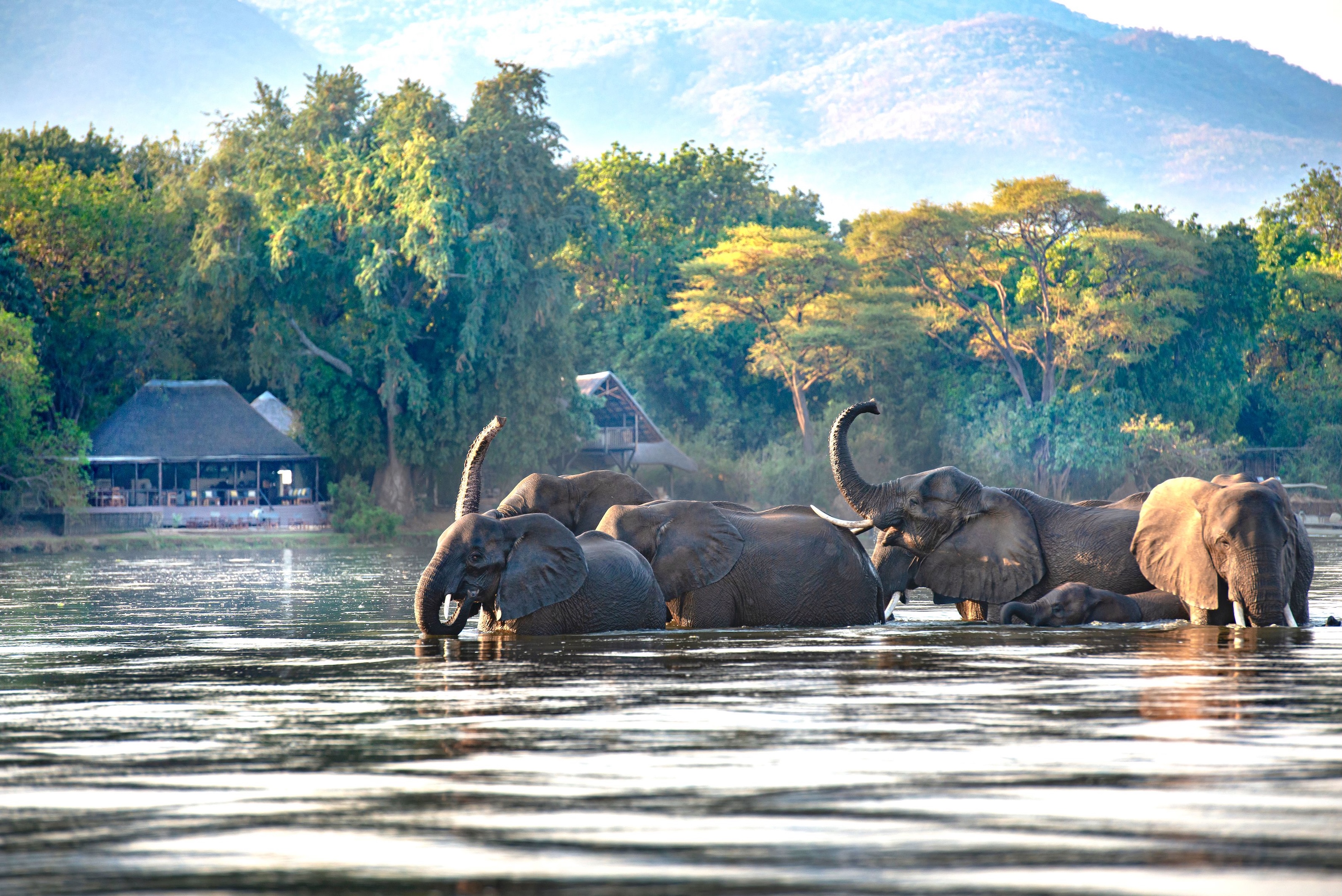
In South Luangwa, your guide stops beside fresh tracks, and suddenly everyone pays attention. In Lower Zambezi, an elephant walks down to the riverbank, giving you every reason to put your paddle down and watch. These are the moments you start imagining when planning a Zambia safari. But which park should you choose?
South Luangwa is particularly rewarding for walking safaris and leopard viewing. Lower Zambezi offers a wonderful mix of game drives, boating and canoeing. Both give you plenty to look forward to, and the right choice depends on what you would love to spend your days doing.
“Walking safaris in Zambia are where everything slows down and sharpens.”- Brett Horley, BHS Safari Co
Here is what makes each park special, who it suits, and why you might want to make time for both.
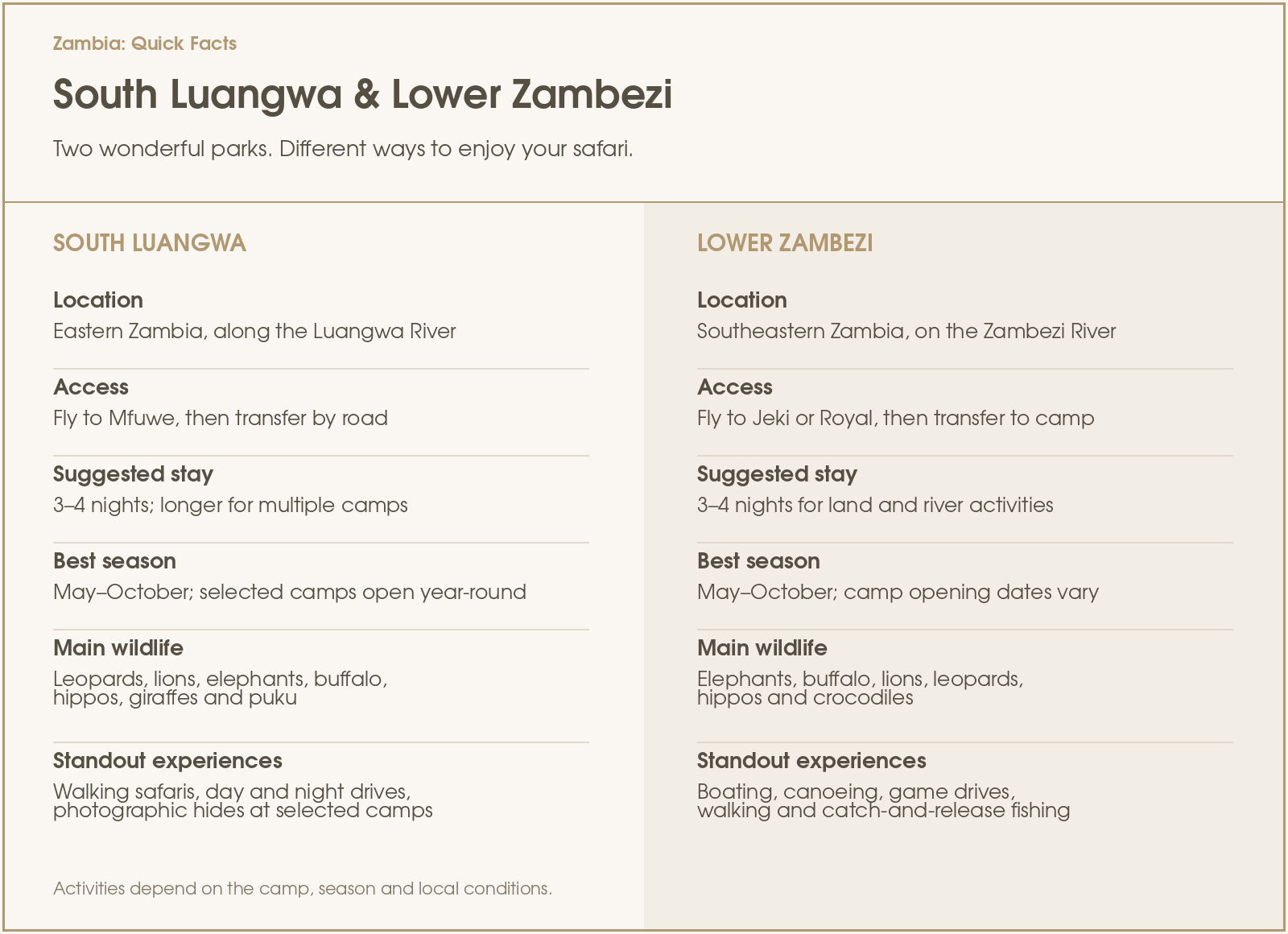
Zambia: Quick Facts
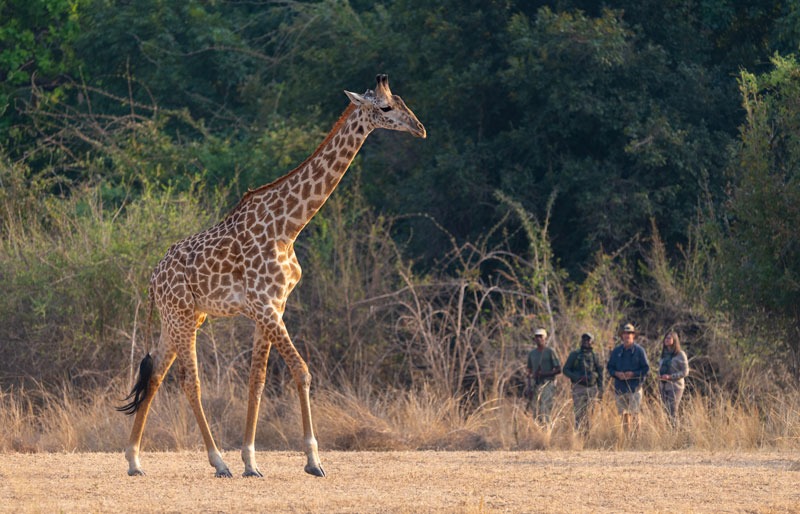
What makes South Luangwa special?
South Luangwa is a place for curious safari travellers. You might set out hoping to see a leopard and come back equally delighted by a giraffe, a bird your guide helped you identify, or the tracks left outside camp overnight.
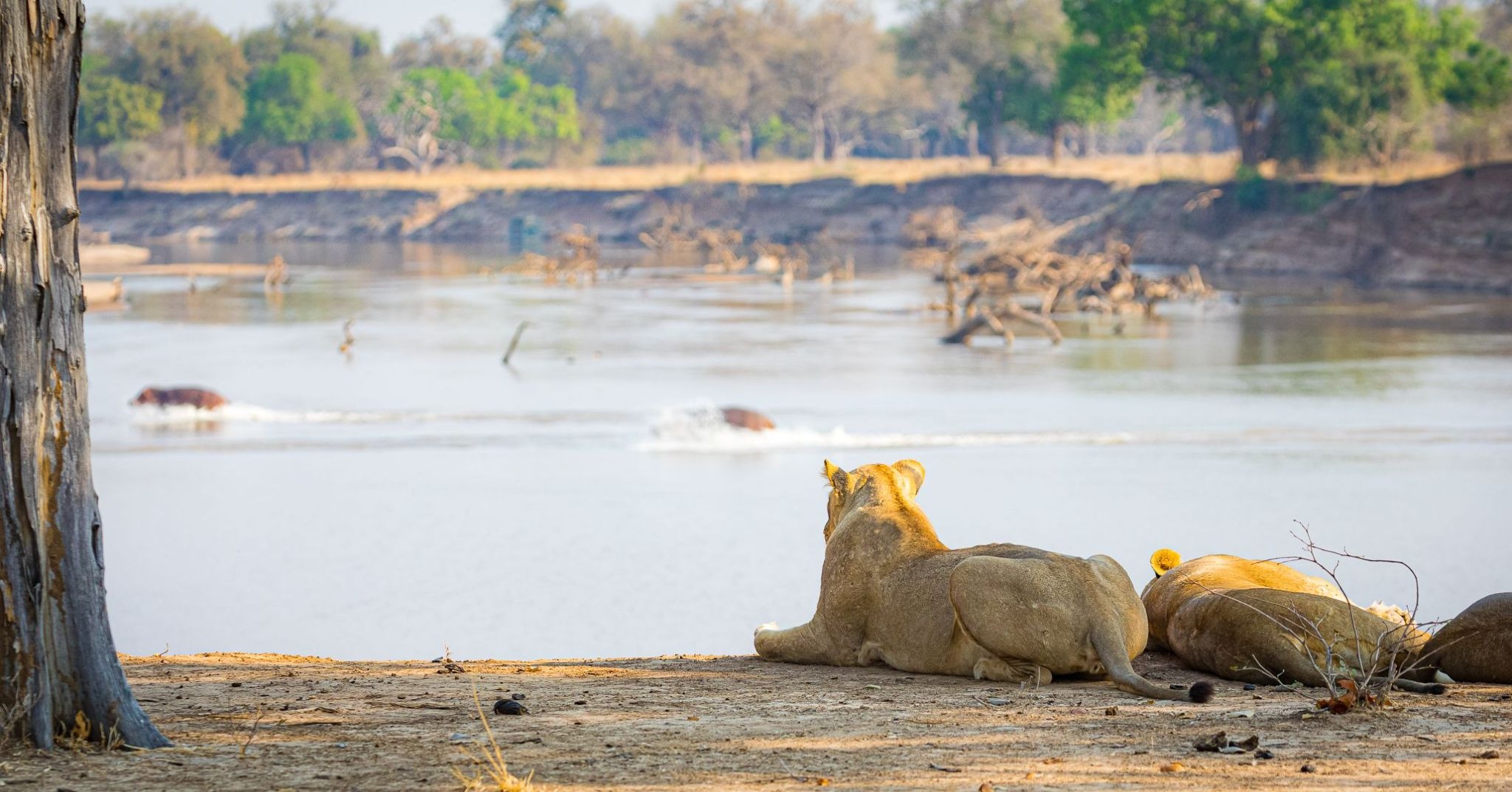
The Luangwa River winds through woodland, lagoons and open plains, supporting a wide variety of wildlife. Walking has long been part of safari life here. Exploring on foot gives you time to notice the smaller details, with your guide explaining what you are seeing along the way.
Game drives are just as rewarding. South Luangwa is well known for leopard viewing, and drives that continue after sunset offer opportunities to look for nocturnal wildlife. You do not need to be a keen walker to enjoy a stay here.
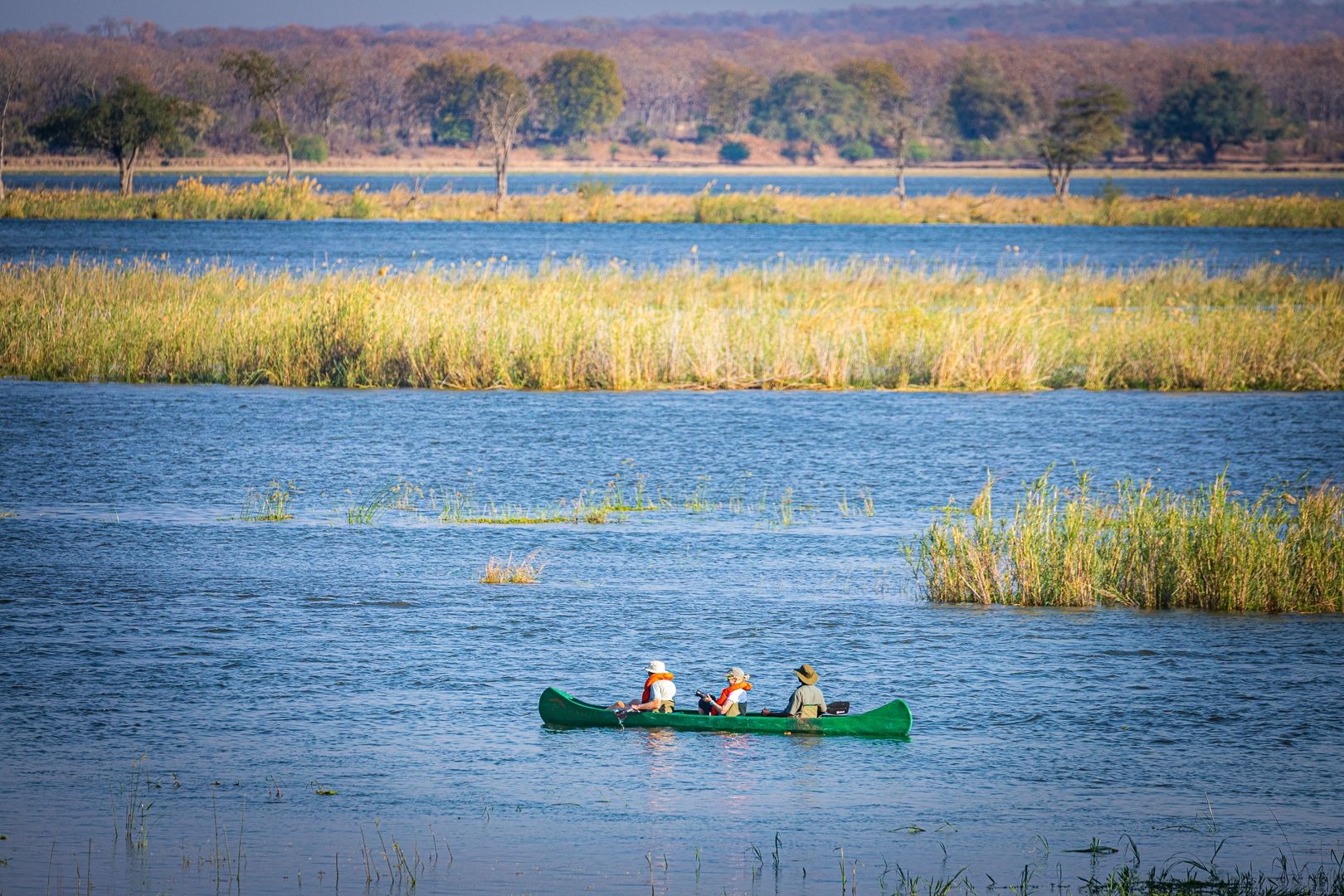
What makes Lower Zambezi special?
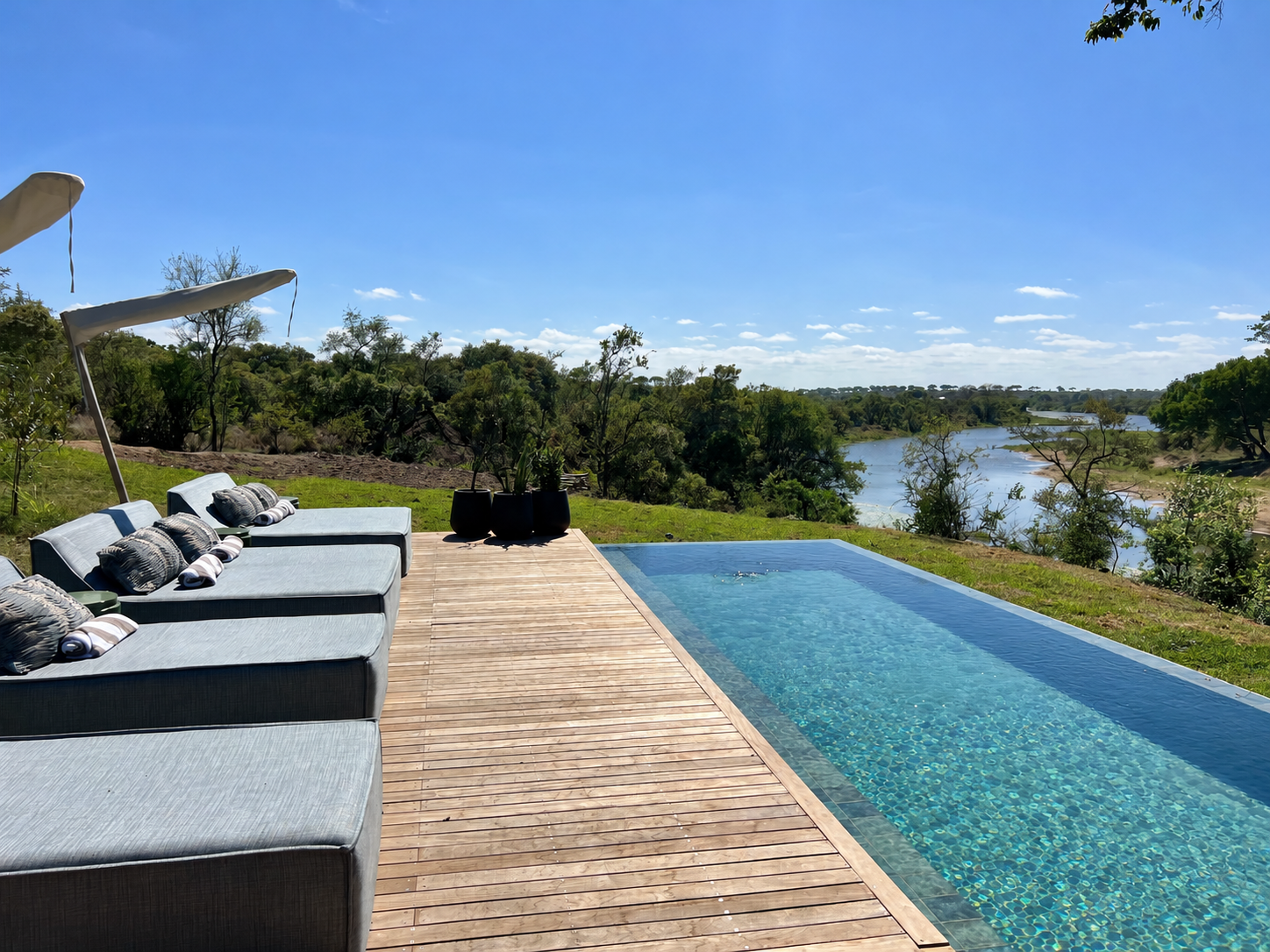
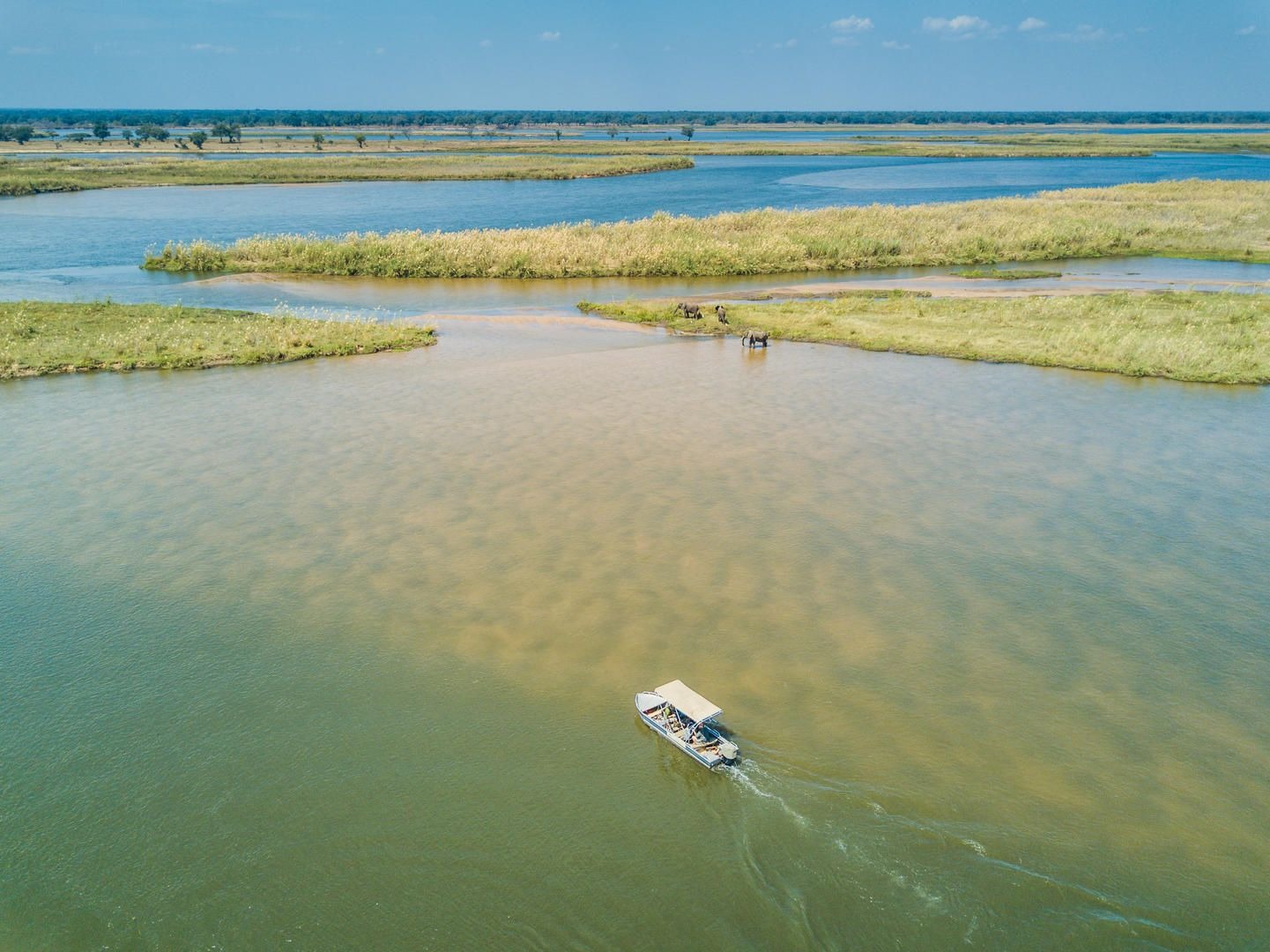
The river is a lovely part of everyday life in Lower Zambezi. Hippos call from the water, elephants visit the banks, and there is often something to watch while you sit with your morning coffee.
With the escarpment behind you and the Zambezi stretching ahead, the setting is quite different from South Luangwa. So is the choice of activities. You can head out on a game drive, explore with a walking guide or spend an afternoon on the water. Boats and guided canoe outings offer another perspective on the wildlife along the riverbanks.
For travellers who enjoy variety, that is a real draw. There is room for busy mornings, quieter afternoons and time simply enjoying where you are.
Wildlife and experiences: what can you expect?
Both parks offer opportunities to see elephants, lions, leopards, buffalo and hippos. South Luangwa also brings giraffes and puku into the picture, while Lower Zambezi’s appeal includes watching wildlife from the water.
In South Luangwa, build your days around game drives, guided walks and, at selected camps, time in a photographic hide. Walking is about tracks, plants, birds and understanding animal behaviour, with your guide deciding how to approach any wildlife encountered.
In Lower Zambezi, combine drives and walks with boating, canoeing or catch-and-release fishing where offered. You can enjoy the river without canoeing, so there is no need to choose an activity you are uncomfortable with.
During the dry season, wildlife gathers around remaining water and vegetation becomes thinner. Greener months bring different scenery and seasonal birdlife, but also more limited access in some areas. Sightings are never guaranteed in either park.
When is the best time to visit?
May to October is a good starting point for a trip combining both parks. Your preferred activities and tolerance for heat help narrow it down.
- January-March: Green landscapes and seasonal birdlife in South Luangwa, with selected camps open. Many seasonal Lower Zambezi camps are closed.
- April-May: Camps begin reopening as the rains ease. Expect greener scenery, with access and activities varying by location.
- June-July: Cooler mornings and increasingly dry conditions make this an appealing period for walking and game drives.
- August-September: Wildlife becomes more concentrated around water. Temperatures rise, and popular camps benefit from advance booking.
- October: Rewarding wildlife viewing, but very hot afternoons. Consider the heat carefully if walking is a priority.
- November-December: Rains return and many seasonal camps close. Selected properties remain open, so check availability and activities for your dates.
Where should you stay?
South Luangwa
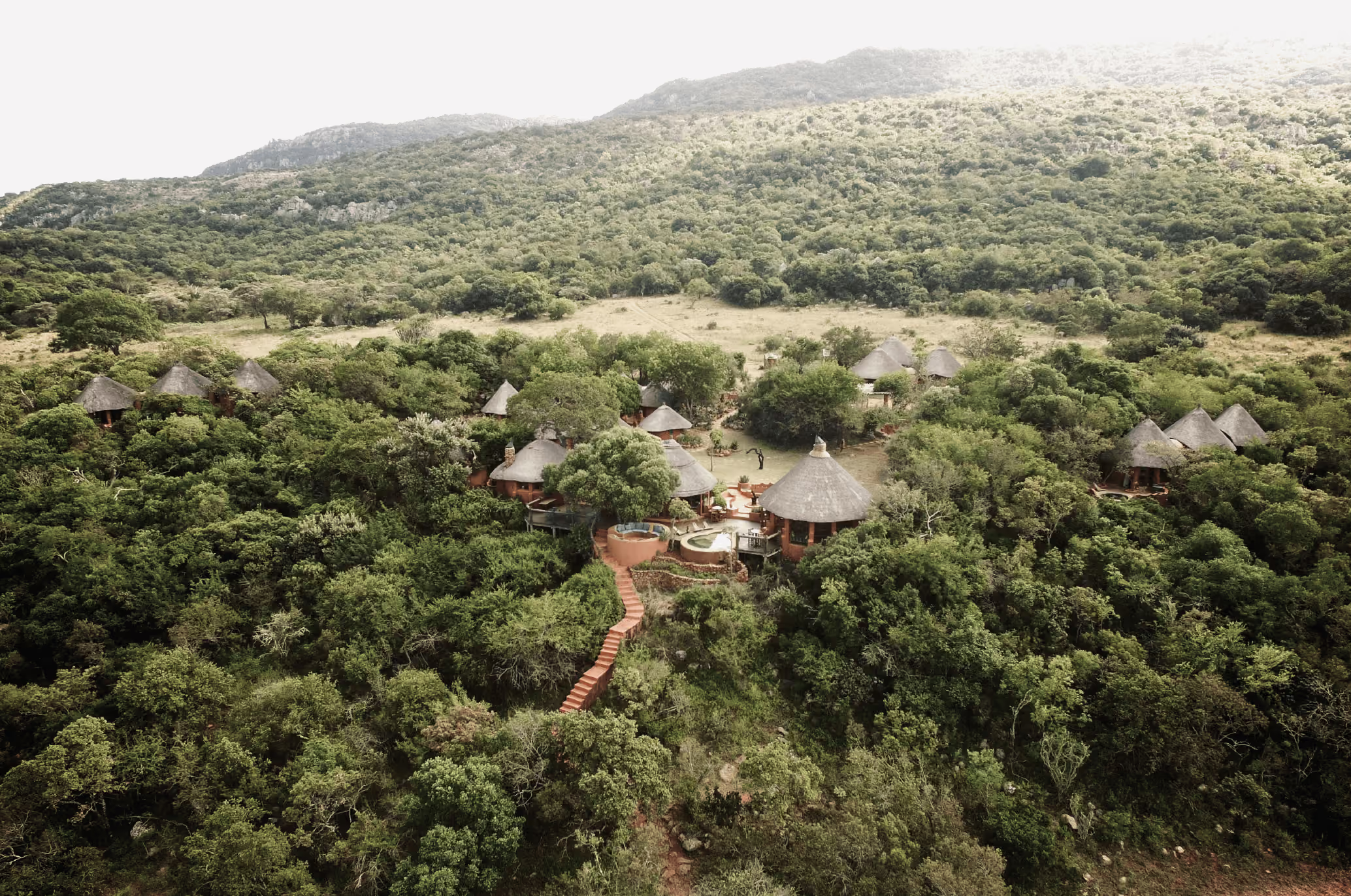
Choose between a comfortable lodge base and smaller seasonal bush camps, some with a stronger walking focus. Location and guiding matter as much as the room.
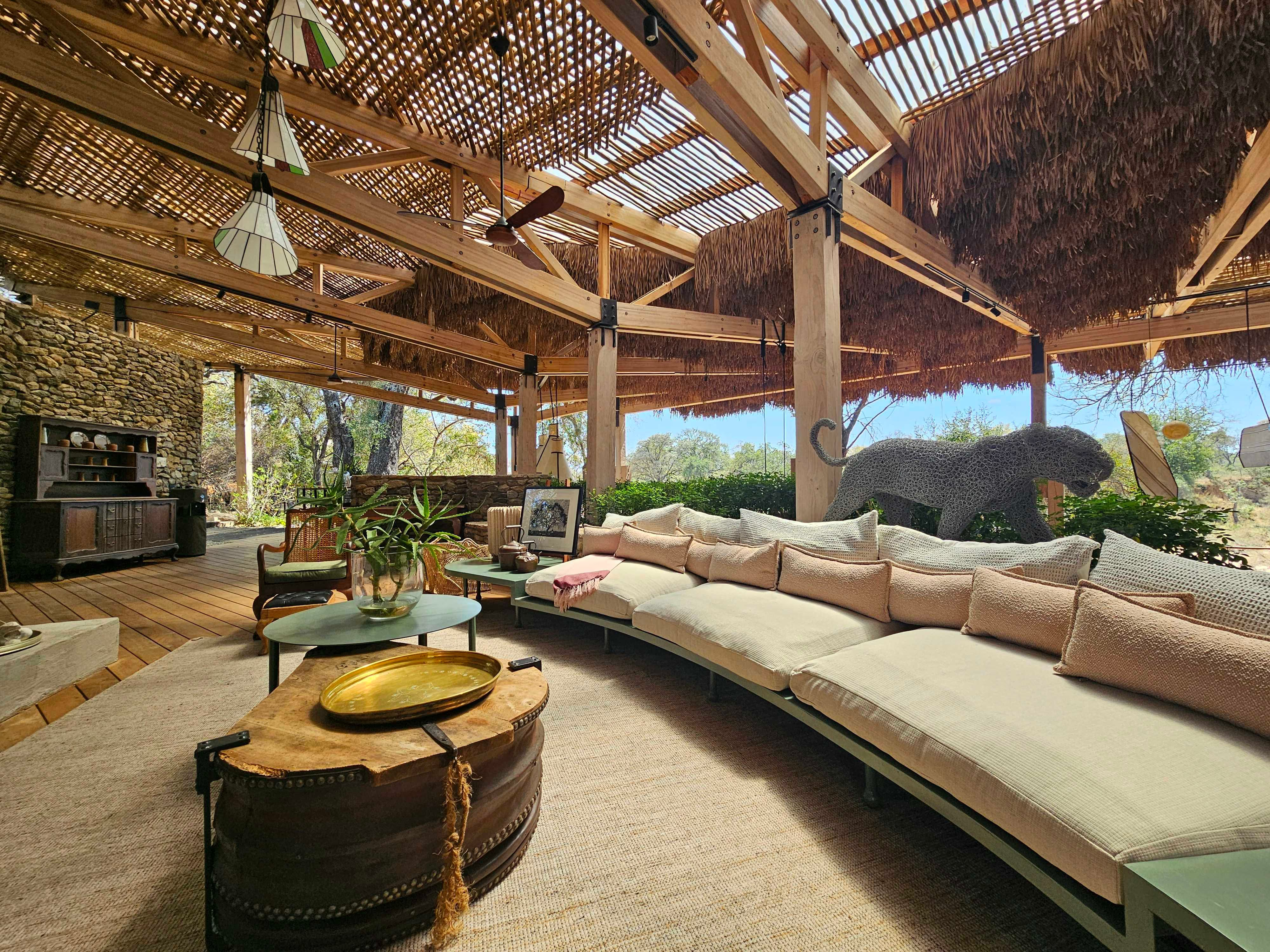
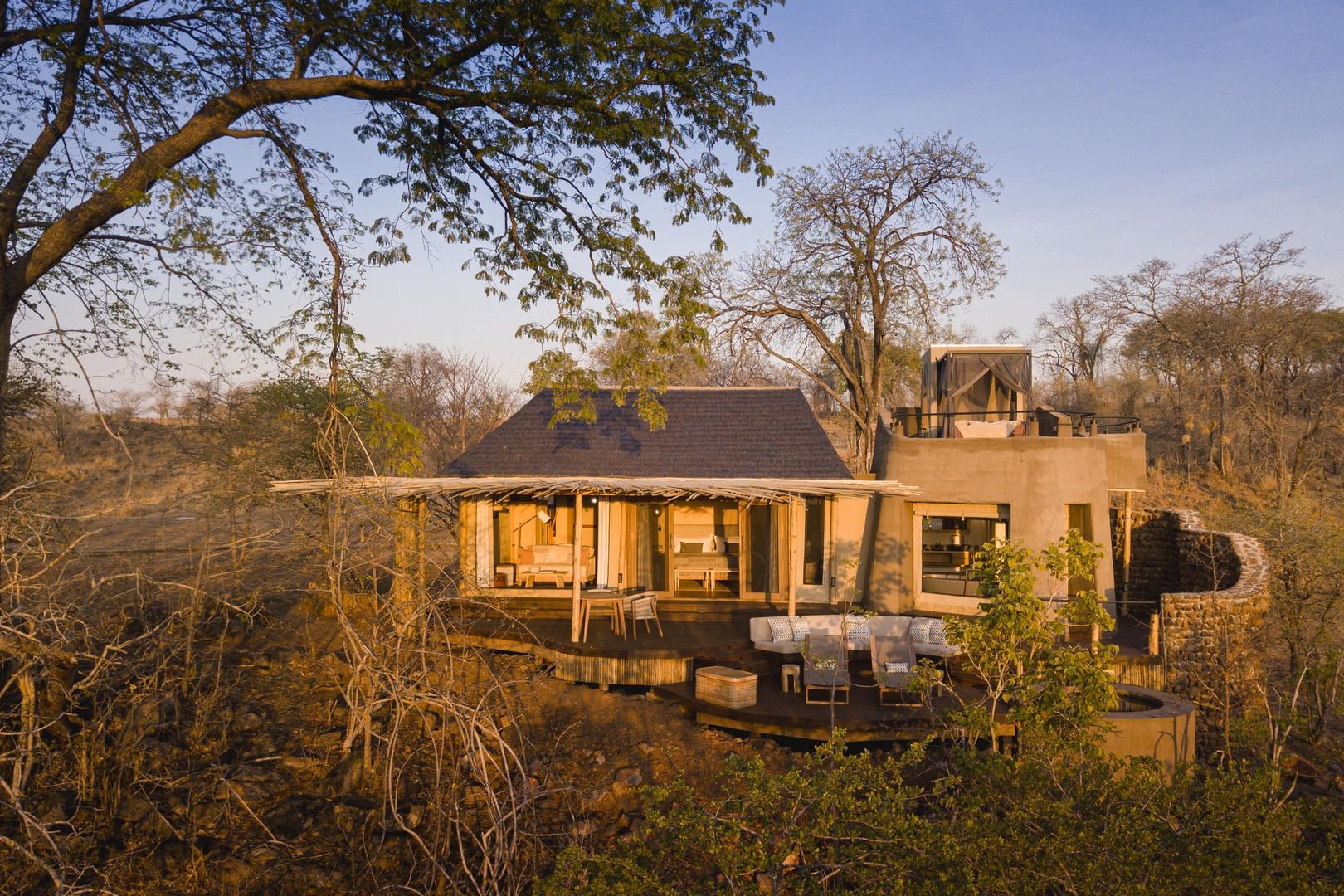
Puku Ridge, featured in our Zambia itinerary, overlooks a floodplain and waterhole, with a photographic hide and comfortable accommodation for time between outings. It is worth considering if you enjoy wildlife watching alongside a few extra comforts.
Lower Zambezi
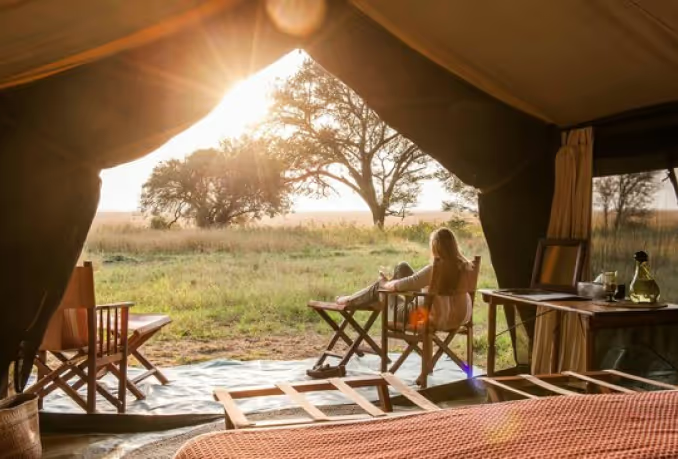
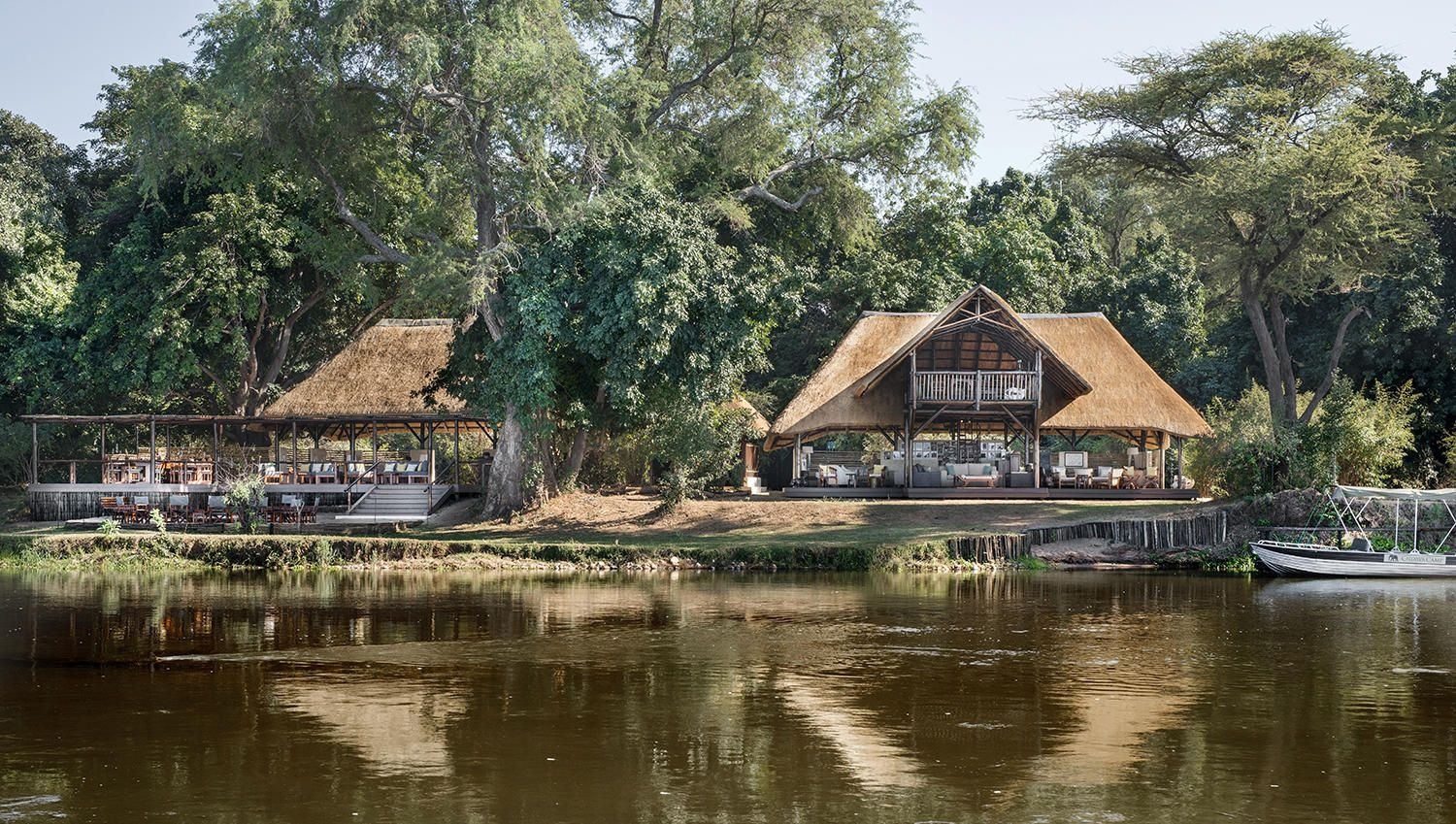
Look at the camp’s river setting, access to game-viewing areas and range of activities. Chiawa Camp, also featured in our itinerary, combines a riverside base with game drives, walks and water activities, making it a lovely option for enjoying the different sides of Lower Zambezi.
How do you get there?
Most fly-in itineraries connect through Lusaka. For South Luangwa, fly to Mfuwe and continue by road to camp. For Lower Zambezi, fly to Jeki or Royal airstrip, with a vehicle or boat transfer arranged from there.
Seasonal flights can link the two parks, although some journeys route through Lusaka. Camp locations and flight schedules help determine the best order for your trip.
Which park would suit you best?
- First-time safari travellers: Both work well. Choose South Luangwa for a strong focus on game drives and walking, or Lower Zambezi for a wider mix of land and water activities.
- Walking enthusiasts: Start with South Luangwa and select camps that make walking a priority.
- Photographers: Consider South Luangwa for leopard viewing and selected hides; Lower Zambezi for river scenes and opportunities to photograph from boats.
- Families: Let the children’s ages and interests guide the choice. Camp policies and restrictions on walking and canoeing need checking.
- Returning safari travellers: Lower Zambezi’s river activities or South Luangwa’s smaller walking camps can add something different to your next trip.
The BHS perspective
We would start with what you are most looking forward to, then choose the camps and guides to match. Leave enough time to enjoy each place, including the unexpected moments that can become your favourite memories.
After quietly watching elephants feed during a walking safari in Zambia, Jo shared:
“Moments like that remind you: this is their world, and we’re just visitors.” - Jo Cooper, BHS Safari Guide
Fancy joining us in Zambia? Our 2027 Zambia: Predators, Plains & the Zambezi expedition brings together Lower Zambezi and Kafue’s Busanga Plains, with Jo Cooper guiding you along the way. We would love to have you join us.
Still getting to know the country? Our journal, Zambia: Africa’s Wildly Underrated Safari Secret, shares more of what we love about travelling here, from exploring on foot to time on the Zambezi and a visit to Victoria Falls.
Let’s plan your Zambia safari
Still drawn to both? That is a good place to start. Tell us what you would love to see, who is coming along, and how much time you have.
We would love to help you choose the right camps and put together a Zambia safari with time to settle in and enjoy each place.
Get in touch with BHS to start planning.
FAQS
Both are rewarding choices. South Luangwa suits travellers especially interested in wildlife drives and walking. Lower Zambezi is appealing if you would like river activities alongside your game drives.
South Luangwa is particularly well known for leopards and is a strong choice if they are high on your wish list. Lower Zambezi also offers leopard sightings, although neither park can guarantee an encounter.
Yes, selected camps in both offer guided walking safaris. South Luangwa is particularly suited to a walking-focused itinerary. Availability depends on the camp, season, conditions, and participants’ ages and abilities.
Six to eight nights, divided between the parks, is a useful starting point. Allow additional time for international travel and any overnight stops needed for connections.
Both have family options, but minimum ages and activity rules vary. Choosing a camp around your children’s ages helps ensure everyone can enjoy the stay.
Absolutely. Game drives, boat outings, and time overlooking the river can all be part of your stay. Canoeing is optional, and activities can be planned around your interests and comfort.