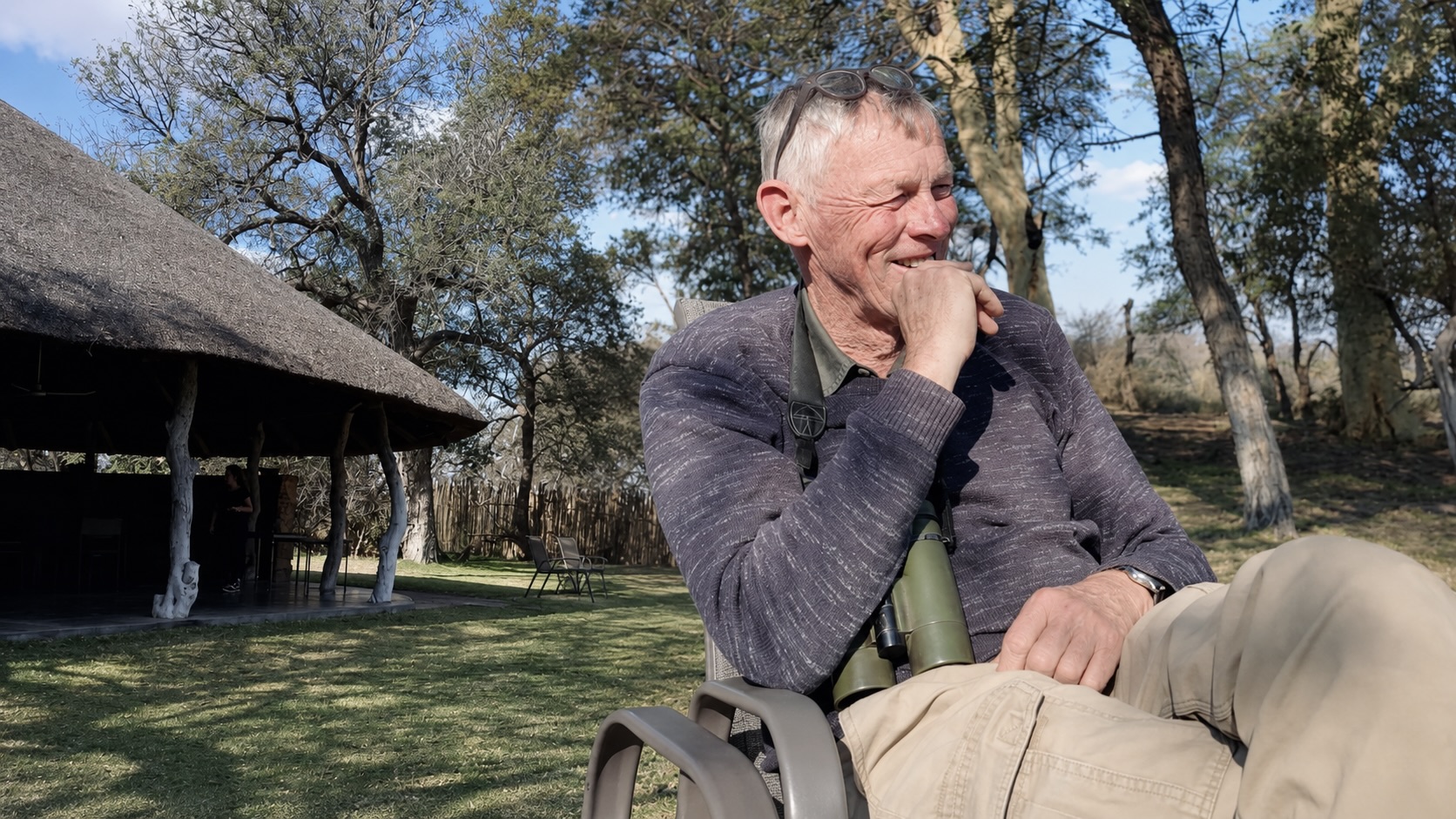
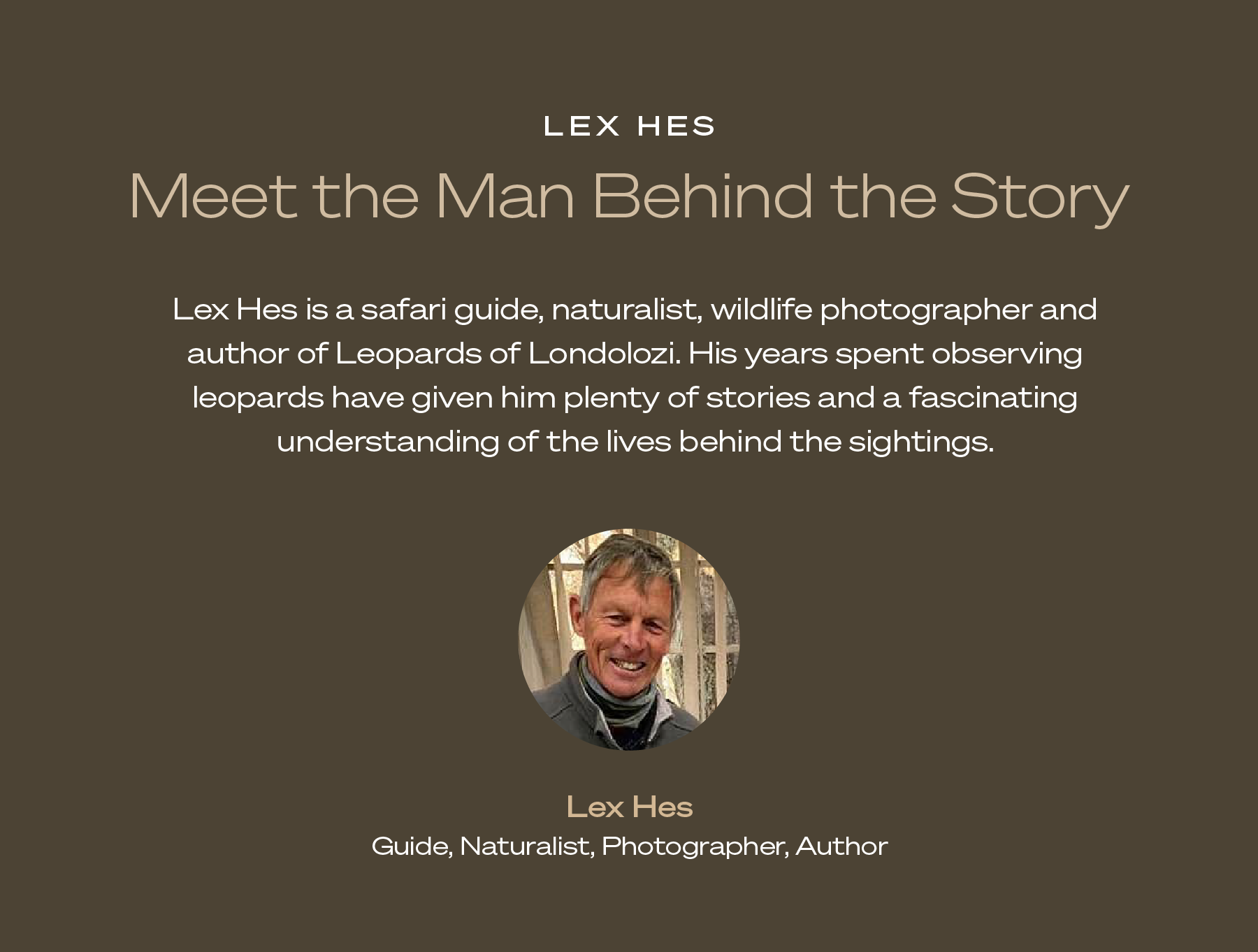
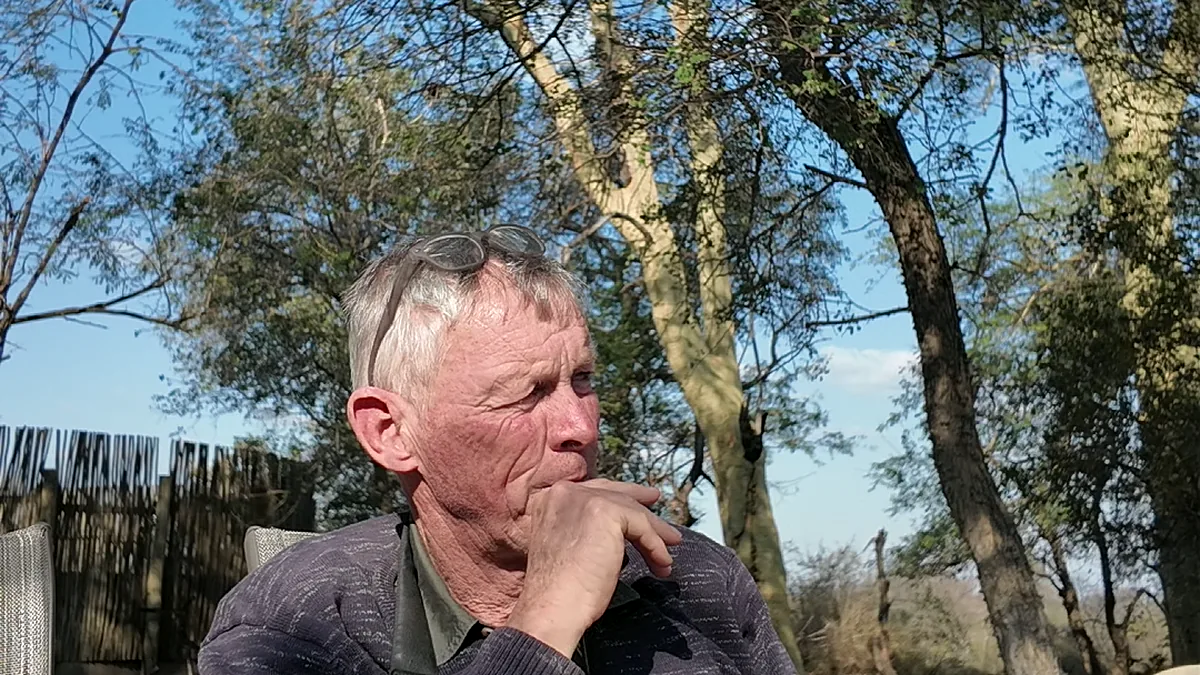
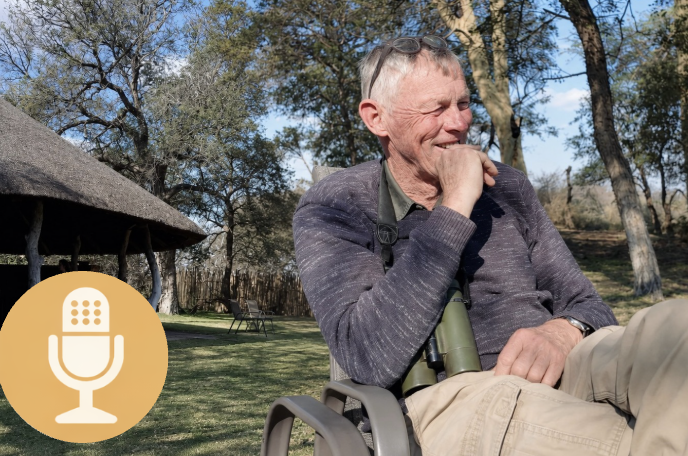
In this Sundowner Session, the BHS team is joined by Lex Hes, a mentor and role model of mine, a highly respected South African safari guide, one of the OGs, naturalist, wildlife photographer and author.
He co-owns the business Safari for Real with the legend Chris Stamper. Lex has spent decades in the safari world and started working at Londolozi in the mid-1970s. He truly is an original.
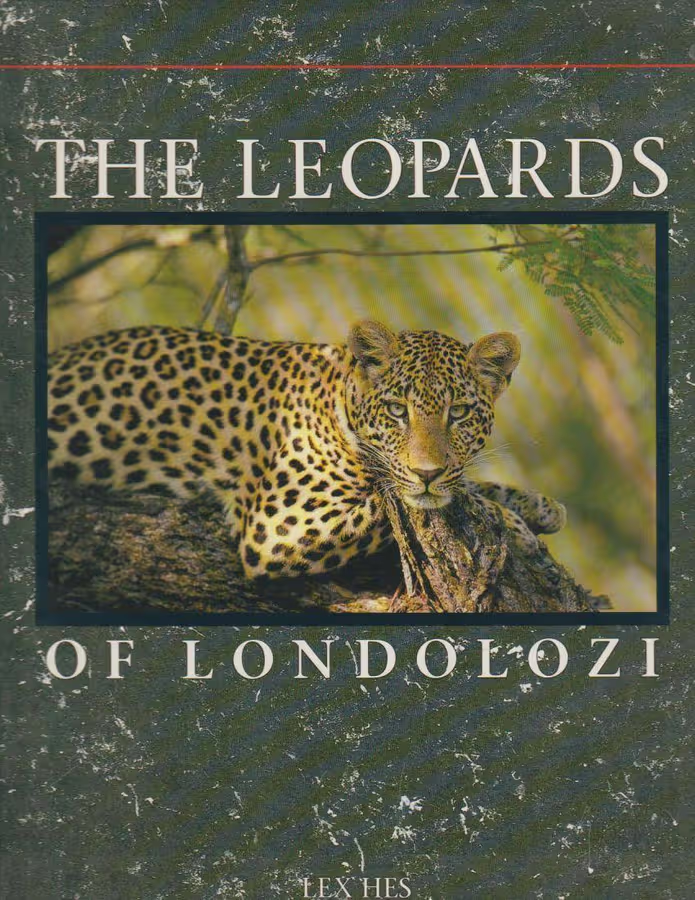
He is also the author of Leopards of Londolozi, reflecting his remarkable knowledge of and connection with these elusive cats, in a book that I grew up paging through and dreaming of being a safari guide.
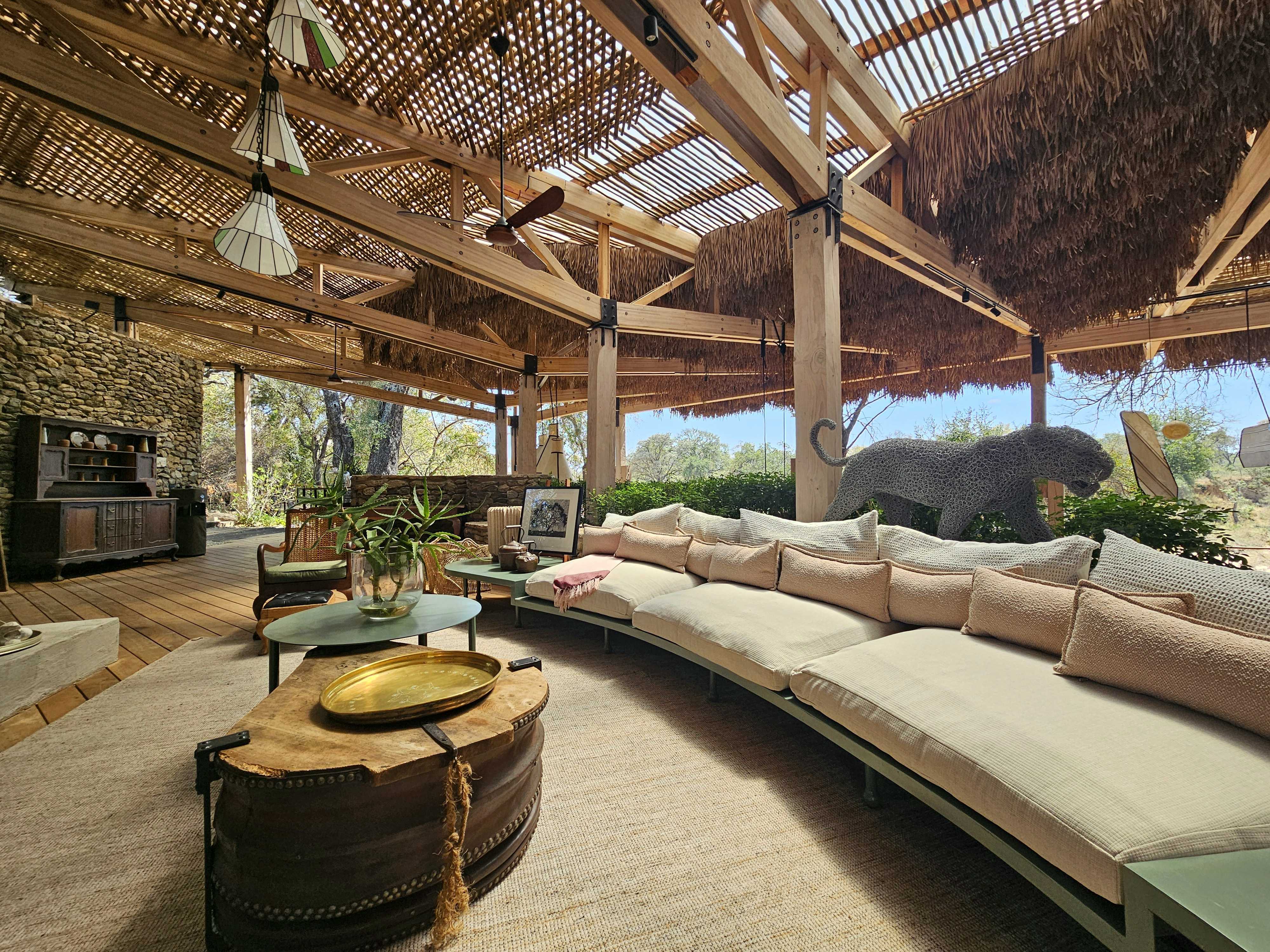
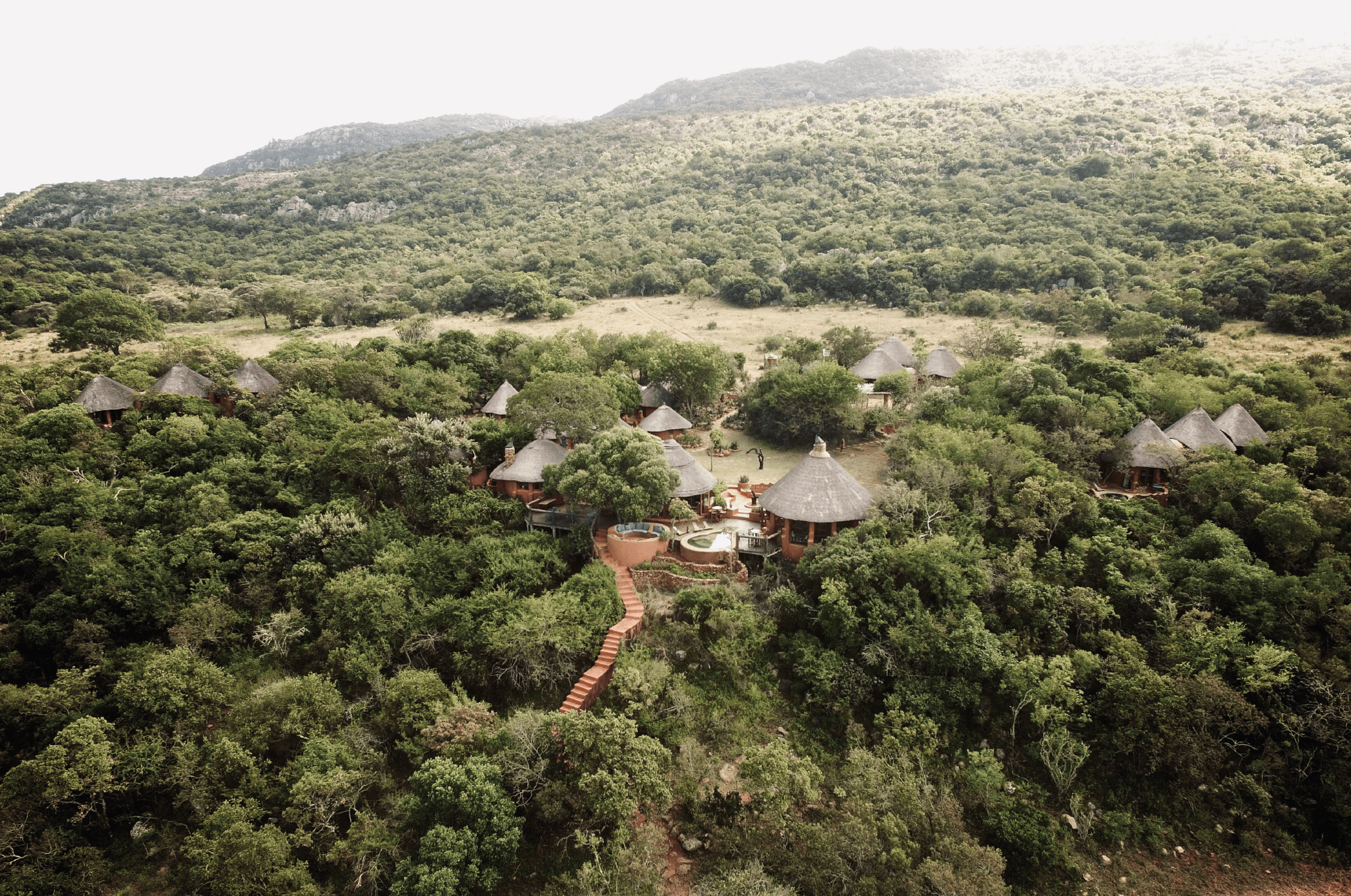
Our team met up with Lex during their stay at Chimani Camp, where he shared an extraordinary story from Botswana. What began with a fresh leopard track became a full day of patient tracking, careful observation and a discovery none of them expected.
As I said, Lex is a veteran safari guide, naturalist, wildlife photographer and filmmaker. He spent 15 years at Londolozi as a guide, photographer, filmmaker and camp manager. He is the author of five books, leads safaris across Africa and was instrumental in my path and career in this industry.
Over to you, Mr. Lex Hes.
Um, let me try and think of a a good story. Jeez, it's so You know what's so ridiculous is we always stop as sundowners and then you start talking or you see something and then you're reminded of something then you tell the story.
And now I've got to off the cuff now come and think of a story. Um,
Like Well, the book you're going to write.
Well, so so um
But it's a long story. How long do you want it to be?
Okay.
It's a a really really fascinating story which these guests that I've got now were with me on safari.
Yeah. No, look, it's an it's an interesting story is that we were and and it's it's part of our I suppose Chris and my philosophy about what you do on safari. It's not about racing around after the big five and ticking off the big five and it's not about quantity. It's more about quality and having quality sightings and and so the the the lady that I'm traveling with now um they she and her husband always came with me on safari every second or third year and we'd go to different places and because she loves just enjoying the bush and the peace and the quiet and calmly looking around at everything we can I know I can spend quality time and she and her husband were very patient about us trying to show them stuff.
And we were on an early morning game drive in July. Same kind of weather conditions.
Same same kind of weather conditions we have here. Freezing cold in the morning. And we went out all bundled up with fleces and and beanies. And I think the first thing we came across was um hyenas that had just killed a baby elephant and the steam rising up from the carcass. And we watched that in the early morning and all the hyenas giggling and shouting. It was a fantastic experience.
Eventually, we left that and at about 8:00 in the morning, we came across a fresh leopard track, female leopard track walking along the road. And this was a at a camp in Botswana where we work with a tracker as well as the guide. So, we had the local guide, the tracker, and then myself and Tim and Yuna who are the guests from Canada.
And um and so we had a look at the leopard track. No, fresh. It's worth following. Let's follow it. So we followed followed just along the road and then she turned off into a woodland area and then we made had a big discussion amongst ourselves. Should we keep following the track? Where's the direction she's going? Okay, there she's going now uh through a block and she's if she keeps going, she'll come out onto an open flood plane. So maybe before we follow the track in, let's just drive around to the open flood plane and see if we can find her on that side or find her track.
So we drove around and we were uh just driving down a track. Now we on the open flood plane, open grassland, few dotted trees here and there. And we come around the corner and there on top of a termite mound, open termite mound in the open is a newly dead impala lying on top of that termite mound.
So we think, gee, that's maybe that's the leopard's kill. So we drive around it, look around, and we can't see any sign of the leopard. So we go and just drive close to the carcass, look at it with binoculars. It's got bite marks here and some blood that's just coming out. So we reckon it's looks like recently recently killed.
So we drove round and round looking under every little thicket little bush trying to locate this leopard trying to think where could she have gone. Eventually we couldn't find anything. So then we went back to the carcass and then we got out of the vehicle and we walked up to the mound and we um we felt the carcass and it was cold on top. We felt underneath the carcass and it was cold. But there right next to the carcass was a female leopard track. So we knew this leopard had killed the bite mark had killed this impala but nowhere to be seen.
And so then we expanded our searching all over the place looking for tracks everywhere. Couldn't find any sign. And then we thought, well, maybe she killed it and she went down to the water hole um uh to drink and then was maybe she's on her way back or something. So, we drove down there. Then, well, maybe she went to the water and she was killed by a crocodile. And we had all these theories as to what had happened.
And by 9:30, 10:00, we had found no sign of that leopard. So, so we then um decided to stop for morning coffee in a place where you could see the carcass on top of the mount. And then we we had our coffee, kept looking at the carcass and looking around and um and a vulture arrived there and it's in the open. So, a vulture circles over it and flies on. And then we carried on looking around and got no sign, no alarm calls, nothing.
So then we decided, well, they we were hungry. We're going to go back to camp. We'll come back in the afternoon, which we did. And we took a bet that when we come back, there's going to be nothing there and just a whole lot of fat vultures.
So when we came back in the afternoon, we drive slowly down the track looking carefully for leopard tracks on the road in towards where the carcass is. And um and then we get to the termite mound. Nothing there. No sign of the carcass, no vultures, nothing. So, so now it's like serious detective work. Now, what what the heck has happened here?
So, we got out of the vehicle. We went up onto the termite mound. We looked around. We went and drove around first, came back to the termite mound, checked and we couldn't see any drag marks, no fur, nothing. There was nothing, not even a another leopard track other than the one that we first saw. And we had checked the road which was right next to the termite mound for a drag mark. There was no drag mark crossing the road.
So we assumed if the leopard had come back, it had gone that way. So we search search everywhere. No sign. So then we go back to the termite mound and we start analyzing. Okay, the carcass was lying this way over the mound with the head close to the road. If the leopard was going to come to the carcass and drag it away, the most likely is that she's going to pick it up by the neck and walk forwards, which is towards the road. She's not going to pick it up and turn 180 degrees and walk that way. She's got got to walk towards the road.
So, we went back to the road and we walk up and down, up and down. Eventually, the tracker spots this faint little drag mark across the road. So, we think, is it a drag mark? Okay, let's go and check cuz we hadn't checked the other side.
So, we check the other side, drive 200 m in. There she is sitting in front of the leopard carcass. Okay, so now we view her and she goes and feeds and great, we got the leopard. And Tim and Yuna the whole morning have been patiently following us and trying to help us spot the leopard.
Anyway, then we think to ourselves a bit, why? What happened? Why did this leopard leave that carcass for so long? So, we had worked out that she had probably killed it in the very early hours of the morning, like 2:00 in the morning or because the carcass was cold. It wasn't new, new new. And so, she had left it for a good number of hours. Why? And we're trying to think why, why, why?
So, we think said, "Okay, we're going to just stay with her now for the afternoon." And so that's the pleasure of having people like this who are prepared to just sit and help us discover things. So we stayed the whole afternoon.
Eventually in the evening uh as the sun's starting to drop, she gets up and she walks away from the carcass. And then we see her tail is up but in this funny awkward way. And we think that's unusual.
Anyway, we follow follow and about a kilometer from where she disappears into the thicket, a kilometer from where the carcass was. And we drive around the thicket and on the other side of the thicket, we see her lying in front of a fallen log, a big log. And in between her front paws, a newborn leopard cub. Tiny newborn leopard cub. ears flat, eyes closed, and she's licking this little leopard cup.
Then she stands up and she puts her paw into the hollow log and pulls out another one just by hooks it by the claw. Out comes another one and she starts licking it and we could not believe our eyes.
And then we realized what had happened is that she was hunting. She killed the impala and she then went into labor. That's what we assume must have happened because there's no other way to explain why a leopard would just suddenly leave a carcass and go away for a few hours cuz she's going to lose it to hyenas or vultures or whatever.
And that was the culmination of that evening we celebrated with gin and tonic and it was the most amazing experience. Yeah. So that
That is incredible. Hey. Wow.
Yeah. Great. So, brand new leopard cubs, eh?
Yeah.
And two,
You the the smallest you've ever seen. Youngest you've ever seen.
The youngest leopard cubs I've ever seen. And we wouldn't have found that out if we didn't have the right kind of people, if we didn't spend quality time, uh, trying to discover what was happening. And that's the point of what a lot of what Chris and I are trying to do right here is we want to spend quality time with the game. It's not about quantity, it's about quality. And without that patience of the guests and ourselves and the thought processes of working together with the tracker and trying to puzzle things out, we wouldn't have had that amazing experience.
Experience. No, it's incredible.
It was a whole day of of working on this puzzle which culminated in that. Yeah.
Oh, that's Yeah, that's a special special sighting. And for those guests. Oh my word.
Yeah.
Was that
It was it? Yeah. The Quondo Labala. It was at Labala. Yeah.
Wow.
I remember that story.
Cuz the Botsw the Botswana guys don't use trackers except for Quando. Quondo are the only guys.
Pretty much the only guys in the whole of Botswana that use trackers.
And uh and that's a to us that's a part of the experience. Yeah.
Yes. not rushing from sighting to sighting, but spend time with animals.
And you know, not driving by radio. I don't think until we found the leopard, we didn't use the radio once. We when we found her, then we called it in. But there was nobody came to look at it actually. I remember that day.
And that's for us, I think, also the beauty of this place is that where we are here.
Yeah. where much of the five nature reserves that surround Kruger there are lots of vehicles you have to communicate you don't want to bump into a sighting a mistake complete feels like there's lots of rules.
We sometime we hear the lions calling and then okay let's that's our mission for the morning and go and find sometimes we do sometimes we don't but when we do we typically either the only ones or like you witnessed this morning.
No, that's it's been very special to to have this because Yeah. Just feels like when you go on safari now and everybody has commented is you just feel like you're in the lineup. You're very aware of radios.
Exactly. Exactly. um you not doing any of the hard work anymore.
Yeah. Yeah. Yeah. And I don't know if you did you see that new thing in the guides platform. Somebody now has come up with this bright idea of having a a big iPad screen that's on the dashboard of the vehicle that has an app on it which is a map of the area that you operate in and that every every game drive vehicle has that and when a Leopard or whatever is sighting you put it enter it on your phone and it pings onto everybody's iPad screen so all the guests on the back can see the screen and then suddenly red dot wing leopard there on that part of the map. And
Is this is this yellow dot lion?
Is this just a concept at the moment?
I it doesn't look like it's a concept. It's it they um one of the guys posted a a picture of the uh holder that the screen fits in. They didn't show the the screen itself.
I think maybe it's more it's experimental. I think it's experimental. And the response to some of the guys, Colin Bell said, "If I know that's operating in a I'm not sending guests there at all."
Yeah. Absolutely.
Yeah. It's We've got to get away from screens, you know.
Yeah. So that's a nice little
No, that was a perfect little story. I love that anecdote. Loved it. Something very special.
Thanks for joining us around the fire, until next time, keep your sundowners cold and your stories wild.