

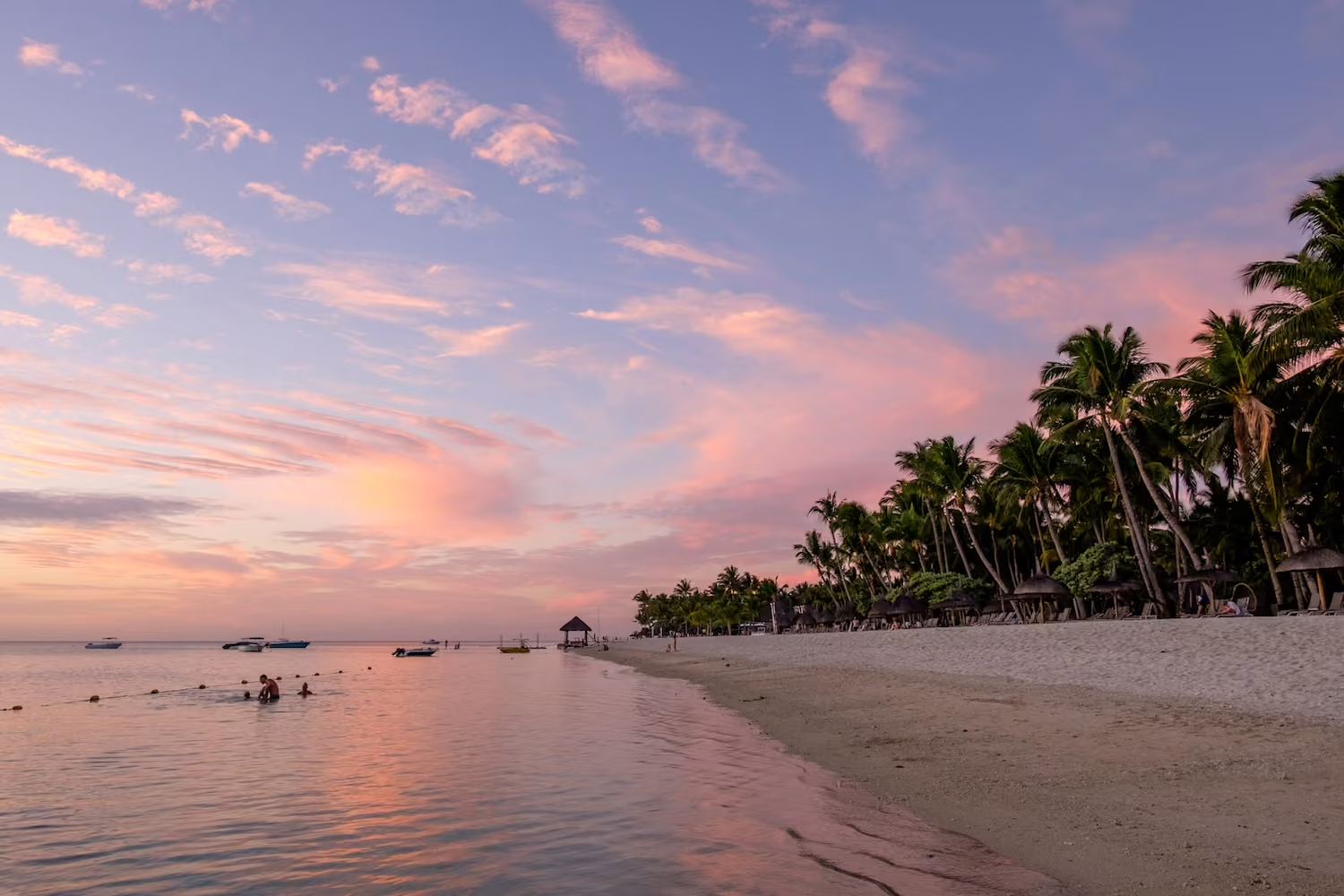
Mauritius is one of those rare destinations people describe as good all year round. And in many ways, they are right. The island is generous in every season: warm seas, soft beaches, bright lagoons, and a slower rhythm that feels made for arriving after a safari.
But “good all year” does not mean every month feels the same.
The best time to visit Mauritius depends on what you want most from the journey. Some travellers come for heat and still, warm water. Others want cooler days, softer light, and a quieter island atmosphere. And for many BHS guests, Mauritius is the final exhale after days spent in the bush, often following a Botswana or Zambia safari.
Here is how to choose the season that suits you best.
Mauritius Has Two Main Seasons
Mauritius has a tropical climate shaped by the Indian Ocean and the island’s trade winds. Instead of four sharply defined seasons, the year is usually understood in two parts: a warm, wetter summer and a cooler, drier winter.
Both are beautiful. They simply offer different versions of the island.
Summer in Mauritius: November to April
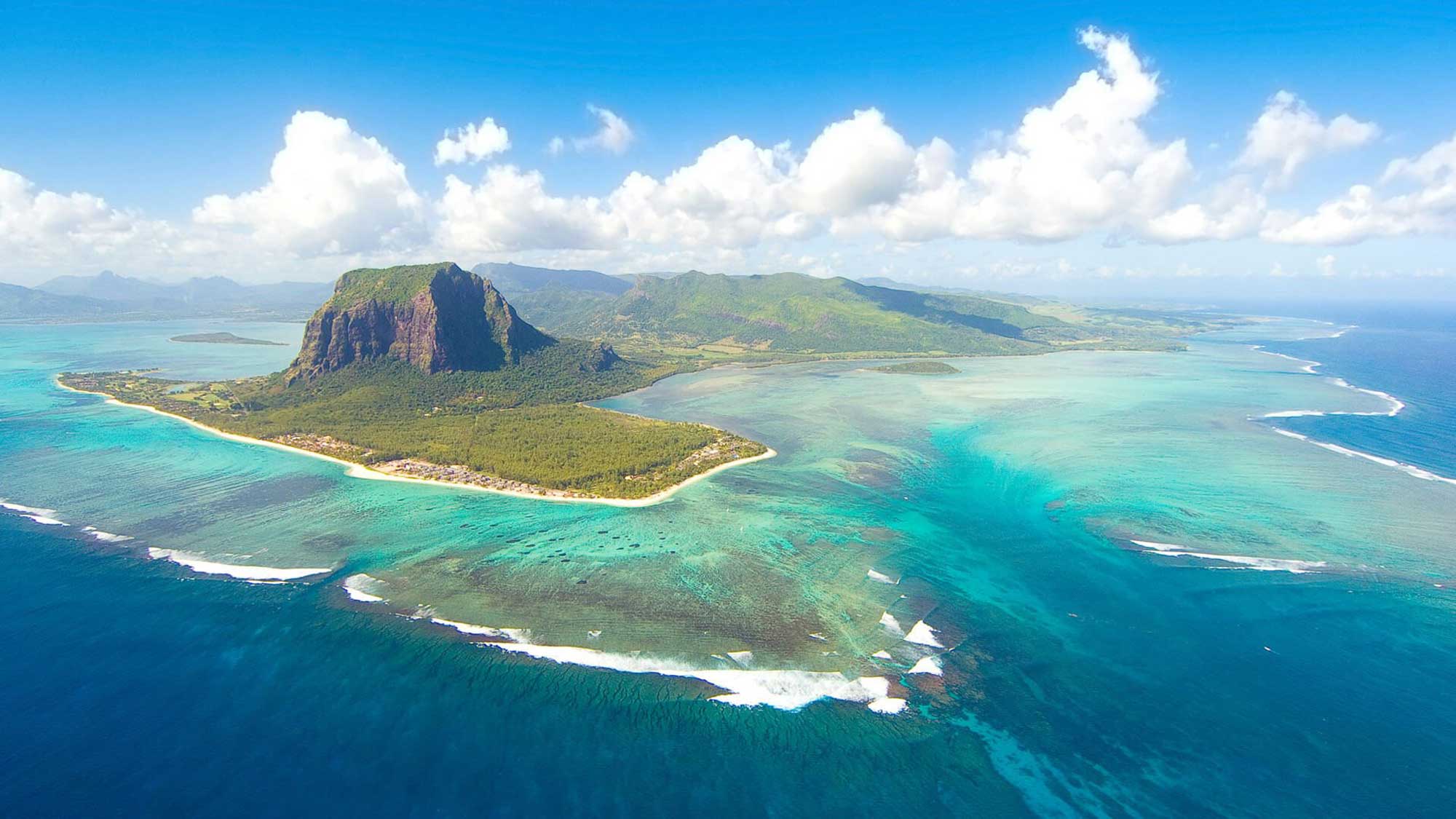
Summer in Mauritius runs from November to April. This is the island at its most vivid: warm, green, humid, and unmistakably tropical.
Temperatures usually sit between 25°C and 35°C, with the ocean at its warmest, around 28°C to 30°C. The beaches are bright, the vegetation is lush, and the water feels wonderfully inviting from the moment you arrive.
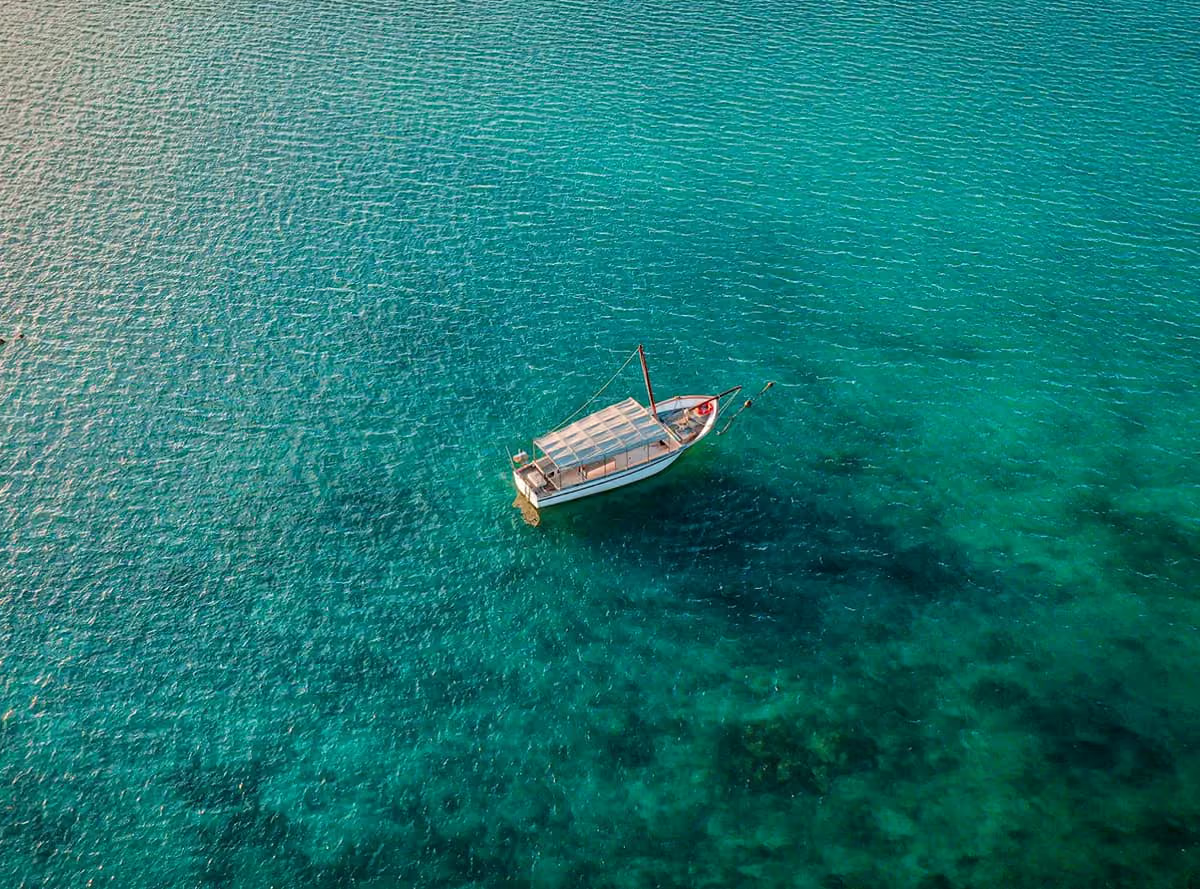
This is also one of the best periods for snorkelling and diving. Marine visibility is often excellent, the sea is warm, and the lagoons have that clear, glassy quality people imagine when they picture an Indian Ocean island.
There can be rain, especially in the form of afternoon thunderstorms. These often pass quickly, leaving the air fresh and fragrant. The main weather consideration is cyclone season, which runs from January to March. Direct cyclone impact is not common, but tropical storms can bring several days of cloud, wind, or heavy rain, so travel insurance is recommended during this period.
Summer suits travellers who want proper heat, warm-water swimming, strong marine conditions, and Mauritius at its most lush and alive.
Winter in Mauritius: May to October
Winter in Mauritius is cooler, drier, and breezier. For many travellers, this is the most comfortable time to visit.
Temperatures generally range from 22°C to 26°C. Humidity drops, the light becomes clearer, and the island takes on a quieter, more golden quality. It is still very much a beach holiday, but without the intensity of peak summer heat.
Sea temperatures dip slightly to around 23°C to 25°C, but remain perfectly swimmable. The trade winds are more noticeable in winter, particularly on the south and east coasts. These areas can see stronger swells, which may suit surfers but are less ideal for calm-water snorkelling.
The west and north coast lagoons are typically more sheltered, making them a good choice for guests who want gentler water and easy beach days.
Winter suits travellers who prefer mild warmth, lower humidity, clear skies, and a more understated island rhythm.
Mauritius Month by Month
January and February
January and February are peak summer months. Expect high temperatures, very warm seas, excellent underwater visibility, and the island at its most tropical.
This is a strong time for marine life and dolphin encounters, although it does fall within the higher-risk tropical rain period. It is best for travellers who love warmth and do not mind the possibility of dramatic weather.
March and April
March and April bring late summer warmth with a softer feel. The ocean remains beautifully warm, the December crowds have eased, and there is often better value than in the festive season.
This is a lovely time for guests who want a relaxed beach stay without the busiest holiday atmosphere. It also works well after a southern Africa safari, especially for travellers looking at a longer safari and beach-style journey.
May and June
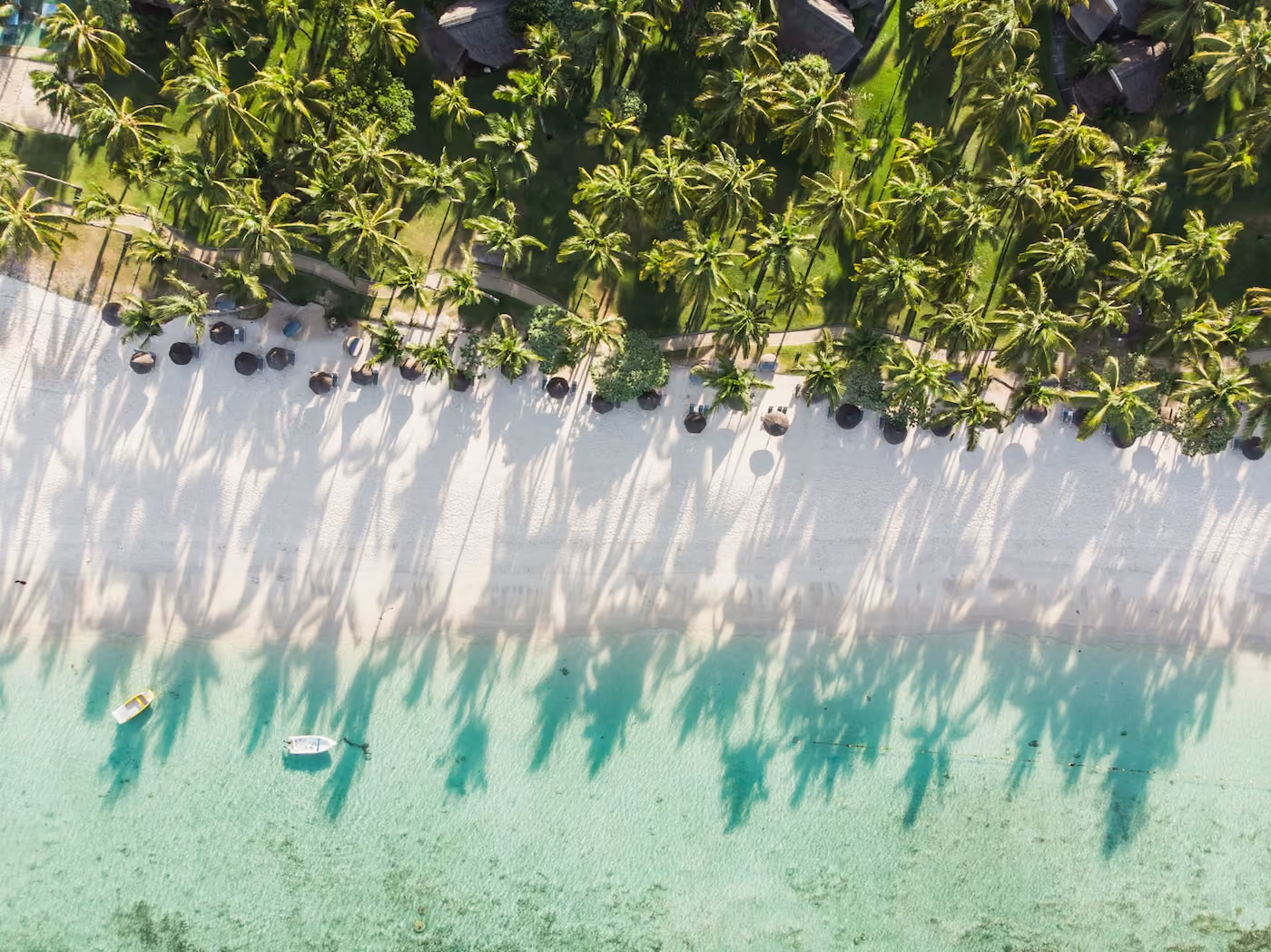
May and June are transition months, with pleasant temperatures, lower humidity, and trade winds beginning to pick up.
The light can be especially beautiful at this time of year, making the island feel crisp and calm rather than heavy and tropical. It is a good choice for guests who want warmth, comfort, and balance.
July and August
July and August are cooler and windier, particularly on the east coast. These months suit travellers who prefer moderate temperatures and do not need intense heat to enjoy the beach.
Whale-watching season also begins around this time, adding another layer of interest for guests drawn to the ocean as much as the shoreline.
September and October
September and October are a sweet spot for many travellers. The trade winds begin to ease, temperatures rise, skies are often clear, and the island is quieter before the December rush.
For BHS guests, this is one of the most appealing times to pair Mauritius with a dry-season safari in Botswana or Zambia.
November and December
November and December bring the build-up to Christmas. The ocean warms beautifully, the island becomes more festive, and hotels grow busier as peak season approaches.
This is a wonderful time for atmosphere, warm-water swimming, and a celebratory end to the year. Early planning is important if you want the best lodges, hotels, rooms, and family-friendly options.
When to Combine Mauritius with a Safari
Mauritius works beautifully as the final chapter of a southern Africa safari. After early starts, dusty game drives, walking safaris, river crossings, and the full emotional charge of the bush, the island gives you space to land softly.
Many BHS guests travel through Johannesburg, making Mauritius a natural beach extension after a safari in Botswana, Zambia, South Africa, or elsewhere in the region. It is also an elegant option for honeymooners who want both wilderness and ocean, especially as part of a BHS honeymoon designed around pace, privacy, and good timing.
For safari-and-Mauritius combinations, we most often recommend April-May or September-October. These windows tend to pair strong safari conditions in southern Africa with shoulder-season ease in Mauritius.
You get excellent wildlife, clear skies, good value, and a few final days by the ocean that feel genuinely restorative.
“The September combination is our personal favourite: late dry season in Botswana or Zambia, then four nights in Mauritius before flying home. You arrive at the airport looking like a different person from the one who left.” -Jo Cooper, BHS Guide
Plan Your Mauritius Visit
Share your travel dates, your safari plans, and the kind of island time you have in mind.
BHS will help shape the right combination, from the best safari season and routing through Johannesburg to the Mauritius coast that suits your travel dates. We will consider the time of year, beach conditions, hotel style, pace, and how many nights you need to properly unwind after safari.
Contact us today to start planning your Mauritius escape.
FAQS
The best time to visit Mauritius depends on the holiday you want. September and October are often considered the sweet spot, with warm temperatures, calmer seas, fewer crowds, and excellent conditions for combining Mauritius with a southern Africa safari.
Yes. Mauritius is a fantastic year-round destination, with a tropical climate that changes subtly through the seasons. Summer (November to April) brings warmer temperatures and tropical showers, while winter (May to October) offers cooler, drier weather with lower humidity.
Cyclone season generally runs from January to March. Direct cyclones are uncommon, but tropical systems can bring periods of heavy rain, stronger winds and rougher seas. If you're travelling during these months, comprehensive travel insurance is recommended.
The best time for snorkelling and diving in Mauritius is generally from November to April, when sea temperatures are at their warmest and underwater visibility is often excellent. During winter, the north and west coasts usually offer the calmest lagoon conditions.
If you're planning a safari and Mauritius holiday, April to May and September to October are excellent times to travel. These months often combine outstanding wildlife viewing in Botswana, Zambia and southern Africa with beautiful beach conditions and good value in Mauritius.
The west and north coasts are generally more sheltered during the cooler, windier winter months, making them ideal for relaxed beach days and snorkelling. The east and south coasts can be breezier during this time, but are beautiful in the warmer summer months when conditions are calmer.