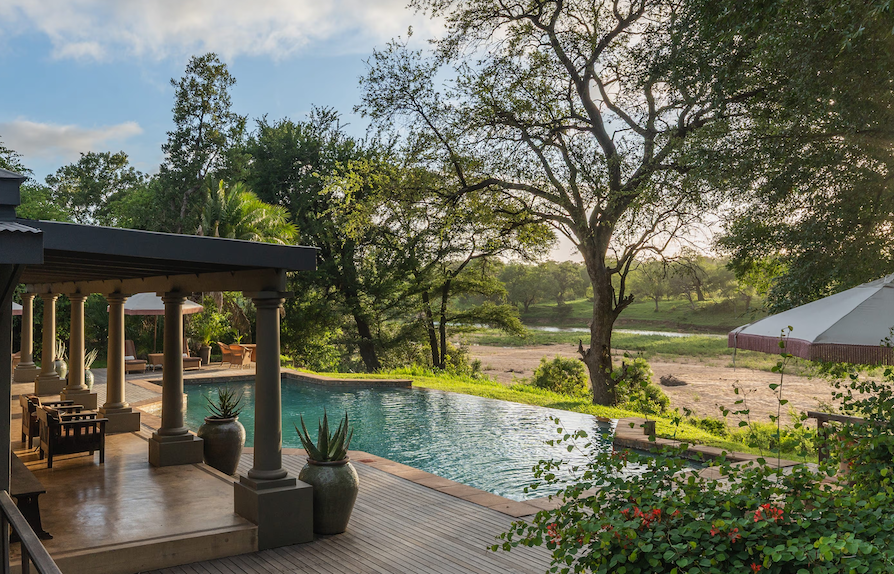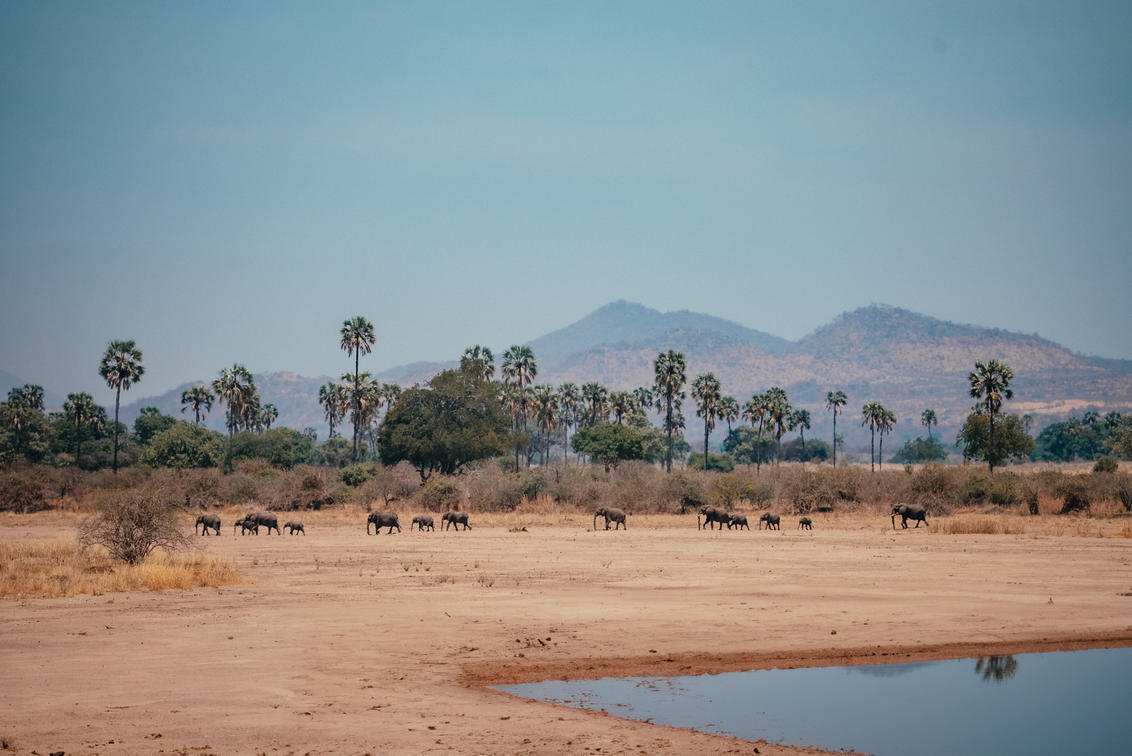


You have spent days in the Serengeti watching the plains move with life. You have waited at a river crossing, felt the hush before something extraordinary happens, and looked out from the rim of Ngorongoro Crater at first light with coffee in hand.
By the end of a Tanzania safari, your senses have been fully occupied. Your camera is full. Your mind is still somewhere between dust, lion tracks, wildebeest columns and big East African skies.
Then comes Zanzibar.
For many BHS guests, this is the part of the journey they did not know they needed. The safari gives you scale, drama and wonder. Zanzibar gives you time to exhale.
Why Zanzibar Works So Well After Safari
The beauty of Zanzibar as a safari finale lies in the contrast. One moment you are in the Tanzanian bush, surrounded by dust, grasslands and game-drive anticipation. A short flight later, you are on the edge of the Indian Ocean, with warm air, turquoise water and the scent of cloves drifting through Stone Town.
It is not simply a beach add-on. Done well, Zanzibar completes the rhythm of the journey.
Safari days are early, immersive and emotionally charged. Zanzibar slows everything down. You can sleep later, swim, wander through old streets, eat beautifully, and let the experience settle before flying home.
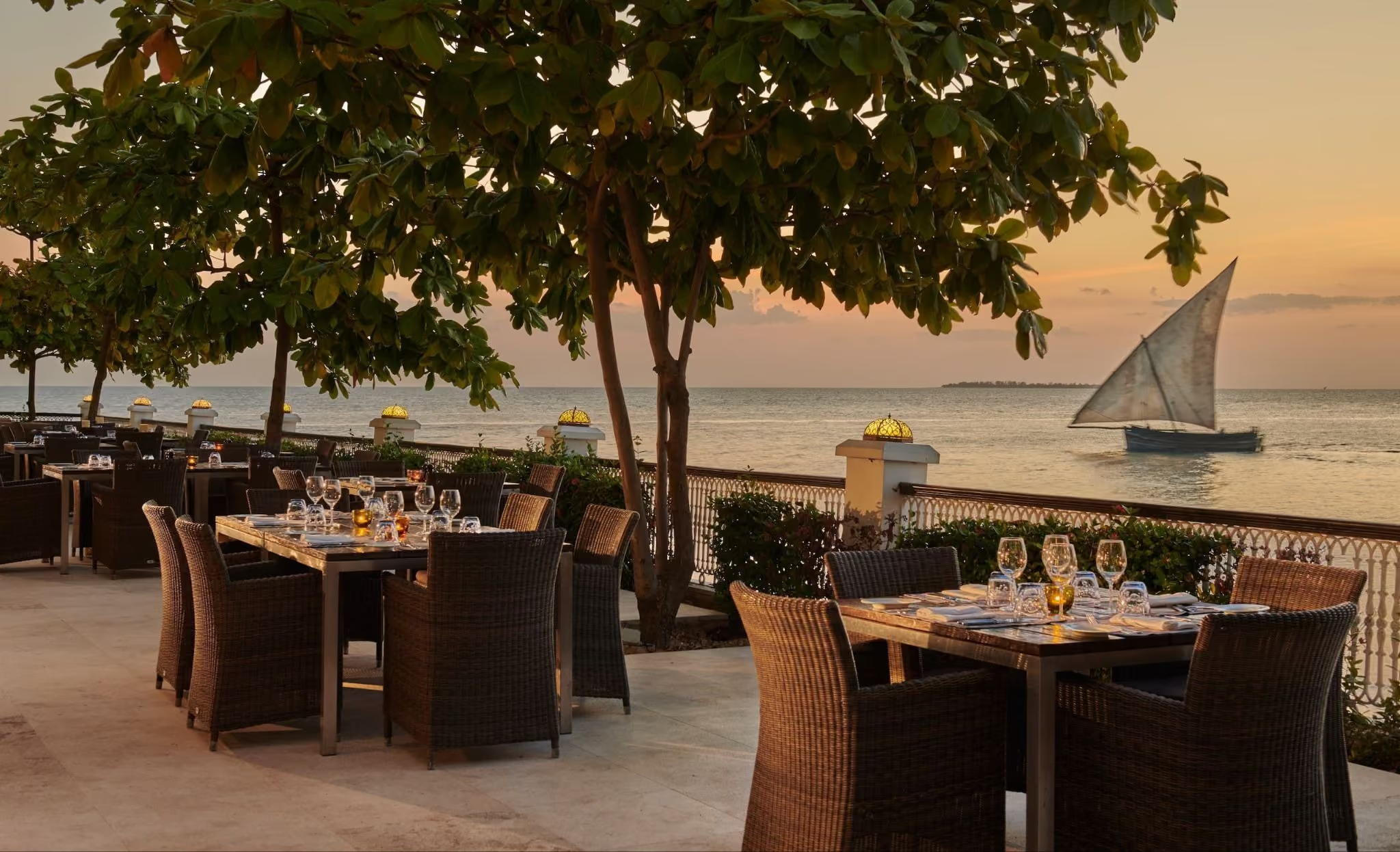
“I ask every Tanzania guest to consider Zanzibar at the end. Not for everyone; some people want to fly home on the high of the safari. But most people, when they arrive in Stone Town and smell the cloves and the sea and watch the dhows come in at sunset, are very glad they stayed.” - Jo Cooper, BHS Guide
Stone Town: Zanzibar’s Historic Heart
Stone Town is the cultural heart of Zanzibar and one of the most atmospheric old cities on the East African coast. Its narrow lanes, carved wooden doors, coral rag buildings and old trading houses reflect centuries of Swahili, Omani Arab, Indian and Indian Ocean influence.
It is a place to explore slowly.
The Old Fort, the Sultan’s Palace Museum, the Anglican Cathedral, and the winding alleyways of the old town all deserve time. A full day is the minimum; two gives the city more room to open up.
Stone Town is also a wonderful place to eat. At Forodhani Gardens, the evening market comes alive with charcoal-grilled seafood, fresh juices and Zanzibar pizza, a sweet or savoury filled crepe that has become part of the island’s food story. Beyond the market, the island’s spice history appears everywhere: cloves, cardamom, cinnamon, coconut and citrus lifting dishes with warmth and fragrance.
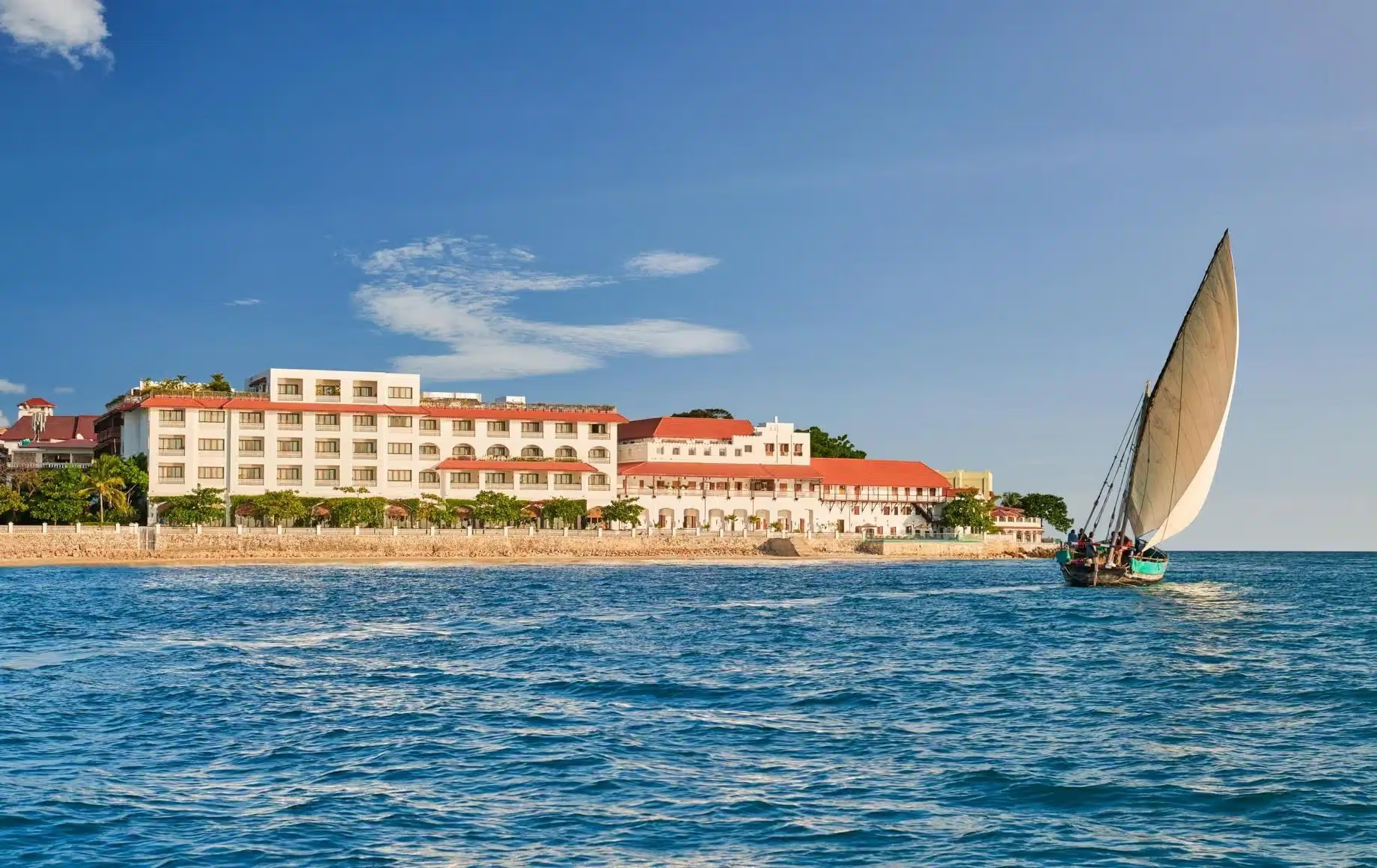
For guests who want to stay in Stone Town itself, Park Hyatt Zanzibar and Zanzibar Serena Hotel are strong options, both placing you close to the old city’s waterfront and historic lanes.
The Spice Island Experience
Zanzibar’s identity as the “Spice Island” is not a romantic label. It is rooted in real agricultural and trading history.
A half-day spice tour from Stone Town is one of the most sensory experiences on the island. You may smell cloves fresh from the tree, taste vanilla from the pod, see cinnamon bark peeled by hand, and learn how nutmeg, black pepper, cardamom and turmeric are grown.
It is simple, tactile and memorable. After a safari defined by wildlife and landscape, the spice farms bring the island’s human history into focus. They connect Zanzibar to the wider Indian Ocean world in a way that feels immediate rather than abstract.
Zanzibar’s Beaches: Where to Stay
Zanzibar has several distinct coastal areas, and choosing the right one matters. The best beach for you depends on whether you want calm swimming, a livelier atmosphere, kitesurfing, snorkelling, or a quieter boutique stay.
Nungwi (North)
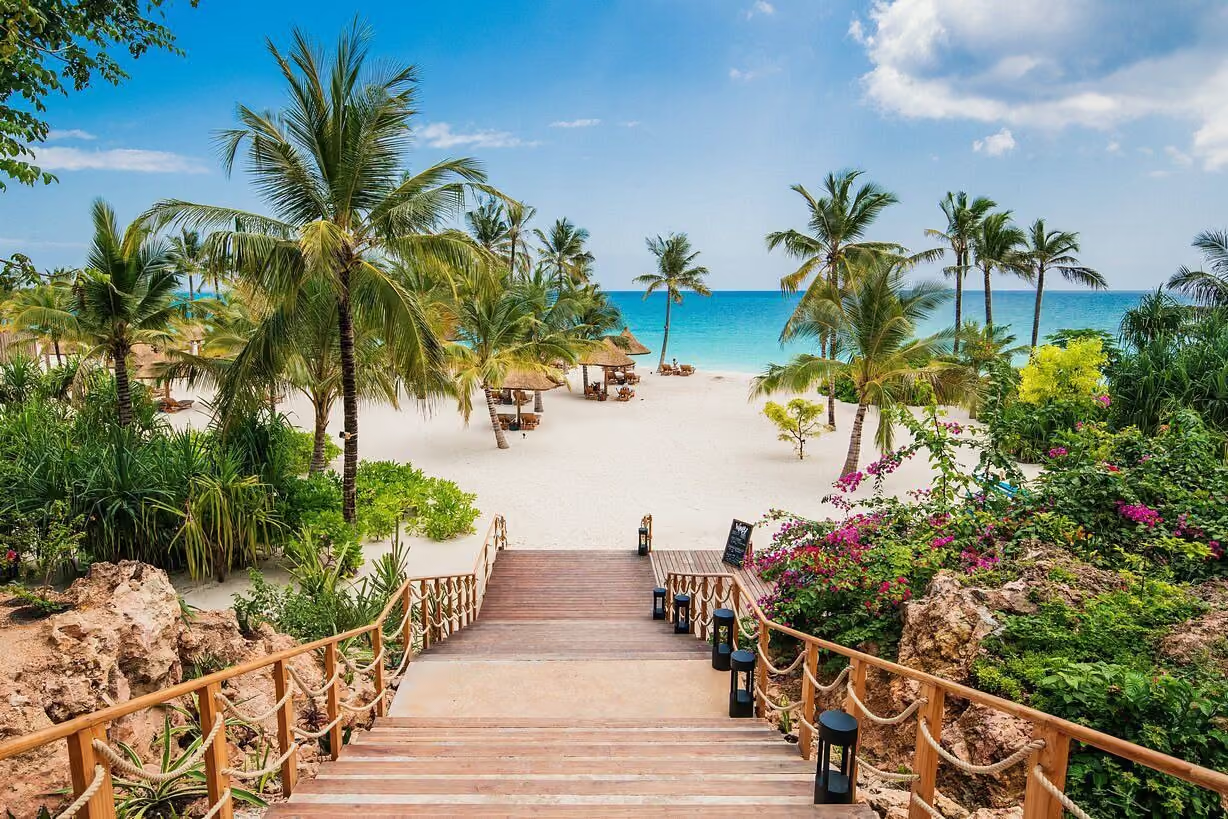
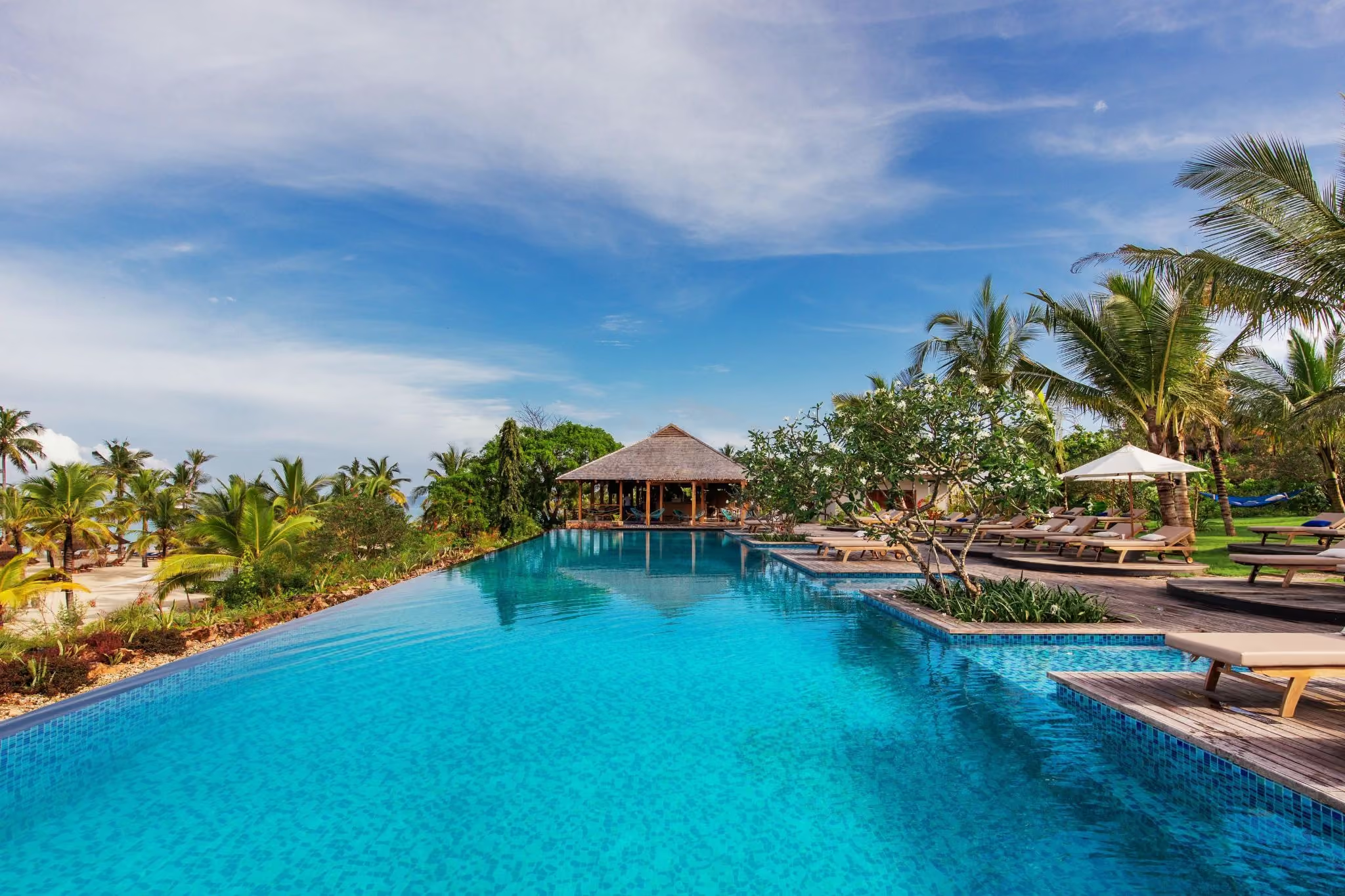
Nungwi, at the northern tip of the island, is one of Zanzibar’s most reliable beach areas for swimming. The water is generally calmer and more accessible year-round than on some parts of the east coast, and the atmosphere is lively without losing its sense of place.
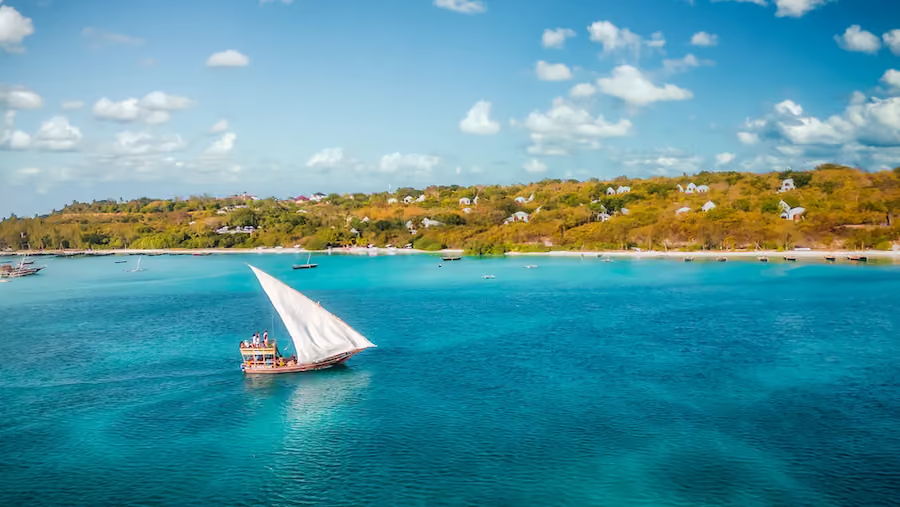
It is also a good base for snorkelling, diving and sunset dhow views. The classic Zanzibar image of white sails against an orange sky is very much at home here.
Zuri Zanzibar is a beautiful option in this part of the island, pairing a refined beach setting with a relaxed, contemporary feel. Elewana Kilindi Zanzibar, also in the north, suits guests looking for something more private, romantic and deeply restful.
Kendwa (North)
Kendwa sits close to Nungwi but tends to feel a little quieter. Its beach is known for being more accessible at different tide levels, which makes it appealing for guests who want easy swimming and long, lazy beach days.
It is a lovely choice for travellers who want the north coast’s beauty without being in the busiest part of Nungwi.
Paje and the East Coast
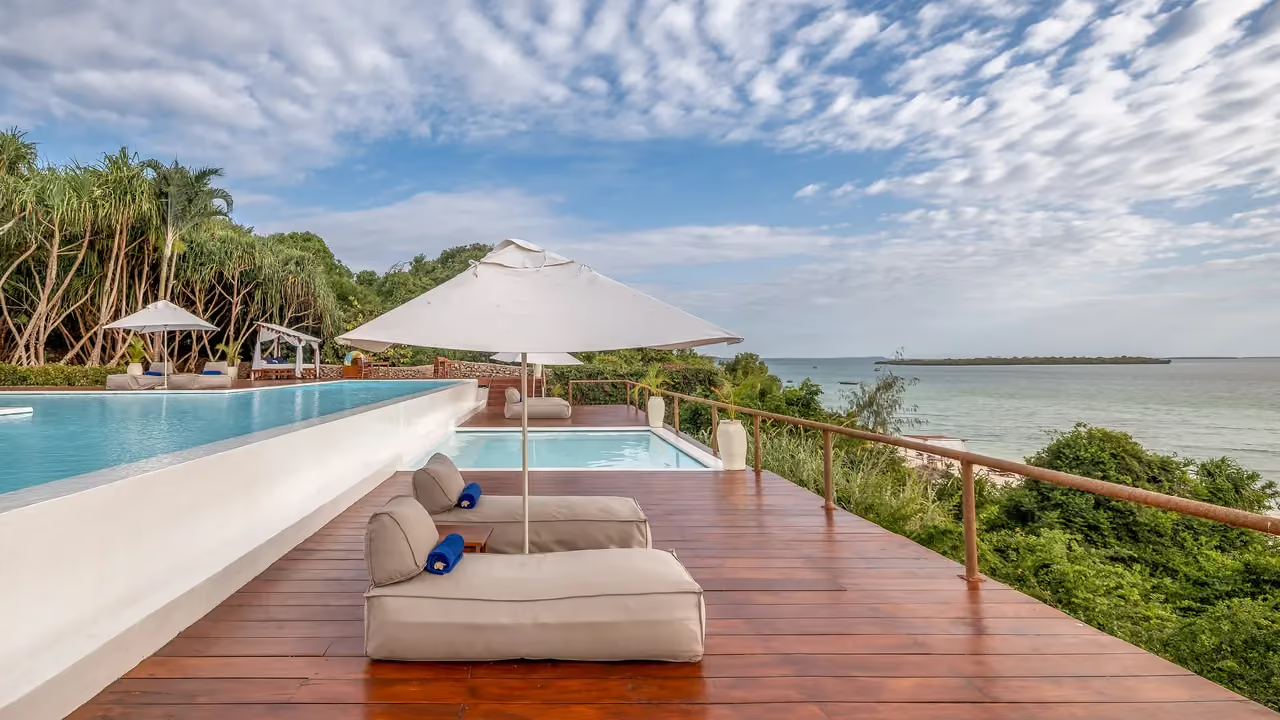
The east coast has a different personality: windier, wilder and more open. Paje is especially well known for kitesurfing, particularly from July to September, when conditions are often excellent.
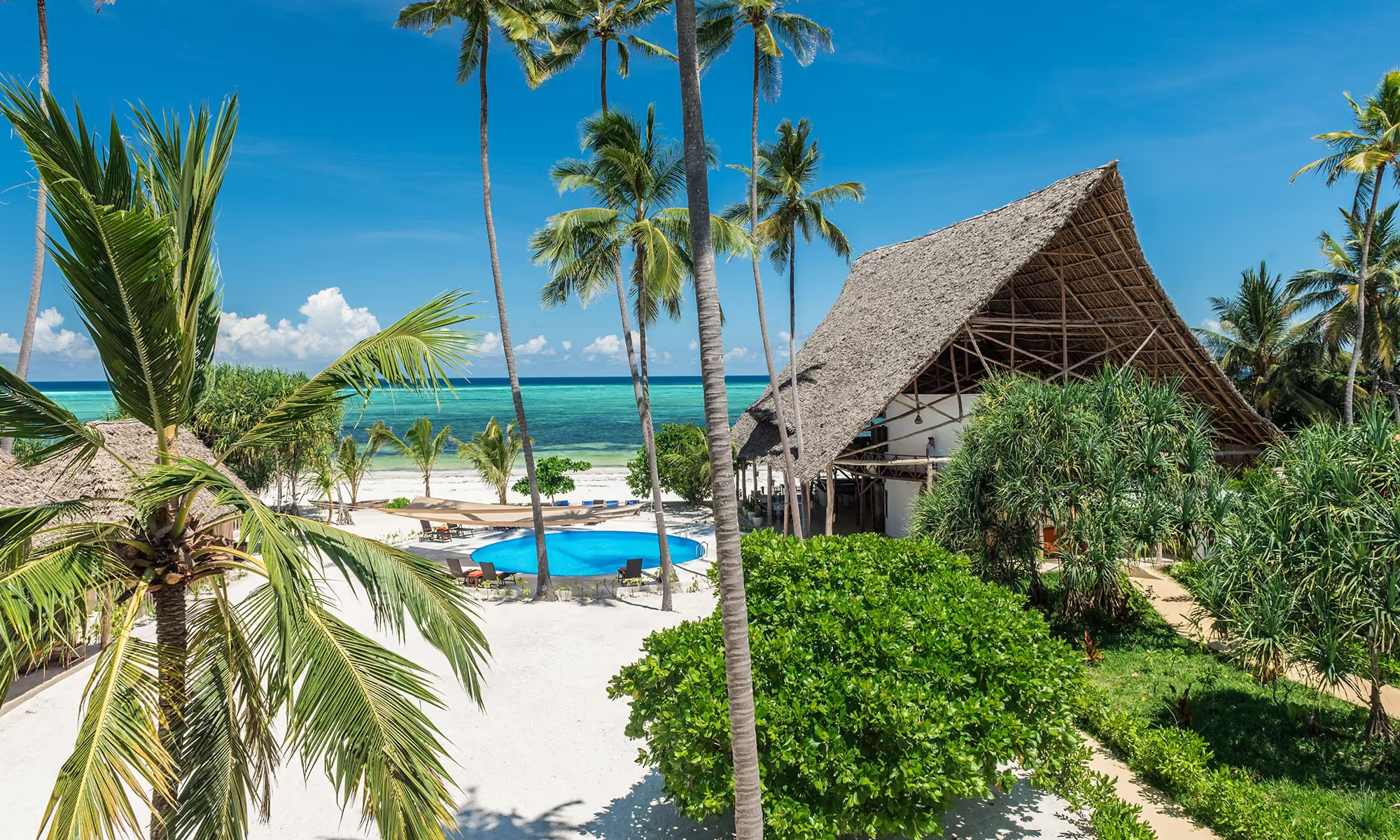
At high tide, the water is spectacular. At low tide, the reef and sand flats create that classic east-coast Zanzibar landscape of pale sand, shallow water and wide skies.
Boutique properties such as Zanzibar Pearl Boutique Hotel & Villas and Zanzibar Magic Boutique Hotel can work well for guests seeking a softer, more intimate coastal stay.
Snorkelling, Diving and Dolphin Encounters
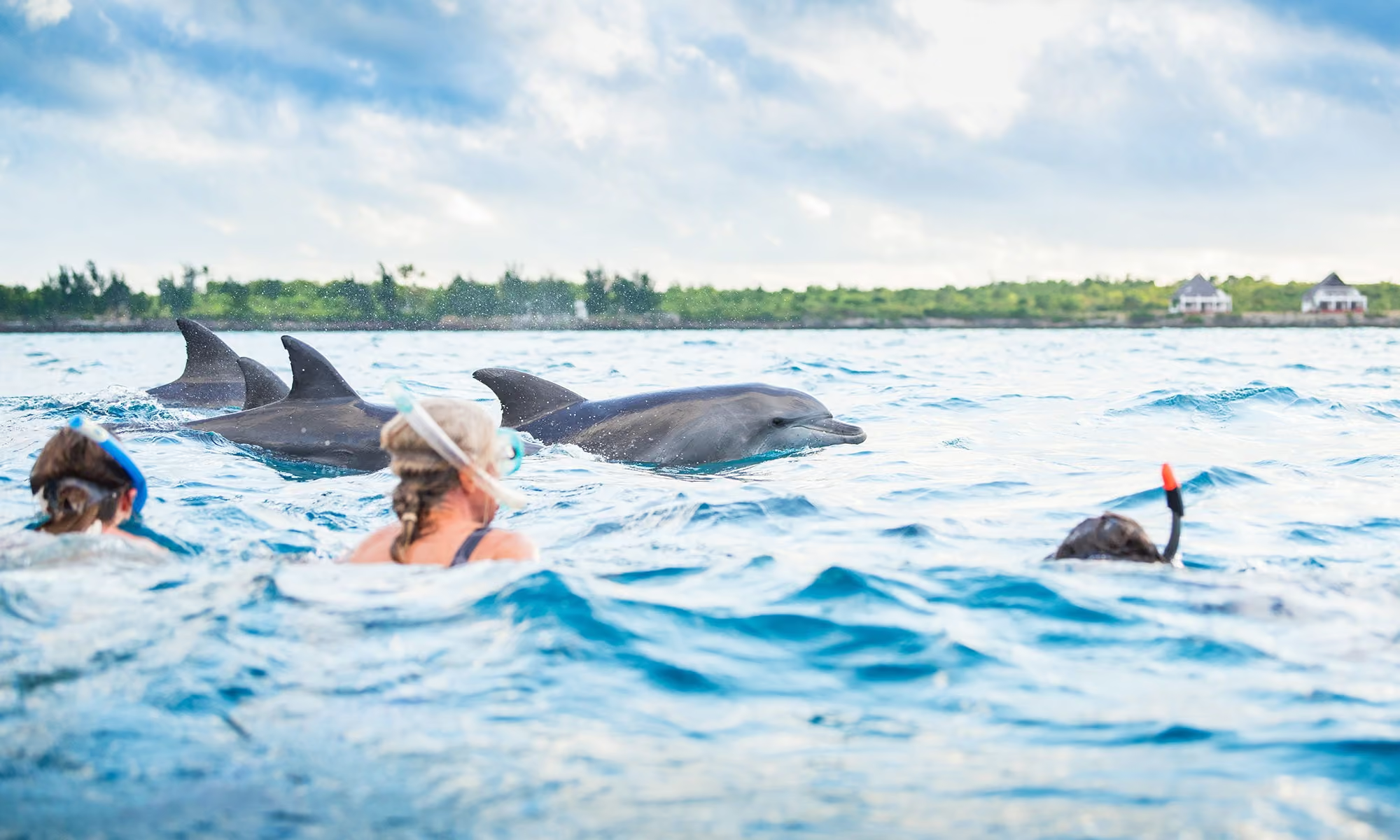
Zanzibar’s marine life adds another layer to the finale. The reef systems around the island offer excellent snorkelling and diving, with Mnemba Atoll off the north-east coast among the best-known sites for clear water, reef fish, turtles and occasional dolphin sightings.
For many guests, this is the gentlest possible contrast to safari: instead of scanning the grass for movement, you are floating above coral gardens, watching colour shift beneath the surface.
Dolphin encounters are also possible around Kizimkazi on the south-west coast, where resident spinner and bottlenose dolphins are sometimes seen. As with all wildlife experiences, these should be approached thoughtfully, with responsible operators and realistic expectations.
How Long Should You Spend in Zanzibar?
For most Tanzania safari itineraries, three to five nights in Zanzibar is ideal.
Three nights gives you a meaningful pause: a little Stone Town, a spice tour and some time on the beach. Four or five nights allows the island to feel less like an add-on and more like a true second chapter.
If you have travelled far for safari, this extra time is often what turns a remarkable trip into a complete East African journey.
Practical Details for a Zanzibar Safari Extension
Getting there: Zanzibar is easily reached by air from mainland Tanzania, including Dar es Salaam, Arusha and Kilimanjaro routes. BHS coordinates the logistics so the transition from safari to island feels smooth.
Visa: Zanzibar is part of Tanzania for visa purposes, although it is semi-autonomous. Entry requirements vary by nationality, so these should always be checked before travel.
Best time to visit: June to October is excellent, especially when paired with peak safari season in northern Tanzania. December to February is also a beautiful period for warm, sunny beach time.
Currency: Tanzanian Shillings and US Dollars are both widely used in tourist areas, though smaller local payments are often easier in local currency.
Ideal length: Three to five nights is the sweet spot for most safari travellers.
Add Zanzibar to Your Tanzania Safari
We often recommend Zanzibar at the end of a Tanzania safari because it changes the way the whole journey lands. You arrive home not only exhilarated by the bush, but restored by the coast.
A well-planned itinerary might take you through the Serengeti, Ngorongoro Crater or Tarangire, then finish with Stone Town, a spice tour and a few unhurried days beside the Indian Ocean. For some travellers, the safari high is enough. For many, Zanzibar is the quiet chapter that makes the story complete.
To plan a Tanzania safari with a Zanzibar finale, contact BHS at hello@bhs-safari.co or WhatsApp +27 63 298 6442.
FAQS
Yes. Zanzibar is a beautiful way to end a Tanzania safari, giving you warm Indian Ocean water, white-sand beaches, Stone Town, spice farms, and time to slow down after the Serengeti, Ngorongoro Crater, or Tarangire.
For most Tanzania safari and Zanzibar itineraries, three to five nights is ideal. Three nights gives you time for Stone Town, a spice tour, and the beach, while four or five nights allows the island to feel like a true second chapter
The best place to stay in Zanzibar depends on your travel style. Nungwi and Kendwa are good for swimming and sunsets; Paje and the east coast suit kitesurfing and wide-open beach scenery, while Stone Town is best for culture, history and food.
In Stone Town, you can explore narrow lanes, carved wooden doors, old trading houses, the Old Fort, the Sultan’s Palace Museum, the Anglican Cathedral and Forodhani Gardens. It is the best place to understand Zanzibar’s Swahili, Omani Arab, Indian and spice-trade history.
The best time to visit Zanzibar is usually June to October or December to February, when conditions are warm and well suited to beach time. June to October also pairs naturally with peak safari season in northern Tanzania.
Yes. Zanzibar offers excellent snorkelling and diving, with reef fish, turtles, coral gardens and clear Indian Ocean water. Mnemba Atoll is one of the best-known marine areas, while dolphin encounters may be possible around Kizimkazi with responsible operators.