

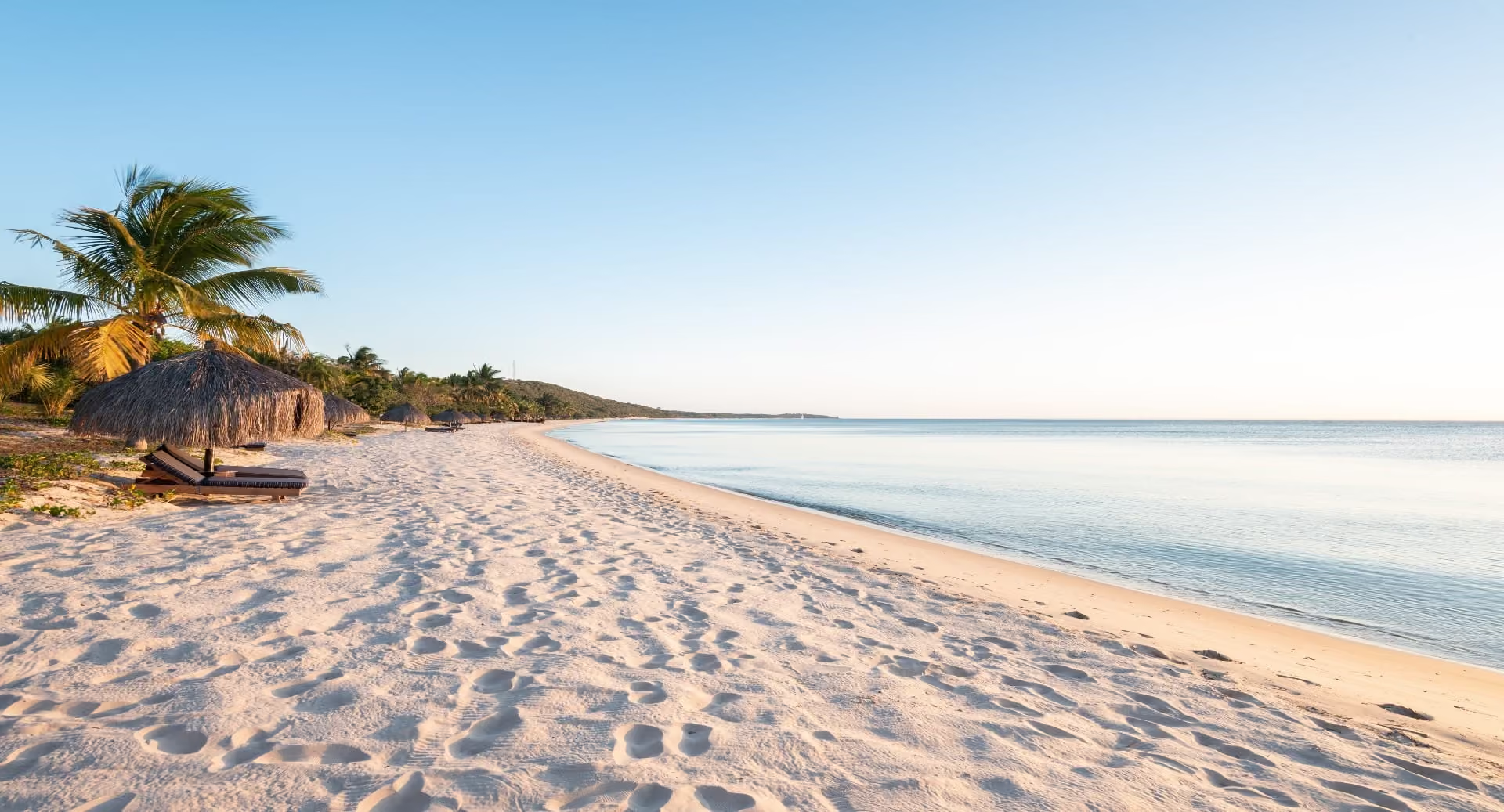
Some journeys feel like a secret waiting to be shared, and Mozambique is one of those secrets. With its wild national parks, coral-rich islands, and long, sun washed beaches, this is where safari and sea meet in perfect rhythm. You can spend mornings tracking lions in Gorongosa, afternoons snorkelling with whale sharks off Tofo, and evenings spent watching the sky blush pink over the Indian Ocean.
At BHS, we have explored Mozambique in every season, from lush, rain-washed summers to crisp, golden winter days. This guide will help you decide when to visit Mozambique, depending on what you want to experience. Wildlife, whale watching, diving or all three.
The Perfect Pairing
Why BHS loves this journey
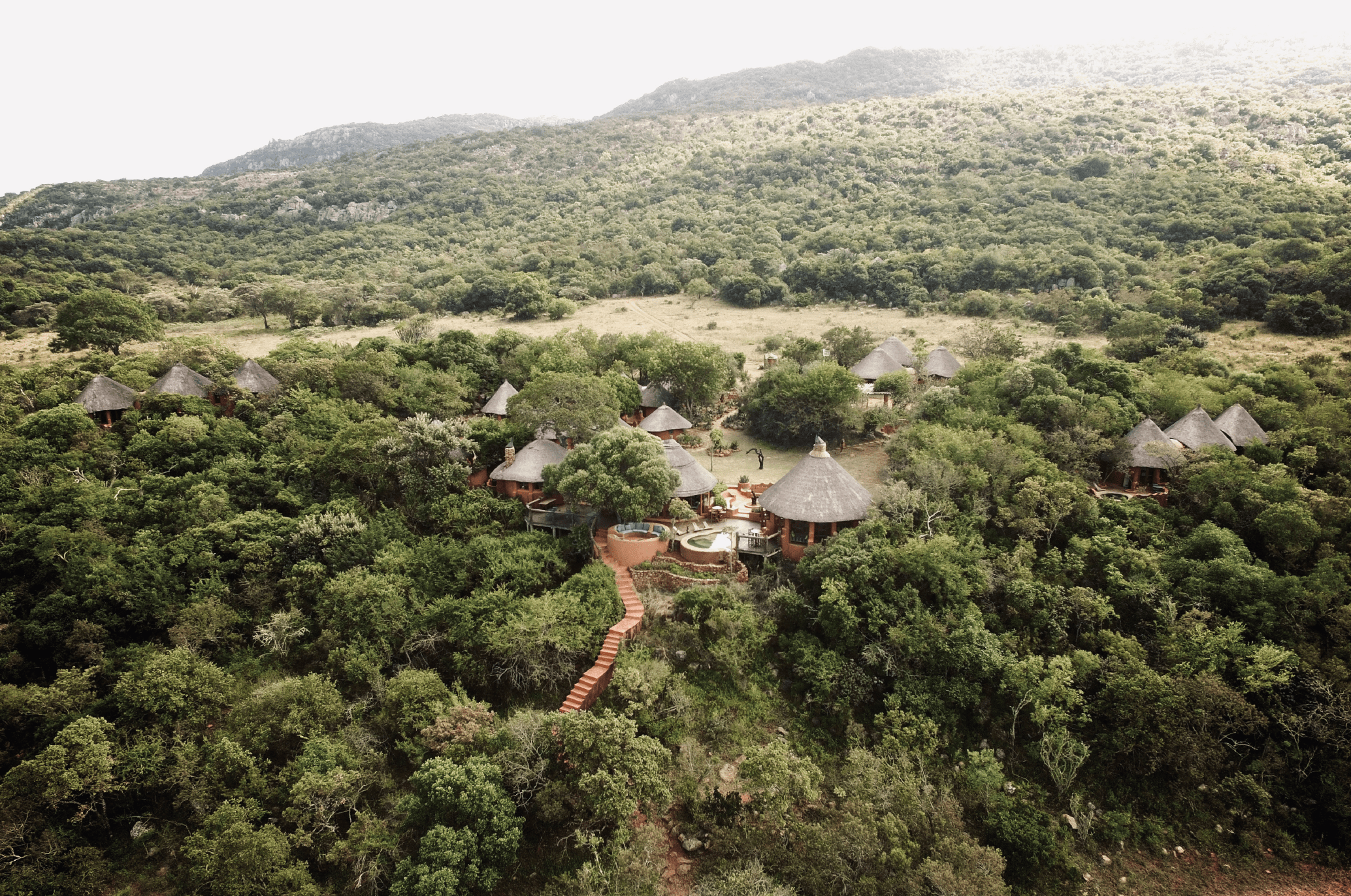
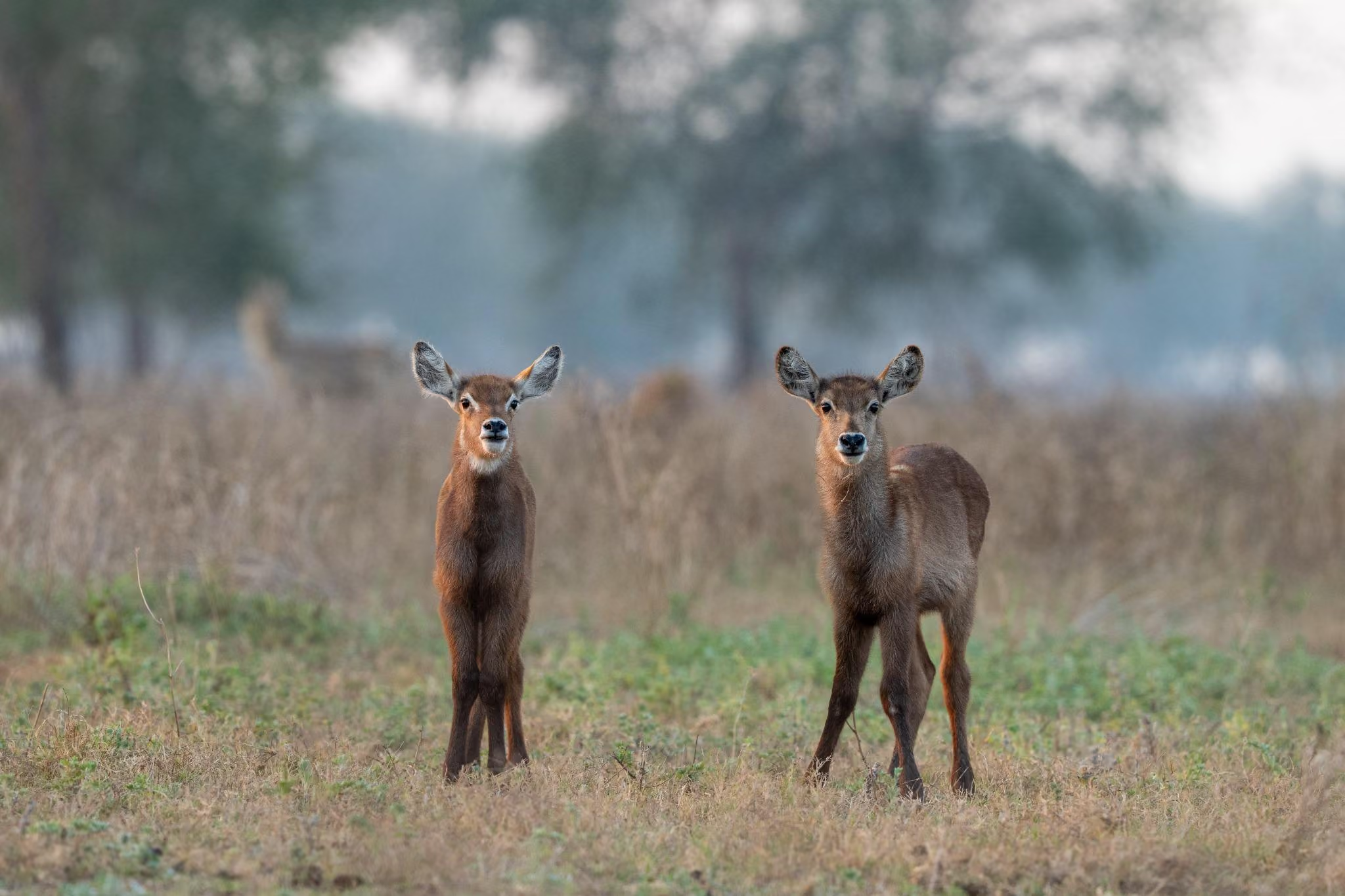
Mozambique is still wonderfully wild, it's where Africa's safari spirit meets the calm of the coast. You can go from elephants to ocean in one day - tracking herds through Gorongosa National Park or Maputo Special Reserve, then sinking your toes into white sand with a cold Laurentina in hand.
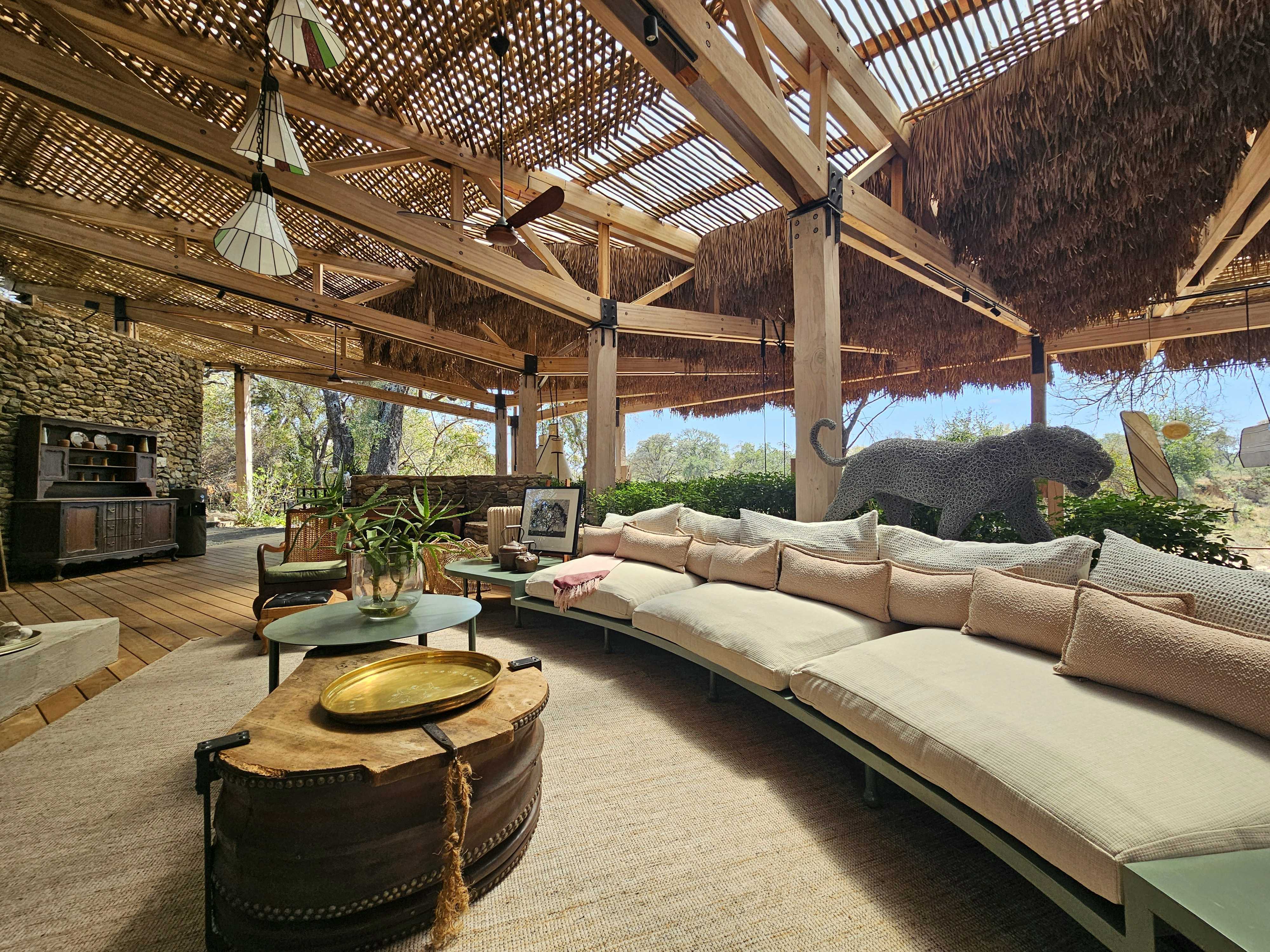
What we love most is how different it feels from other destinations. The lodges are small and soulful. The reefs are uncrowded, and there is always that sense you've discovered something untouched.
Whether you're diving among manta rays, watching turtle hatchings scurry to sea, or sipping away on wine on an island deck, Mozambique rewards the kind of traveller who seeks both serenity and story.
“The wildlife here is truly magnificent. We saw everything from massive herds of elephants to prides of lions in action. And the birdlife? Its simply spectacular” - Brett Horley
Why Travellers Love This Itinerary
Easy connections
Getting here is easier than you think. Daily flights connect Johannesburg and Kruger to Vilanculos, the gateway to the Bazaruto Archipelago, as well as to Maputo in the south. This makes Mozambique ideal for pairing with a Kruger Safari or a longer bush and beach holiday.
Year round warmth
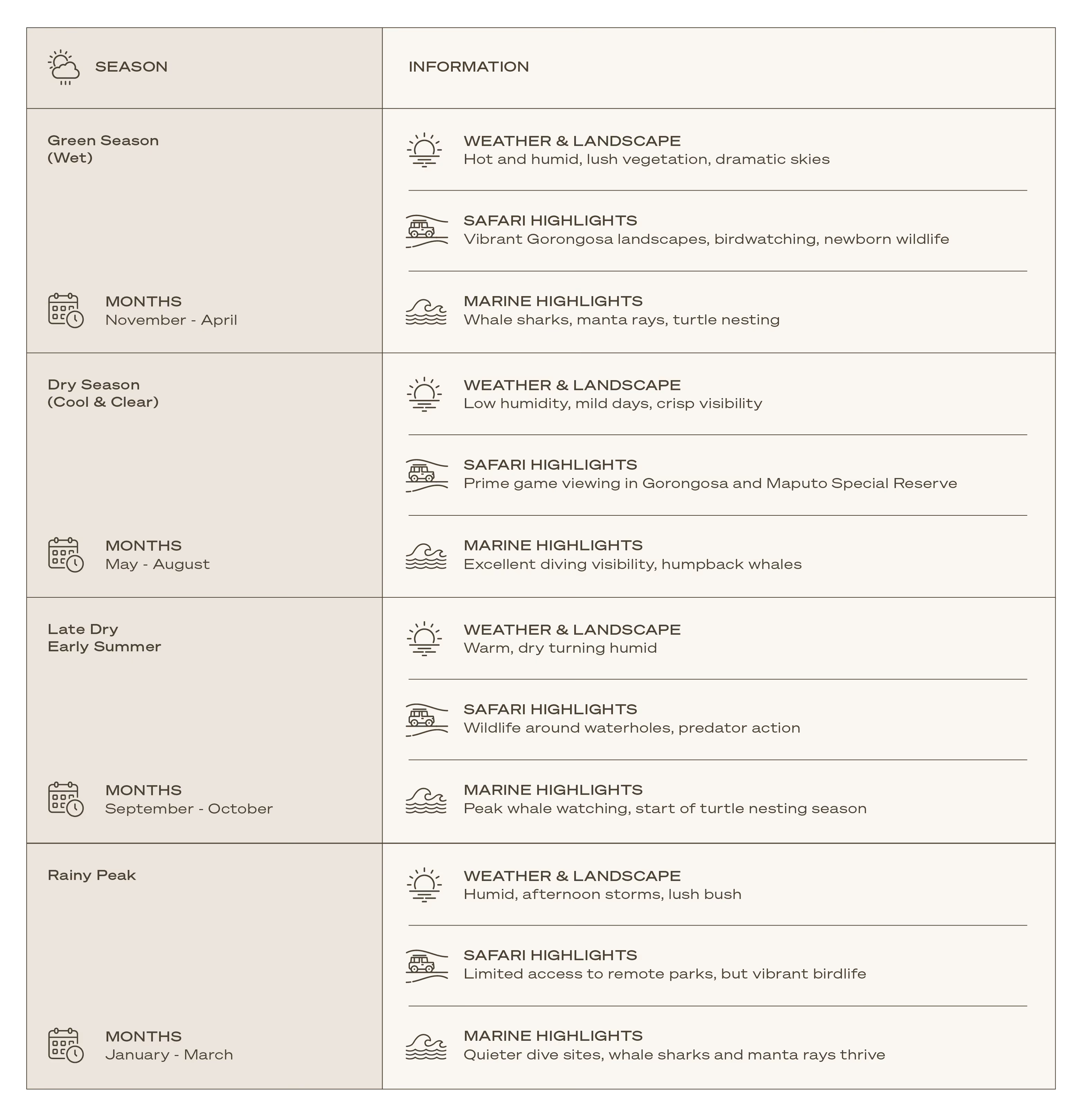
Mozambique enjoys a subtropical climate, meaning it's warm throughout the year. But each season brings its own uniqueness - from the emerald green vibrancy of summer to the dry, clear months that offer world class diving and wildlife sightings.
Mozambique Season Guide
The Dry Season (May - October)
If you are planning your first Mozambique trip, May to October is the perfect time. The air is clear, the humidity drops, and the bush comes alive with animal activity.
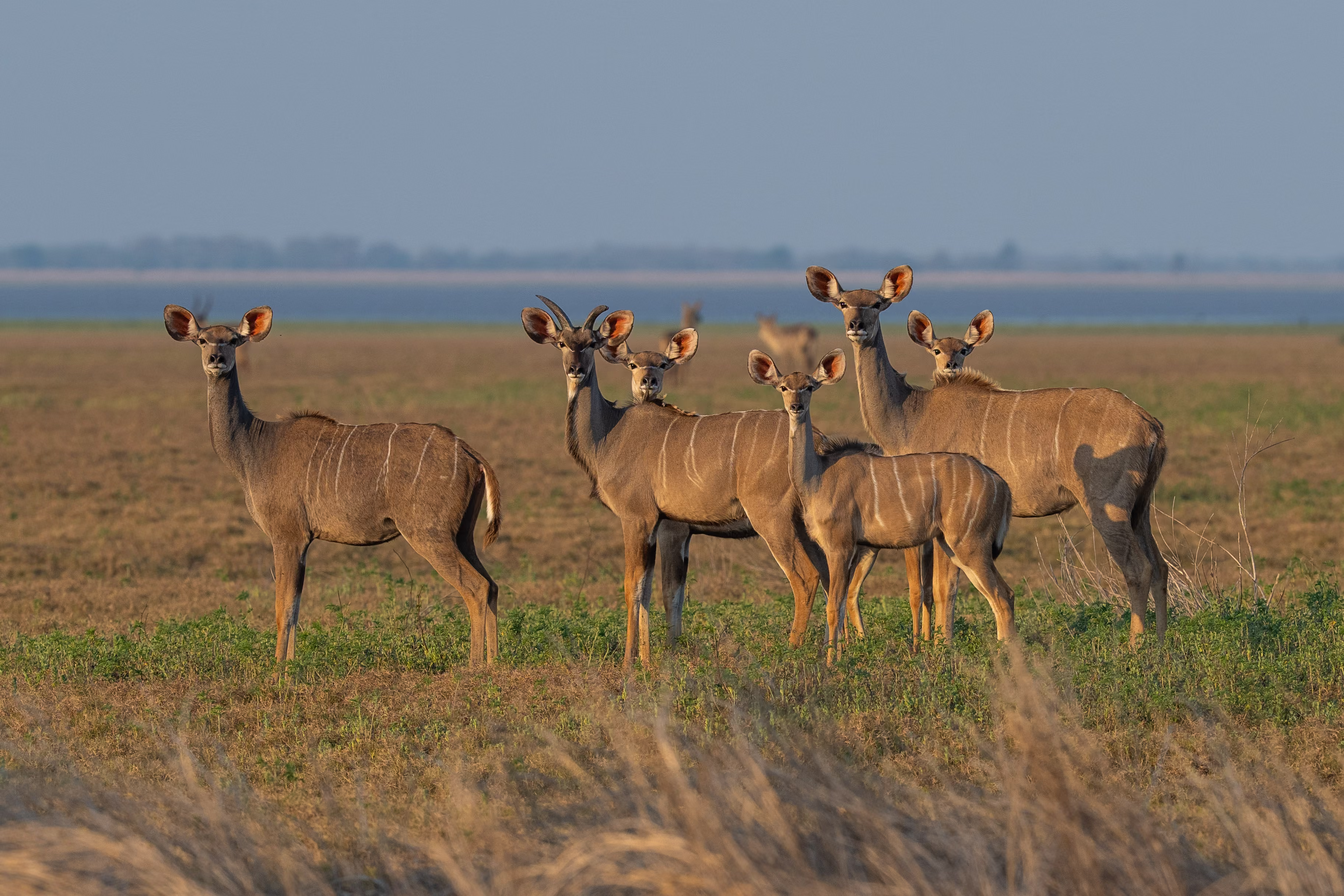
In Gorongosa, animals gather at the rivers as the floodplains dry, creating exceptional game viewing locations. Expect elephant herds, lion prides, hippo pods, and a bird list that seems to never end. Further south in Maputo Special Reserve, elephants wander coastal forests just a short drive from the sea. This combination feels uniquely Mozambican.
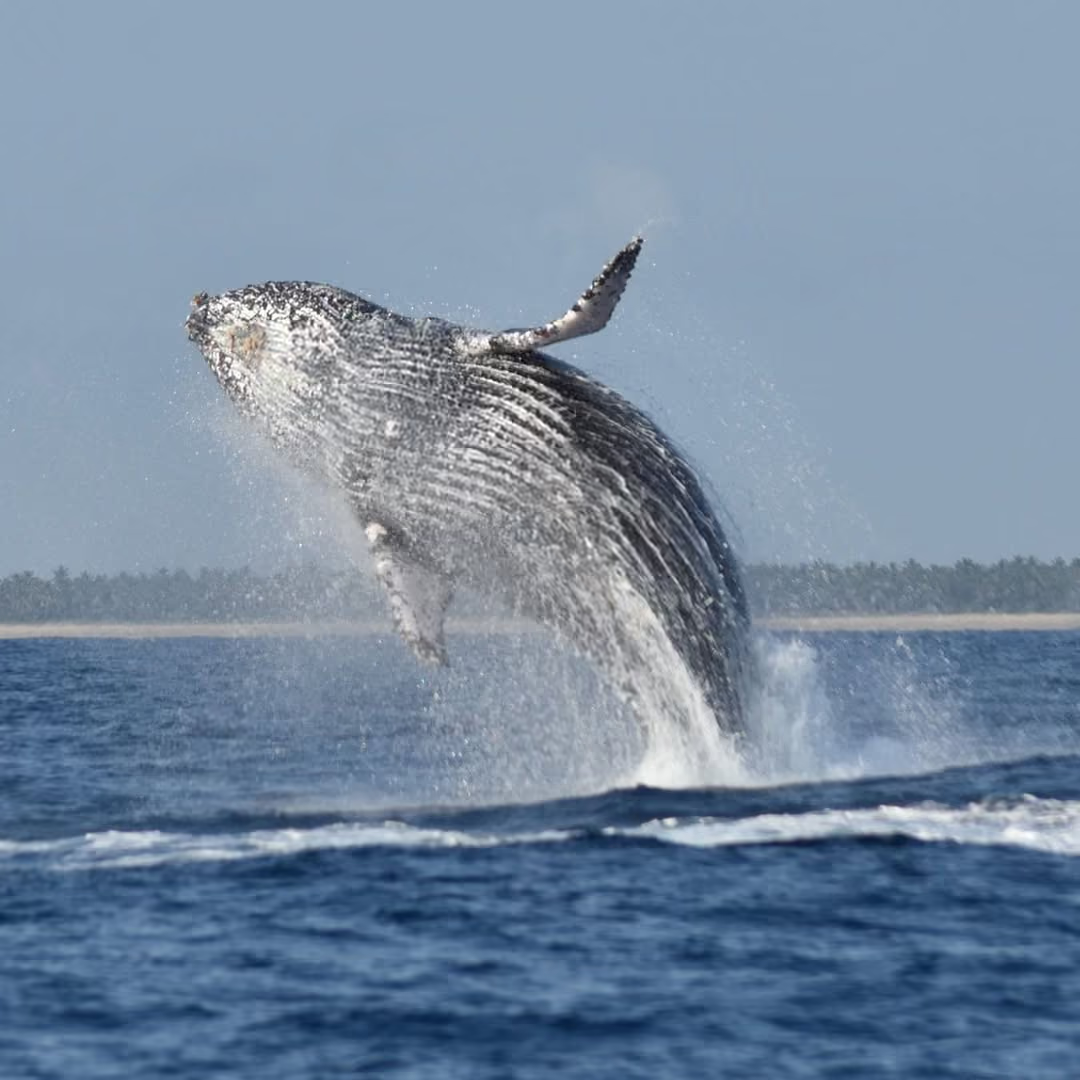
For marine lovers, the dry season offers perfect visibility. The Indian ocean is calm, and from June to October, migrating humpback whales pass the coast, often breaching dramatically near islands of Bazurato or Quirimbas.
Best for:
- Safari and game viewing
- Whale watching
- Diving and snorkelling
- Comfortable travel weather
Insider tip: Combine Gorongosa with the Bazaruto Archipelago for the ultimate safari and sea paring. It's a journey that captures Mozambique’s soul - raw, colourful, and deeply restorative.

The Green Season (November - April )
When the rains arrive, Mozambique turns into a lush, living canvas. The landscapes glow in deep shades of green, and afternoon storms create spectacular skies for photographs.
The birdwatching season, with migratory species arriving in their thousands. It's also calving time for plains game, meaning predator sightings can be excellent. Though some remote reserves may be more difficult to access, Gorongosa and Maputo Special Reserve remain open and rewarding.
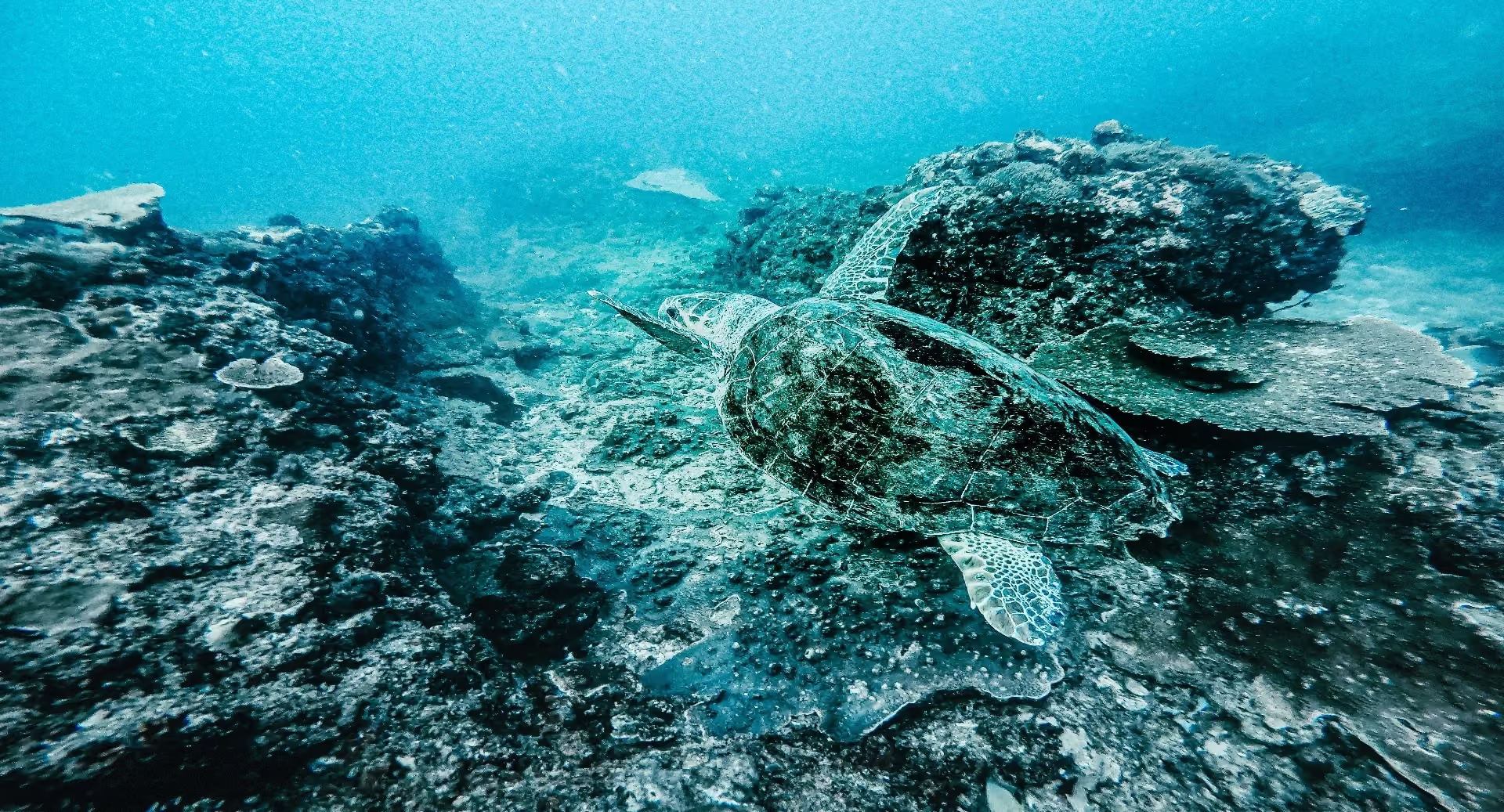
Underwater, the magic continues. Whale sharks and manta rays gather in large numbers off Tofo, and nesting sea turtles start arriving on beaches from November - February, with hatchlings emerging a few weeks later.
Best for:
- Birdwatching and photography
- Whale sharks, manta rays, and turtles
- Fewer tourist and lower rates
Good to know: Rain often comes in short bursts, with sunshine before and after. Its a season of colour and life. Making it perfect for travellers, who love Africa at its most vibrant.
When to see Mozambique's Marine Giants
- Whale Sharks: November to March (Tofo, Bazaruto)
- Turtle Nesting: November to February (Bazaruto, Ponta do Ouro)
- Humpback Whales: June to October (visible along the coast)
- Best Diving Visibility: May to September
Mozambique's waters are among the most biodiverse in the Indian Ocean. Diving here feels intimate, less boats, pristine reefs, and that exhilarating sense of discovery.
What to Expect
Wildlife Encounters
While Mozambique is often known for its coast, the country’s national parks are quietly making a comeback. Gorongosa, in particular, has become one of Africa’s most inspiring conservation success stories, with thriving populations of elephant, lion and antelope.
Ocean Encounters
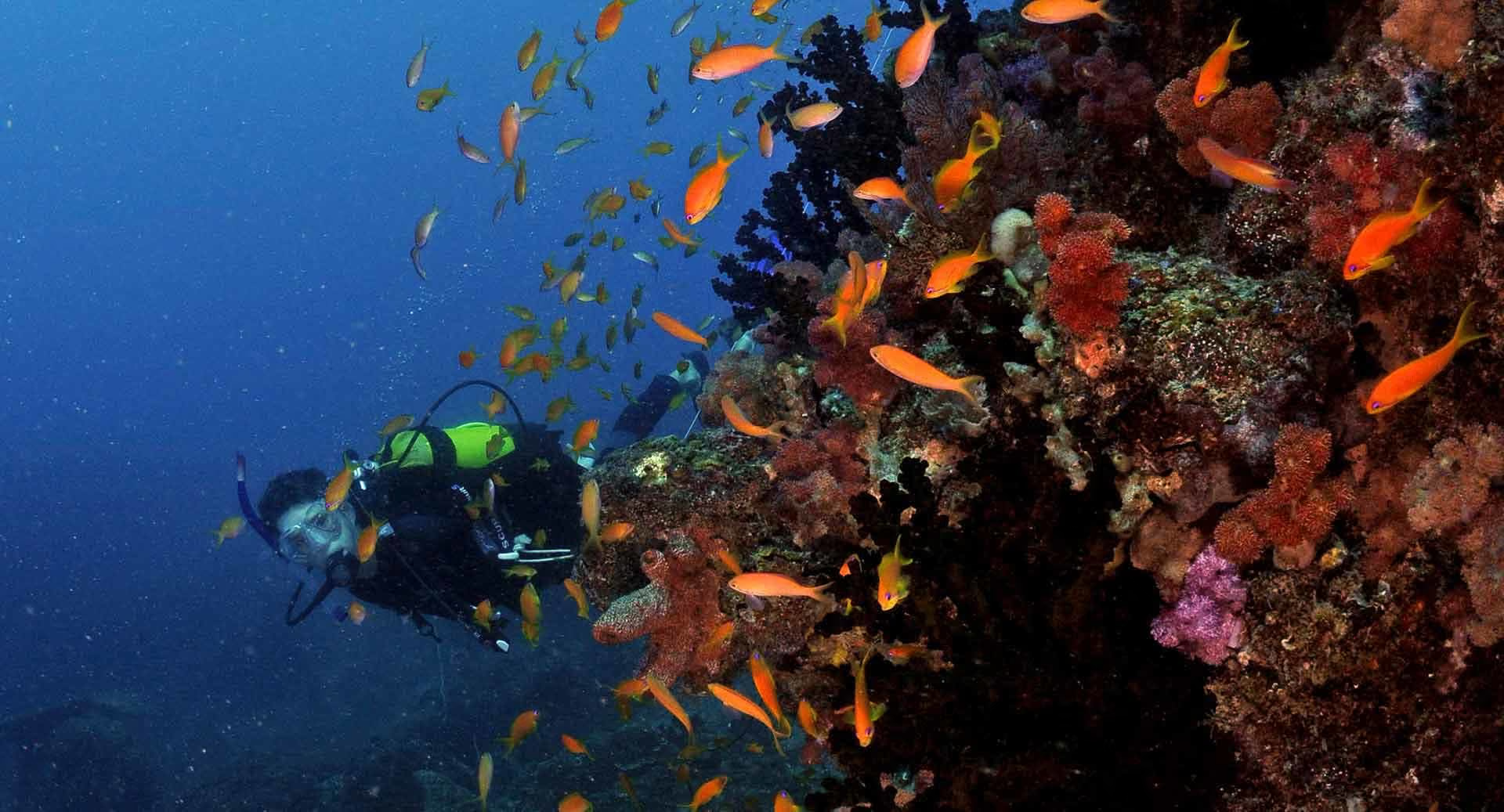
From the reefs of Bazaruto to the coral walls of Tofo, Mozambique is a diver’s dream. None - divers can enjoy island picnics, dhow cruises, sea kayaking, or simply floating in turquoise lagoons.
Culture & Connection
Mozambique’s charm lies not only in its nature but in its rhythm. The warmth of the people, the blend of African and Portuguese heritage, and the slow, melodic pace of life by the sea.
Plan Your Mozambique Journey
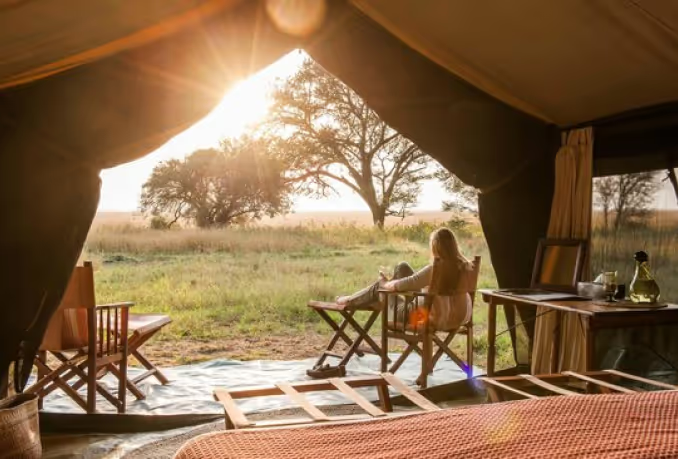
Mozambique is for travellers who crave both wild spaces and quiet moments. Those who want to fall asleep to the sounds of the bush and wake up to the rhythm of the sea.
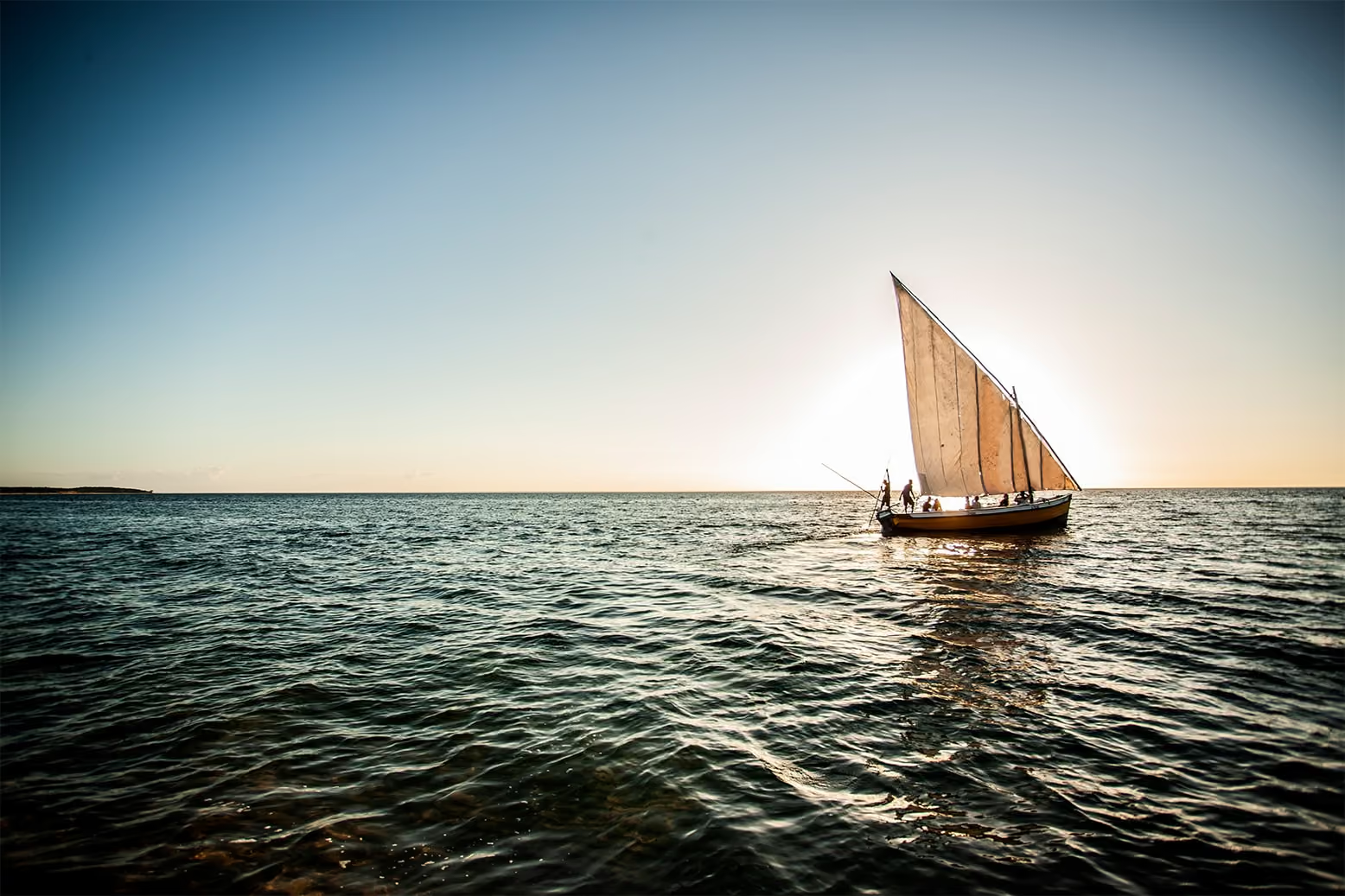
At BHS, we will tailor your journey to the seasons, whether thats driving with whale sharks in Tofo, spotting lions in Gorongosa, or watching the sunset from a dhow in Vilanculos.
Start planning your safari and sea adventure today and discover why Mozambique is Africa's best kept secret.
FAQS
The best time to visit Mozambique depends on what you want to experience. May to October is ideal for safari, diving visibility, comfortable weather, and humpback whales, while November to April is better for whale sharks, manta rays, turtles, birding, and lush landscapes.
The best time for a Mozambique safari is usually the dry season from May to October, when wildlife is easier to see around rivers and water sources. Gorongosa and Maputo Special Reserve are especially rewarding during this period.
For diving in Mozambique, May to September often brings the clearest visibility. For whale sharks and manta rays, November to March is best, while humpback whales are usually seen along the coast from June to October.
Yes. Mozambique pairs beautifully with a safari, especially through Kruger or other Southern African routes. You can combine Gorongosa, Maputo Special Reserve, Bazaruto, Tofo, or Vilanculos for a journey that moves from wild bush to warm Indian Ocean coast.
Yes. Mozambique’s green season, from November to April, can be beautiful if you enjoy lush landscapes, dramatic skies, birding, fewer visitors, and rich marine life. Rain often falls in short bursts, with sunshine before and after.
For a strong Mozambique safari and beach itinerary, allow around 10 to 12 days. A good rhythm is four to five nights on safari followed by five to six nights on the coast or islands.