

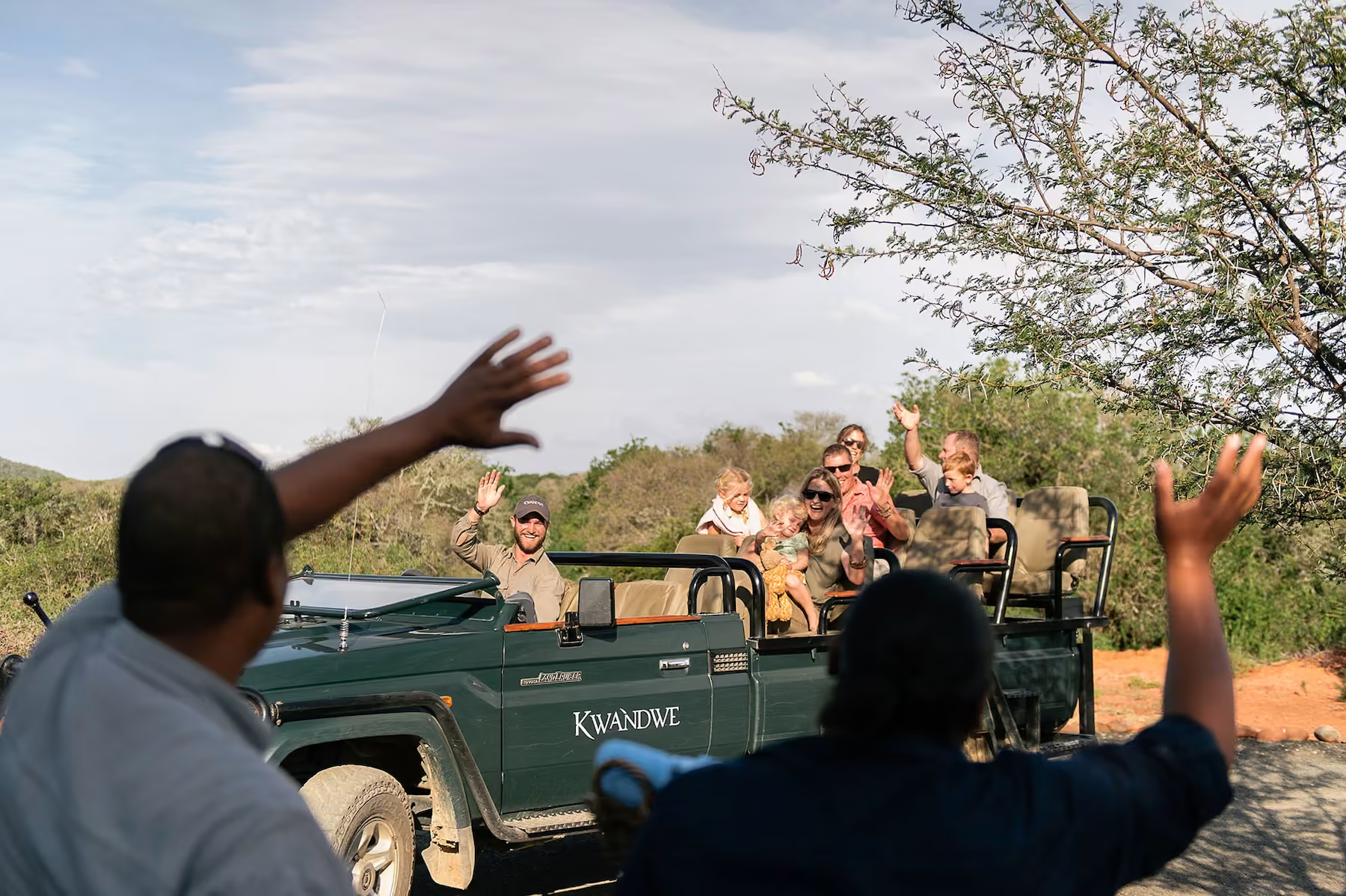
Thinking about bringing the family on safari, but wondering whether it will really work for everyone? For many parents, the idea of a family safari in Africa feels wonderfully exciting, but it also comes with practical questions. Will the children enjoy the game drives? Are the lodges genuinely family-friendly? Should you choose a malaria-free reserve? How do you make sure the trip feels relaxed rather than overwhelming?
The reassuring answer is that family safari travel has changed enormously. Many of Africa’s best safari lodges are now beautifully set up for families, with inter-leading rooms, private villas, flexible mealtimes, children’s activities, experienced guides, and the option of private vehicles. When planned well, a safari does not feel complicated or intimidating. It feels spacious, exciting, and deeply grounding.
For Brett Horley, family safari is deeply personal. As he says, “my best experiences, my best memories on Safari is with my personal family”.
That is really the heart of it. A safari is not just another holiday. It is time together in wild places, far from everyday routines, where everyone looks up, listens closely, and shares something rare.
Why Safari Works So Well for Families
Safari has a quiet way of bringing families into the same moment. Children become curious, teenagers often become more present, and parents get to see the wilderness through fresh eyes. Grandparents, too, tend to love the gentle rhythm of safari: early mornings, shared sightings, long meals, fireside stories, and unhurried time together.
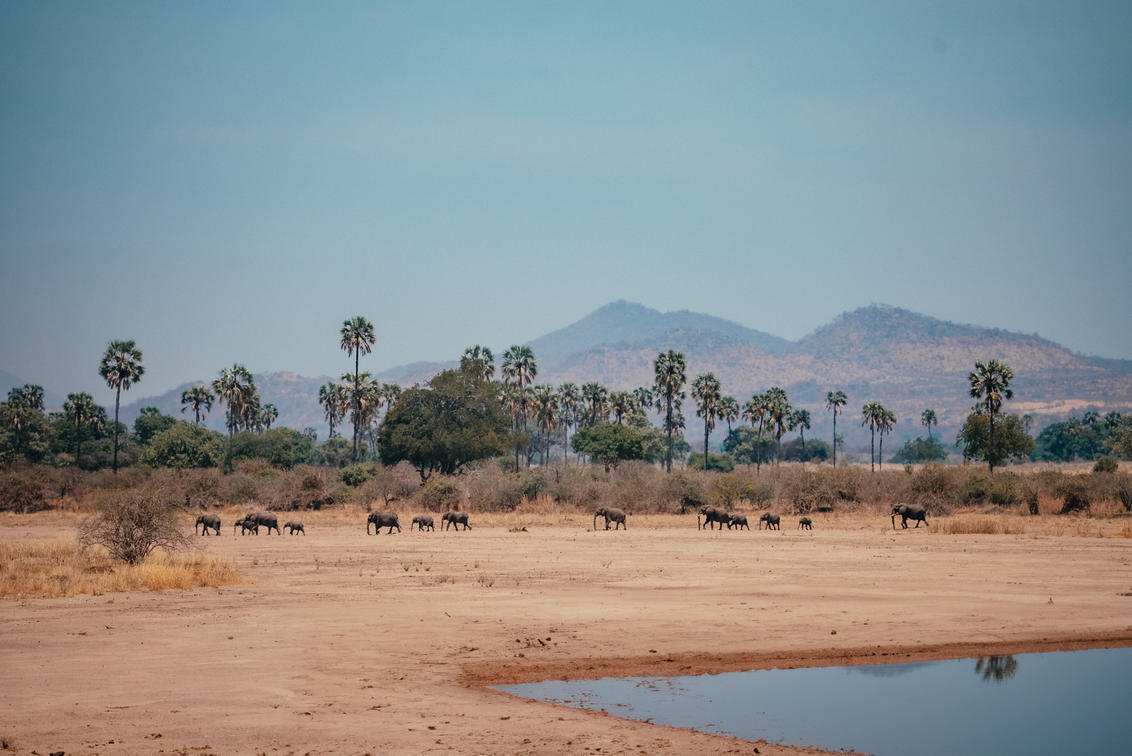
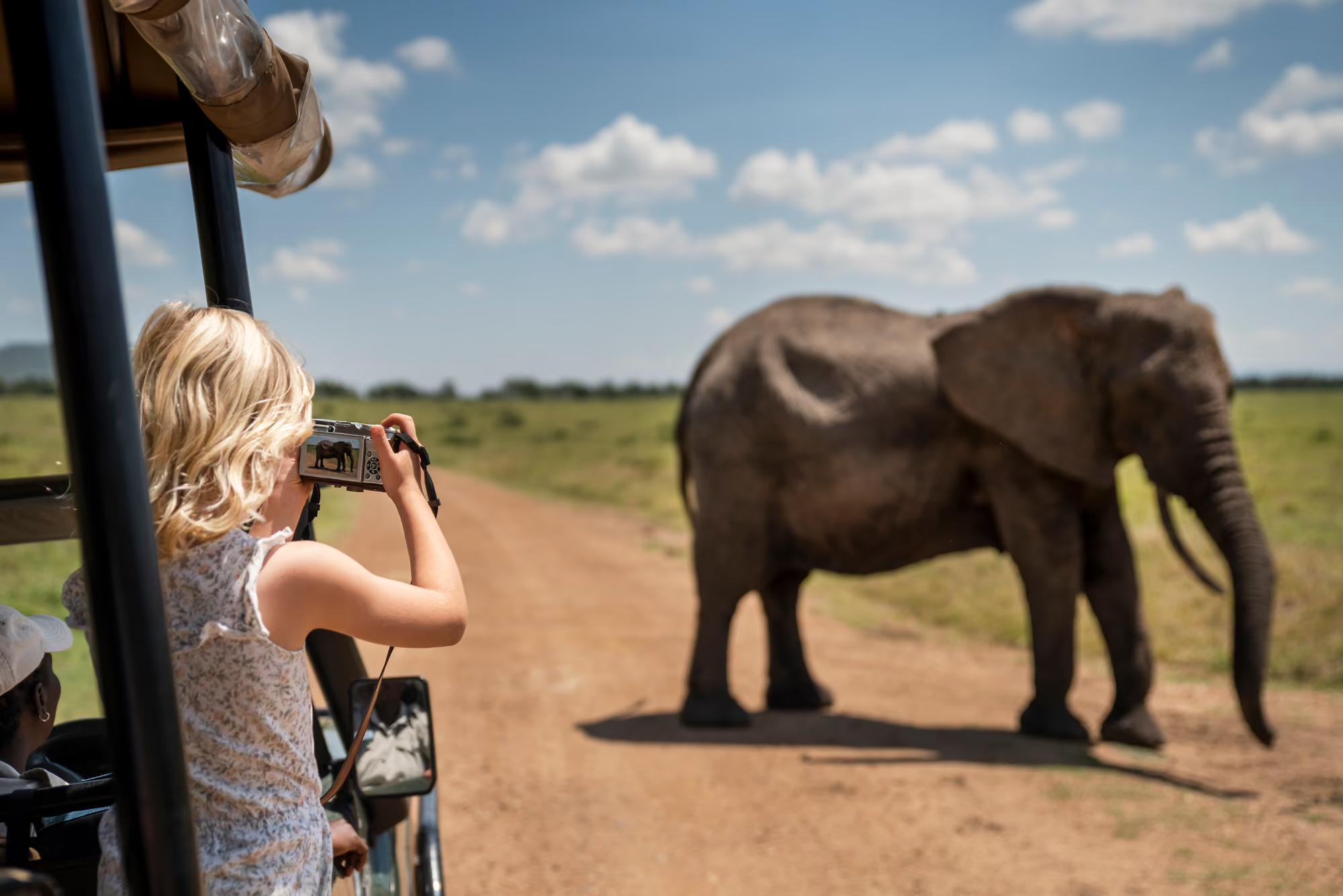
Of course, the wildlife is part of the magic. Seeing an elephant up close, watching lions move through the grass, or following fresh tracks with a guide can be extraordinary. But the real beauty is often in the smaller details too: birdsong at first light, the silence before a sighting, a child spotting something before anyone else, or the way a brilliant guide can turn a game drive into a story everyone wants to follow.
For more age-specific planning, explore our guide to family safaris in Africa.
The Moments You Never Forget
Some safari memories stay with a family for life because they feel almost impossible to recreate anywhere else.
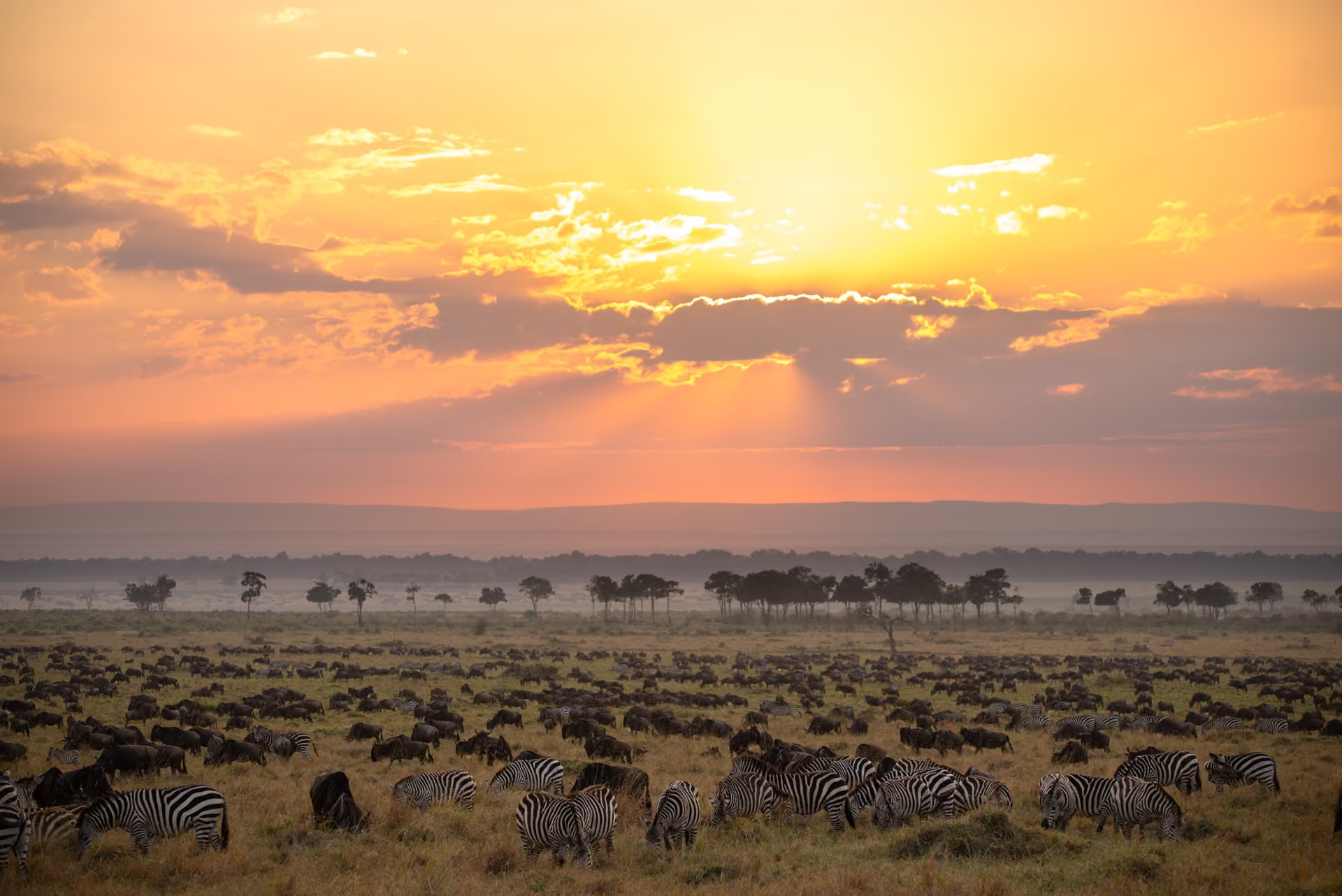
Brett describes one of those moments as “the uniqueness of them being in the Serengeti, the sun going down, 10,000 gnues coming past.”
It is such a vivid image: the plains stretching out, the evening light, the movement of animals, and the feeling of being there together.
For your family, the moment might be a hot air balloon rising over the Serengeti, a helicopter flight over wild country, a child seeing their first giraffe, or a quiet pause beside a waterhole as animals come and go. These are not just sightings. They become the stories your family tells for years.
Is Safari Safe for Children?
Yes, safari can be safe for children when it is planned properly. The key is choosing the right reserve, lodge, guide, vehicle setup, and pace. Not every safari camp is suited to younger guests, but many properties now understand family travel extremely well and have clear safety protocols, thoughtful layouts, flexible schedules, and staff who know how to make children feel comfortable.
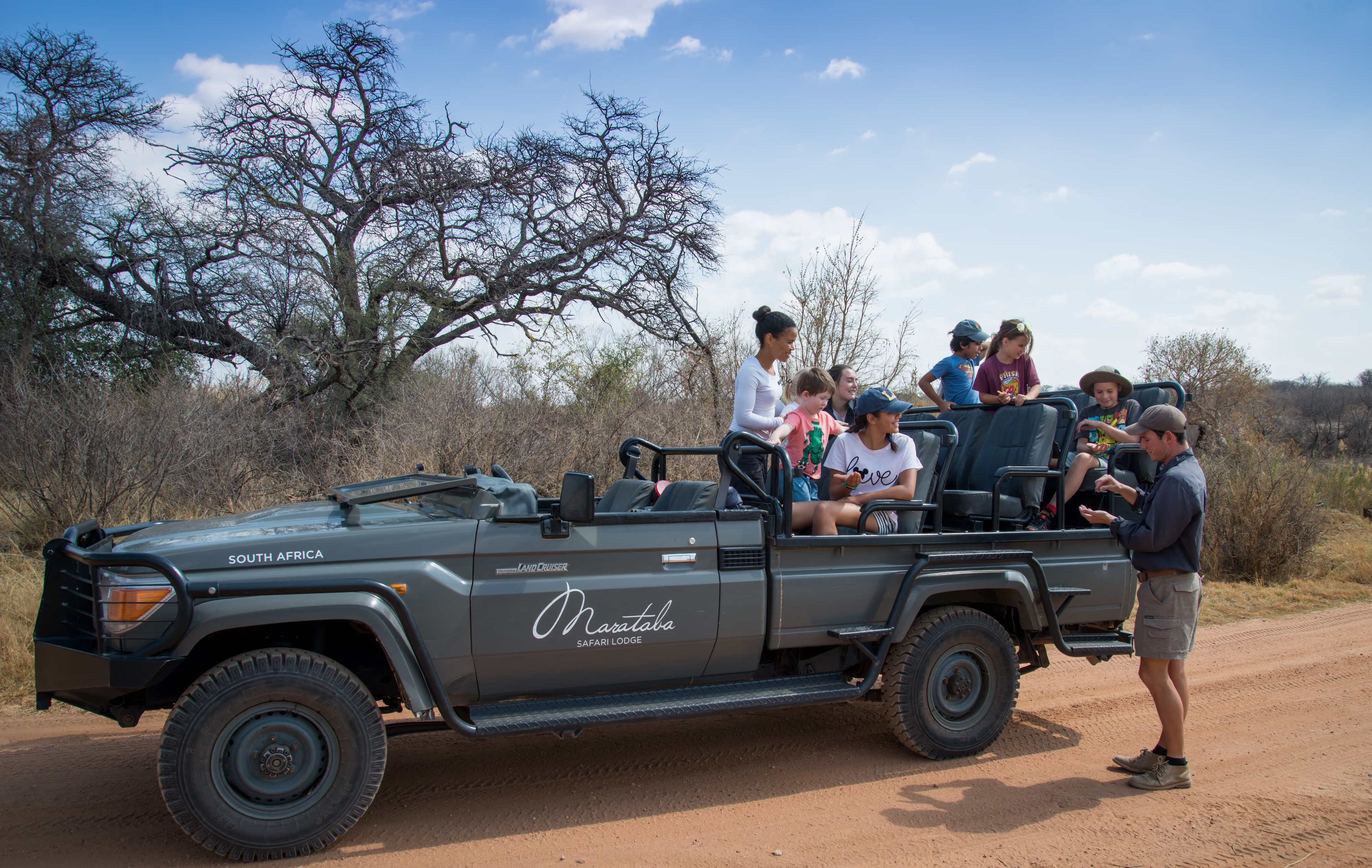
A private vehicle can make a big difference, especially with younger children. It allows the guide to shape the day around your family, shorten drives when needed, and return to camp when everyone is ready for a swim, lunch, or a rest. A good family safari should feel calm, flexible, and well considered, with children understanding the basic rules and parents feeling confident in the guiding team.
What Makes a Safari Lodge Family-Friendly
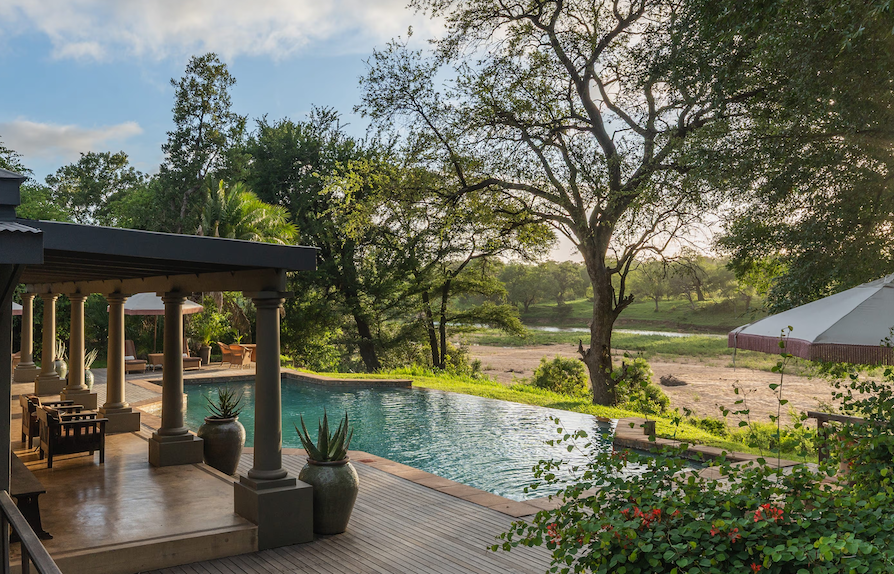
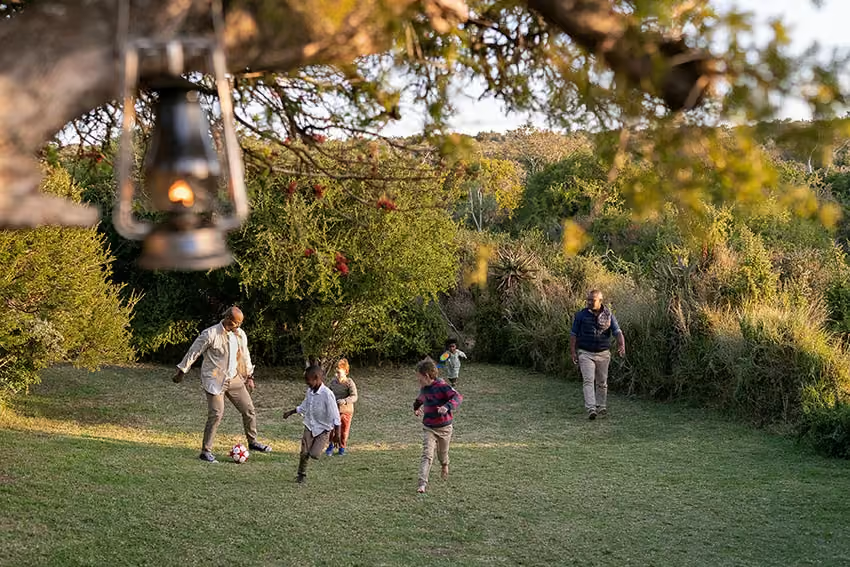
A family-friendly safari lodge is not simply a lodge that accepts children. It is one that has genuinely thought about how families travel. The best options may include inter-leading rooms, exclusive-use villas, private guides, flexible dining, babysitting, swimming pools, child-friendly meals, safe lodge layouts, and guides who know how to keep younger guests engaged.
Some lodges offer spoor tracking, junior ranger activities, stargazing, crafts, cooking, or nature walks, where age-appropriate. Others are ideal because they are small, private, and flexible. At BHS, we look closely at the ages of the children, the family’s comfort level, and the kind of safari rhythm that will feel most natural before recommending where to stay.
Malaria-Free Family Safaris
Malaria is one of the most common concerns for parents planning a safari with children. For many younger families, a malaria-free safari region can offer real peace of mind while still delivering a beautiful wildlife experience. South Africa’s Eastern Cape and Waterberg are both well-known malaria-free safari areas and can work especially well for families.
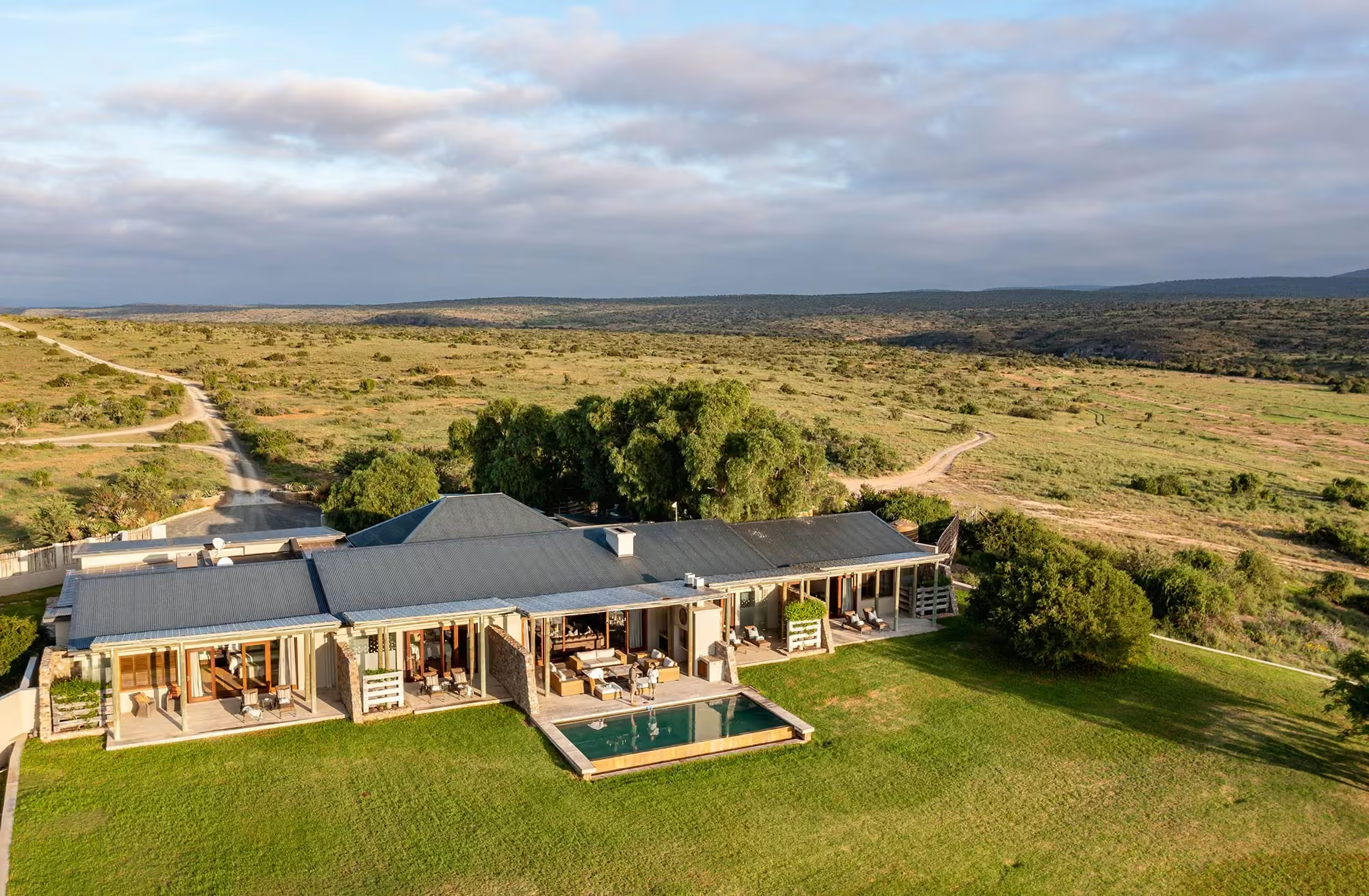
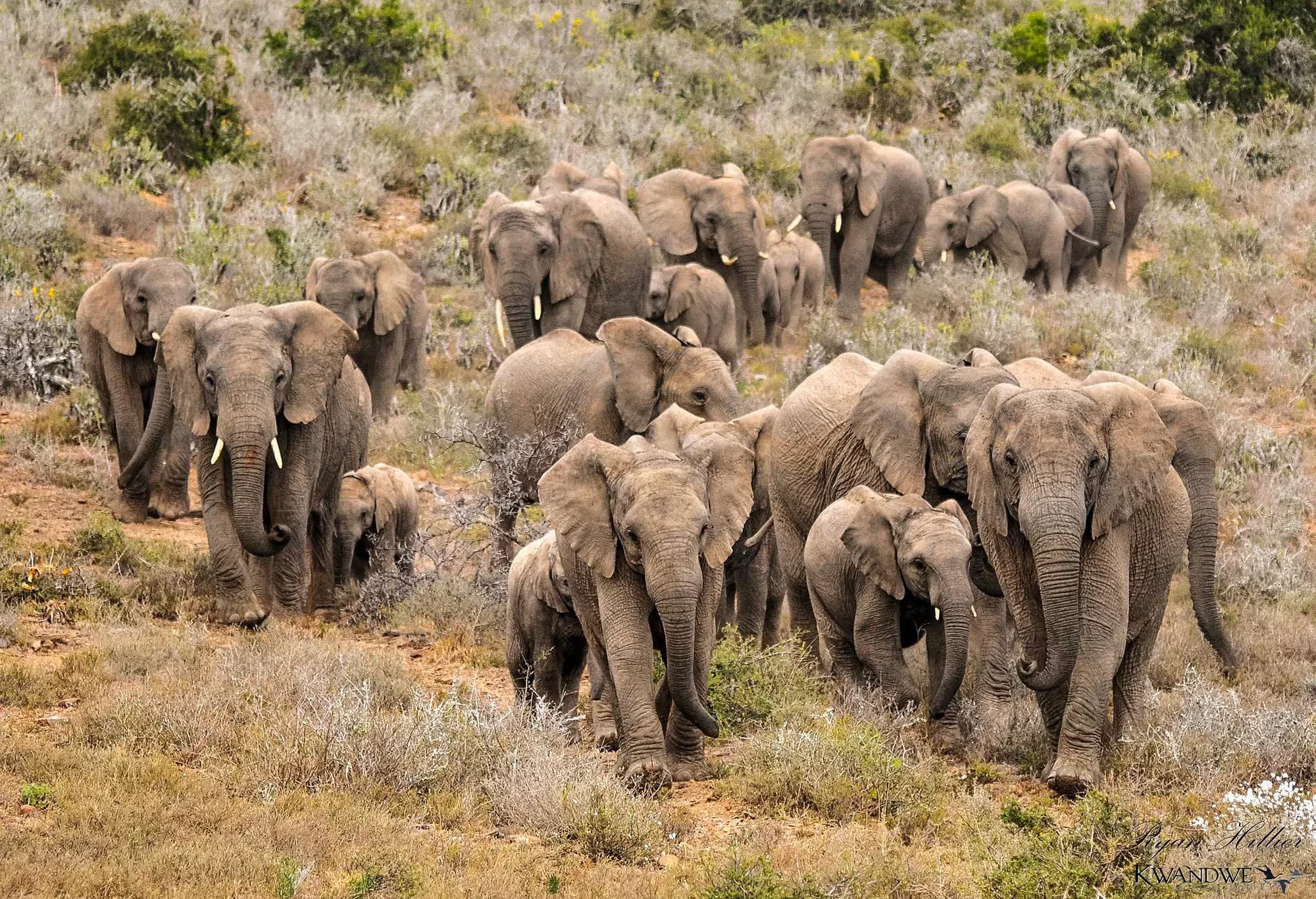
The Eastern Cape is particularly appealing because it combines easily with Cape Town or the Garden Route. It also offers Big Five safari experiences, private villas, and excellent lodges for families. Kwandwe Private Game Reserve is one of the standout options here, especially for families wanting a malaria-free safari with private space, refined comfort, and superb guiding.
For families comfortable travelling in malaria areas, destinations such as Greater Kruger, Botswana, Kenya, Tanzania, and Zambia can also be exceptional. The key is to plan carefully, understand the season and region, and follow current medical advice before travelling.
Family Safaris for Every Age
There is no perfect age for a first safari. There is only the right safari for your family at the stage you are in. With babies and toddlers, the focus is usually on ease: short transfers, private space, flexible meals, and gentle pacing.
Children aged around seven to twelve often find safari wonderfully engaging. They are old enough to follow tracks, ask questions, remember stories, and begin to understand the bush in a more meaningful way. At this age, a good guide can make the wilderness feel fascinating without it ever feeling like a lesson.
Teenagers may enjoy safaris that feel more active or adventurous. Photography, walking where age-appropriate, helicopters, hot air balloons, conservation experiences, or destinations such as the Serengeti, Botswana, Namibia, and Victoria Falls can all add excitement and scale. For multi-generational families, exclusive-use safari homes and private villas are often ideal, giving everyone space, privacy, and flexibility while still creating beautiful shared time together.
For more guidance on choosing the right safari for each age and stage, visit our family safaris in Africa page.
The Real Gift of a Family Safari
A family safari is not about ticking off animals or trying to fit too much into each day. It is about creating the conditions for meaningful time together. The right itinerary gives a family space to be curious, to rest, to laugh, to learn, and to experience something much larger than everyday life.
In a world where family time is often squeezed between schedules, screens, and commitments, safari offers a different pace. It asks everyone to slow down and pay attention. That is what makes a family safari in Africa so powerful: not only the landscapes, the wildlife, or the lodges, but the memories that stay with you long after you have returned home.
Plan Your Family Safari Journey
The best family safaris are designed around your children’s ages, your comfort levels, and the kind of memories you want to create together. At BHS, we help shape every detail, from the right lodge and guide to the pace of each day.
Contact us to start planning your tailor-made family safari in Africa.
FAQS
Yes. A family safari in Africa can be one of the most meaningful holidays you take together, combining wildlife, adventure, learning and time away from everyday routines. With the right lodge, guide and pace, safari feels exciting, safe and deeply memorable for all ages.
Yes. Safari is safe for children when it is planned carefully around the right reserve, lodge, guide, and activities. Family-friendly lodges have clear safety protocols, experienced staff, suitable accommodation, and flexible schedules to help everyone feel comfortable.
There is no single best age for a family safari. Younger children usually need shorter transfers, flexible meals and gentle pacing, while children aged seven and older often become highly engaged with tracking, wildlife and guiding. Teenagers may enjoy more active experiences such as photography, walking where appropriate, or conservation activities.
Yes. Malaria-free family safaris are available in South Africa, especially in regions such as the Eastern Cape and Waterberg. These areas can offer excellent wildlife, private lodges, and peace of mind for families travelling with younger children.
A private safari vehicle is often recommended for families, especially with younger children. It allows your guide to adjust drive times, return to camp when needed and shape the safari around your family’s rhythm rather than a fixed group schedule.
,
A family-friendly safari lodge is one that genuinely understands how families travel. The best options may include interleading rooms, private villas, child-friendly meals, swimming pools, babysitting, junior ranger activities, and guides who know how to keep younger guests curious and engaged.