

Marrakech in 48 Hours: The BHS Guide to the Red City
Forty-eight hours in Marrakech sounds both brief and perfectly adequate, until you arrive and discover that Marrakech operates on its own temporal logic entirely. The city expands as you walk into it, the medina’s alleys multiplying endlessly, every corner revealing a courtyard, a fountain, a cat in a shaft of afternoon light. Two days is a beginning. But what a beginning.
For travellers looking to discover more than just the city, our Morocco destination guide explores how Marrakech fits into a journey through the Atlas Mountains, the Sahara and beyond.
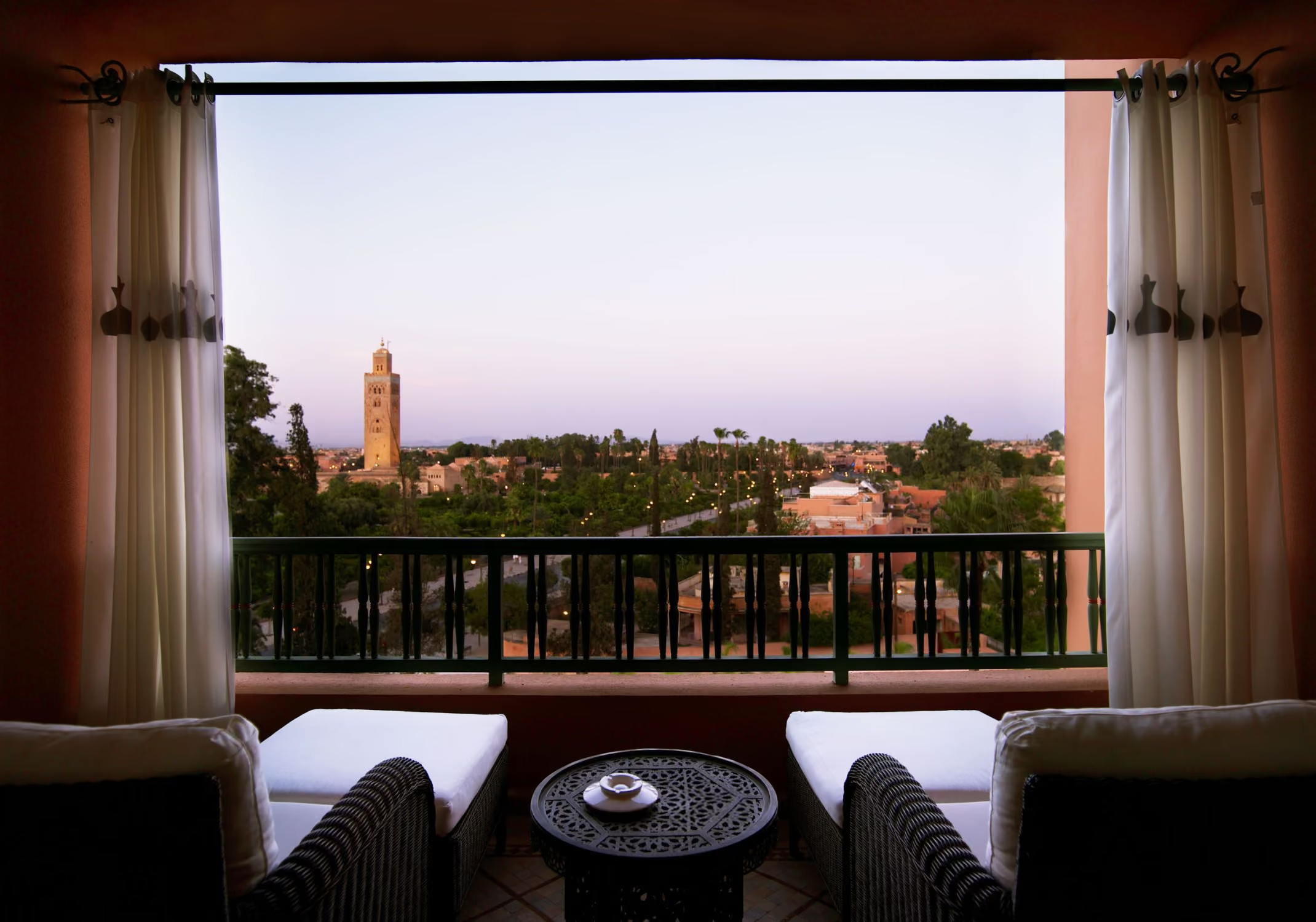
Day One
Morning: The Medina at Dawn
Set your alarm early. The medina before the crowds is extraordinary: the donkey-drawn carts of the bakers making deliveries, the first prayer call still reverberating off terracotta walls, the souk stalls opening one by one as their owners unlock padlocks worn smooth by decades of use. Walk without a map. Get thoroughly lost. Find your way back by the sound of the Djemaa el-Fna’s gathering energy.
Late Morning: The Souks
The souk quarter north of the Djemaa is organised into specialist streets, each devoted to a single craft. Follow the smell of cedar to the woodworkers. Follow the hammering to the copper smiths. Arrive at the dyers’ quarter and watch wool emerge from vats of saffron and indigo in colours that no filter could improve. Buy something you don’t need and don’t regret it.
Lunch: The Rooftops
Climb to one of the medina’s rooftop restaurants for lunch with a minaret view and a plate of bastilla, the extraordinary sweet-savoury pigeon pie that is Marrakech’s highest culinary achievement. Order the kefta kebabs alongside it. Order the fresh orange juice again as soon as it arrives.
Afternoon: The Majorelle Garden and Yves Saint Laurent Museum
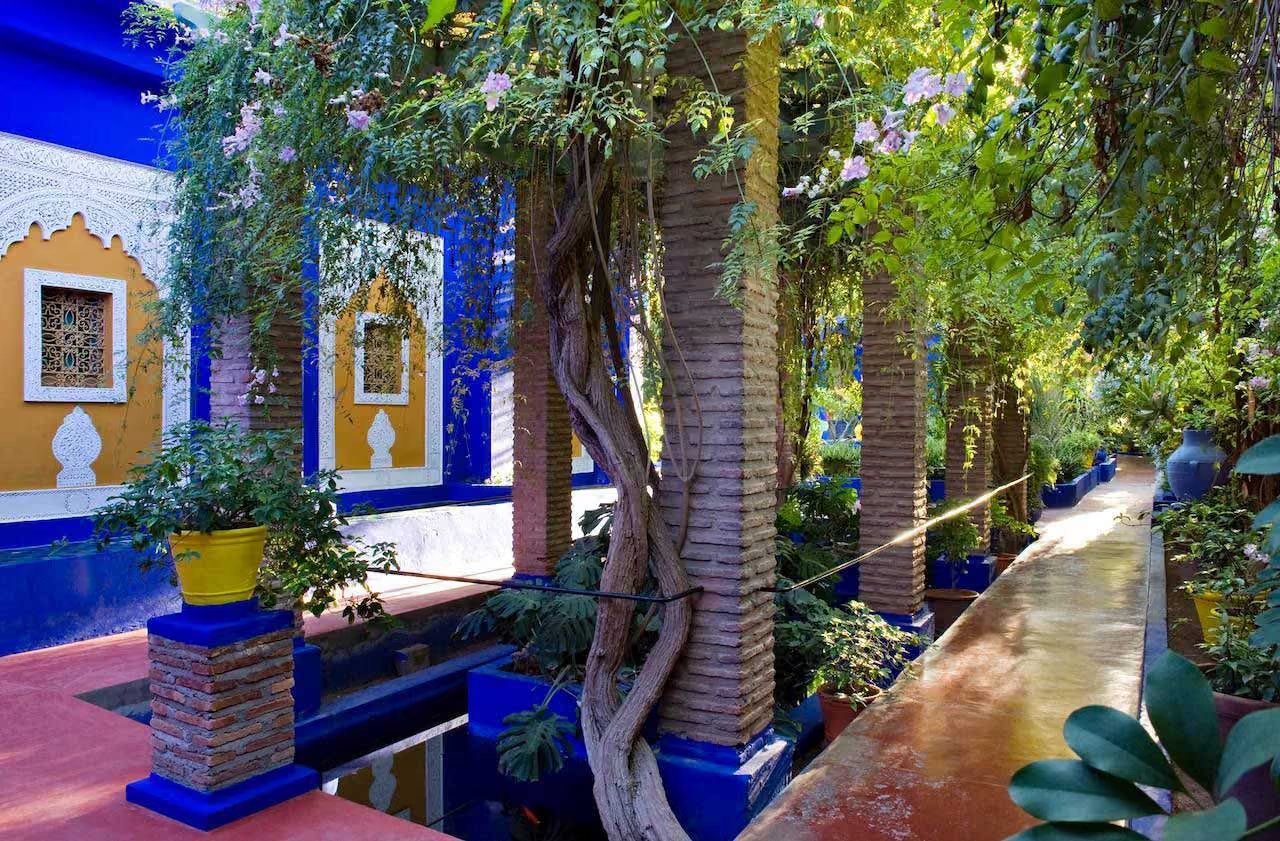
Jacques Majorelle’s cobalt-blue villa and garden, rescued and restored by Yves Saint Laurent in 1980, is an hour of extraordinary quiet in the city’s northern quarter. The garden itself, cactus and bamboo framing Majorelle blue walls and fountains, is a masterwork of colour. The adjacent YSL Museum traces a fashion legacy deeply shaped by Morocco.
Evening: Djemaa el-Fna After Dark
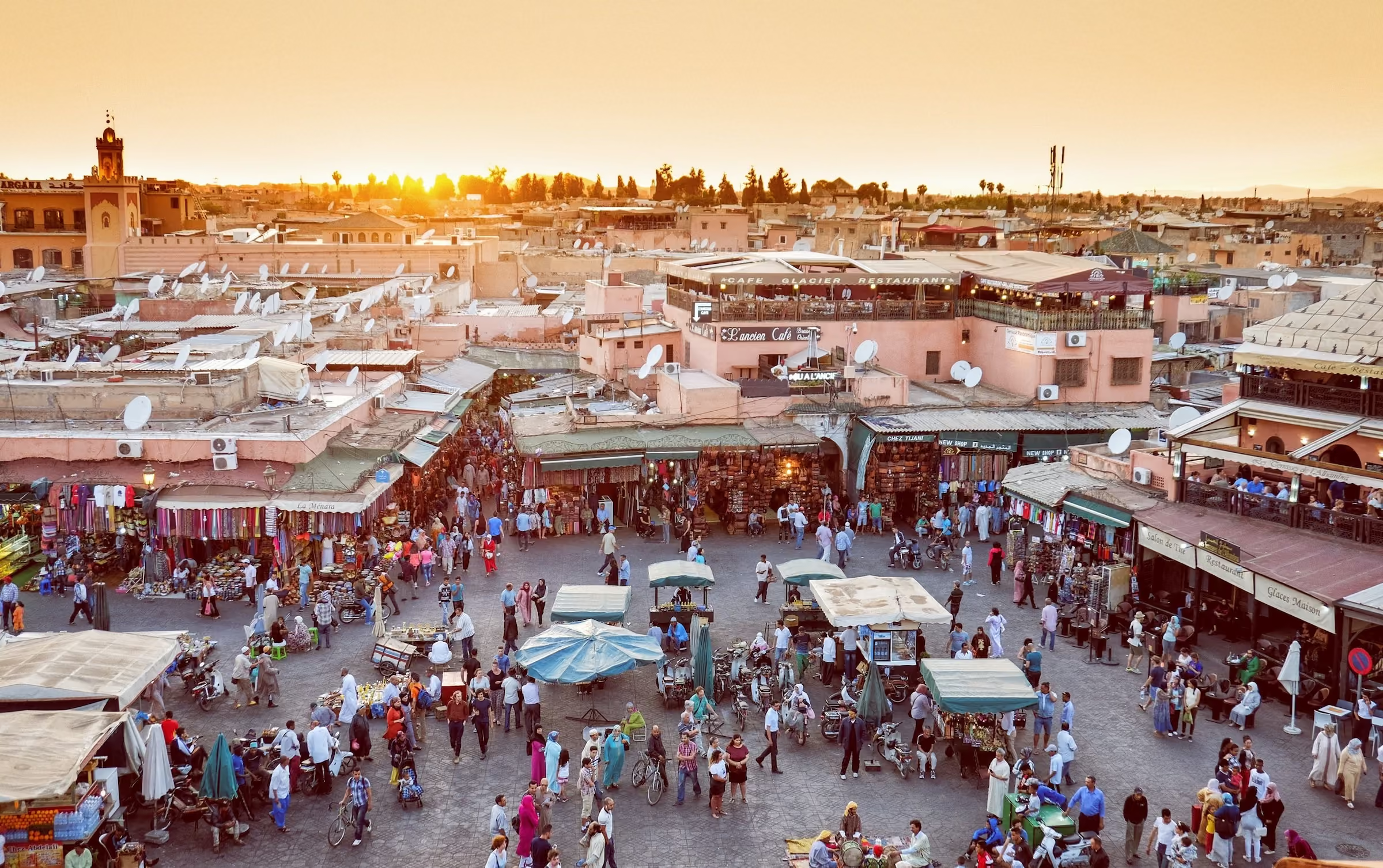
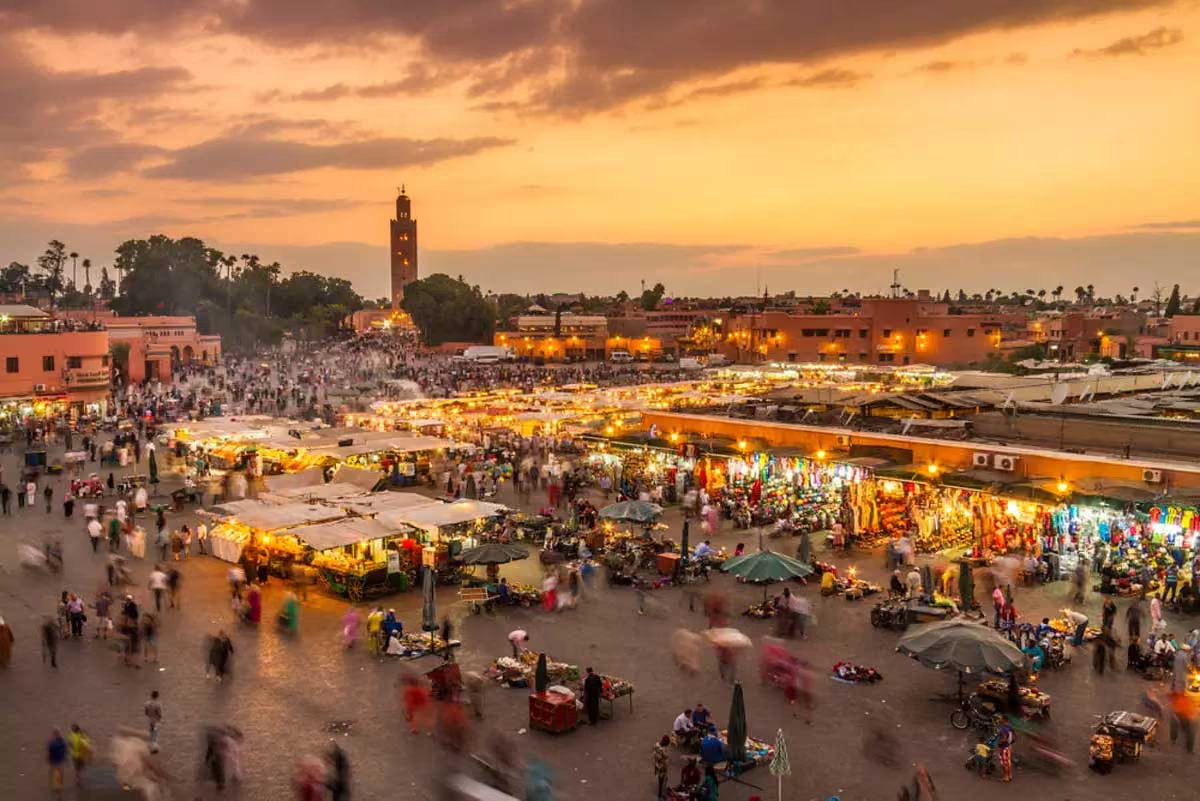
Return to the square as the light fails. Food stalls ignite their grills, smoke rising in great orange billows. Storytellers gather crowds. Gnawa musicians set up circles of call-and-response. Acrobats, henna artists, and orange juice vendors navigate through the press. It is the most alive public space in Africa, possibly in the world. Eat everything.
Day Two
Morning: The Ben Youssef Madrasa
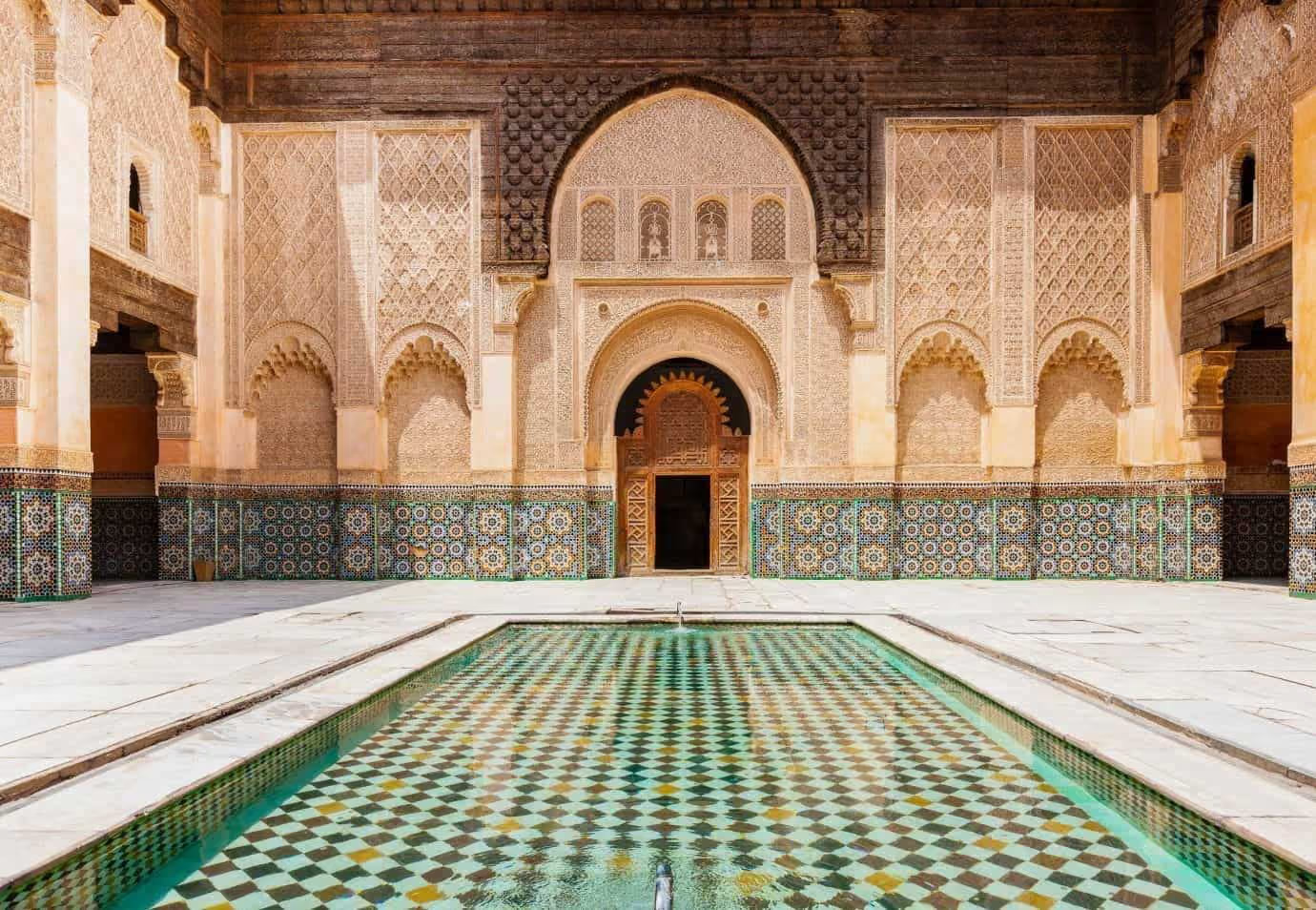
Morocco’s finest example of Islamic architecture, a 14th-century Qur’anic school whose central courtyard is a symphony of cedar lattice, painted plaster, and geometric tilework. Arrive early for the best light and the quietest halls.
Late Morning: A Hammam
There are hammams for tourists, and there are neighbourhood hammams. Try to find the latter; ask your riad or hotel host for their recommendation. The experience of black soap, kessa, the exfoliating glove, and hot, cold, and warm marble slabs is as old as the medina itself and thoroughly restorative.
Afternoon: The Palmeraie or the Agafay Desert
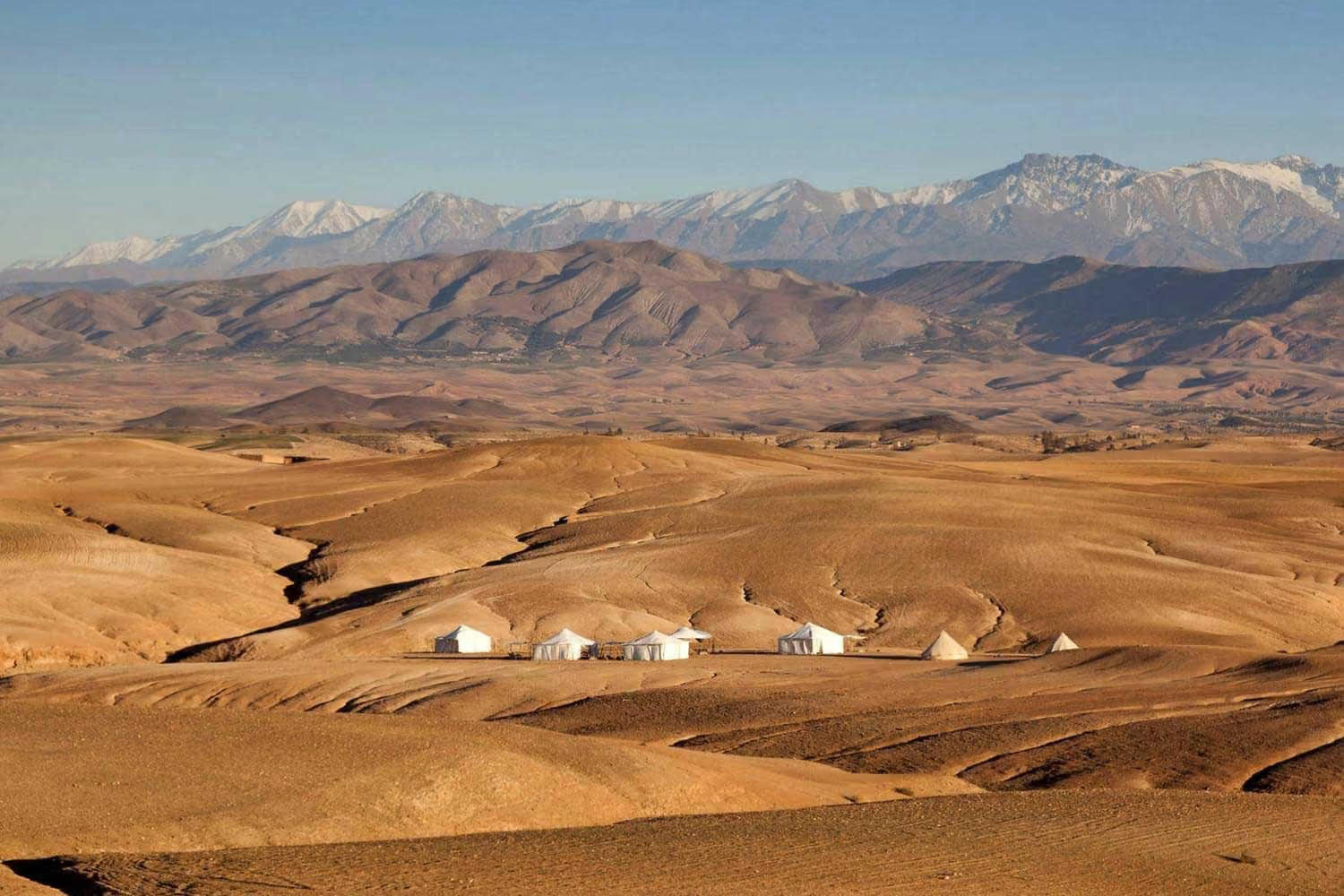
If time allows, get out of the city. The Palmeraie north of Marrakech is a landscape of date palms and red-soil roads where camel rides and orange blossom-scented air provide instant countryside escape. For something more dramatic, the Agafay Desert, a lunar rock landscape forty minutes south, offers a taste of Saharan character without the long road south.
If the Sahara is on your wish list, we recommend allowing a few extra days to reach the magnificent dunes of Erg Chebbi. Read our guide to The Moroccan Sahara: Desert Nights and Golden Dunes to discover why it is one of Morocco’s most unforgettable experiences.
“Marrakech is the best city on the continent for first-time Africa visitors who aren’t yet ready for the bush. It gives you the smell of Africa, the sound, the heat, the colour, and then the safari finishes what Marrakech started.” Brett Horley, BHS
Where to Stay in Marrakech
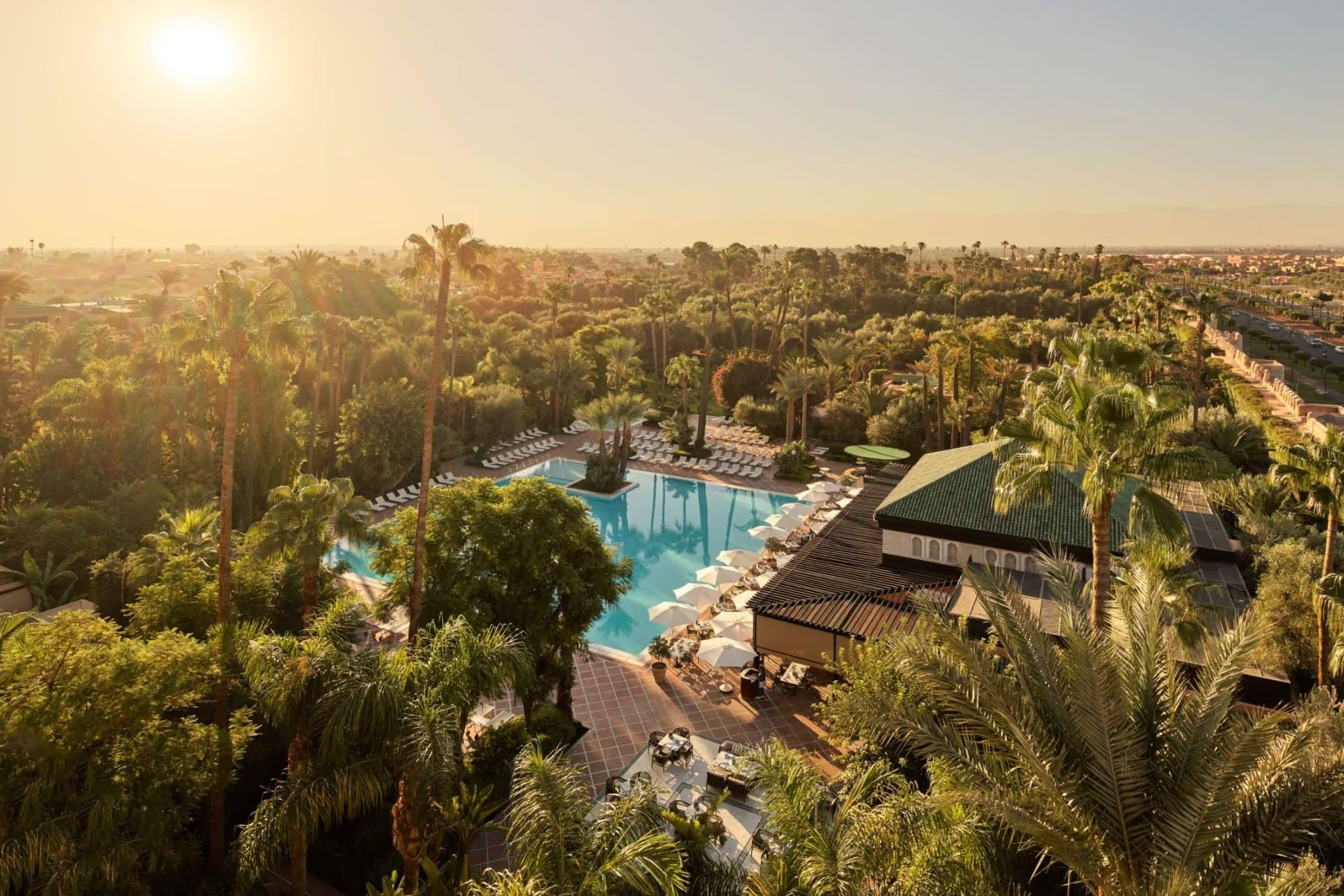
For this journey, BHS uses La Mamounia, one of Marrakech’s great landmark hotels and a fitting base for a short stay in the Red City. Set within beautiful gardens close to the medina, it offers the atmosphere and sense of occasion Marrakech deserves, while still giving you somewhere calm and deeply comfortable to return to between explorations.
After the colour and intensity of the souks, the evening energy of Djemaa el-Fna, and the layered history of the city’s palaces and gardens, La Mamounia gives the journey a softer rhythm. It is elegant without needing to announce itself too loudly, with the space, service and setting to let Marrakech unfold at a more considered pace.
Plan Morocco with BHS
Marrakech is a beautiful beginning, but Morocco rewards travellers who give it time: the medinas of Fes, the stillness of the Sahara, the passes of the Atlas Mountains, and the small, atmospheric moments in between.
At BHS, we design Morocco journeys with private guides, carefully chosen hotels, seamless logistics and a pace that lets the country unfold properly. To start planning your own Morocco itinerary, contact us at hello@bhs-safari.co.
FAQS
Yes, 48 hours in Marrakech is enough for a strong first experience of the city, especially with good planning. In two days, you can explore the medina, visit the souks, see Majorelle Garden and the YSL Museum, experience Djemaa el-Fna after dark, enjoy a hammam, and stay somewhere exceptional such as La Mamounia.
Start early in the medina before the crowds arrive. The morning light, opening souks, bakeries, carts, and quiet alleyways give you a gentler introduction to Marrakech before the city reaches full volume later in the day.
Yes, Djemaa el-Fna is at its most atmospheric after dark. Food stalls, musicians, storytellers, performers and vendors fill the square, creating one of Marrakech’s most vivid public experiences. It is best visited with a guide or clear local advice if it is your first time.
Yes, Majorelle Garden and the Yves Saint Laurent Museum are among Marrakech’s most rewarding cultural stops. Together, they offer a quieter contrast to the medina, with bold colour, garden design, Moroccan influence and fashion history in one beautifully curated setting.
For a short, relaxed stay, BHS recommends La Mamounia. Its gardens, sense of occasion and location make it an excellent base for exploring Marrakech’s historic sites, souks, rooftops and cultural landmarks.
You cannot comfortably reach the true Saharan dunes of Erg Chebbi or Erg Chigaga within a 48-hour Marrakech stay, but you can visit the Agafay Desert, a rocky desert landscape around forty minutes from the city. For the full Sahara experience, BHS recommends adding more time to your Morocco itinerary.