

Greater Kruger, Unbeatable
For close Big Five encounters, Greater Kruger is difficult to surpass.
A leopard may emerge from the grass and walk quietly past your vehicle. A tracker may notice a faint mark in the sand that leads to an animal you would otherwise never have seen. Later, away from the vehicle, the landscape reveals itself differently: through bird calls, tracks and the quiet details that are easily missed at first glance.
Greater Kruger’s wildlife viewing is exceptional, but that is only part of its appeal. What truly distinguishes the region is the quality of the experience surrounding each sighting: low vehicle densities, accomplished guides and trackers, greater flexibility on safari and a deep understanding of the animals and their environment.
What makes a Greater Kruger safari different?
Greater Kruger forms part of a vast, connected wildlife landscape in South Africa, incorporating private reserves and concessions along the western boundary of Kruger National Park.
In many of these areas, wildlife can move across open boundaries while guests enjoy a more flexible and personal style of safari. Vehicle numbers at sightings are carefully managed, creating encounters that feel considered and unhurried.
Guides may also leave established roads when reserve rules and conditions allow. This carefully controlled off-road access can make an enormous difference when following elusive wildlife, particularly leopard.
It is not simply about getting closer. It is about being able to spend meaningful time observing an animal without the sighting feeling hurried or crowded.
Remarkable Big Five viewing
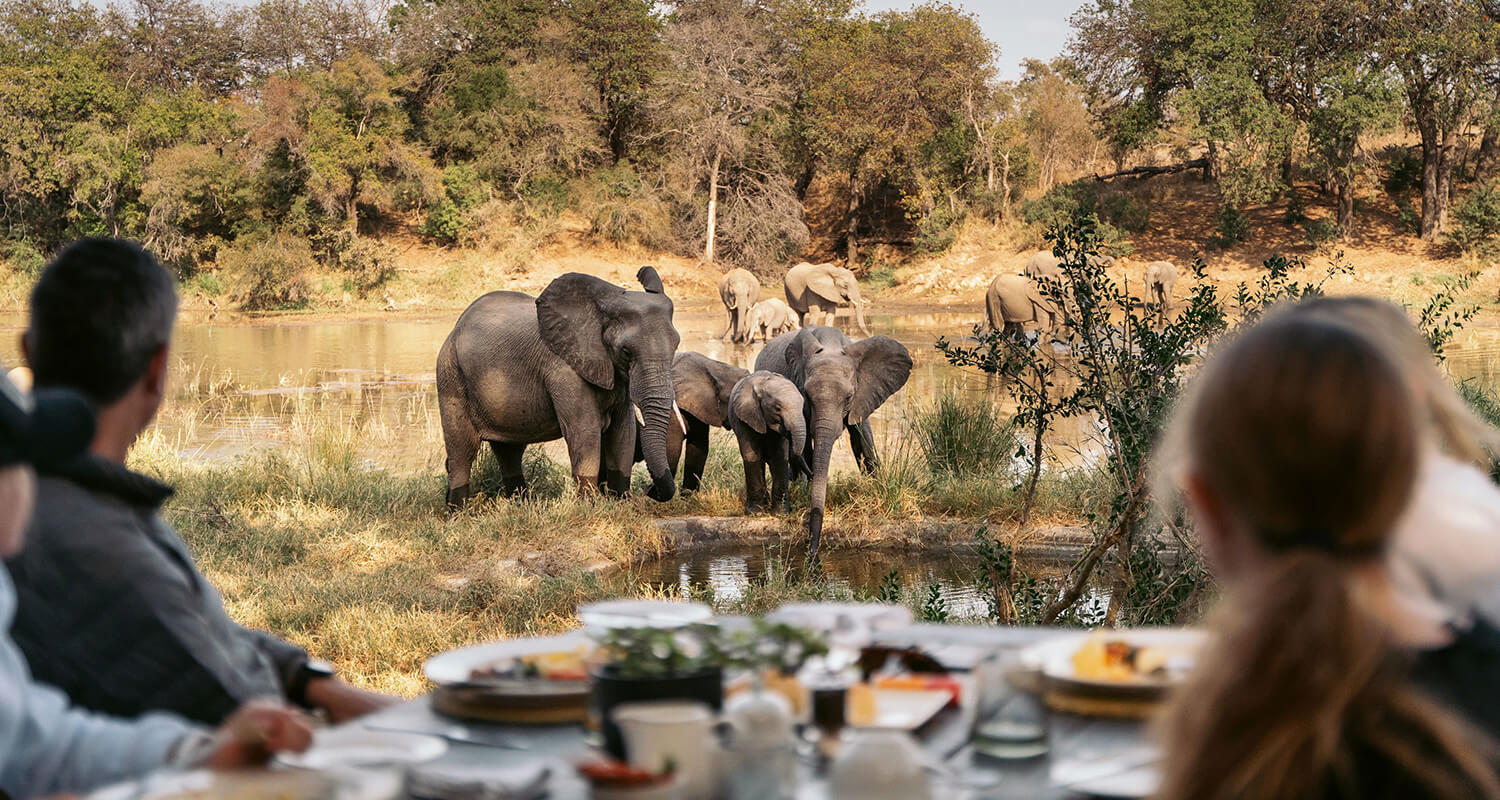
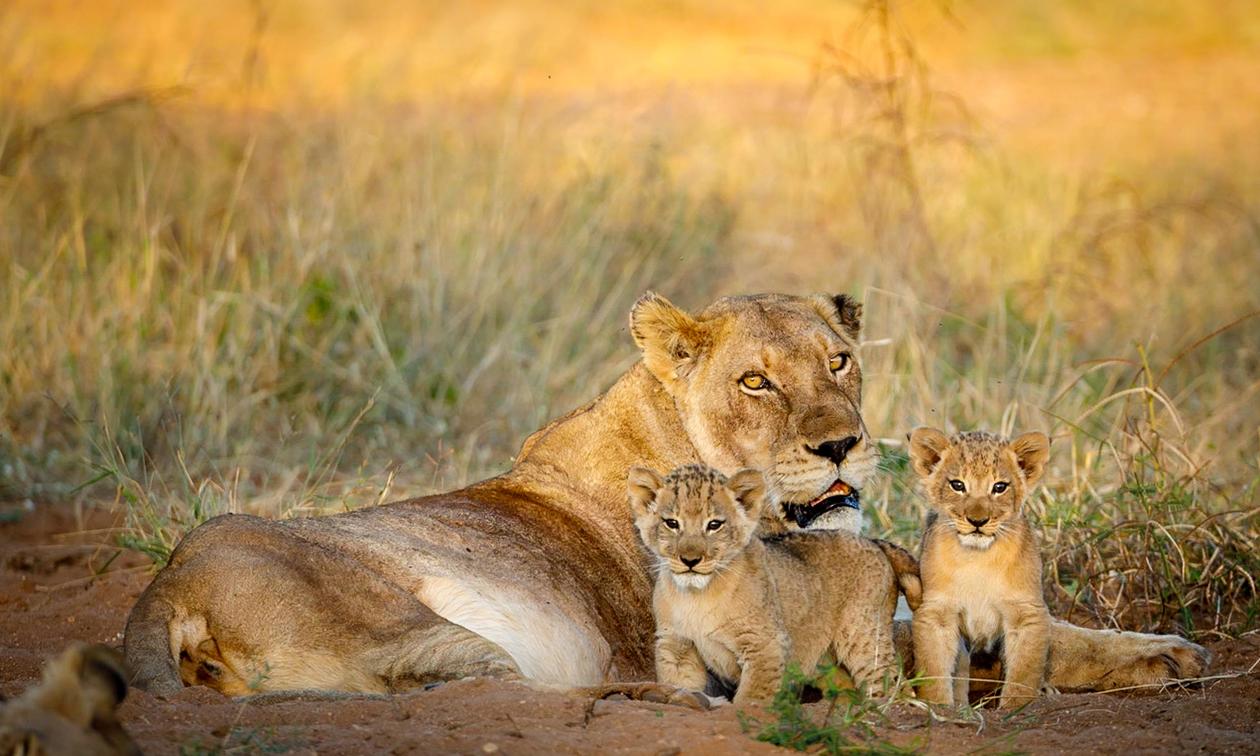
The private reserves of Greater Kruger offer some of Africa’s most rewarding opportunities to see lion, leopard, elephant, rhino and buffalo.
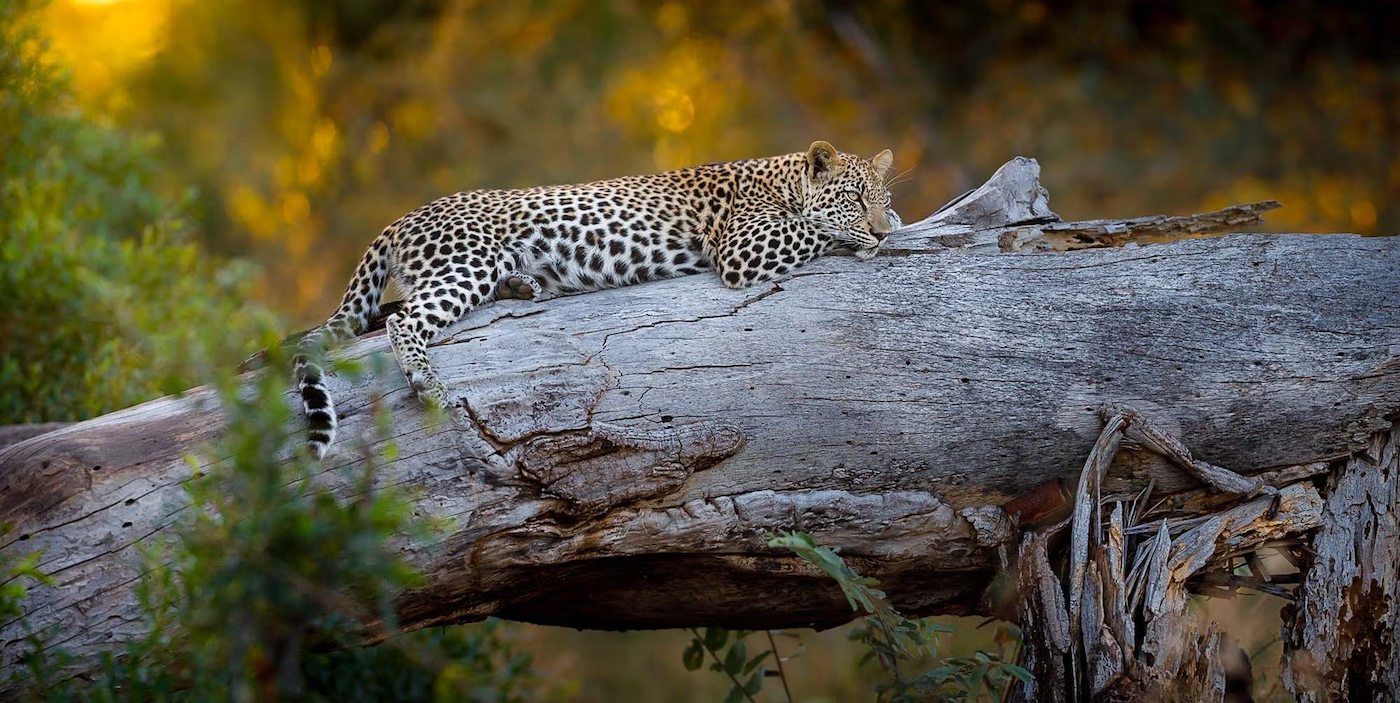
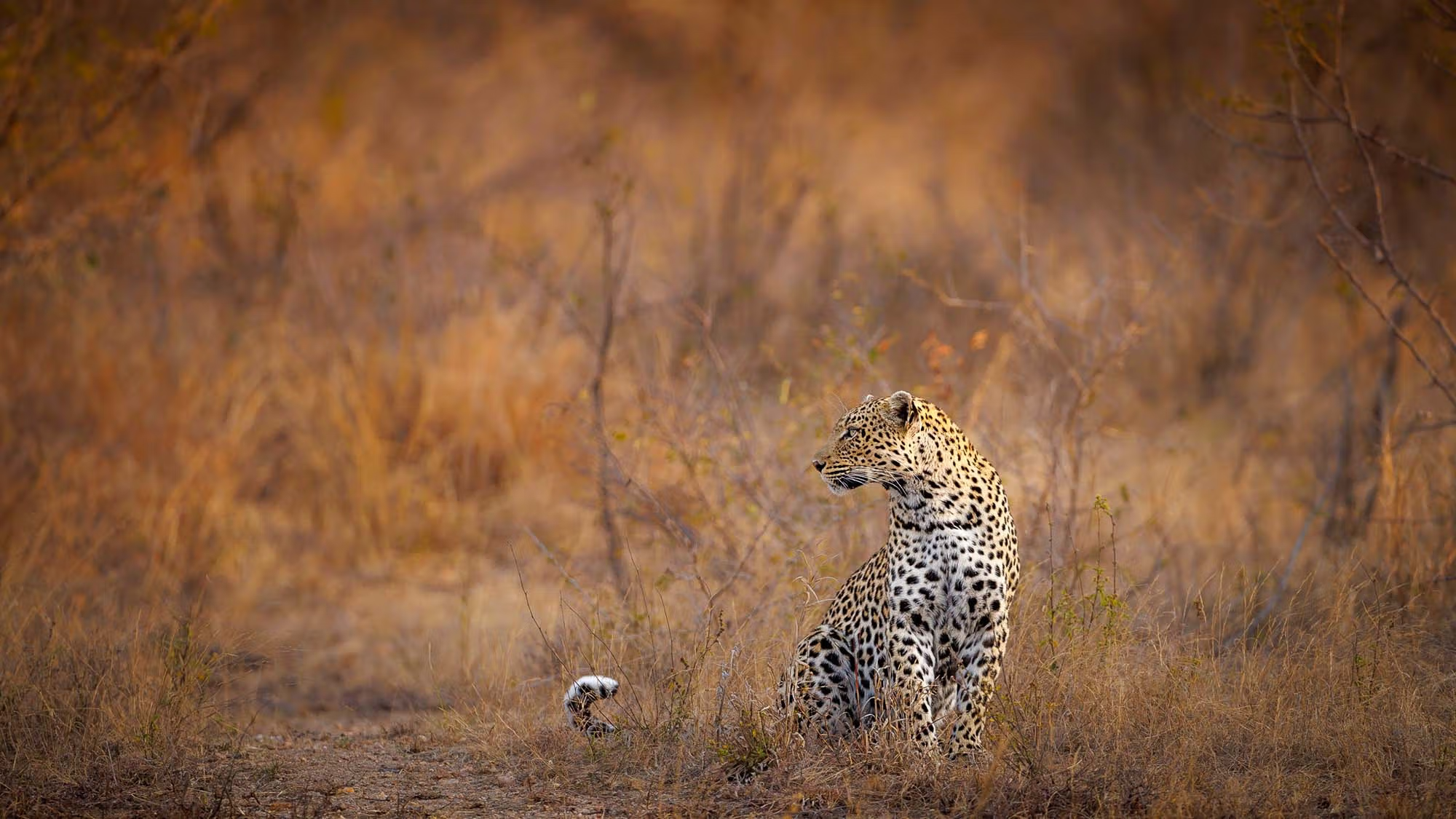
Leopard encounters are among the region’s defining experiences. As Brett puts it, “the best thing to do is have a leopard walk close to your vehicle.”
It captures one of Greater Kruger’s most memorable possibilities: watching a naturally secretive cat pass quietly beside you, entirely at ease in its territory.
The knowledge built by the region’s guides and trackers over many years creates the possibility of these close, respectful encounters. Nothing is staged or guaranteed, and that uncertainty is precisely what gives each sighting its power.
Greater Kruger is also an important area for white rhino. Seeing one in the wild carries particular significance, shaped both by the animal’s quiet presence and by an awareness of the work required to protect the species.
Every drive remains led by the landscape. There are no guarantees and no fixed script, but the depth of local knowledge gives guests an excellent chance of experiencing the region’s wildlife at its best.
Guides who change the way you see the bush
The standard of guiding is one of Greater Kruger’s greatest strengths.
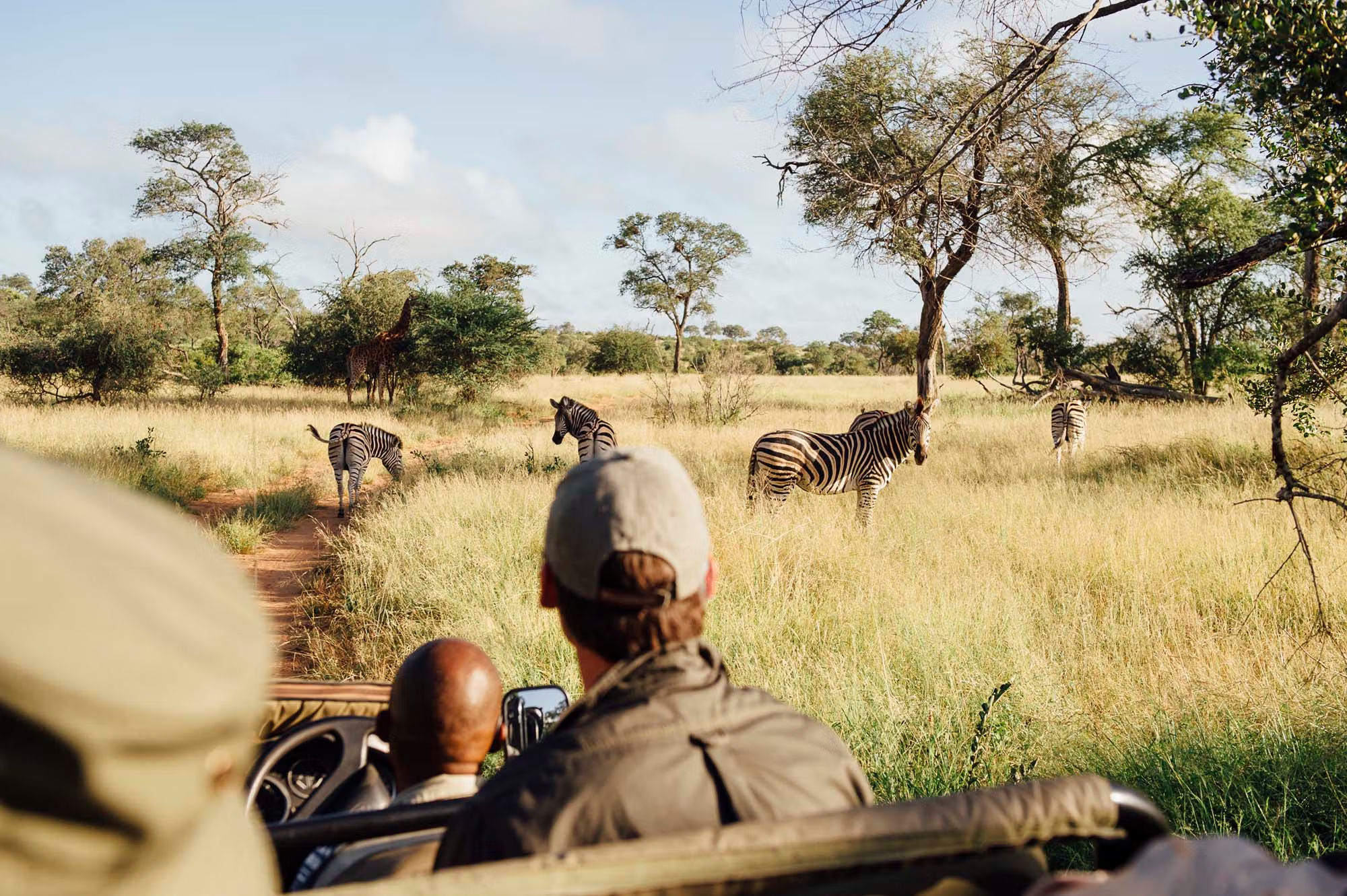
An excellent guide does more than locate animals. They help guests interpret behaviour, understand habitat and recognise the relationships that hold the ecosystem together.
A morning may begin with lion tracks on the road and lead into a discussion about territorial movement, weather, soil or the alarm calls of nearby birds. Even when the animal itself remains out of sight, the search becomes part of the experience.
Trackers bring another dimension to each drive. They read subtle changes in the ground and vegetation, noticing signs that most visitors would pass without a second thought. Their knowledge has been developed through years of close observation and time spent within the landscape.
Engaging with guides and trackers is never a secondary part of a Greater Kruger safari. Their insight gives every sighting greater meaning and often becomes one of the most memorable elements of the journey.
The freedom to explore
The flexibility offered by Greater Kruger’s private reserves and concessions allows each safari to respond naturally to the day.
Off-road driving may be permitted for important sightings, while guided walks and carefully chosen stops create opportunities to experience the bush beyond the vehicle. All such activities are managed by experienced professionals and depend on reserve regulations and local conditions.
Leaving the vehicle in an appropriate place changes your perspective. Sounds become clearer. Tracks begin to tell stories. The distance between you and the surrounding landscape feels smaller.
This freedom is not about pursuing constant excitement. It allows guests to slow down, remain with an encounter and follow the interests that emerge along the way. One morning may be devoted to finding leopard; another might unfold around elephants, birds, tracks or the quieter workings of the ecosystem.
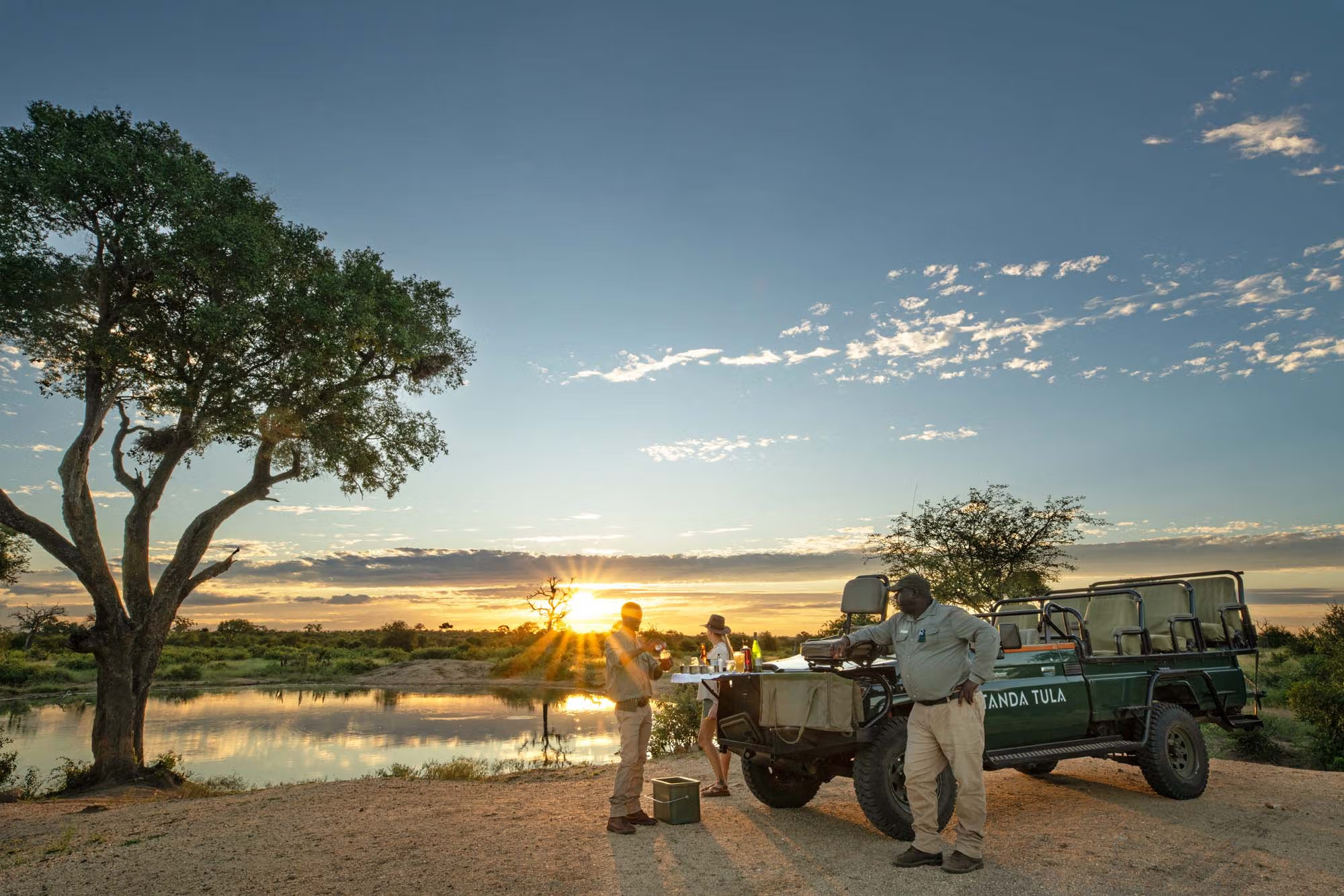
The pleasure of an exclusive-use camp
For families or friends travelling together, an exclusive-use camp allows the safari to follow the group’s natural rhythm. Game drives can reflect shared interests, meals become relaxed private occasions, and the spaces between activities belong entirely to your party.
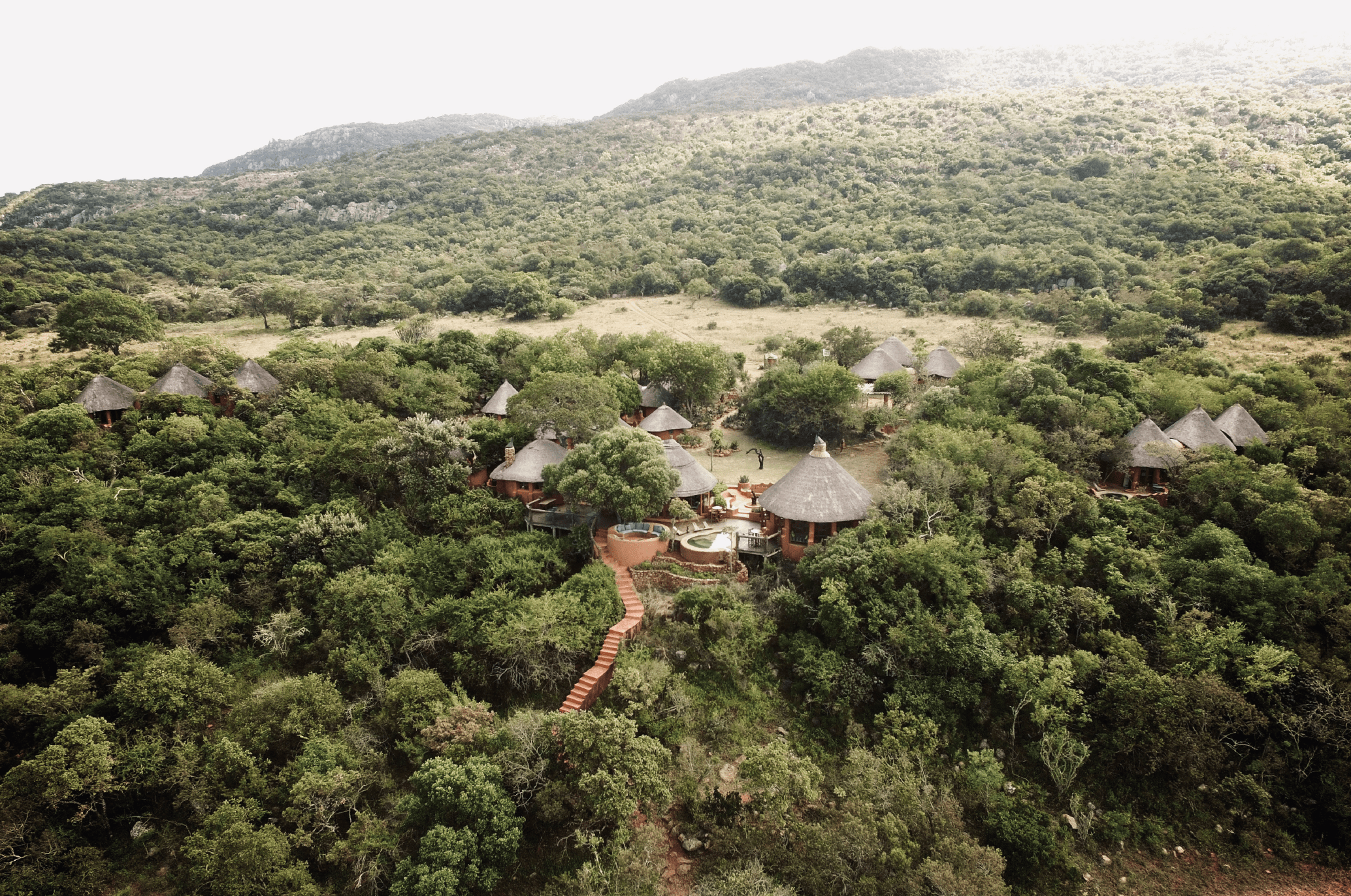
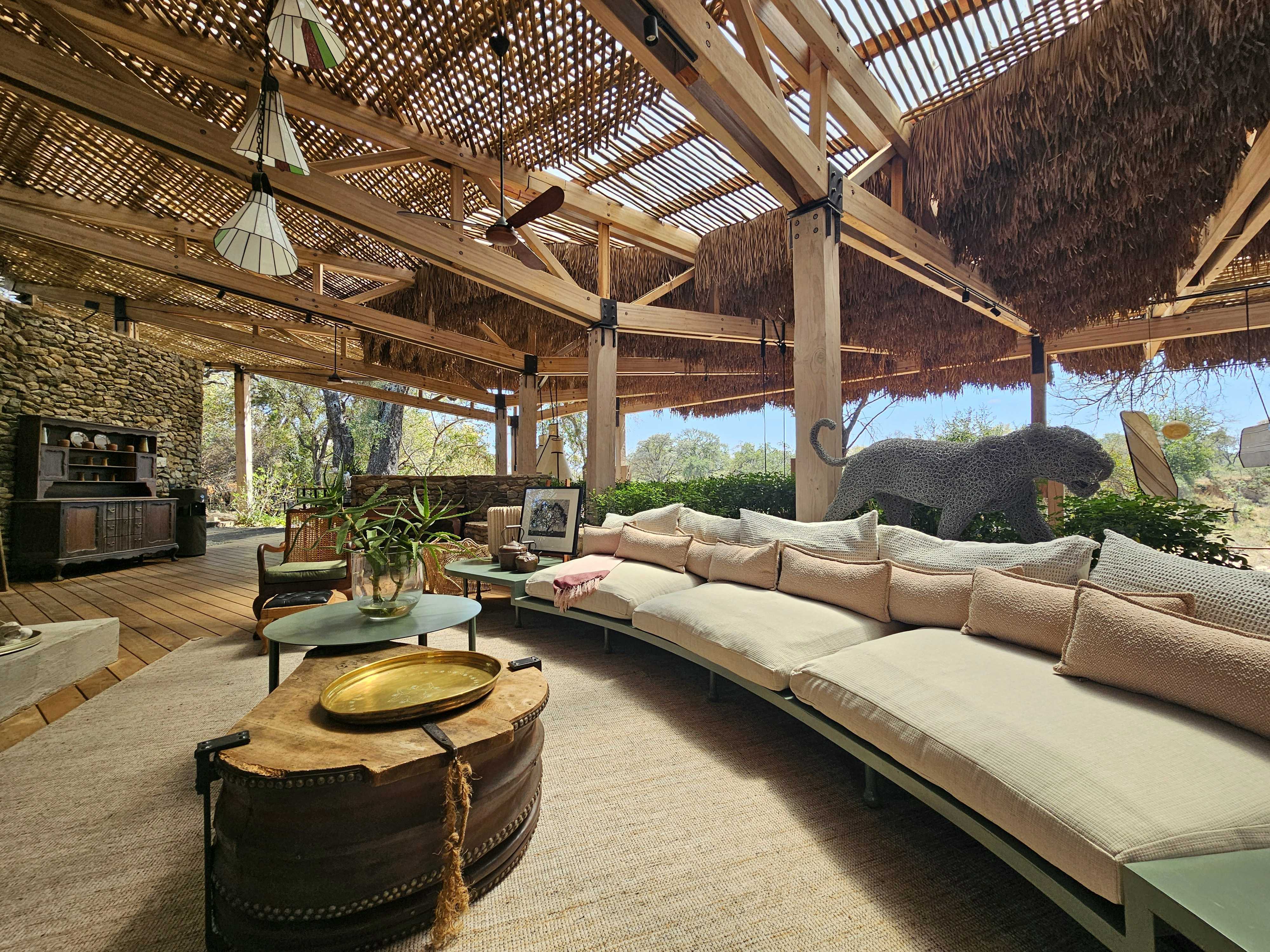
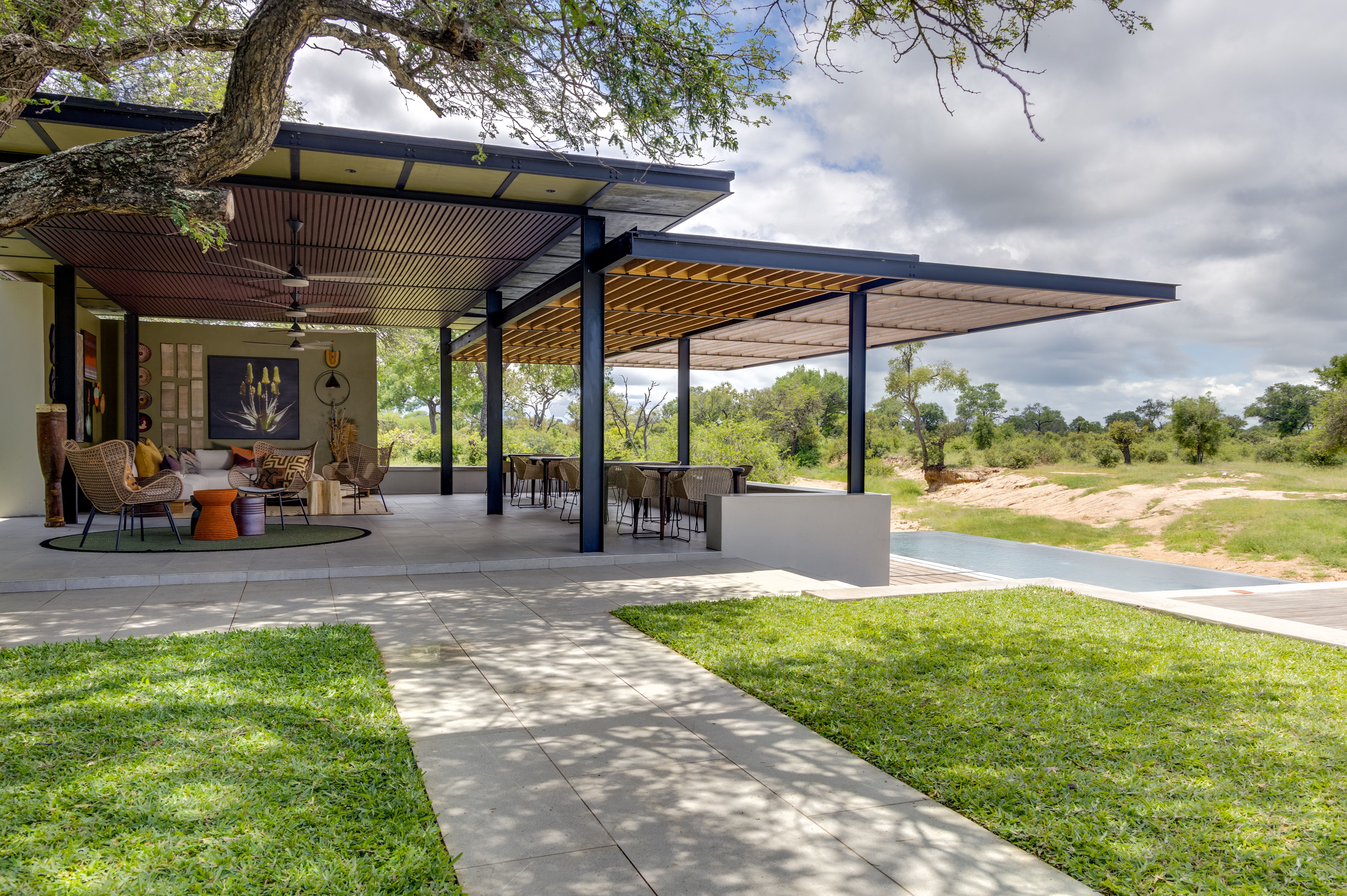
RockFig Safari Lodge in the Timbavati Private Nature Reserve is a good example. With only six suites, the lodge can be reserved for exclusive use by a family or group of friends. Its intimate scale creates room for quieter, more personal days, while small safari groups allow guests to spend meaningful time at sightings.
BHS can help shape the experience around the people travelling, whether that means planning for different generations, arranging a private safari vehicle or simply choosing a camp where everyone can settle in together. Exclusive use offers more than privacy; it gives the journey its own pace.
Meeting the people behind the landscape
A Greater Kruger journey can extend beyond traditional game drives.
Through BHS’s network of local relationships, there may be opportunities, depending on timing and availability, to meet researchers, veterinarians and conservation specialists working in the region.
These conversations offer a more complete understanding of the landscape. They connect the animals seen on safari with the research, monitoring and veterinary work taking place behind the scenes.
They also introduce guests to the complexity of conservation. Protecting a large wildlife ecosystem requires specialist knowledge, long-term commitment and cooperation between many different people and organisations.
Meeting those involved brings valuable context to the safari. Wildlife is no longer seen only through the lens of a single sighting, but as part of a living environment that must be understood and carefully protected.
Why we return to Greater Kruger
Greater Kruger’s reputation is built on its Big Five viewing, but its lasting appeal is more layered.
It is found in the skill of a tracker following signs through dry grass. It is present in the restraint of a guide who knows when to approach and when to give an animal space. It can be felt in the freedom to linger at a sighting or spend an afternoon learning from someone whose work is devoted to the landscape.
The wildlife may first draw you to Greater Kruger. The quality of the guiding, the access afforded by its private reserves and the people who bring the region to life are what make it unforgettable.
For BHS, Greater Kruger remains unbeatable: not because safari can ever be predicted, but because few places combine exceptional wildlife viewing, freedom and human knowledge quite so well.
Plan your Greater Kruger journey
Whether you are considering a private camp, a family safari or a journey shaped around wildlife and conservation, we will help you experience Greater Kruger in a way that feels personal and thoughtfully paced.
FAQS
Yes. Greater Kruger is one of Africa’s leading Big Five safari destinations, offering opportunities to see lion, leopard, elephant, rhino and buffalo. Sightings remain entirely natural and can never be guaranteed, but the region’s experienced guides and trackers provide an excellent wildlife-viewing experience.
Greater Kruger is the wider wildlife landscape encompassing Kruger National Park and the private reserves and concessions along its borders. Many of these areas share open boundaries, allowing animals to move through an extensive, connected ecosystem.
Greater Kruger is particularly well regarded for close, respectful leopard encounters. Suitable habitat, highly skilled trackers and carefully controlled off-road access in certain private reserves can create excellent opportunities to observe these elusive cats.
Off-road driving is permitted in some Greater Kruger private reserves and concessions, particularly for significant wildlife sightings. It is carefully managed by experienced guides to protect the animals, vegetation and surrounding habitat.
Yes. A Greater Kruger safari can be an excellent choice for families, especially when staying at an exclusive-use camp. A private camp offers greater flexibility, allowing activities and mealtimes to be shaped around the family’s interests, ages and preferred pace.
Greater Kruger offers rewarding wildlife viewing throughout the year. The dry season typically brings thinner vegetation and animals gathering near water, while the greener summer months offer lush scenery, abundant birdlife, and the possibility of seeing young animals. The best time depends on the kind of safari experience you prefer.