

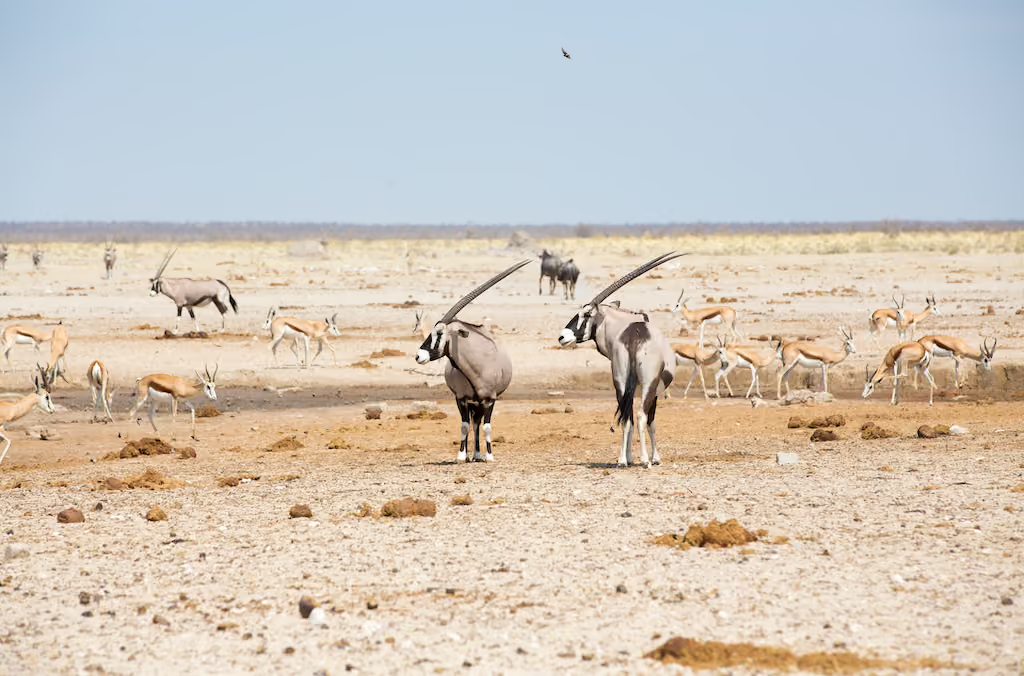
Etosha is unlike any other national park in Africa. Its defining feature, the Etosha Pan, a vast, shimmering salt flat visible from space, creates a landscape so alien and extraordinary that it demands a particular adjustment of the safari imagination. This is not the lush riverine drama of the Okavango or the rolling grasslands of the Mara. This is something harder, stranger, and in its own way, more hypnotic.
What Makes Etosha Unique
The pan itself, 5,000 square kilometres of ancient lakebed, bleached white, heat-hazed, and utterly flat, dominates the park's geography and drives its wildlife dynamics. There is no permanent water in the pan. Animals depend on a network of springs and waterholes scattered around its margins, and these waterholes are the beating heart of the Etosha experience.
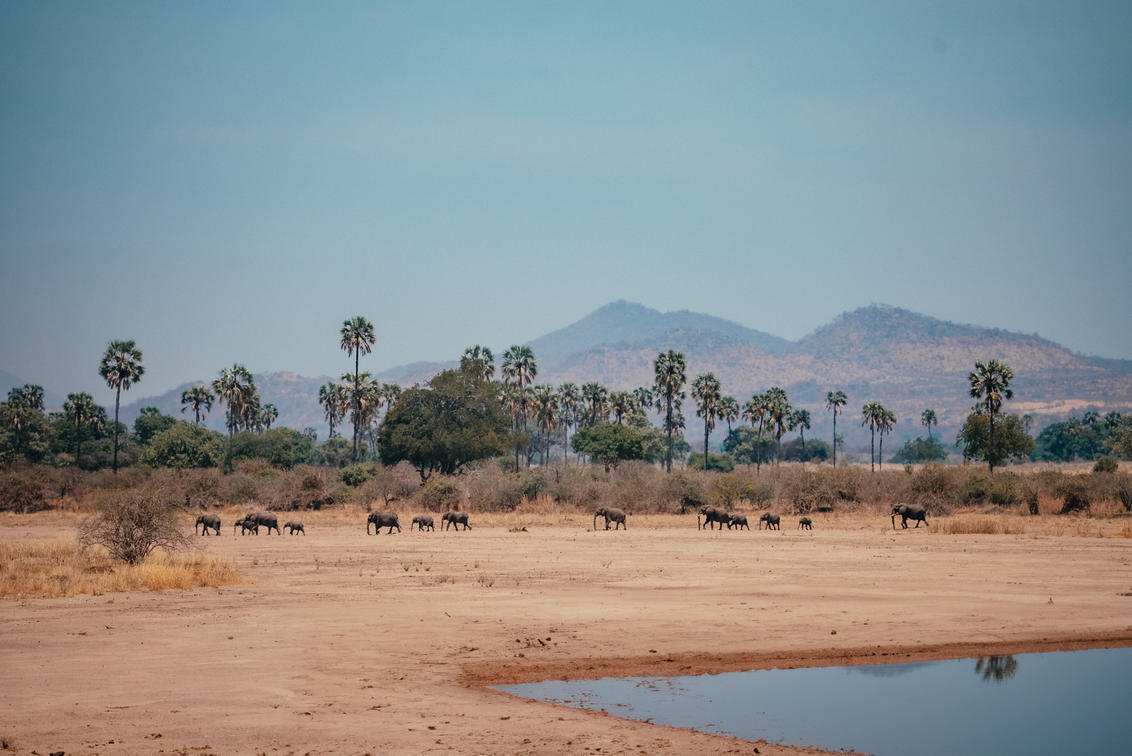
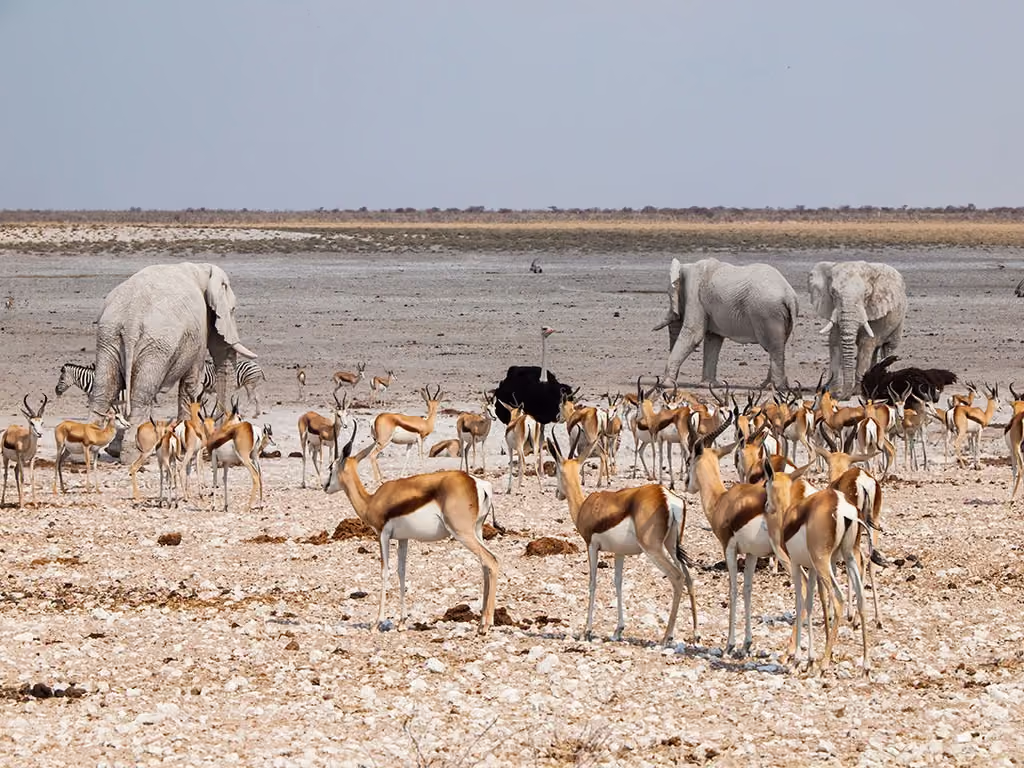
Instead of driving around and searching for animals, the Etosha system inverts the process: you find a good waterhole and wait. The animals come to you. And at some of the park's most productive waterholes, Okaukuejo, Halali, Chudop, the processions can be extraordinary: elephant, lion, rhino, giraffe, zebra, and oryx arriving and departing in a continuous, self-organising theatre.
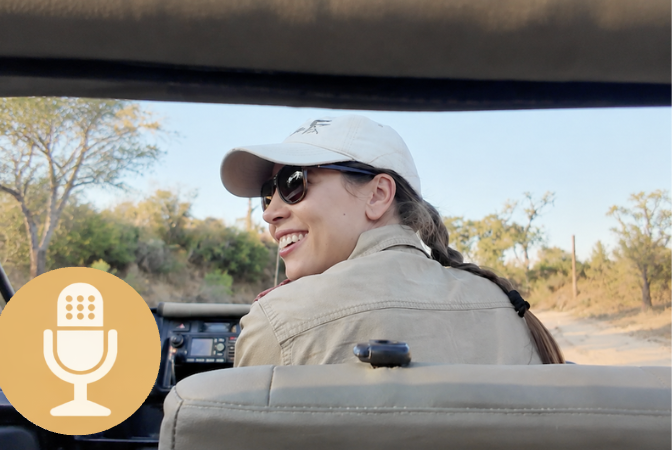
"Etosha is where I send people who are nervous about 'not seeing anything'. You find a waterhole, you sit, you wait. Within twenty minutes, the parade begins. It teaches patience and rewards it simultaneously." – Jo Cooper, BHS Guide
The Wildlife
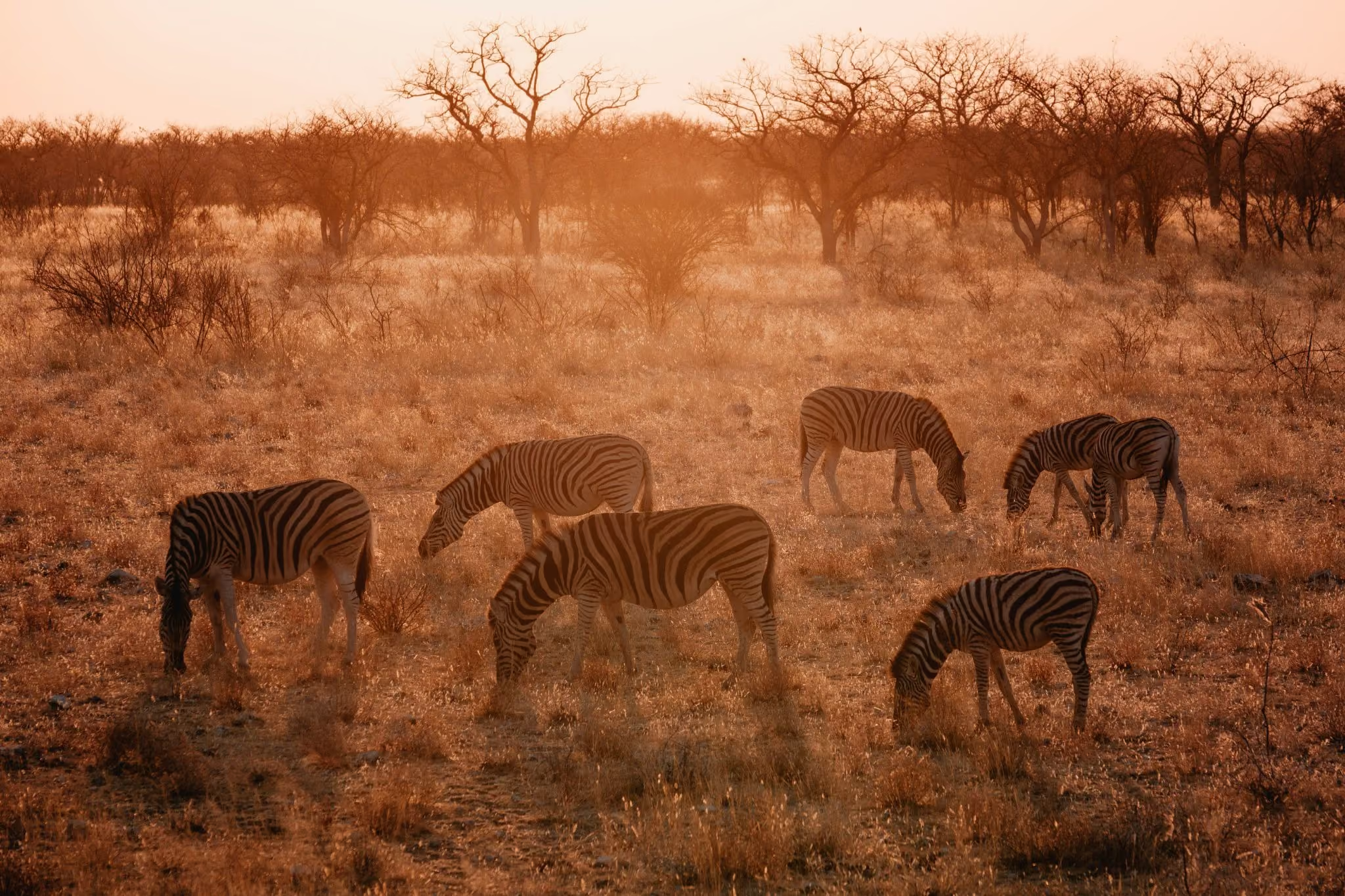
Etosha's species list is impressive: lion, leopard, cheetah, black and white rhino (one of the best places in Africa for black rhino sightings), elephant, giraffe, zebra, blue wildebeest, eland, and the extraordinary Etosha speciality, the black-faced impala, a subspecies endemic to this region.
Wild dogs occur in the park and, while not reliably sighted, are an exciting possibility. Brown hyena, spotted hyena, caracal, and aardwolf are all present. The birdlife, particularly at the pan edge, is exceptional: flamingos, pelicans, and a vast array of raptors and ground birds.
The Floodlit Waterhole Experience
Etosha's three main rest camps, Okaukuejo, Halali, and Namutoni, each have floodlit waterholes viewable from camp. Sitting at Okaukuejo at midnight, watching a pride of lions and a family of rhinos negotiate access to the same water source, is one of the most extraordinary nocturnal wildlife experiences available to a traveller anywhere. Bring a warm layer. Bring your patience. Bring nothing else.
When to Visit
The dry season (May to October) is when game viewing is at its most intense, and animals are dependent on the permanent waterholes and concentrated accordingly. The green season (November to April) brings migratory birds in extraordinary numbers and newborn animals in abundance, but dense vegetation and dispersed water sources make wildlife harder to locate.
July and August are the peak months. For those who want the best possible rhino and lion sightings, these are the months to prioritise.
Combining Etosha
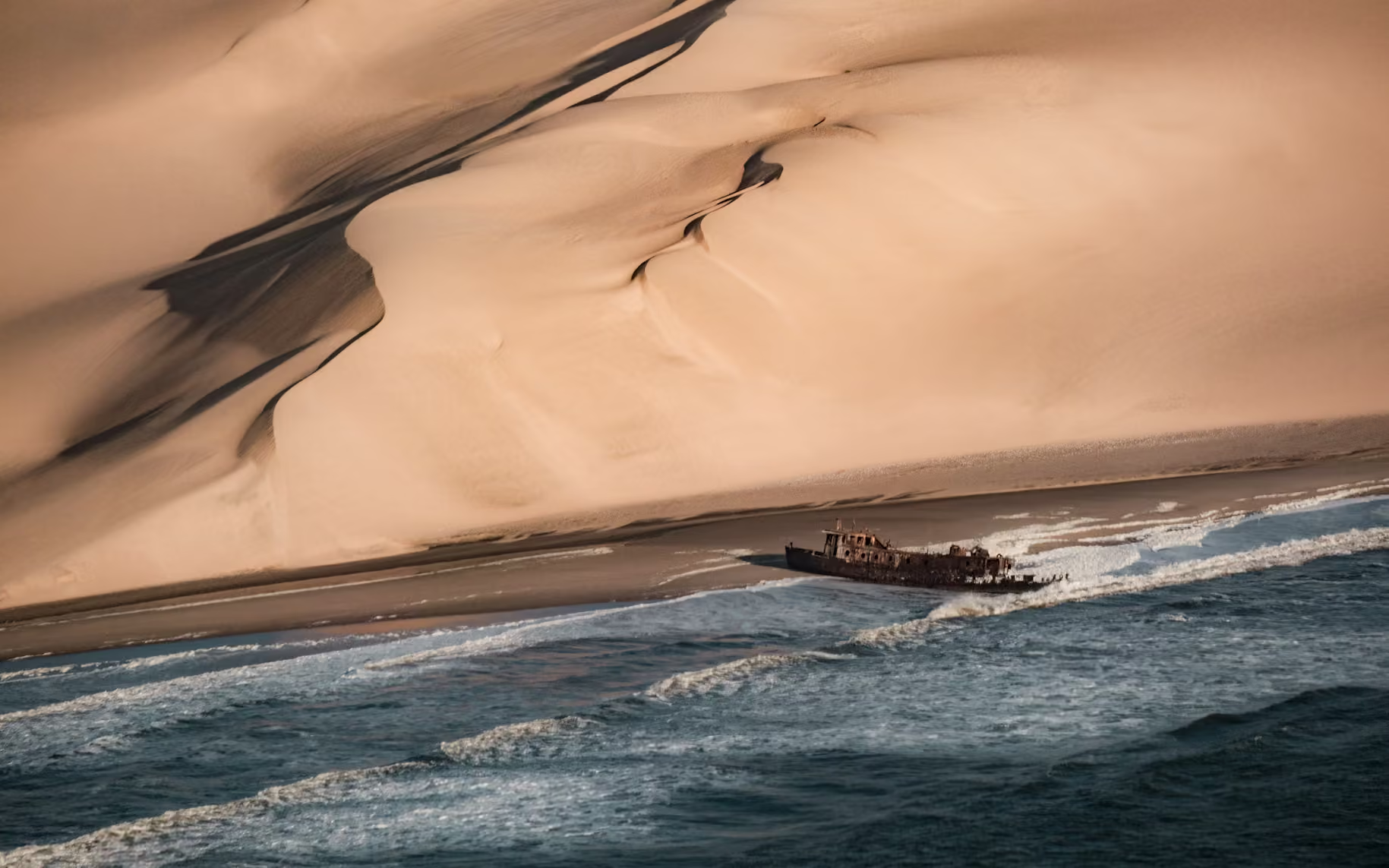
Etosha sits in the north of Namibia and combines naturally with Damaraland to the west (desert rhino and ancient rock art), the Skeleton Coast (one of Africa's most dramatic coastal wilderness areas), and the Caprivi Strip (wetland wildlife in an entirely different ecosystem). For a complete Namibia experience, Etosha is the wildlife anchor in a broader circuit.
Plan Your Etosha Safari
We design Namibia itineraries with Etosha as a centrepiece, combined with the landscapes and experiences that make the country truly unforgettable. Reach out to start the conversation.
For more information or to begin planning your journey, contact us at hello@bhs-safari.co.
FAQS
Etosha National Park is different because its wildlife experience is shaped by the vast Etosha Pan and a network of permanent waterholes. Instead of constantly searching, you can often sit at a productive waterhole and watch elephant, lion, rhino, giraffe, zebra and antelope arrive throughout the day.
Yes. Etosha is excellent for a first safari because wildlife viewing can be very rewarding and easy to understand. During the dry season, animals regularly gather at waterholes, giving you a strong chance of memorable sightings without needing dense bush tracking.
In Etosha National Park, you can see lion, leopard, cheetah, elephant, giraffe, zebra, blue wildebeest, eland, hyena and both black and white rhino. Etosha is also known for the rare black-faced impala, a subspecies found in this region.
Yes. Etosha is one of Africa’s best places for black rhino sightings, especially around productive waterholes during the dry season. The floodlit waterholes at camps such as Okaukuejo can also offer remarkable nighttime wildlife viewing.
The best time to visit Etosha National Park is the dry season from May to October, when wildlife depends heavily on permanent waterholes and sightings are easier. July and August are especially good months for rhino, lion, and general game viewing.
Yes. Etosha combines naturally with Damaraland, the Skeleton Coast, Sossusvlei and the Caprivi Strip, creating a varied Namibia itinerary. Etosha often acts as the wildlife anchor within a broader journey through Namibia’s deserts, coastlines and remote landscapes.