

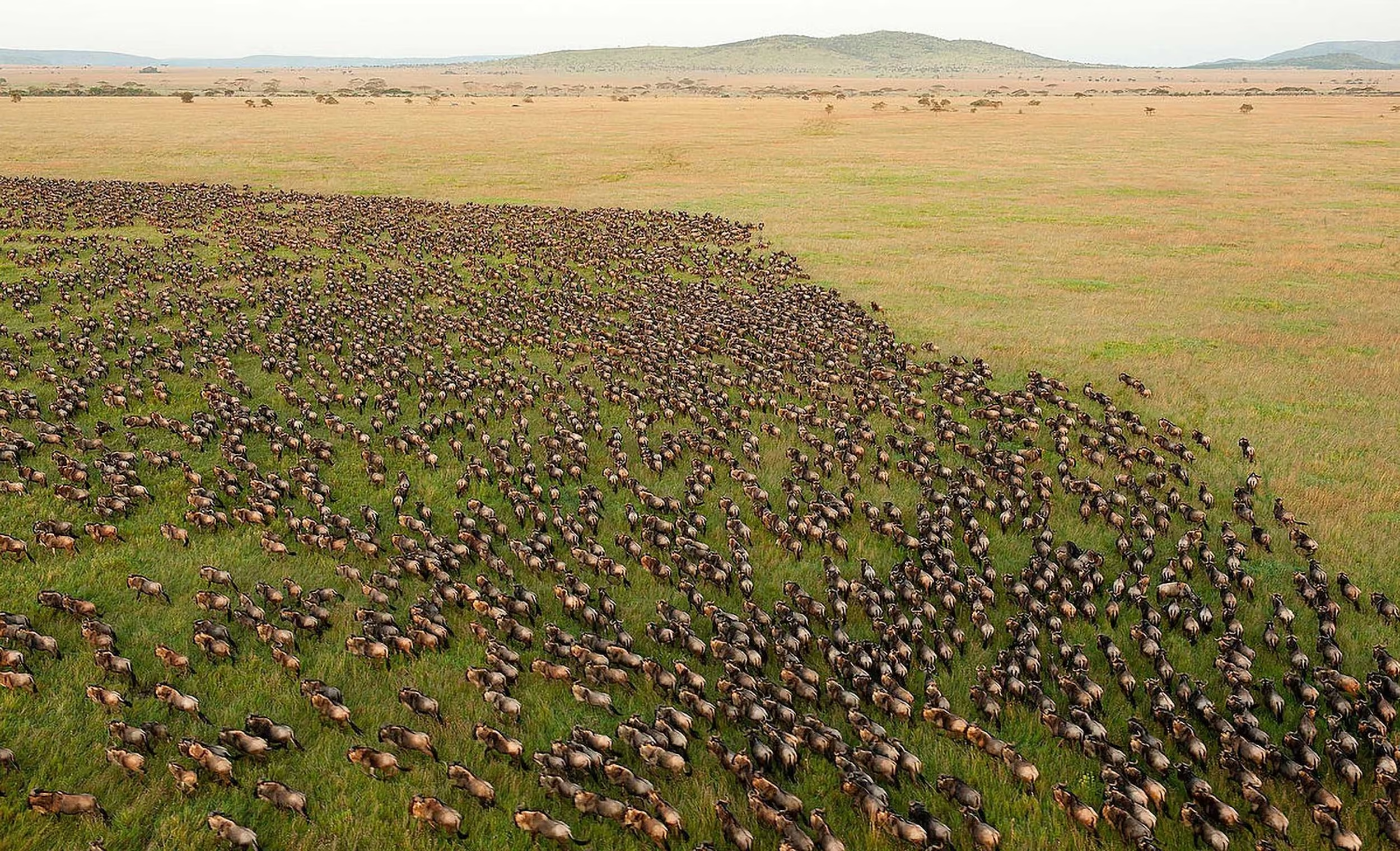
Few wildlife experiences on Earth compare to the Great Migration.
It is not simply a safari highlight or a seasonal event. It is one of the last truly wild spectacles remaining on the planet, a vast, ancient movement of life that has unfolded across East Africa for thousands of years.
Each year, nearly two million wildebeest, accompanied by hundreds of thousands of zebra and gazelle, move through the Serengeti-Mara ecosystem in search of fresh grazing and water. Along the way, they face predators, drought, river crossings, and the relentless demands of survival.
For a few months every year, this remarkable journey reaches Kenya's Maasai Mara, creating one of the most sought-after safari experiences in Africa.
Here's what the Great Migration actually is, when to go, and how to experience it properly.
What Is the Great Migration?
The Great Migration is a continuous circular movement of approximately:
- 1.5–2 million wildebeest
- 350,000 zebra
- 500,000 Thomson's gazelle
Moving between Tanzania's Serengeti and Kenya's Maasai Mara, the herds follow seasonal rainfall patterns and fresh grazing.
One of the most common misconceptions is that migration has a start and finish.
It doesn't.
The herds are always moving. What changes throughout the year is where they are, what challenges they face, and how travellers can experience them.
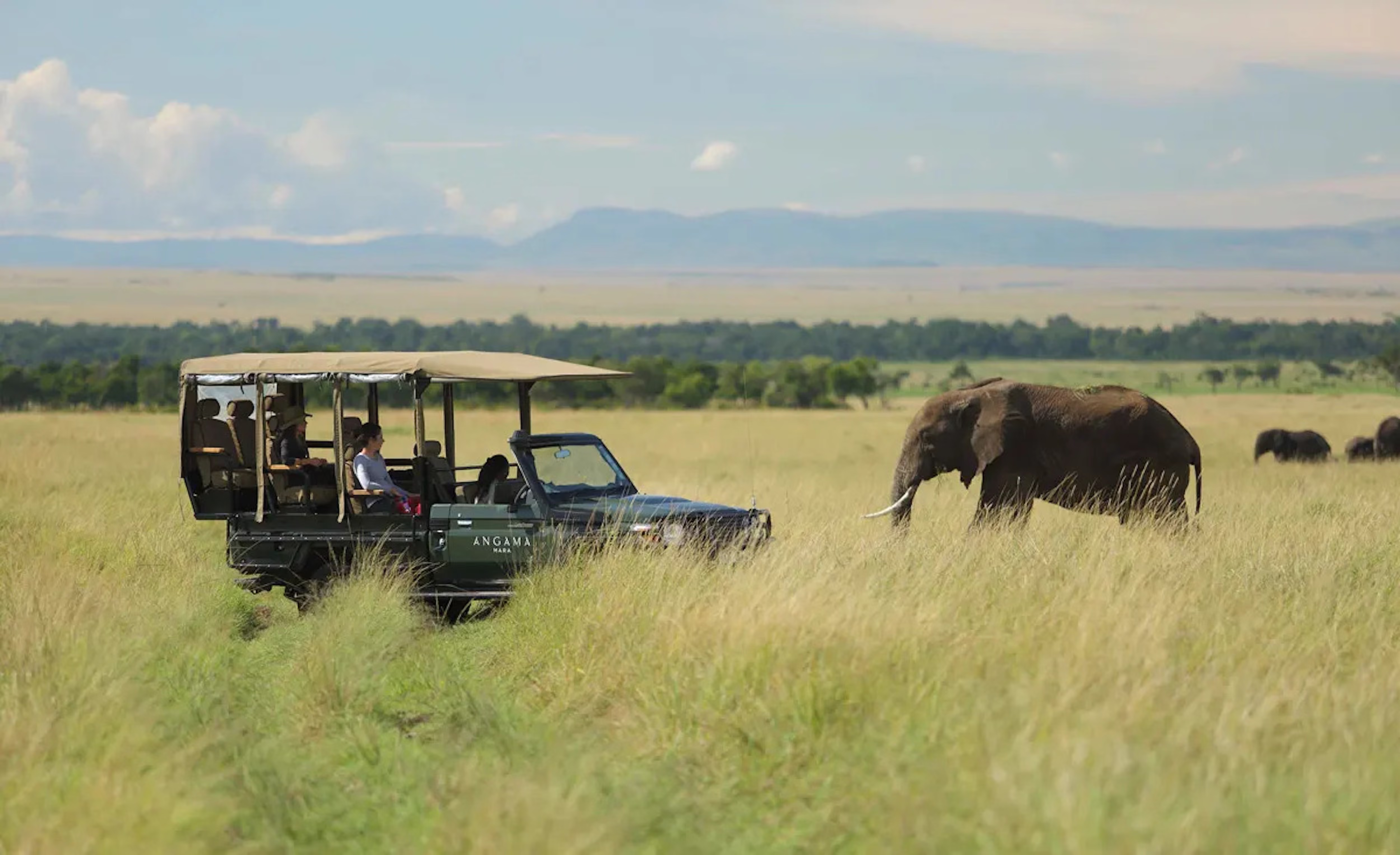
The most famous chapter of the Migration is undoubtedly the Mara River crossing, when thousands of animals plunge into crocodile-filled waters as they move between Tanzania and Kenya.
But the Migration is far more than a river crossing. It is a year-round story of birth, movement, survival, and renewal.
Why Is the Great Migration So Special?
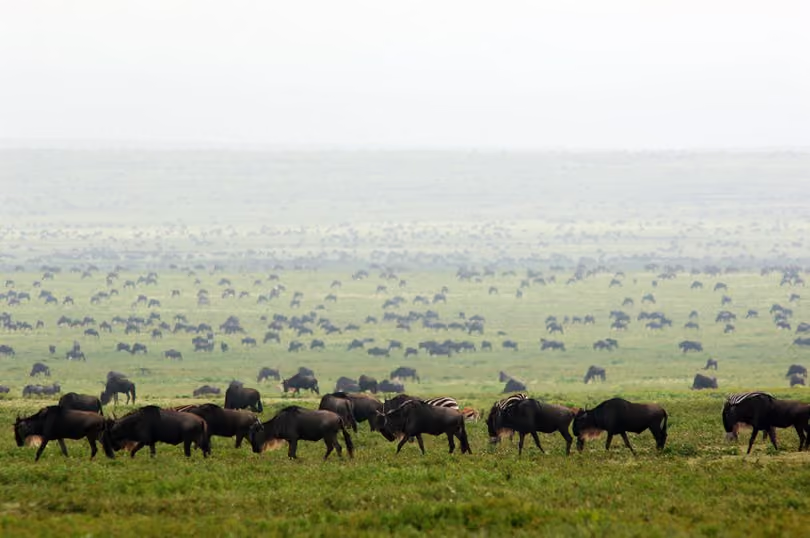
The scale alone is difficult to comprehend until you're standing in the middle of it.
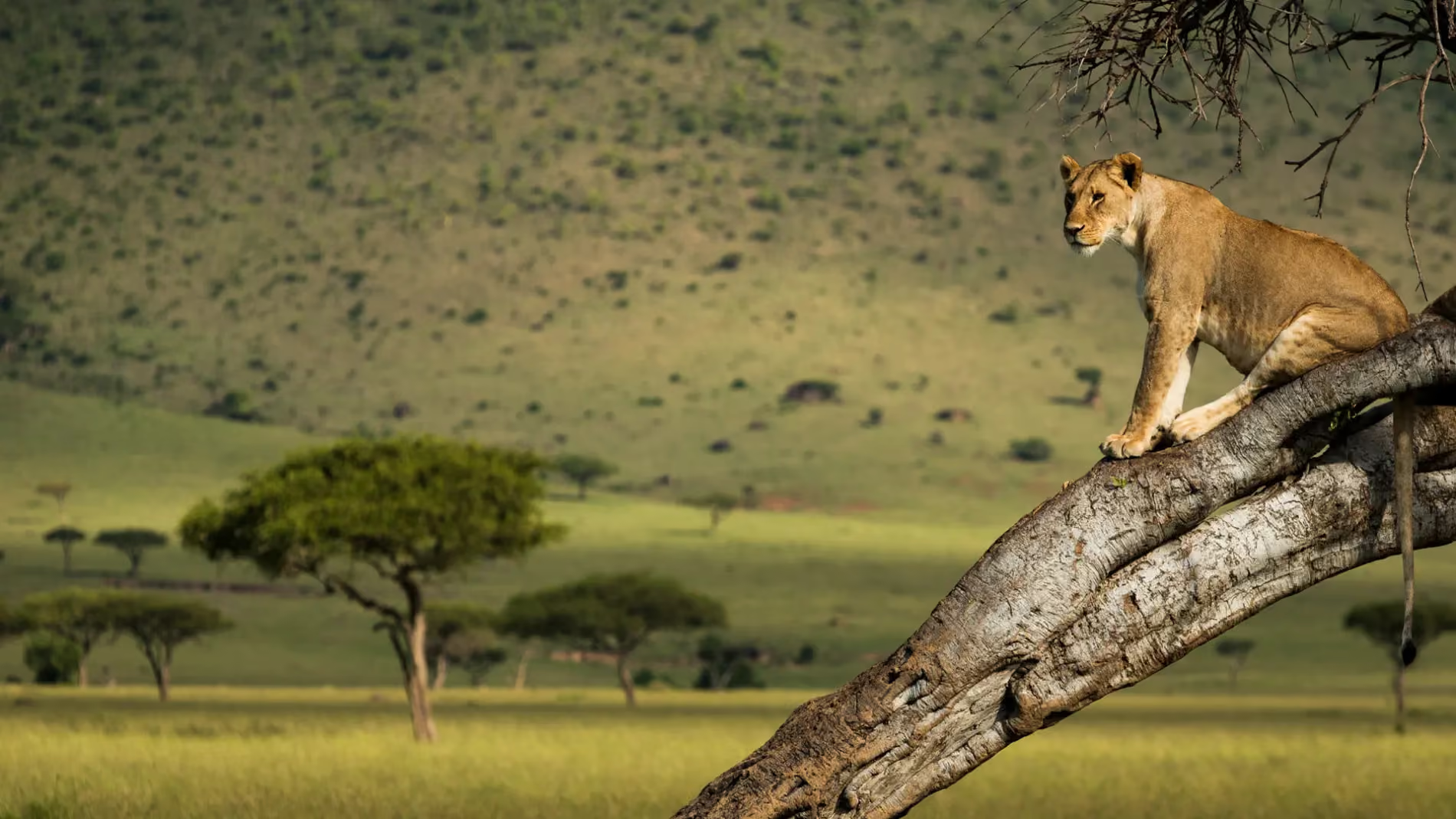
Herds stretch to the horizon. The sound of hooves carries across the plains. Dust hangs in the air while lions, cheetahs, hyenas, crocodiles, and vultures wait for opportunity.
It's one of the few wildlife events that genuinely overwhelms the senses.
As Brett Horley explains:
"People often ask me what the best crossing I've ever seen was. My answer is always the same: the next one. You never stop being amazed by it. The noise, the chaos, the sheer scale of what you're witnessing. It changes the way you think about wildlife forever."
The Great Migration Calendar
January to March: Calving Season
The herds gather on the nutrient-rich short-grass plains of the southern Serengeti.
Over a remarkably short period, roughly 500,000 wildebeest calves are born.
For predators, it is a season of abundance.
For photographers, it is one of the most rewarding times of year to visit East Africa.
Highlights:
- Wildebeest calving season
- Exceptional predator action
- Beautiful green landscapes
- Excellent photography opportunities
April to June: The Green Season Journey
As the long rains arrive, the herds begin moving north through the central Serengeti.
The landscapes are lush, dramatic, and far quieter than peak season.
Many experienced safari travellers consider this one of East Africa's most underrated periods.
Highlights:
- Fewer vehicles
- Lush scenery
- Outstanding birdlife
- Excellent value
July to October: The Mara River Crossings
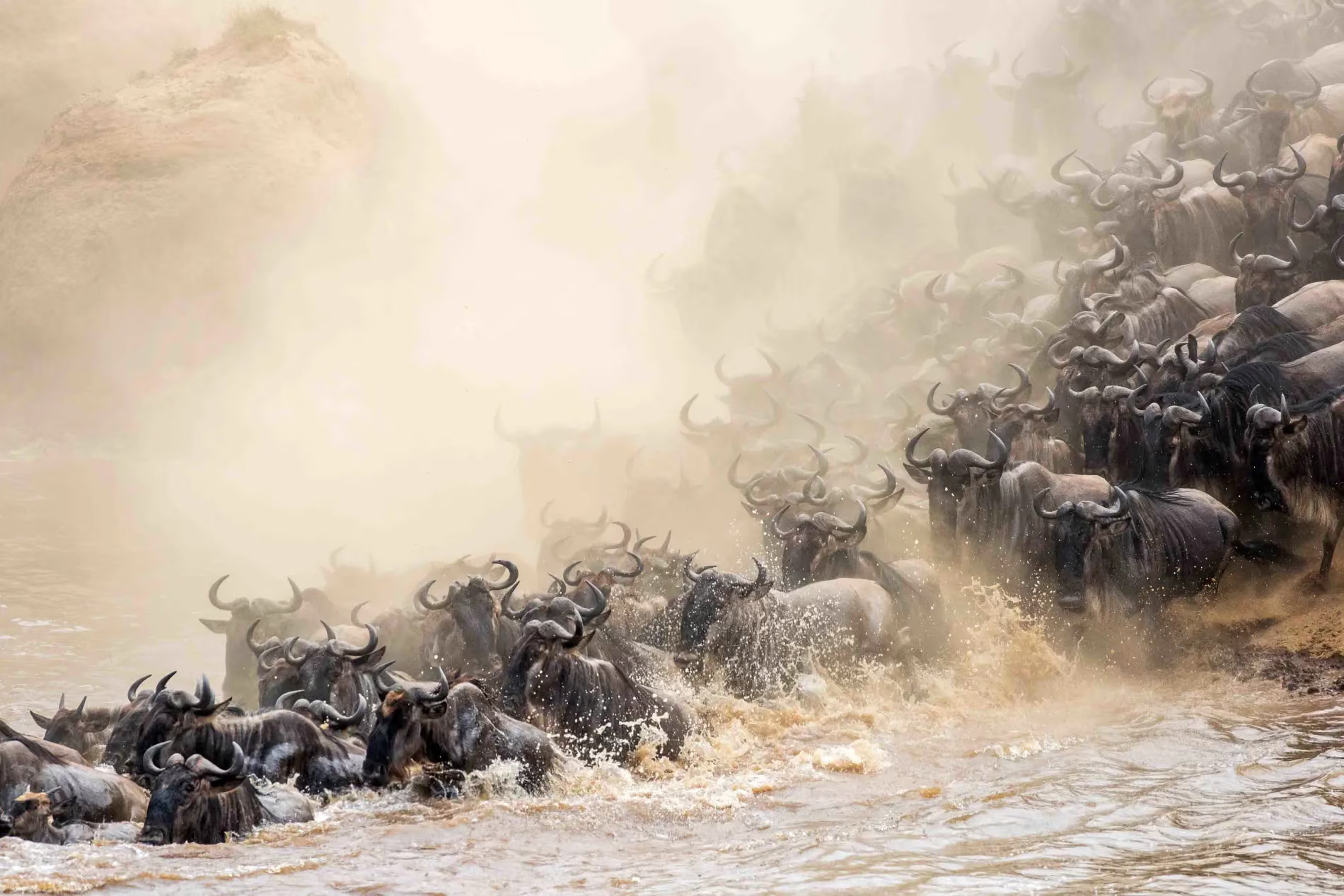
For many travellers, this is the moment they have been waiting for. As the Great Migration reaches Kenya's Maasai Mara, the herds are faced with one of their greatest challenges: crossing the Mara River.
Thousands of wildebeest gather along the riverbanks, hesitating as they search for the safest place to cross. Sometimes they wait for hours. Sometimes they turn back. And then, without warning, one animal makes the first move and the rest follow.
The river erupts into chaos as thousands of wildebeest plunge into the water, battling strong currents while crocodiles wait below. Every crossing unfolds differently, which is why witnessing one in person is never predictable and always extraordinary.
Highlights:
- Mara River crossings
- Peak Migration season
- Exceptional predator activity
- Iconic Kenya safari experience
November to December: The Journey South
As seasonal rains return to Tanzania, the herds begin moving south once more.
The Mara becomes quieter, wildlife remains exceptional, and many camps return to a more intimate safari atmosphere.
Highlights:
- Fewer visitors
- Excellent resident wildlife
- Beautiful safari conditions
- Great value compared to peak season
Where Is the Best Place to See the Great Migration?
For travellers hoping to witness river crossings, Kenya's Maasai Mara remains one of the best places in Africa.
However, where you stay matters almost as much as when you travel.
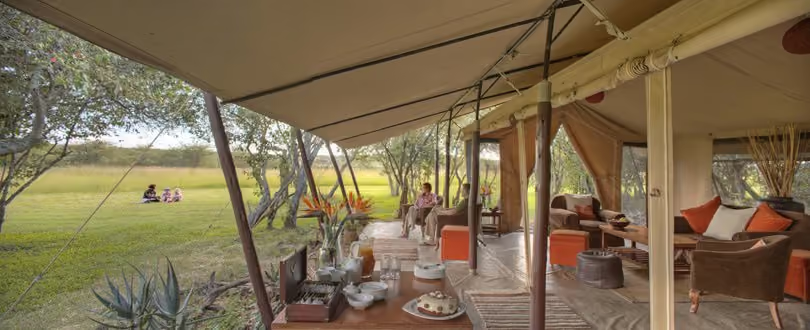
We generally recommend staying within one of the private conservancies bordering the Maasai Mara National Reserve, including:
- Mara North Conservancy
- Olare Motorogi Conservancy
- Naboisho Conservancy
- Ol Kinyei Conservancy
These areas offer:
- Fewer vehicles
- Exceptional guiding
- Night drives
- Walking safaris
- More exclusive wildlife experiences
While crossings often take place within the reserve itself, staying in a conservancy significantly improves the overall safari experience.
How Many Nights Do You Need?
One of the biggest mistakes travellers make is not allowing enough time.
The Migration operates entirely on its own schedule. A crossing may happen within minutes of arrival. Or it may take days.
For the best chance of witnessing a crossing, we recommend:
- Minimum: 4 nights
- Ideal: 5–6 nights
Patience is often rewarded.
Tips for Planning a Great Migration Safari
- Book 12–18 months in advance for July to October travel.
- Stay in a conservancy camp rather than inside the reserve.
- Allow at least four nights in the Mara.
- Travel with experienced guides who know the river systems.
- Focus on the overall safari experience, not just the crossings.
- Consider combining the Serengeti and Maasai Mara for the complete Migration story.
Plan Your Great Migration Safari
The Great Migration is one of those rare experiences that exceeds even the highest expectations.
Whether you're hoping to witness a dramatic river crossing, photograph predator-prey interactions, or simply stand among one of the largest wildlife movements on the planet, timing and planning make all the difference.
At BHS, we design tailor-made Migration safaris that place you in the right camps, with the right guides, at the right time of year.
For more information or to begin planning your journey, contact us at hello@bhs-safari.co or +27 63 298 6442.
FAQS
The Great Migration is the year-round movement of around 1.5 to 2 million wildebeest, along with hundreds of thousands of zebra and gazelle, through Tanzania’s Serengeti and Kenya’s Maasai Mara. The herds follow seasonal rainfall and fresh grazing in one of the world’s greatest wildlife spectacles.
The best time to see the Great Migration in Kenya is usually July to October, when the herds move into the Maasai Mara and Mara River crossings may take place. August and September are often considered peak months, although sightings depend on rainfall and herd movement.
No. Mara River crossings are never guaranteed because the Migration is completely natural and unpredictable. The herds may cross within minutes, wait for hours, turn back, or move to a different crossing point, which is why allowing several nights in the Mara is important.
No. The Great Migration moves continuously between Tanzania’s Serengeti and Kenya’s Maasai Mara throughout the year. Tanzania is especially important for calving season from January to March, while Kenya is best known for the dramatic Mara River crossing period.
For the best chance of seeing a crossing, you should allow at least four nights in the Maasai Mara, with five to six nights ideal. The Migration runs on its own schedule, so more time gives you a better chance of being in the right place at the right moment.
For a Great Migration safari, private conservancies bordering the Maasai Mara can offer a quieter and more flexible overall experience. Areas such as Mara North, Olare Motorogi, Naboisho and Ol Kinyei provide excellent guiding, fewer vehicles and access to exceptional wildlife areas.