

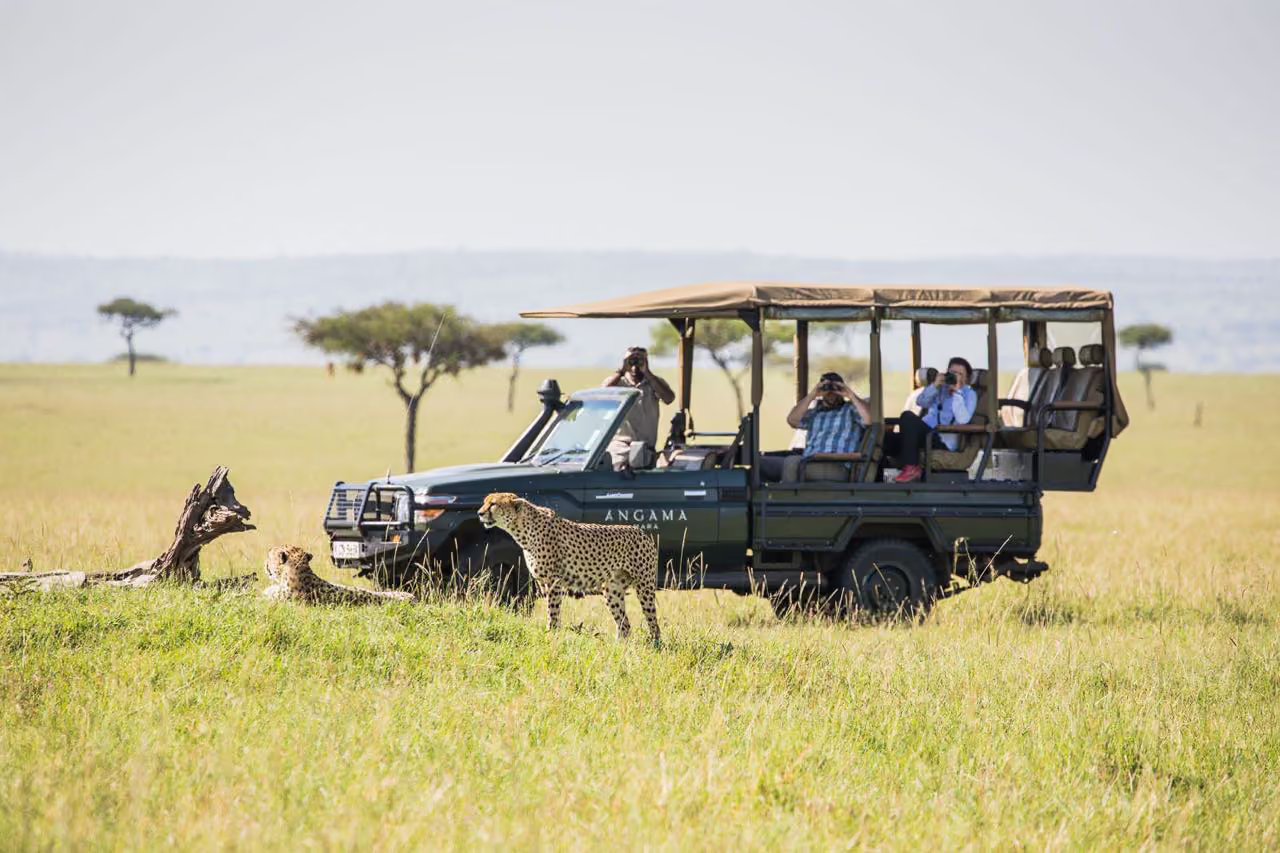
Few destinations capture the imagination quite like Kenya.
For many travellers, it is the Africa they've dreamed about for years. Endless golden grasslands. Acacia trees silhouetted against dramatic skies. Elephant herds crossing beneath Mount Kilimanjaro. Maasai warriors stand watch over landscapes that seem untouched by time.
Kenya is home to some of Africa's most iconic safari experiences, but it is also remarkably diverse. Beyond the famous Maasai Mara lies a country of private conservancies, remote wilderness areas, ancient Swahili settlements, and pristine Indian Ocean beaches.
The secret to a great Kenya safari is understanding how these regions fit together.
Here's everything you need to know when planning a safari in Kenya.
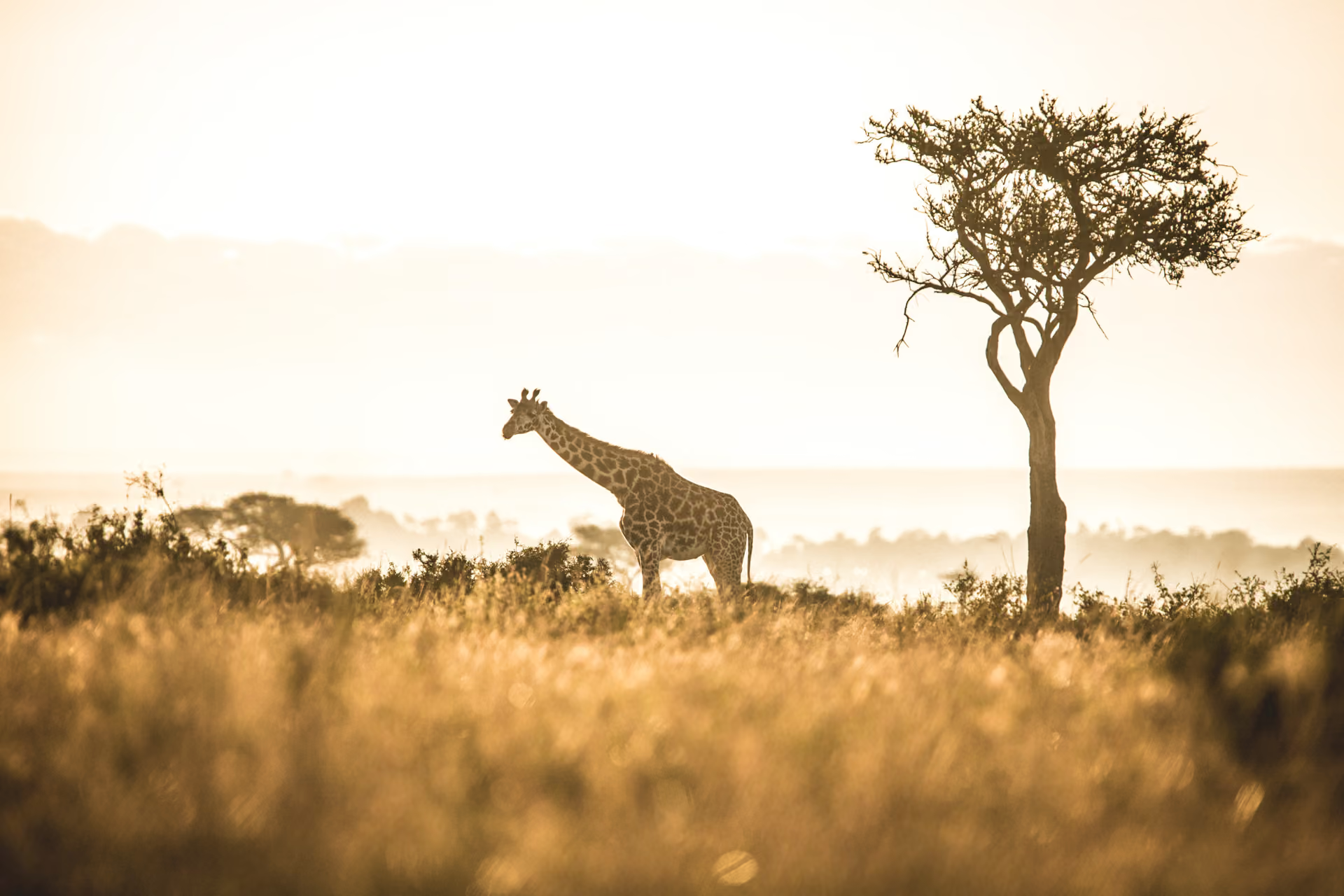
Why Visit Kenya?
Kenya remains one of Africa's most complete safari destinations.
Few countries combine exceptional wildlife viewing, rich cultural heritage, world-famous landscapes, and tropical coastline quite so effortlessly. Whether you're travelling to witness the Great Migration, photograph elephants beneath Kilimanjaro, or unwind on the Swahili Coast after safari, Kenya offers an extraordinary range of experiences within a single itinerary.
As Brett Horley often says:
"Kenya delivers some of the most iconic safari moments on earth. The challenge isn't finding something incredible to see. It's deciding which incredible experience to prioritise."
The Maasai Mara: Kenya's Greatest Wildlife Destination
When most people picture a safari in Kenya, they imagine the Maasai Mara.
Covering more than 1,500 square kilometres, the Mara forms the northern extension of the vast Serengeti-Mara ecosystem and is widely regarded as one of Africa's finest wildlife destinations. The reserve's sweeping savannahs, river systems, and rolling plains support extraordinary densities of wildlife throughout the year.
The Great Migration
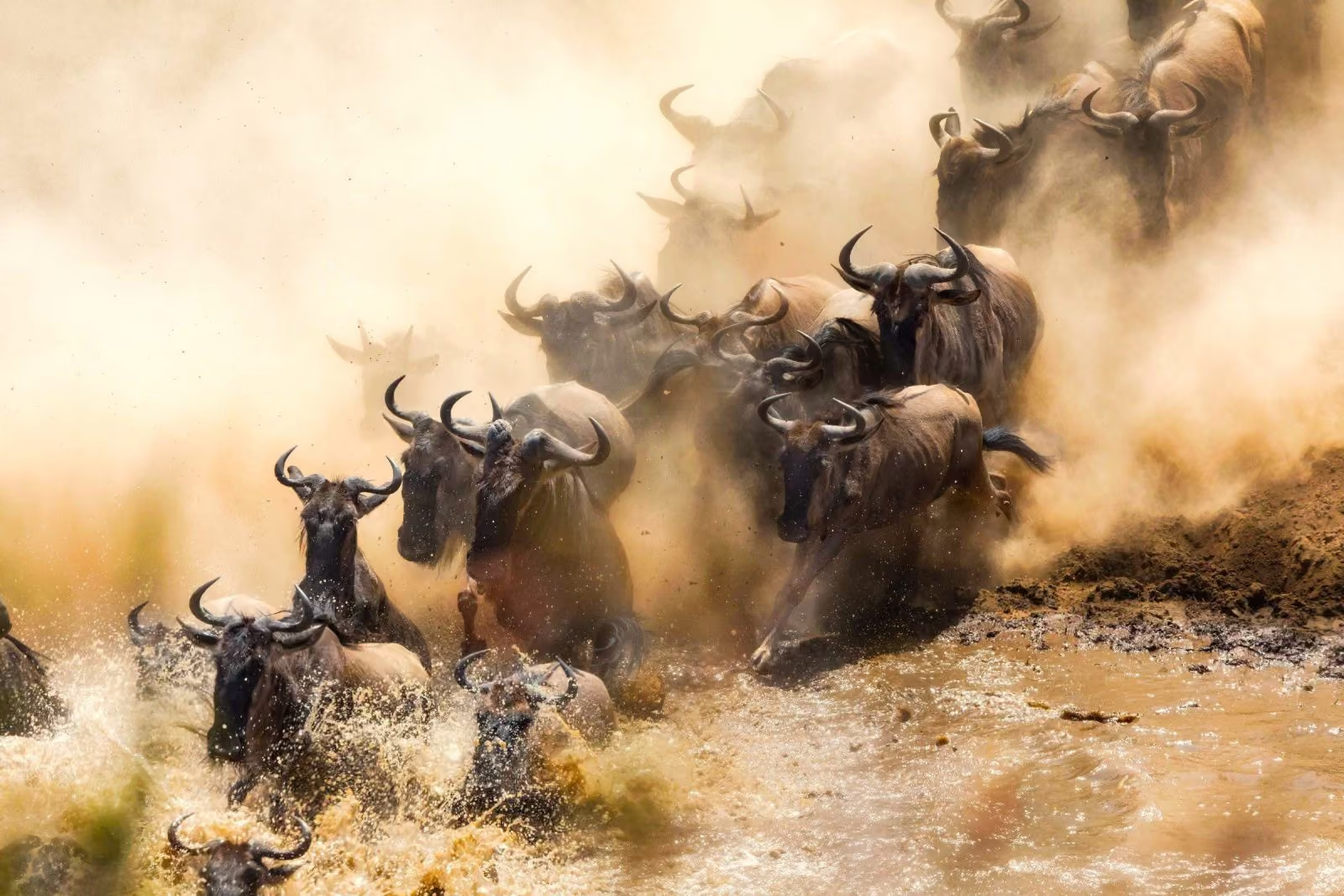
Between July and October, approximately two million wildebeest, zebra, and gazelle move north from Tanzania's Serengeti into Kenya's Maasai Mara.
The migration's most dramatic moments occur at the Mara River crossings, where thousands of animals plunge into crocodile-filled waters in search of fresh grazing.
For many travellers, witnessing a crossing is a genuine bucket-list experience.
"I've seen Mara River crossings countless times, and they still stop me in my tracks. The noise, the tension, the sheer scale of it all. It's one of the greatest wildlife spectacles left on earth." - Brett Horley, BHS Founder
The Mara Beyond Migration Season
While the migration attracts global attention, the Maasai Mara delivers exceptional game viewing throughout the year.
Large resident lion prides, cheetahs, leopards, elephants, buffalo, and abundant plains game ensure that even outside migration season, the wildlife experience remains outstanding.
The region is also a paradise for photographers, having served as the backdrop for countless wildlife documentaries, including BBC's Planet Earth and Big Cat Diary.
Stay in the Conservancies, Not Just the Reserve
One of the most important decisions when planning a Kenya safari is choosing where to stay.
While the national reserve receives most of the attention, many of the finest safari experiences take place in the surrounding private conservancies.
Areas such as:
- Mara North Conservancy
- Naboisho Conservancy
- Olare Motorogi Conservancy
These conservancies offer lower vehicle density, exclusive wildlife viewing areas, walking safaris, and night drives that are not permitted inside the national reserve.
For travellers seeking a more intimate safari experience, conservancies often provide significantly greater value than the reserve itself.
Amboseli: Elephants Beneath Kilimanjaro
If the Mara is Kenya's wildlife icon, Amboseli is its photographic icon.
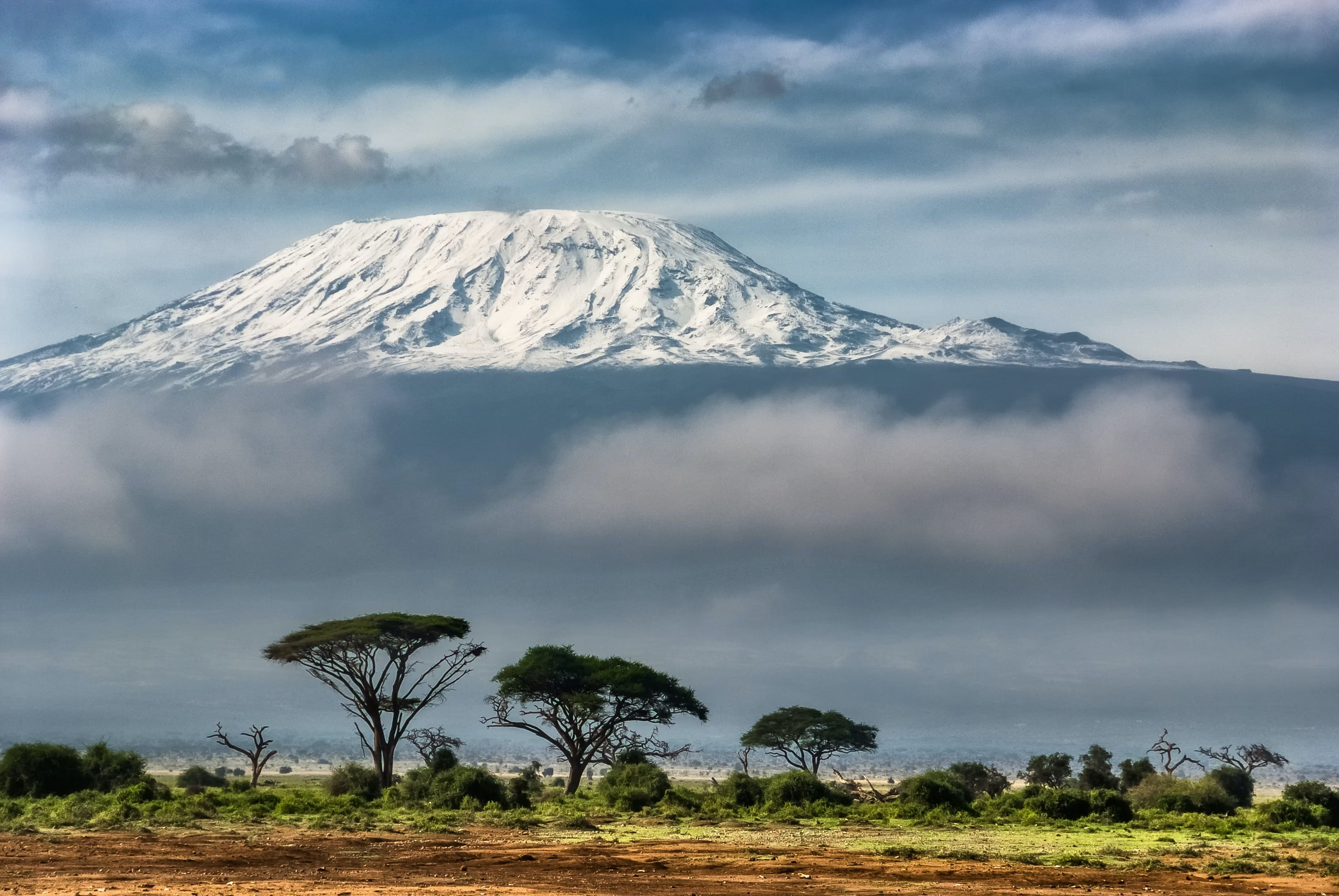
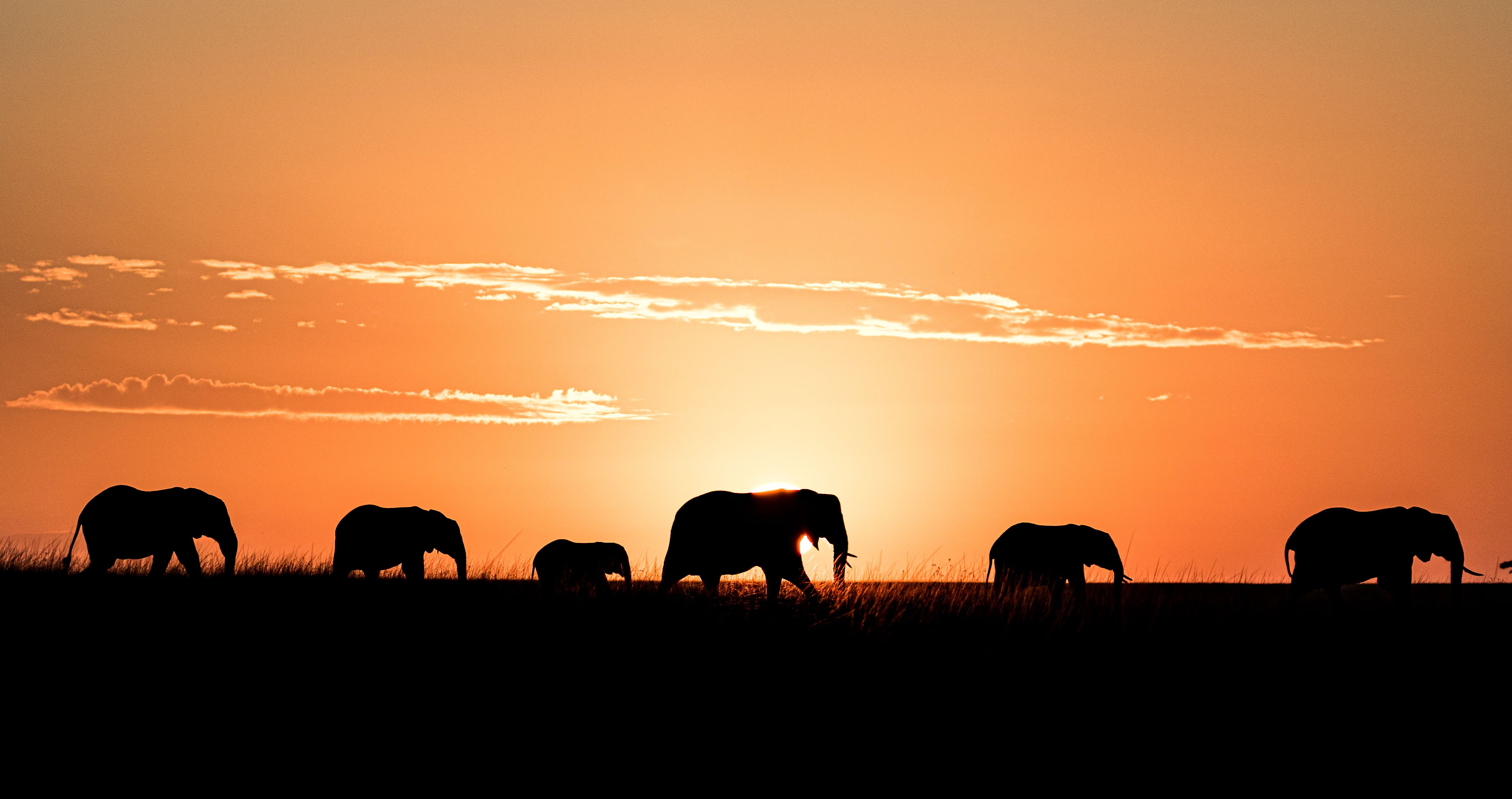
Located south-east of Nairobi, Amboseli National Park is famous for its large-tusked elephants and spectacular views of Mount Kilimanjaro, Africa's highest peak.
The park's open plains, seasonal wetlands, acacia woodland, and dry lakebeds create a striking landscape that supports:
- Elephant
- Lion
- Cheetah
- Hyena
- Wildebeest
- Zebra
- Giraffe
For photographers, few safari scenes rival an elephant herd crossing the plains with Kilimanjaro rising in the background.
The surrounding Maasai communities also add an important cultural dimension to the Amboseli experience, providing insight into one of East Africa's most enduring traditions.
Laikipia: Kenya's Conservation Success Story
For travellers who have visited East Africa before, Laikipia often becomes the highlight of the journey.
Located north of Kenya's central highlands, this region is a mosaic of private conservancies, working ranches, and community-led conservation initiatives.
Laikipia is particularly known for:
- Black rhino conservation
- Grevy's zebra
- African wild dog
- Exceptional guiding
- Walking safaris
- Conservation-focused experiences
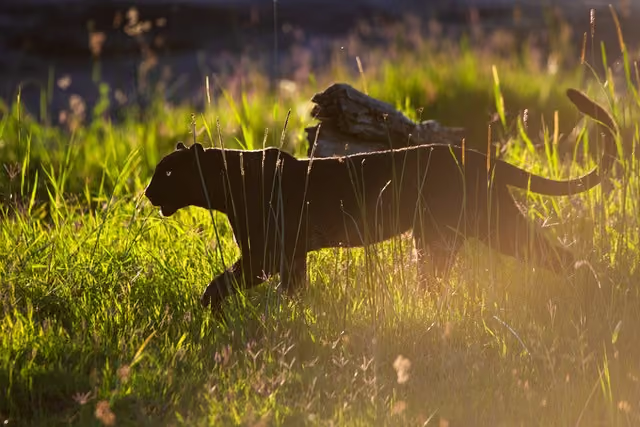
Unlike the Mara, where wildlife densities create constant excitement, Laikipia offers a deeper understanding of Kenya's conservation story and a stronger connection to the people protecting it. It's also home to one of Africa's most fascinating predators, explored in our Original Search for the Black Leopard expedition.
Samburu: Kenya's Wild North
Further north, Samburu offers a completely different safari experience.
The landscape becomes drier, more rugged, and distinctly semi-arid. Along the Ewaso Ng'iro River, wildlife gathers beneath doum palms and acacia woodland.
Samburu is famous for species rarely encountered elsewhere in East Africa:
- Grevy's zebra
- Reticulated giraffe
- Somali ostrich
- Gerenuk
- Beisa oryx
Collectively known as the "Samburu Special Five," these species make the region particularly rewarding for repeat safari travellers.
The Kenyan Coast: Lamu and Diani Beach
A Kenya safari doesn't have to end when the game drives do.
The Indian Ocean coastline provides one of Africa's finest safari-and-beach combinations.
Lamu
Lamu feels like stepping into another century.
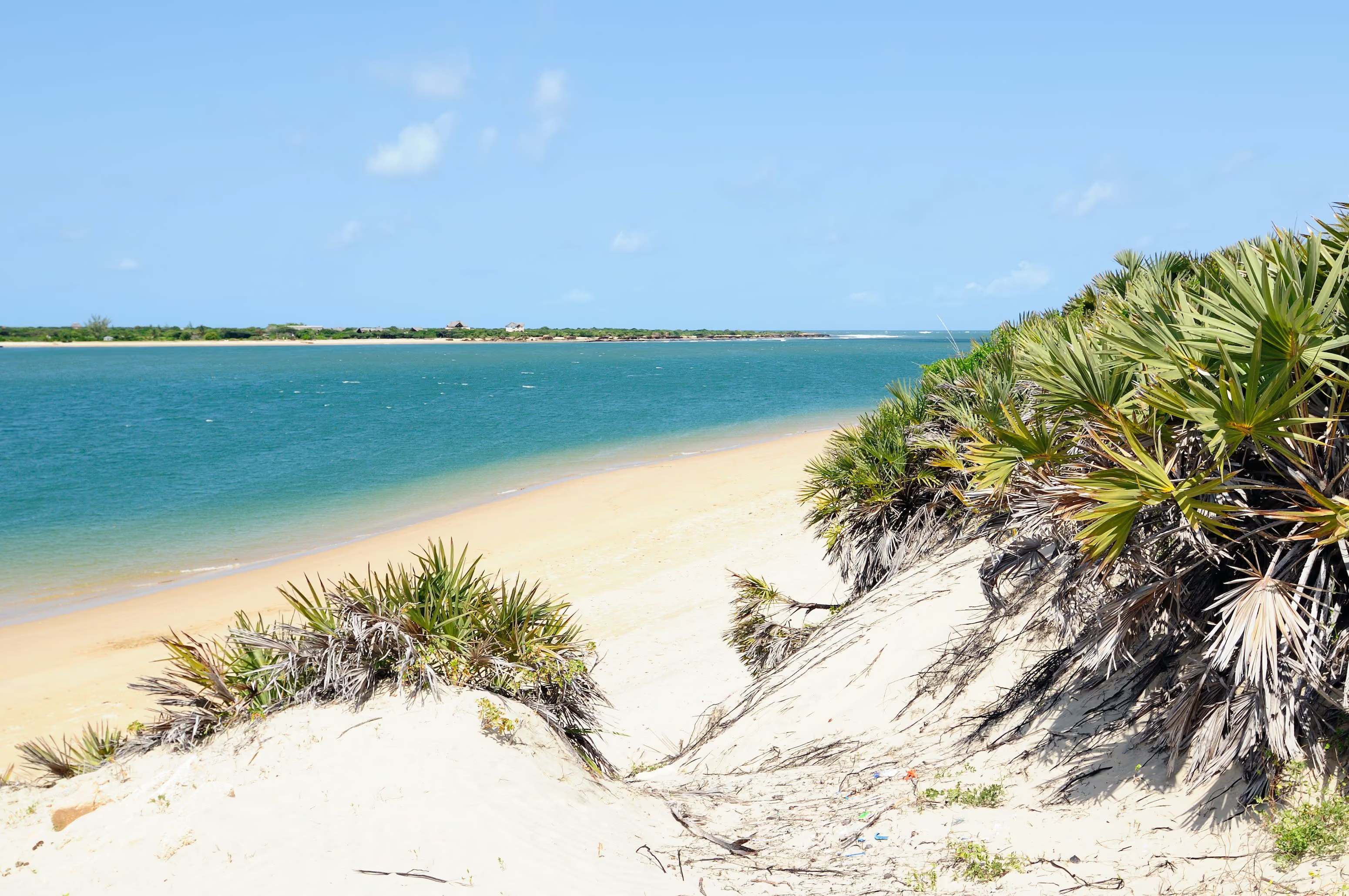
This UNESCO World Heritage town is famous for its narrow alleyways, Swahili architecture, dhow sailing culture, and remarkable history shaped by centuries of Arab, Indian, Portuguese, and African trade.
Cars are almost absent. Most people travel on foot, by donkey, or by traditional sailing dhow.
The atmosphere is unlike anywhere else in Africa.
Diani Beach
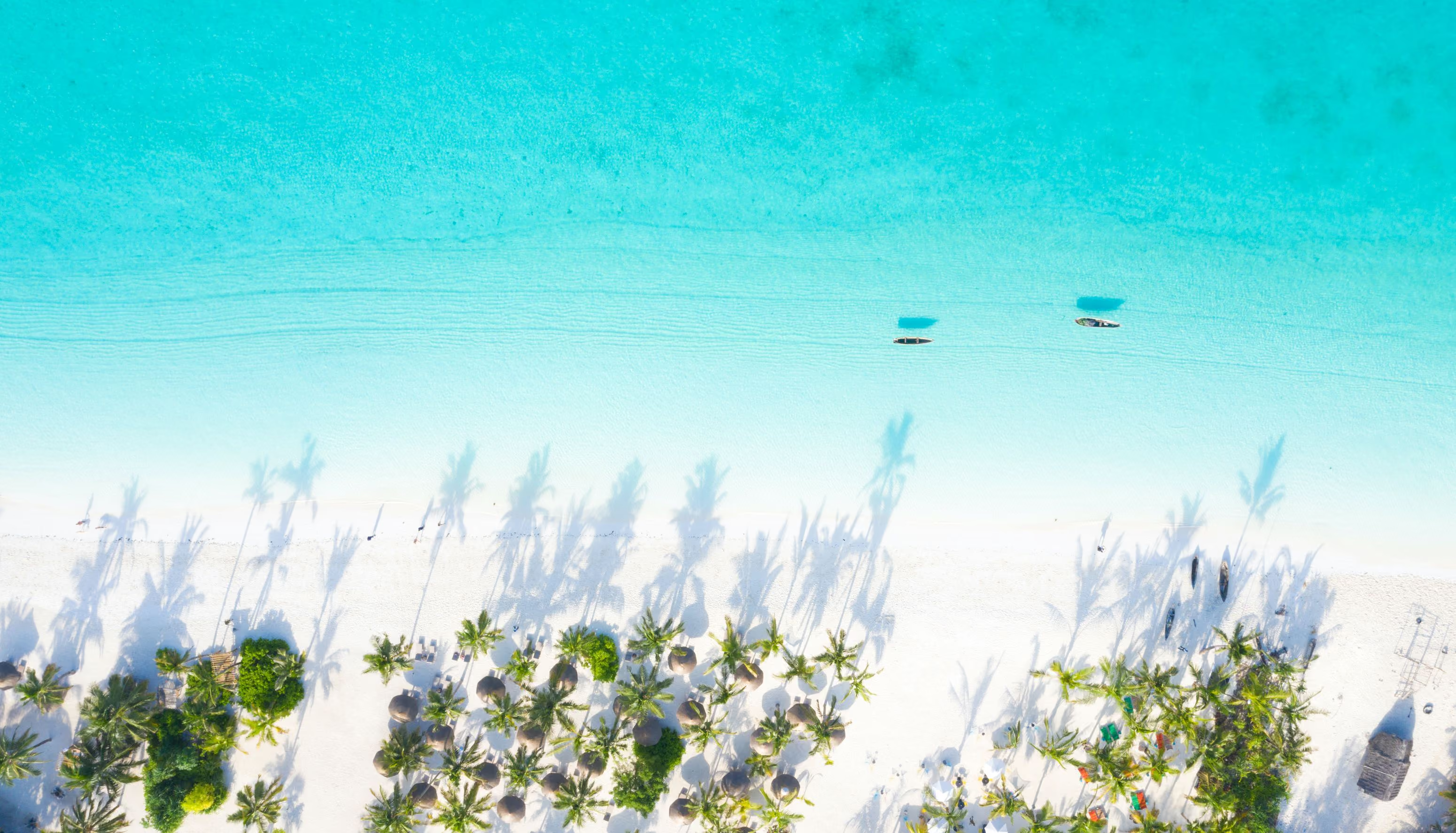
For travellers seeking a classic beach extension, Diani Beach offers powder-white sand, warm turquoise water, coral reefs, and outstanding snorkelling.
Activities include:
- Snorkelling
- Diving
- Kitesurfing
- Deep-sea fishing
- Dhow excursions
- Day trips to Kisite Marine Park
Three or four nights on the coast creates the perfect conclusion to a Kenya safari.
When Is the Best Time to Visit Kenya?
The answer depends on what kind of experience you're seeking.
July to October
Best for: Great Migration and river crossings
- Peak safari season
- Highest demand
- Exceptional predator activity
- Iconic migration sightings
December to March
Best for: General wildlife viewing
- Excellent weather
- Outstanding predator sightings
- Fewer visitors than the migration season
- Fantastic photography conditions
April to May
Best for: Green season photography and birding
- Lush landscapes
- Migratory birds
- Lower rates
- Fewer vehicles
As BHS Guide Jo Cooper often tells guests:
"The best time to visit Kenya depends entirely on what you're looking for. If you want spectacle, visit during migration season. If you want space, fewer vehicles, and beautiful light, January and February are hard to beat."
How Many Days Do You Need in Kenya?
For a well-balanced first safari, we recommend:
8–10 Days
- 4 nights Maasai Mara
- 3 nights Amboseli
- 3 nights Diani Beach or Lamu
10–14 Days
- 4 nights Maasai Mara
- 3 nights Laikipia or Samburu
- 3 nights Amboseli
- 4 nights coast
This combination delivers Kenya's wildlife highlights while showcasing the country's diversity.
How to Do Kenya Right
• Fly between parks. Road distances in Kenya are significant. Light aircraft connections between the Mara, Amboseli, and Samburu are worth every penny.
• Choose your camp carefully. The Mara's private conservancies (Olare Motorogi, Naboisho, Mara North) offer exclusive-use areas with lower vehicle density. This is where the real Mara experience lives.
• Build in the coast. Even three nights on the Swahili coast transforms the itinerary from safari to full East African experience.
• Trust your guide. Kenya has some of Africa's finest guides, let them show you their Mara, their Amboseli, their Africa.
Plan Your Kenya Journey
Kenya is one of Africa's most iconic safari destinations, combining world-class wildlife viewing, rich culture, dramatic landscapes, and a beautiful Indian Ocean coastline in a single journey.
Whether you're dreaming of the Great Migration in the Maasai Mara, elephants beneath Kilimanjaro in Amboseli, the wild landscapes of Samburu, or a few days on the Swahili Coast, we'll help you build an itinerary that brings it all together.
For more information or to begin planning your journey, contact us at hello@bhs-safari.co or +27 63 298 6442.
FAQS
Yes. Kenya is one of the best destinations for a first African safari because it offers exceptional wildlife, experienced guides, strong safari infrastructure and a wide range of landscapes. You can combine the Maasai Mara, Amboseli, Laikipia, Samburu and the coast in one beautifully varied journey.
The Maasai Mara is Kenya’s most famous safari region, known for big cats, open savannah and the Great Migration. For a richer itinerary, you can also add Amboseli for elephants beneath Kilimanjaro, Laikipia for conservation and rhino, or Samburu for rare northern species.
The best time for a Kenya safari depends on what you want to see. July to October is best for the Great Migration and river crossings, while December to March offers excellent general wildlife viewing, predator sightings, and beautiful photography conditions.
On a Kenya safari, you can see lion, leopard, cheetah, elephant, buffalo, giraffe, zebra, hippo, crocodile and rich birdlife. In certain regions, you may also see Grevy’s zebra, reticulated giraffe, gerenuk, Beisa oryx, Somali ostrich and African wild dog.
Yes. A Kenya safari and beach combination works beautifully, with Lamu or Diani Beach offering warm Indian Ocean water, coral reefs, dhow sailing, snorkelling and time to slow down after safari. Three or four nights on the coast can transform the journey.
For a well-balanced Kenya safari, allow around 8 to 10 days for the Maasai Mara, Amboseli and the coast. If you want to add Laikipia, Samburu, or more time by the Indian Ocean, 10 to 14 days gives you a more relaxed and complete itinerary.