

There are very few places left in Africa where you can step out of camp in the morning with nothing but your senses and a trusted guide and walk into a wilderness that has remained fundamentally unchanged for centuries. Mana Pools is one of them. And it will undo you, in the most wonderful way.
As one of Zimbabwe's most iconic wilderness areas, Mana Pools is often combined with Hwange National Park, Victoria Falls, and other highlights across the country, creating one of Africa's most rewarding safari circuits.
What Makes Mana Pools Unlike Anywhere Else
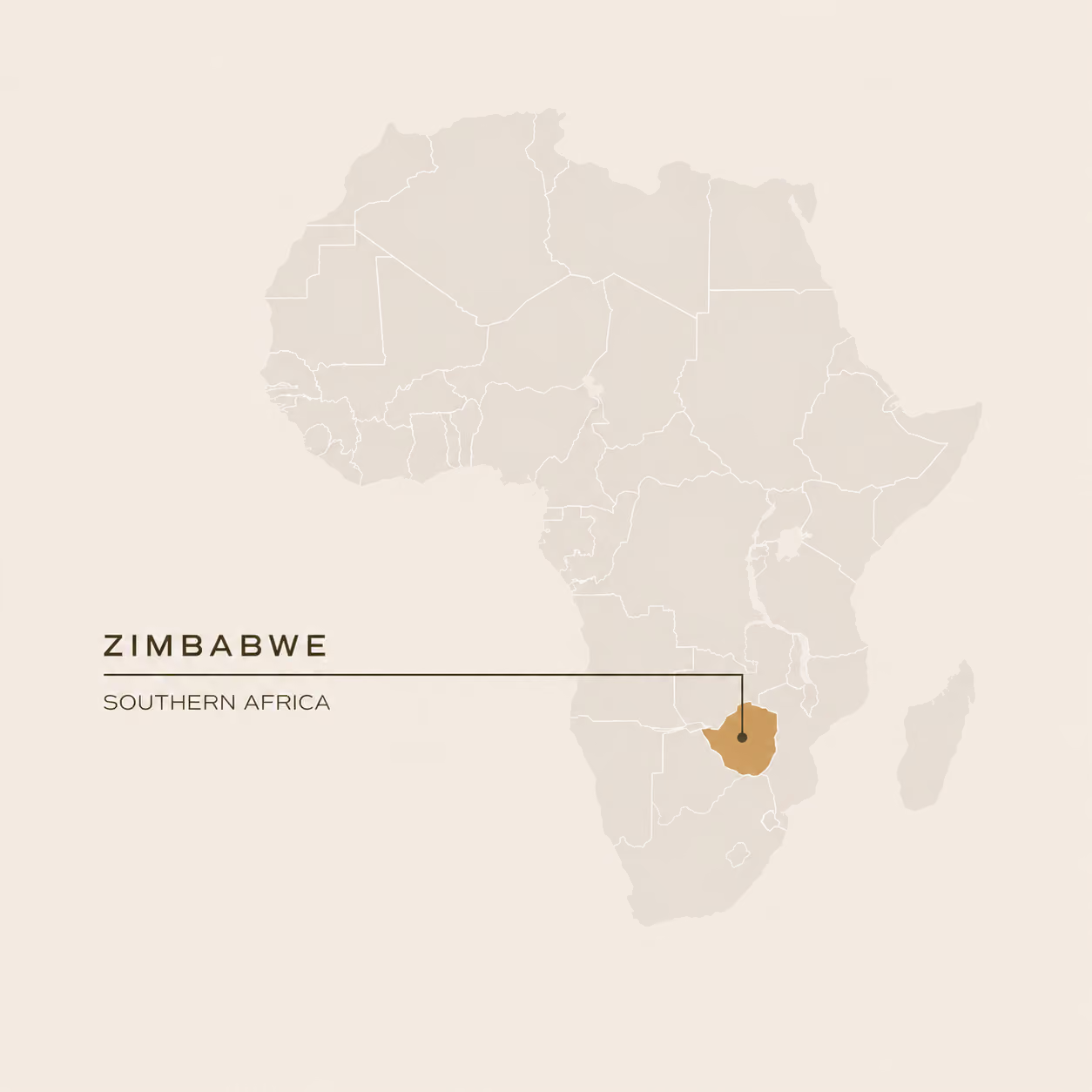
Mana Pools National Park occupies the lower Zambezi Valley in northern Zimbabwe, a floodplain of albida forest and seasonal pools left behind when the Zambezi retreats. The word 'mana' means four in Shona, referring to the four permanent pools that draw wildlife through the dry season. But there's nothing that a number can adequately capture about this place.
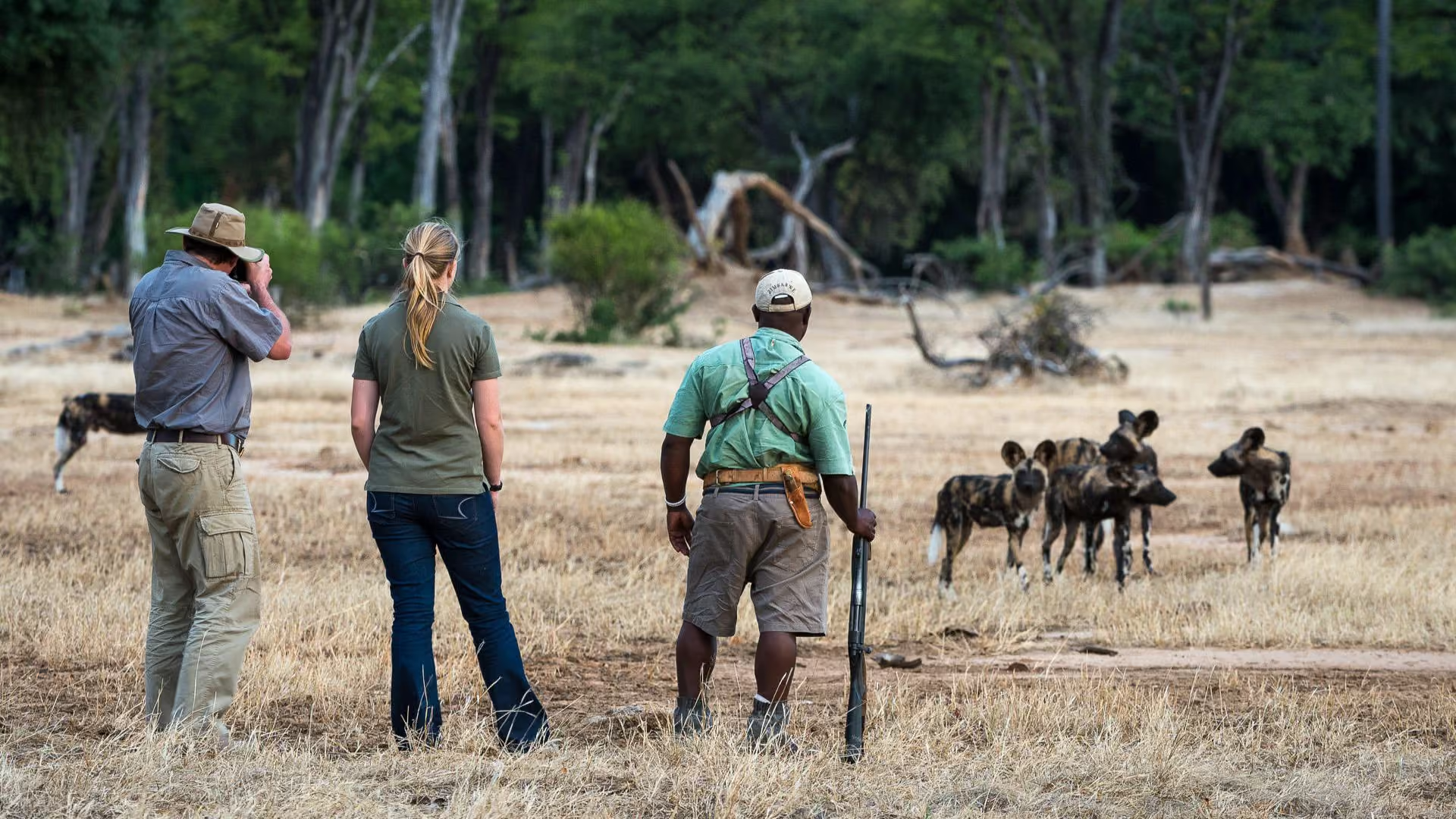
The magic of Mana is that it is genuinely, legally, walk-in-the-bush-on-your-own wild. This is one of the only national parks in Africa where guests can, under their own steam, leave camp and walk among game. Most visitors, wisely, choose to go with a guide. But the spirit of that freedom permeates every experience here.
Walking Safari: The Heart of Mana
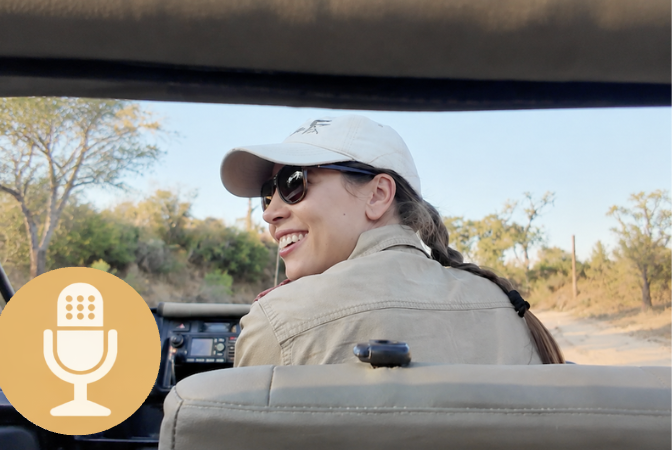
Mana Pools walking safaris are led by some of the finest professional guides in Africa, people who have spent decades learning to read the land, the animals, the wind. They lead you slowly, quietly, stopping to examine tracks, describe behaviour, unpack the layered ecology of the floodplain. Time slows down. Your senses sharpen.
Zimbabwe's reputation for exceptional guiding is one of the reasons so many experienced safari travellers return year after year. Across destinations such as Mana Pools and Hwange, guiding remains central to the experience. Read more in our guide to why Zimbabwe is Africa's most underestimated safari destination.
"On a morning walk in Mana we can see three or four species of predator before breakfast. But honestly, it's not about the big sightings. It's about the feeling of being on the ground, part of the ecosystem, not watching it from a vehicle. That's what walking does to you." - Brett Horley, BHS
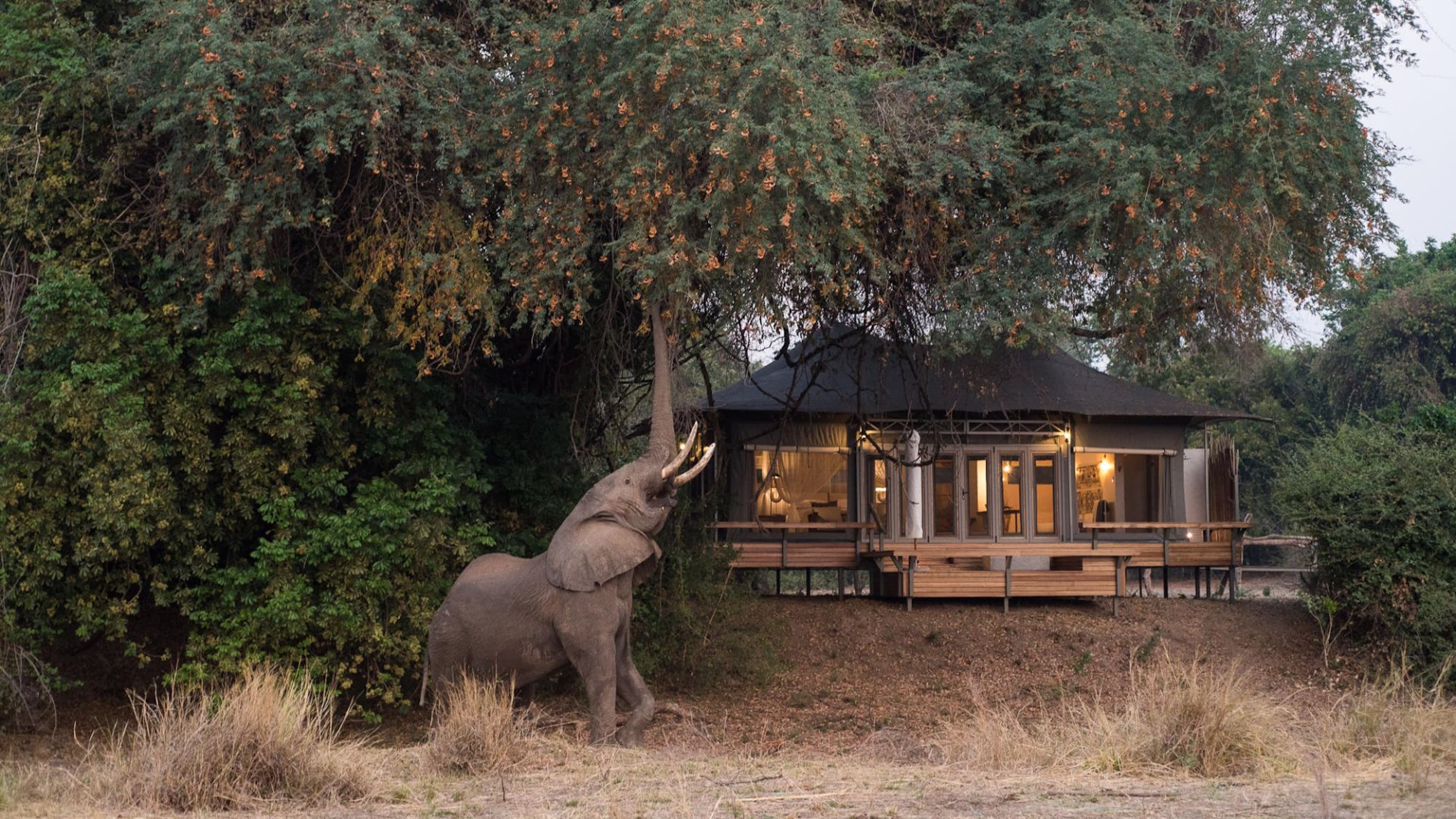
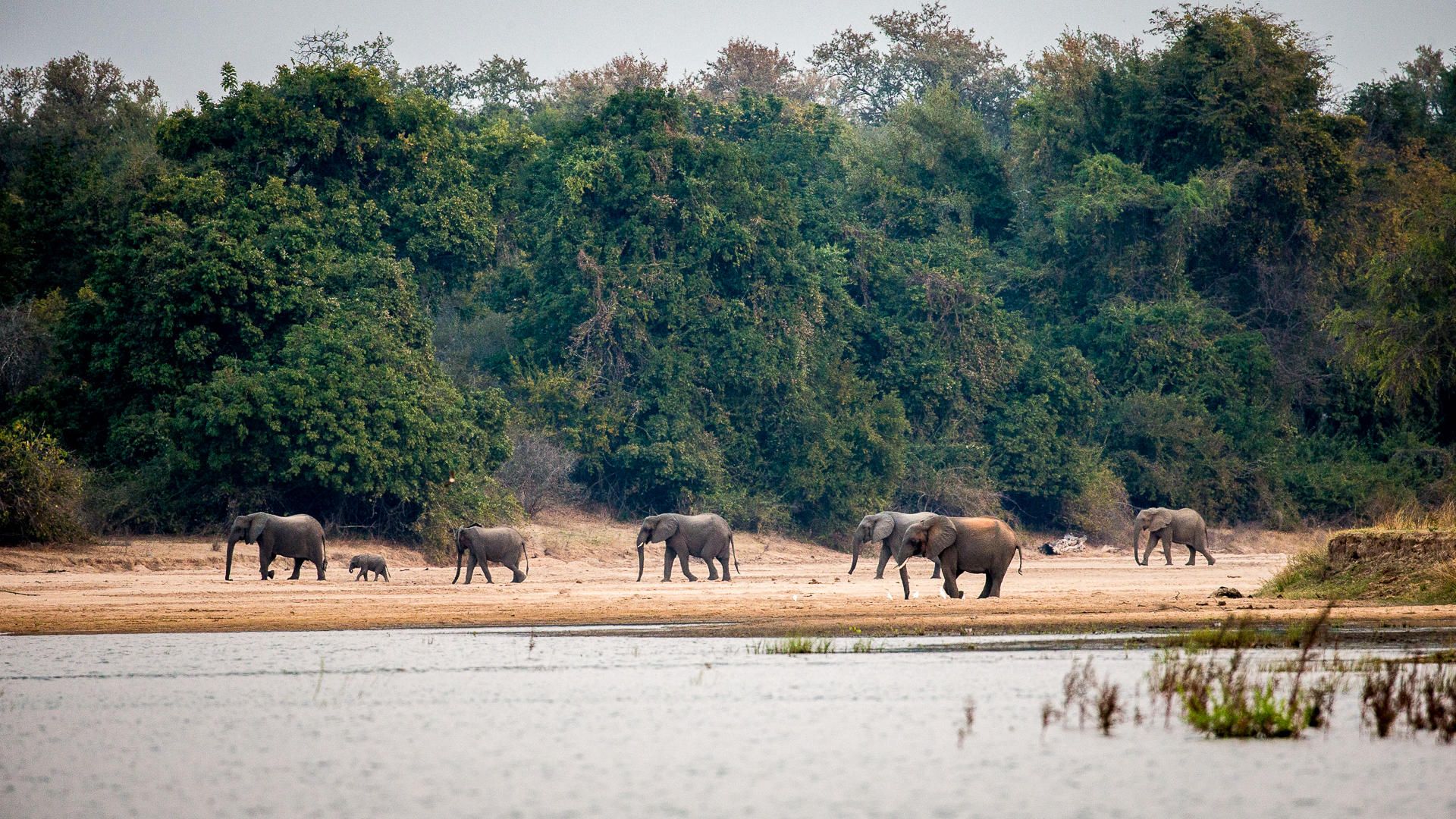
Elephants are the undeniable stars. In Mana, they've learned to rear up on their hind legs to reach the pods of albida acacias, a behaviour unique to this population. Watching a four-tonne animal perform this gravity-defying act a few metres away is one of the defining wildlife moments of any safari life.
Canoeing the Zambezi
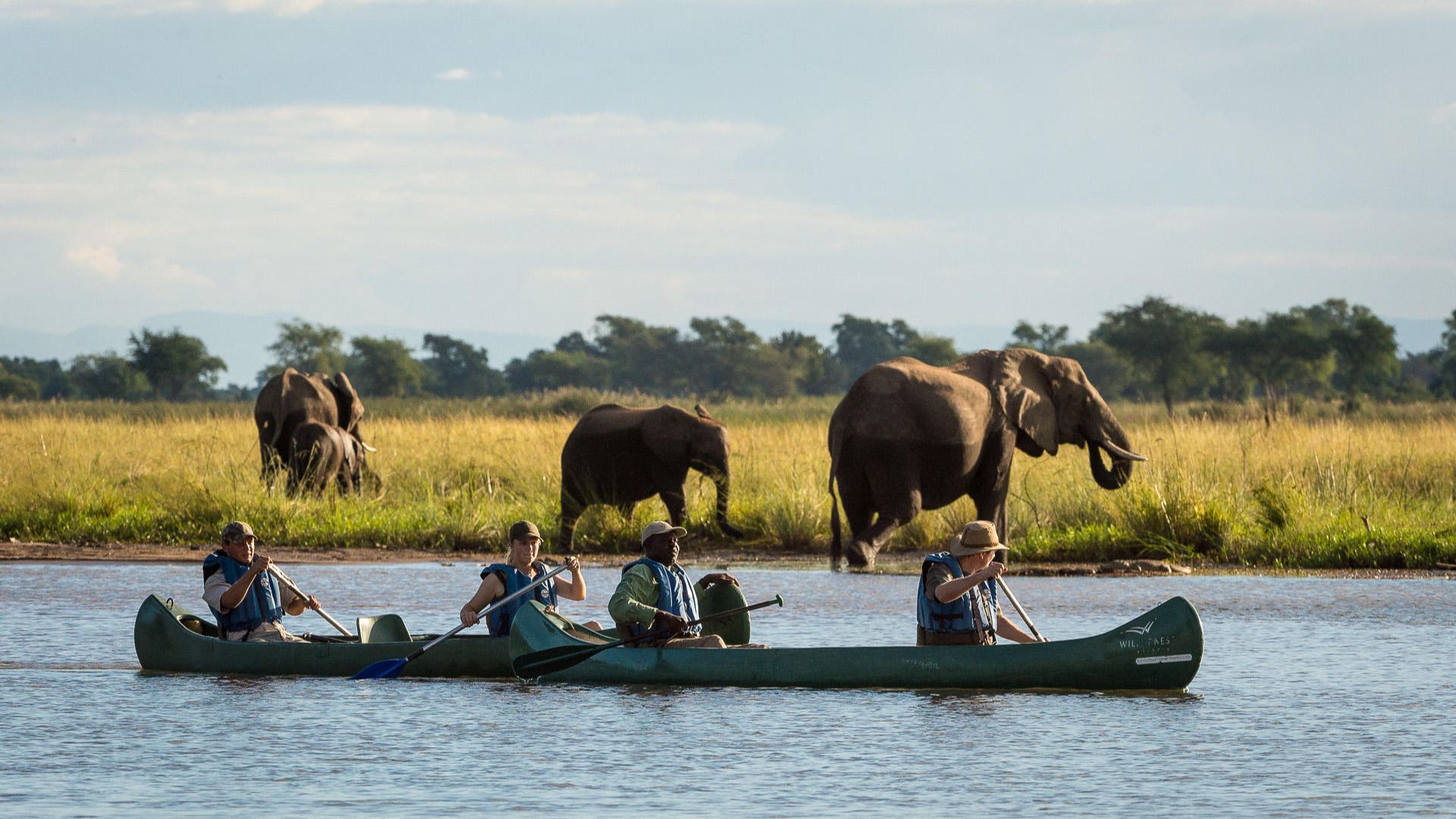
The Zambezi is Mana's second theatre. The river itself ultimately flows toward Victoria Falls, linking two of Zimbabwe's most celebrated destinations and making them a natural combination for travellers wanting both adventure and iconic scenery. Canoe safaris here are extraordinary, paddling slowly downstream past hippo pods, watching crocodiles slide off banks, tracking elephant movements from the water. It's a completely different perspective and one that stays with you.
Multi-day canoe trips, camping on sandbars or in riverside campsites, are among the most adventurous and memorable experiences we offer at BHS. Not for the faint-hearted, but deeply rewarding for those who go.
The Wildlife
Mana is one of Zimbabwe's most productive wildlife areas. While Mana is best known for its walking safaris and river-based experiences, it complements the larger concentrations of predators and elephants found in Hwange National Park, making the two parks an exceptional pairing.
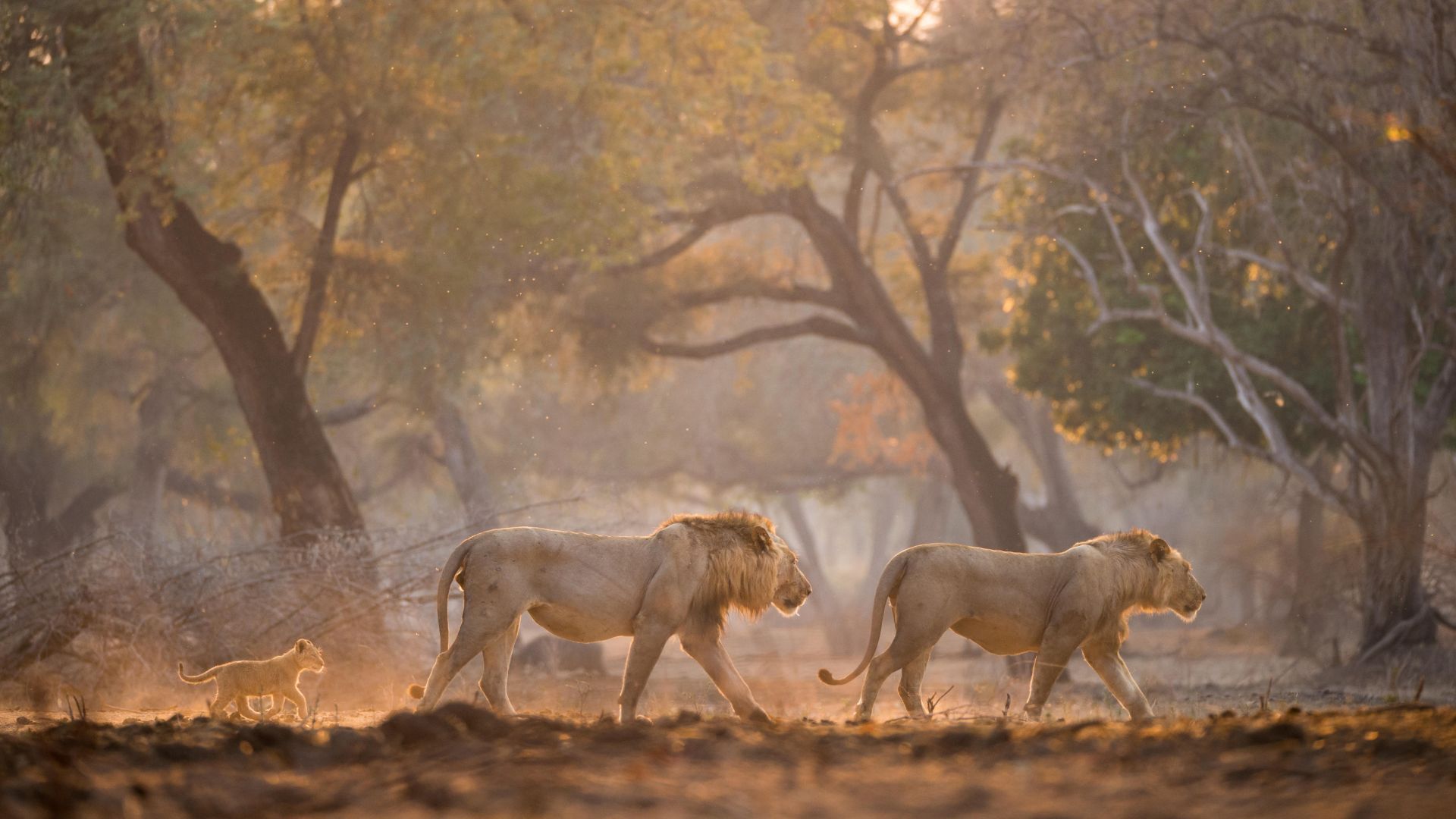
Lion, leopard, elephant, buffalo, wild dog, and hyena are all present in significant numbers. The lower Zambezi fish eagle population is one of the highest in the world. Birdlife overall is astonishing, with over 380 species recorded.
"I once watched a pride of twelve lions attempt to take a hippo in the shallows while we sat in canoes twenty metres away. It went on for forty minutes. I've guided for years, and that remains one of the most extraordinary things I've ever witnessed." - Jo Cooper, BHS Guide
When to Go
Mana Pools' peak season runs August to October, when the floodplain is dry, game concentrates around permanent water, and the albida trees bear their pods. It's hot, genuinely hot in October, but the wildlife activity is unreal.
The green season (December to March) transforms Mana into a different creature entirely: lush, birdy, atmospheric, and far quieter. We love it for photographers and repeat visitors seeking something intimate.
Plan Your Mana Pools Experience
A minimum of four nights is our recommendation. Long enough to settle in, build trust with your guide, and let the wild rhythms of the Zambezi work on you. Pair it with Victoria Falls or Hwange for a complete Zimbabwe experience.
For more information or to begin planning your journey, contact us at hello@bhs-safari.co.
FAQS
Mana Pools National Park is one of Africa's last truly wild safari destinations. It is famous for its exceptional walking safaris, canoeing on the Zambezi River, and the sense of freedom that comes from experiencing wildlife at ground level with expert guides.
Yes. Mana Pools is widely regarded as one of the finest walking safari destinations in Africa. Walking with experienced Zimbabwean guides offers a completely different perspective, allowing you to understand the smaller details of the bush as well as its remarkable wildlife.
A Mana Pools safari offers the chance to see elephant, lion, leopard, buffalo, African wild dog, hyena, hippo, crocodile and more than 380 bird species. The park is also famous for its elephants that stand on their hind legs to feed from albida trees.
Absolutely. Canoe safaris in Mana Pools are one of the park's signature experiences. Paddling quietly along the Zambezi River allows you to observe elephants, hippos, crocodiles, and birdlife from a unique and unforgettable perspective.
The best time to visit Mana Pools is generally August to October, when wildlife gathers around the remaining water sources, and walking conditions are excellent. The green season offers lush scenery, outstanding birdlife and a quieter safari experience.
Yes. Mana Pools combines beautifully with Victoria Falls and Hwange National Park, creating a varied Zimbabwe safari that includes walking safaris, game drives, river experiences and one of the world's greatest natural wonders.