

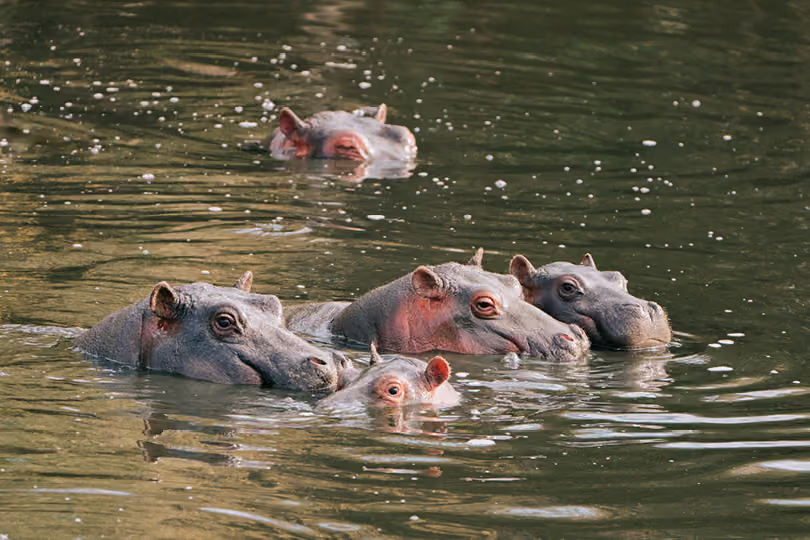
When most travellers dream about a Kenya safari, they picture the Maasai Mara.
What many do not realise is that some of the finest wildlife experiences in Kenya happen just beyond the national reserve boundary. Here, private conservancies protect the same wildlife-rich ecosystem while offering a safari experience that often feels quieter, more flexible and more connected to conservation.
This has become even more important as Maasai Mara National Reserve fees have changed. With higher seasonal reserve fees and stricter ticket rules, staying in a private conservancy is no longer simply the “more expensive” option. For many travellers, it can offer a much better return on investment.
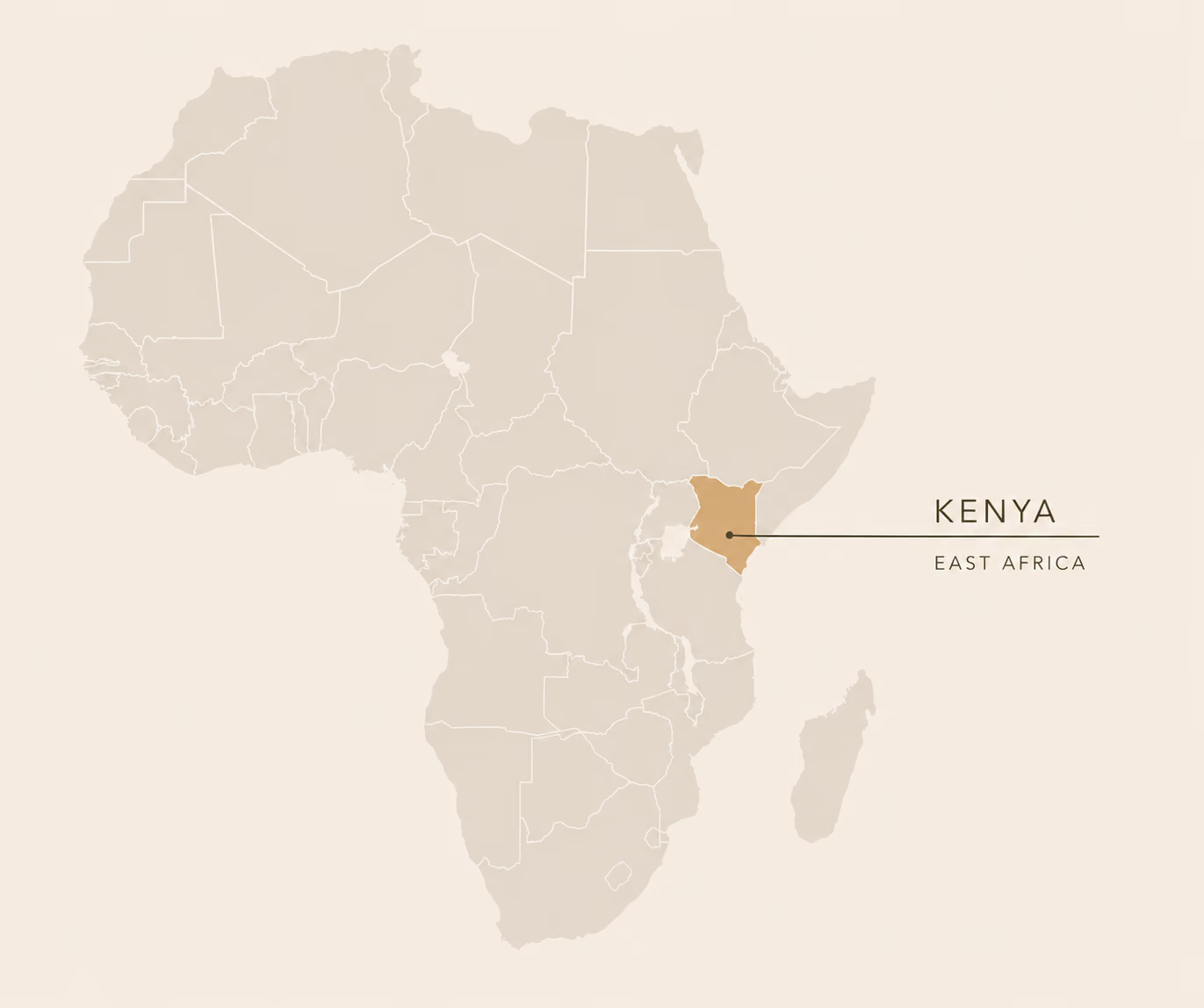
What Is a Private Conservancy in Kenya?
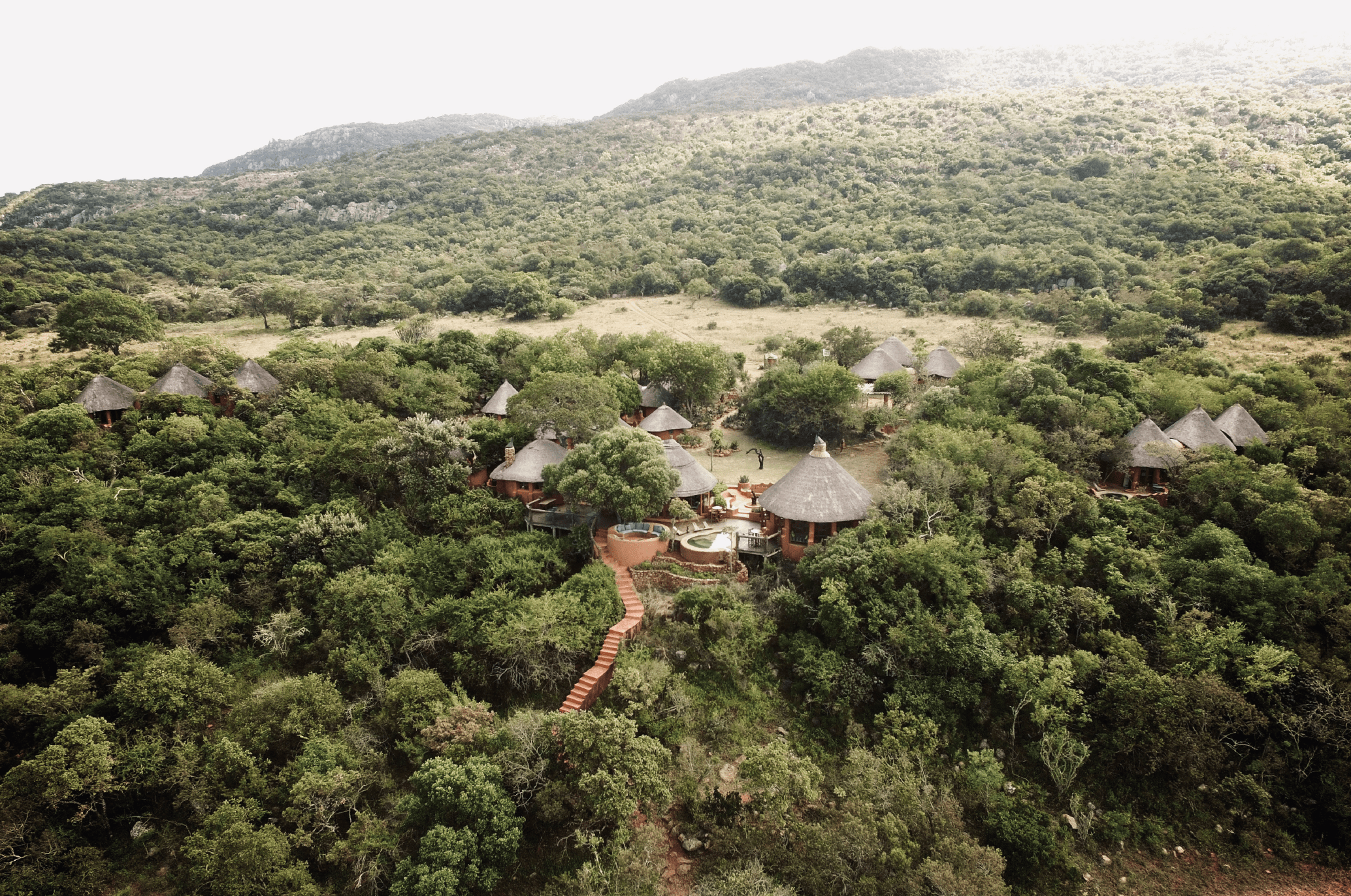
A private conservancy is a protected wildlife area created through partnerships between local landowners, conservation organisations and safari operators.
For many travellers, a Maasai Mara safari is strongest when it combines the reserve’s iconic wildlife areas with the quieter, more flexible experience of a private conservancy.
In the Mara, many conservancies are built around lease agreements with Maasai landowners. Communities receive income through land leases, employment, education initiatives and conservation-linked benefits, while wildlife gains protected habitat beyond the formal reserve boundary.
The model benefits several sides at once: wildlife has more space to move, local communities receive direct value from conservation, and guests enjoy a more exclusive safari experience.
“One of the biggest misconceptions about the Mara is that every safari experience there is the same. It isn’t. I’ve had leopard sightings in conservancies where we were the only vehicle for nearly an hour. That’s incredibly rare inside the reserve during peak season. The conservancies completely change the experience.” - Brett Horley, BHS Founder
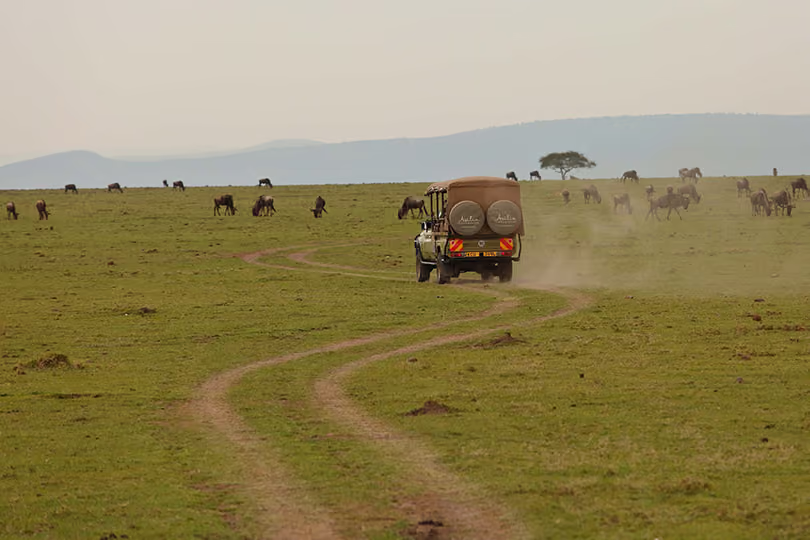
Are Maasai Mara Conservancies Better Value Than the National Reserve?
In many cases, yes.
The Maasai Mara National Reserve remains one of Africa’s greatest wildlife areas, but its fee structure has changed significantly. The current published non-resident adult fees list USD 100 per day from January to June and USD 200 per day from July to December.
This changes the value conversation. A private conservancy may still look more expensive at first glance, but when you factor in reserve entry fees, vehicle density, activity flexibility, and the quality of sightings, a conservancy stay can be extremely competitive.
.avif)
The point is not that one is always better than the other. The best Kenya itineraries often combine both. But the conservancies now offer a much stronger value argument than many travellers realise.
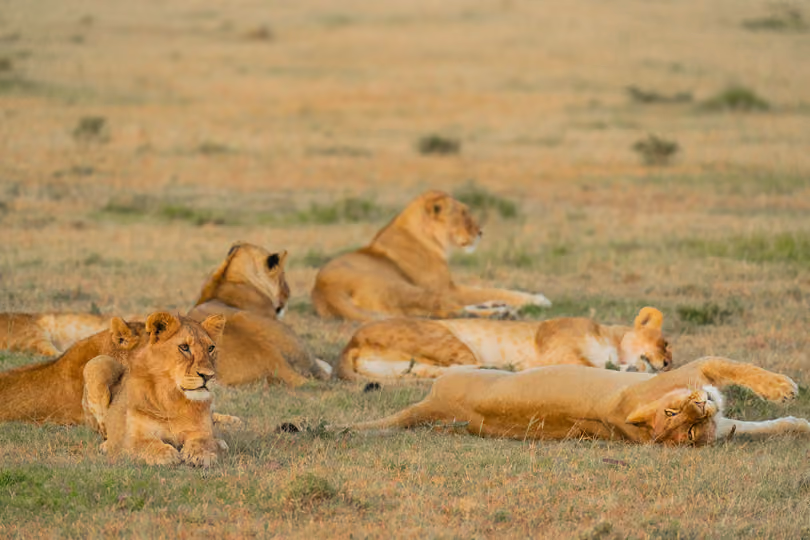
What Is the 12-Hour Rule in the Maasai Mara?
The Maasai Mara National Reserve ticket system is now an important planning detail.
Reserve tickets are generally treated as valid for a 12-hour daylight period, usually from 6am to 6pm. If you leave the reserve, you may need to pay again to re-enter. This matters if your camp is outside the reserve and your itinerary relies on repeated entries.
By contrast, private conservancies generally operate on a more flexible 24-hour or per-night basis. This gives guides more freedom to plan relaxed morning and afternoon drives without the same ticking-clock pressure.
For guests, that can mean a calmer safari rhythm, better use of the day, and fewer cost surprises.
Why Do Private Conservancies Offer a Better Safari Experience?
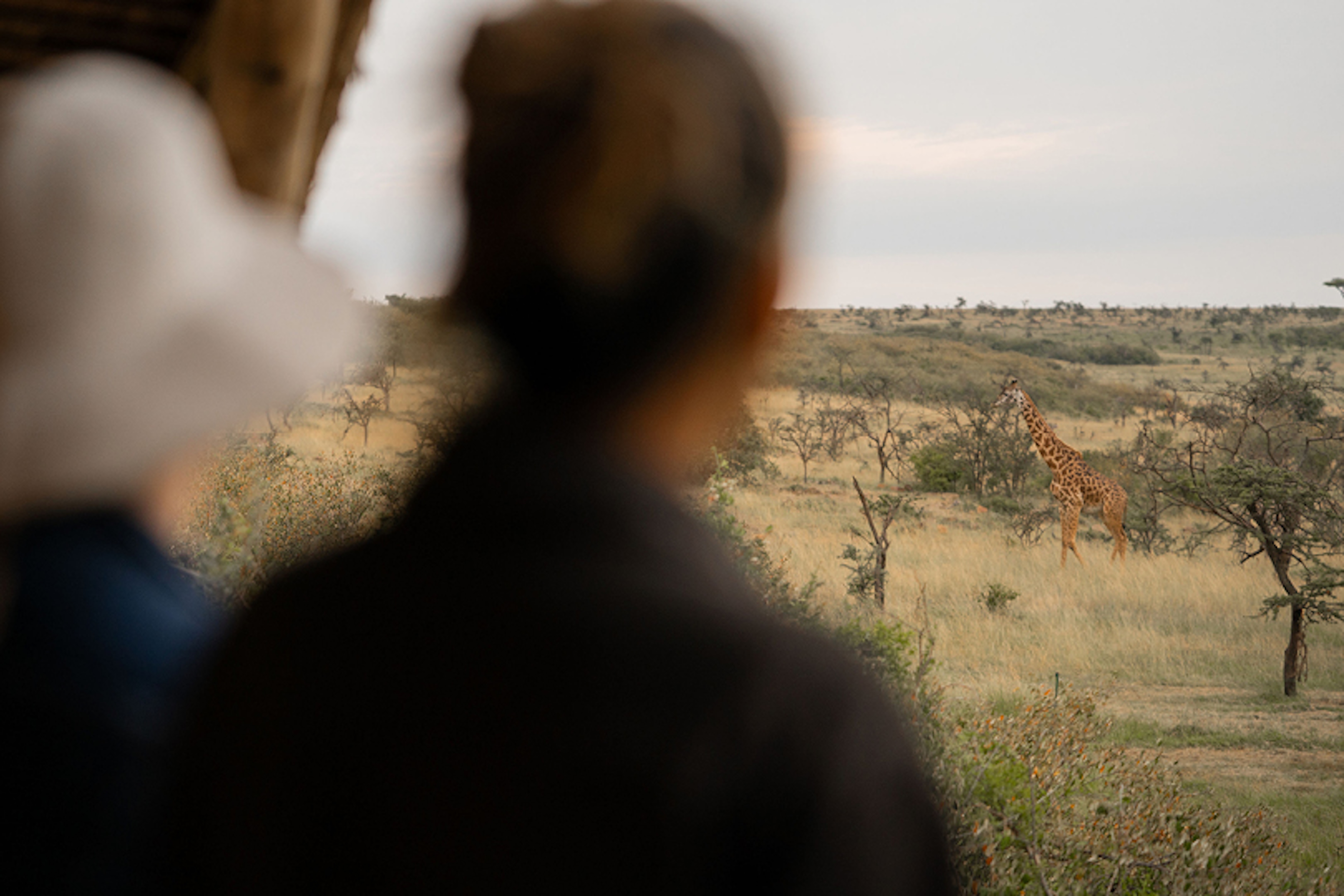
The Mara ecosystem is one of Africa’s richest wildlife regions, but during peak Migration season, popular sightings inside the reserve can attract many vehicles.
Conservancies manage this differently. They limit guest numbers through strict bed caps and vehicle quotas, which creates more space around wildlife and a quieter experience overall.
That usually means:
- Better photography opportunities
- Less pressure on animals
- More flexible guiding
- More time at sightings
- A stronger sense of wilderness
- A more immersive safari pace
You can still see lions, leopards, cheetahs, elephants, and Migration herds. You simply experience them with fewer vehicles and more room to breathe
Which Maasai Mara Conservancies Are Best?
The right conservancy depends on your travel style, budget, lodge preference, and what kind of safari rhythm you want.
If seeing the herds is a priority, a Great Migration safari can be planned around both private conservancy stays and carefully timed reserve access. Some conservancies experience Migration movement directly, while others work beautifully as quieter bases with access to key reserve areas.
Olare Motorogi Conservancy
Often considered one of the most exclusive conservancies in the Mara ecosystem, Olare Motorogi offers outstanding big cat viewing and strict limits on guest numbers. It borders the reserve, giving guests access to superb wildlife while maintaining a far more intimate safari feel.
Best for: exclusivity, leopard sightings, lion and cheetah viewing, photography, and low vehicle density.
Mara North Conservancy
Mara North is one of the largest and most established conservancies in the Mara ecosystem. It works well for travellers who want both exclusivity and access to iconic Mara experiences, including nearby river crossing areas.
Best for: big cats, varied habitats, walking safaris, night drives and a balanced Mara experience.
Naboisho Conservancy
Naboisho is one of Kenya’s strongest conservation success stories, known for high wildlife densities, excellent lion sightings and a community-led model that has helped protect important habitat.
Best for: lions, year-round game viewing, walking safaris, night drives and meaningful conservation impact.
Why Is Borana Conservancy Important?
Borana Conservancy, in Laikipia beneath Mount Kenya, offers a different kind of Kenya safari.
This is not a Mara-style Migration landscape. It is a conservation-focused wilderness area known for rhino protection, walking safaris, horseback safaris and rare species such as Grevy’s zebra and African wild dog.
One of its most important conservation details is its connection with the neighbouring Lewa Wildlife Conservancy. Borana and Lewa removed the boundary fence between them, creating a continuous conservation landscape of around 93,000 acres. This allows wildlife, including rhinos, to move through a much larger protected ecosystem.
Best for: black and white rhino conservation, mountain scenery, horseback safaris, walking safaris, and landscape-scale conservation.
“One of the things I love most about Kenya is that conservation isn’t happening behind the scenes. In places like Naboisho, Olare Motorogi, and Borana, guests become part of the story. You see first-hand how wildlife, communities, and tourism can work together, and that’s what makes these conservancies so special.”- Brett Horley, BHS Founder
.avif)
Why Do Conservancies Matter for Conservation?
The conservancy model has become one of Africa’s leading conservation success stories because it gives wildlife direct economic value outside national parks and reserves.
In practical terms, conservancies help support:
- Reduced habitat fragmentation
- Increased wildlife movement
- Local lease income for landowners
- Employment for nearby communities
- Anti-poaching work
- Community development
- Reduced pressure on public reserves
When you choose a conservancy safari, your stay helps fund the landscape that makes the safari possible.
Are Kenya Conservancies More Expensive?
Sometimes, but not always in the way travellers expect.
Conservancy camps can appear more expensive upfront because conservation fees, activities, guiding, and meals are often included in the overall rate. But once you compare this with National Reserve entry fees, especially in peak season, the value becomes much clearer.
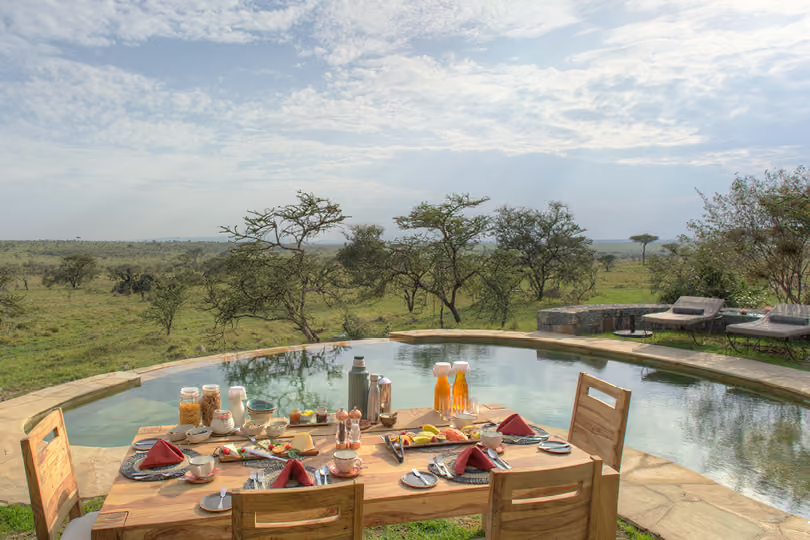
A conservancy stay may include:
- Accommodation
- Meals
- Drinks
- Game drives
- Conservancy fees
- Walking safaris where available
- Night drives where available
- More flexible guiding and lower vehicle density
For travellers looking for the best possible Kenya safari experience, private conservancies often deliver exceptional value.
Plan Your Kenya Conservancy Safari
From the wildlife-rich plains of the Maasai Mara to the conservation landscapes of Laikipia, Kenya’s private conservancies offer some of the most rewarding safari experiences in Africa.
At BHS, we help match you with the right conservancy, camp and route, whether you want big cats, Migration access, rhino conservation, walking safaris or a quieter, more exclusive version of Kenya.
For more information, contact hello@bhs-safari.co or WhatsApp +27 63 298 6442.
FAQS
A private conservancy in Kenya is a protected wildlife area managed through partnerships between local landowners, conservation organisations and safari operators. Conservancies help protect wildlife habitat, support local communities and offer you a quieter, more flexible safari experience.
Yes. Kenya private conservancies are often worth it because they offer lower vehicle density, flexible guiding, walking safaris, night drives, and a stronger conservation link. You can still experience exceptional wildlife, but often with more space and a more personal safari rhythm.
In many cases, Maasai Mara conservancies can offer excellent value, especially once you factor in reserve fees, ticket rules, vehicle density and the quality of sightings. The best Kenya safaris often combine the National Reserve with a private conservancy for both iconic access and exclusivity.
The Maasai Mara 12-hour rule refers to National Reserve tickets generally being valid for a daylight entry window, often from 6am to 6pm. If you leave the reserve and re-enter, another fee may apply, which makes careful itinerary planning important.
Yes. You can see the Great Migration from some private conservancies, while others give you access to key Maasai Mara reserve areas and river crossing points. A well-planned itinerary can combine Migration viewing with the quieter experience of a conservancy stay.
The best Kenya conservancy depends on what you want from your safari. Olare Motorogi is excellent for exclusivity and big cats, Naboisho for lions and community conservation, Mara North for all-round Mara access, and Borana for rhino conservation, walking safaris and Laikipia wilderness.
,