

You have seen the photographs, watched the documentaries, and heard the stories from travellers who came home from Rwanda changed by what they had witnessed.
Mountain gorilla trekking has that effect. It is not simply about seeing gorillas; it is about entering the forest on foot, moving quietly through mist and bamboo, and spending one carefully managed hour with a wild gorilla family.
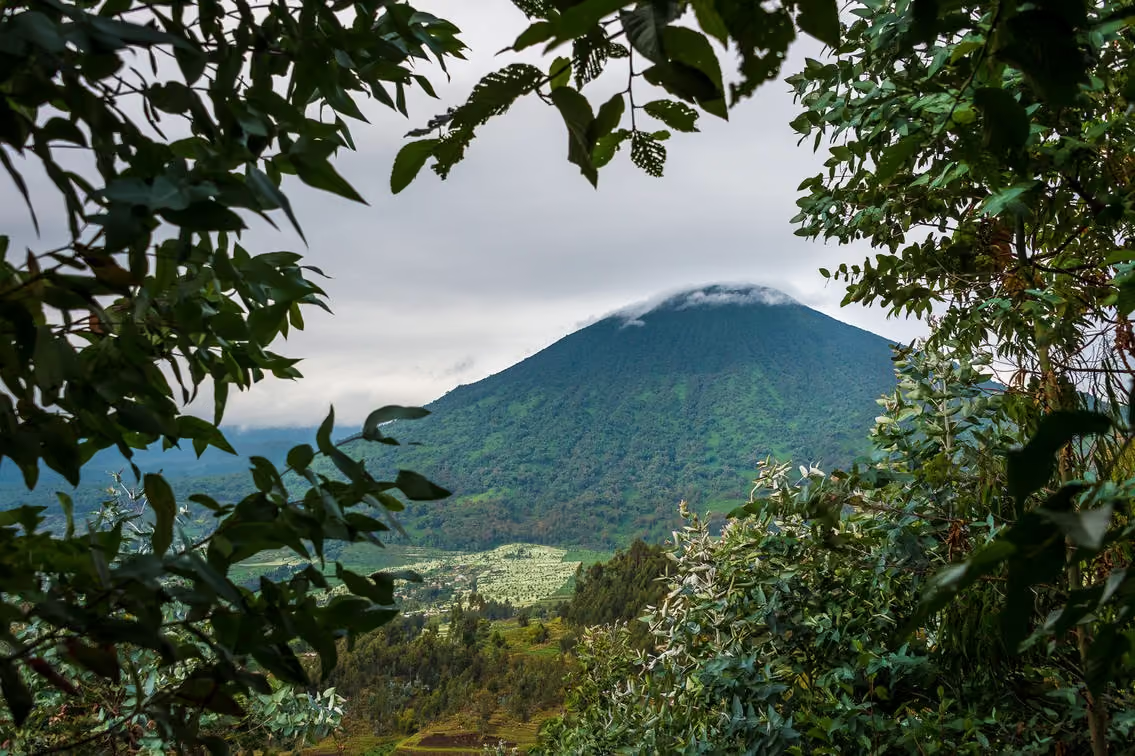
In Rwanda, gorilla trekking takes place in Volcanoes National Park, on the slopes of the Virunga Mountains, roughly a three-hour drive from Kigali. It is one of the most seamless places in Africa to see mountain gorillas, with strong guiding, short transfers and a well-managed permit system.
Still, this is an experience that needs proper planning. Permits are limited, the terrain can be demanding, and the day follows a careful structure. Here is what to know before you go.

How Do Gorilla Trekking Permits Work in Rwanda?
Rwanda gorilla trekking permits are issued by the Rwanda Development Board and are strictly limited to eight visitors per gorilla family per day. This keeps the encounter quiet, controlled and low-impact. For travellers planning a Rwanda safari, securing permits early is one of the most important first steps.
At the time of writing, permits cost USD 1,500 per person for international visitors and allow for one regulated hour with a habituated gorilla family once they have been located.
Demand is high, especially from June to September and December to February. For peak season, we recommend booking around twelve months in advance where possible. For shoulder season, six months is a sensible minimum.
At BHS, we manage the permit process alongside your accommodation, transfers, lodge location and wider safari routing, so the gorilla trek becomes the natural centrepiece of a well-paced Rwanda journey.
"The permit price surprises people. But when I explain that the majority of that fee goes directly into park management, ranger salaries, and community benefit programmes, and that those gorillas exist today because of that funding model, most people don't just accept it; they feel proud to pay it." - Brett Horley, BHS
How Fit Do You Need to Be for Gorilla Trekking in Rwanda?
You do not need to be an athlete to trek gorillas in Rwanda, but you do need a reasonable level of fitness and comfort on uneven ground.
Volcanoes National Park sits at altitude, with the park beginning at around 2,500 metres above sea level, so even a moderate walk can feel more tiring than it would at home. The terrain can be muddy, steep, and slippery, and the final approach may involve moving through thick vegetation.
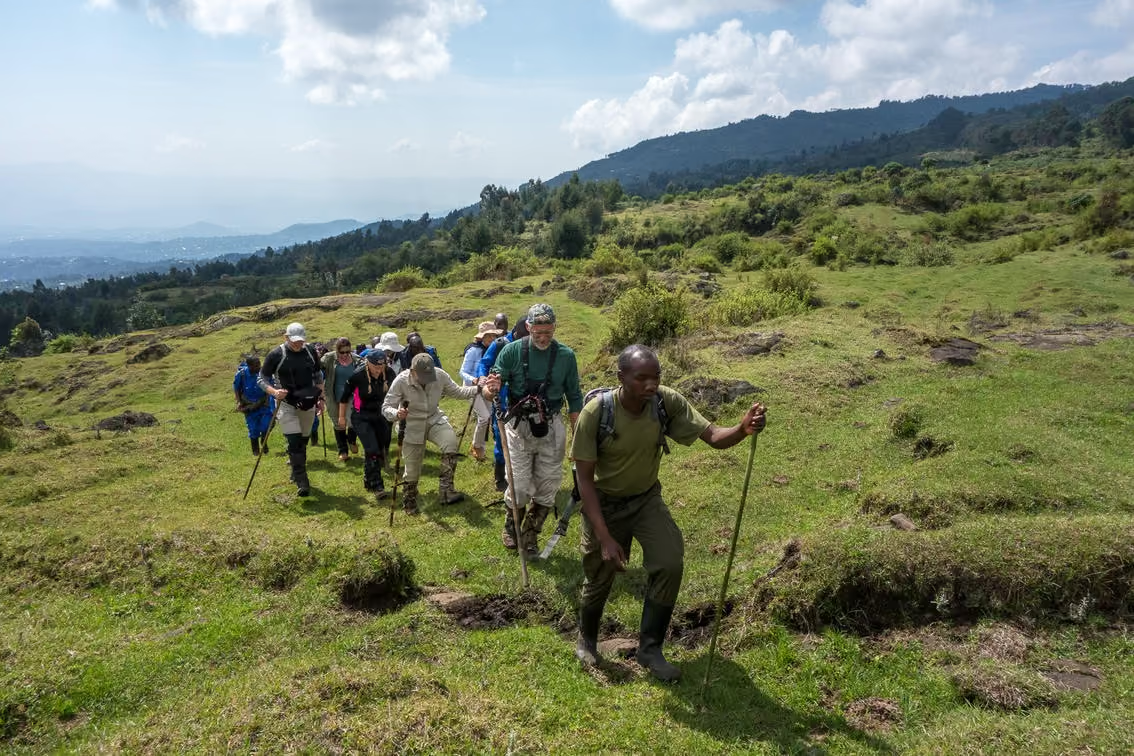
Trek lengths vary depending on where the gorilla family has moved overnight. Some groups are reached relatively quickly, while others may require several hours of hiking.
This unpredictability is part of the experience, and it is one of the reasons we encourage guests to prepare gently before they travel. Regular walking, some hill training, and wearing in your hiking boots beforehand will make the day far more comfortable.
What matters most is not speed. The best gorilla trekking experiences often belong to those who move steadily, listen to their guides, pause when they need to, and allow the forest to set the pace.
"The fittest guests aren't always the ones who have the best experience. I've seen marathon runners rush through the hour and miss everything. Take your time. Stop when you need to. The gorillas aren't going anywhere, and neither should you." - Jo Cooper, BHS Guide
What Is the Minimum Age for Gorilla Trekking in Rwanda?
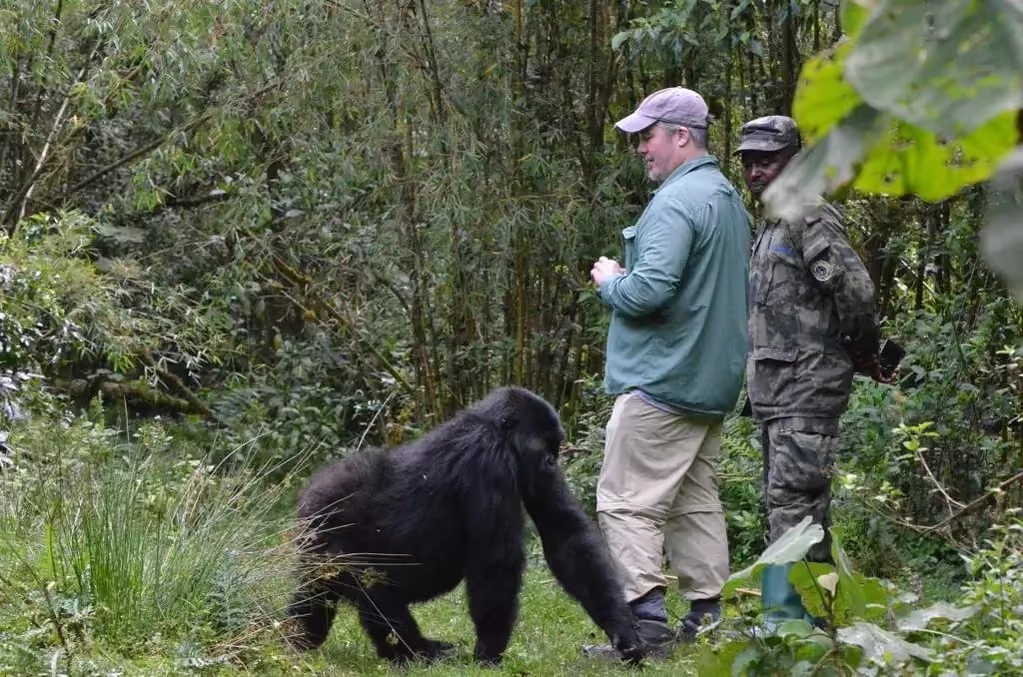
Trekkers must be at least 15 years old to take part in gorilla trekking in Rwanda. There is no formal upper age limit, and we regularly see guests in their 60s and 70s enjoy the experience comfortably with the right preparation and support.
Porters are available and highly recommended, even if you are fit and used to hiking. They can carry your daypack, help you over slippery sections, and make the trek feel easier and more enjoyable.
Hiring a porter also supports the local employment structure around gorilla tourism, which is an important part of how conservation benefits nearby communities.
What Happens on the Day of a Gorilla Trek?
Briefing: You meet your ranger team at the Volcanoes National Park headquarters, usually around 7am, for a group briefing. This covers gorilla etiquette, safety protocol, and information about the gorilla family you have been assigned to trek with.
The Trek: Your group, with a maximum of eight guests, sets off with your guide and two armed rangers. Trackers will already have gone out at dawn to locate the family and will communicate your route by radio. The walk often begins through cultivated land before entering the forest boundary.
Finding the Gorillas: When the trackers signal that you are close, the pace slows. Your guide will ask for silence, the vegetation thickens, and the final few metres feel charged with anticipation. Then, often quite suddenly, they are there.
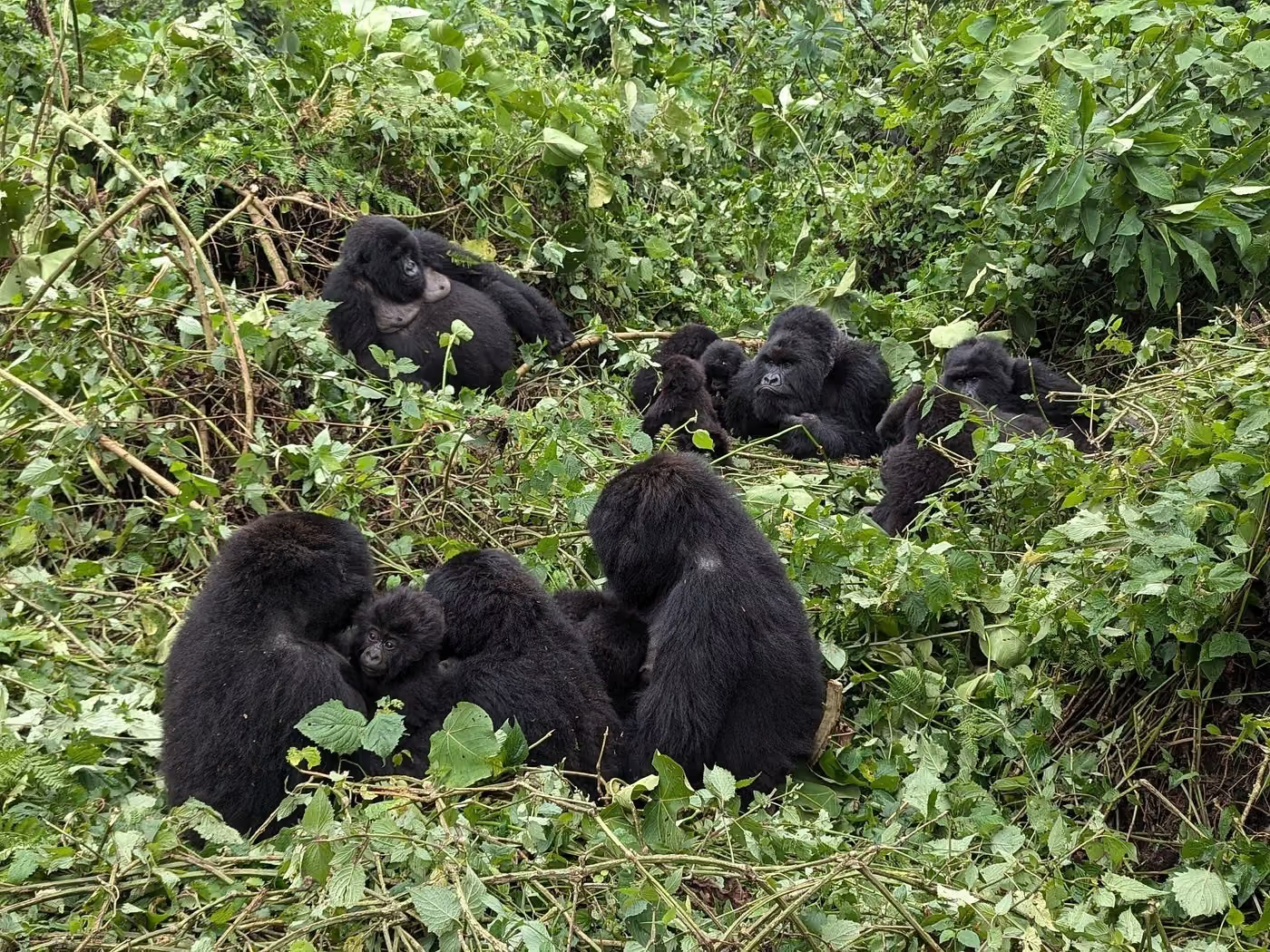
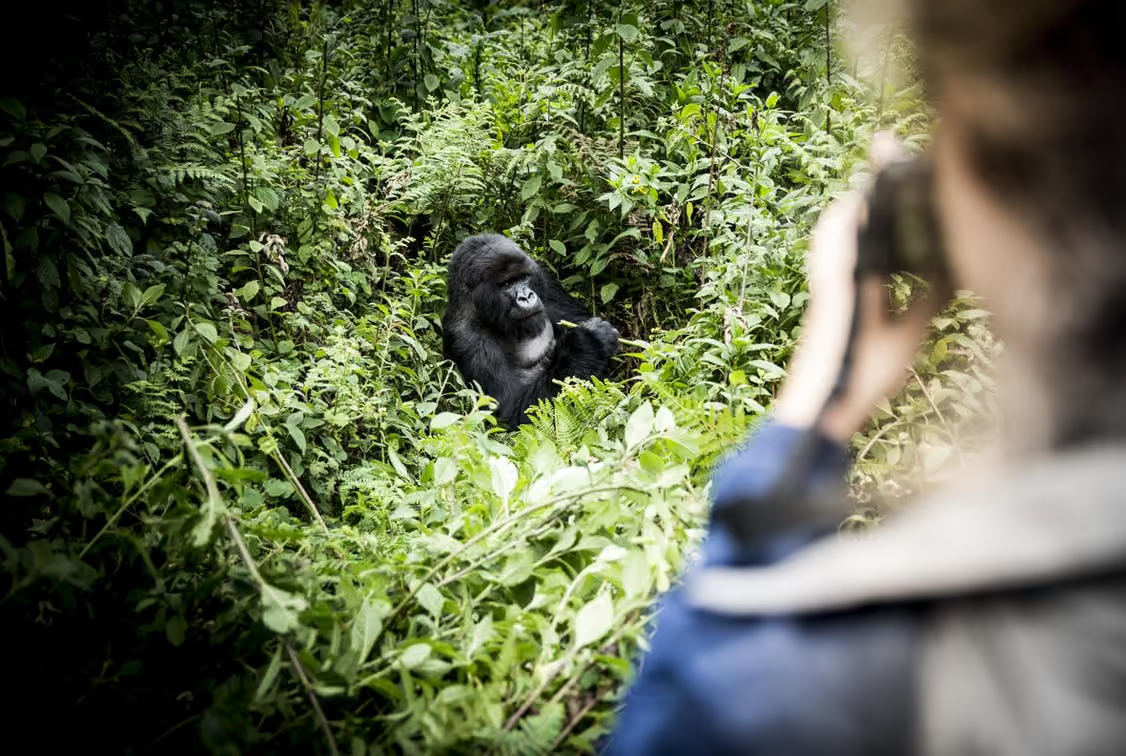
The Hour: You have one regulated hour with the gorillas. During this time, there is no flash photography, voices are kept low, and you should maintain a 7-metre distance (about 23 feet) wherever possible. If a gorilla approaches, remain calm and still. If you sneeze or cough, cover your nose and mouth. Your guide will quietly interpret behaviour and answer questions.
The Return: The route back may be different and can be shorter or longer depending on the terrain. Certificates are usually issued at the park office afterwards; a simple keepsake, but one that represents one of the most significant wildlife moments of your life.
What Should You Pack for Gorilla Trekking in Rwanda?
Packing well makes a real difference in the forest. Rwanda’s gorilla trekking environment can be wet, muddy and unpredictable, so comfort and practicality matter more than anything polished.
What to bring along with you:
- Sturdy waterproof hiking boots that are already broken in
- Long trousers and a long-sleeved shirt
- Lightweight waterproof jacket
- Outdoor gloves for gripping vegetation
- Gaiters or high socks for mud and ants
- Rain cover for your camera bag or daypack
- Two litres of water
- Light snacks
- Insect repellent
- Camera with the flash switched off
- Small daypack
- Any personal medication
Avoid wearing brand-new boots, pale clothing, heavy cotton layers, or carrying too much camera equipment. The forest rewards simplicity. You want to move comfortably, stay dry where possible, and focus on the experience rather than fuss with your gear.
Can You Choose Your Gorilla Family in Rwanda?
You cannot choose a specific gorilla family in advance. The final allocation is made by the park authorities on the day, based on several factors, including gorilla movements and group suitability.
Some families are often closer to the park boundary, while others may require a longer and more committed hike.
That said, a good operator can help guide the planning around your fitness, preferences, and travel rhythm. At BHS, we take these details seriously.
Some guests want the gentlest possible trek, while others are happy to work harder for a more adventurous forest experience. The final decision rests with the park team, but thoughtful preparation helps ensure you are placed in the best possible position to enjoy the day.
When Is the Best Time to Go Gorilla Trekking in Rwanda?
Gorilla trekking in Rwanda operates year-round. The drier months, generally June to September and December to February, are popular because walking conditions can be easier, although rain is always possible in the rainforest.
These are also the periods when permits and lodge space can book up quickly.
The wetter months should not be dismissed. The forest is beautifully green; there may be fewer travellers, and the softer light can make the landscape feel even more atmospheric.
Trekking still goes ahead unless conditions are extreme, and for some guests, the mist, rain, and depth of the forest are part of what makes Rwanda so memorable.
What Should You Combine with Gorilla Trekking in Rwanda?
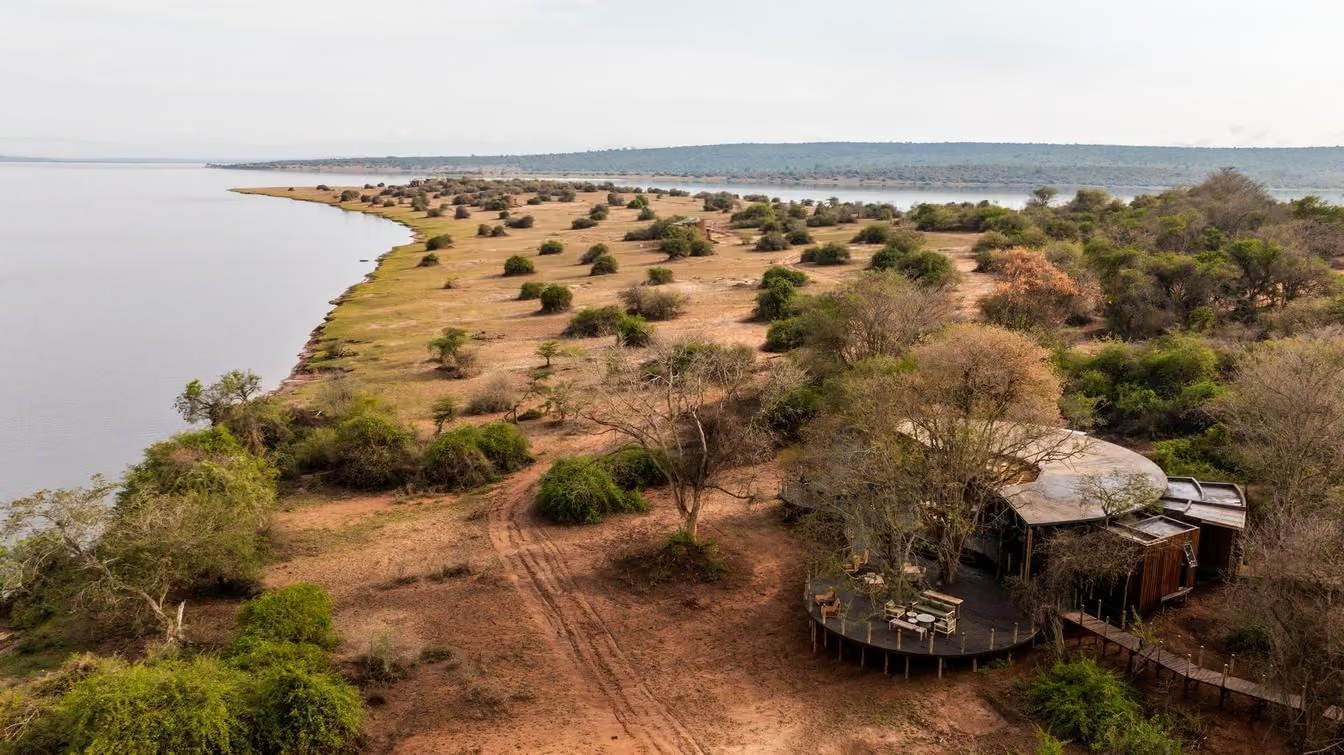
Rwanda is much more than one extraordinary hour with the gorillas. A well-planned Rwanda safari journey might include chimpanzee trekking and forest walks in Nyungwe National Park, Big Five safari in Akagera National Park, a few slow days on Lake Kivu, or time in Kigali to understand more of the country’s history, resilience and creative energy.
For travellers with more time, Rwanda also pairs beautifully with Kenya or Tanzania. The contrast is powerful: close primate encounters in misty forest, followed by open plains, predator country and classic East African safari landscapes. For those especially drawn to primates, our Great Apes experiences offer a natural starting point for planning a journey around gorillas, chimpanzees and the forests they call home.
This is where careful planning really matters, because the best itineraries do not simply add destinations together. They create a rhythm that allows each place to feel distinct.
Plan Your Gorilla Trek Journey
Gorilla trekking is simple in the moment, but detailed in the planning. Permits, accommodation, transfers, porter arrangements, packing guidance, and onward routing all need to work together.
At BHS, we handle every element of your Rwanda gorilla trekking journey, whether it is a standalone trip or part of a wider East Africa safari. You only need to arrive prepared, with your boots worn in, your camera charged, and your mind open.
Contact us to start planning your gorilla trek journey
FAQS
A Rwanda gorilla trekking permit costs USD 1,500 per person for international visitors. The permit allows you one regulated hour with a habituated mountain gorilla family in Volcanoes National Park once your group has located them.
You should book Rwanda gorilla permits as early as possible, especially for the peak trekking seasons from June to September and December to February. Around twelve months in advance is ideal for peak season, while six months is a sensible minimum for quieter travel periods.
You do not need to be an athlete, but you should be comfortable walking on uneven, muddy, and sometimes steep terrain. Gorilla trekking in Rwanda takes place at altitude in Volcanoes National Park, so regular walking, some hill training, and worn-in hiking boots will help you enjoy the day more comfortably.
Your Rwanda gorilla trek begins with a morning briefing at Volcanoes National Park headquarters before you set off with guides, rangers and trackers. Once your gorilla family is located, you spend one carefully managed hour with them, following strict rules around distance, silence and no flash photography.
Wear broken-in waterproof hiking boots, long trousers, a long-sleeved shirt and a lightweight waterproof jacket. For gorilla trekking in Rwanda, gaiters or high socks, outdoor gloves, insect repellent, water and a small daypack will also make the forest trek more comfortable.
Gorilla trekking in Rwanda operates year-round. The drier months, from June to September and December to February, are popular because walking conditions can be easier, while the wetter months can be quieter, greener, and beautifully atmospheric in the forest.