

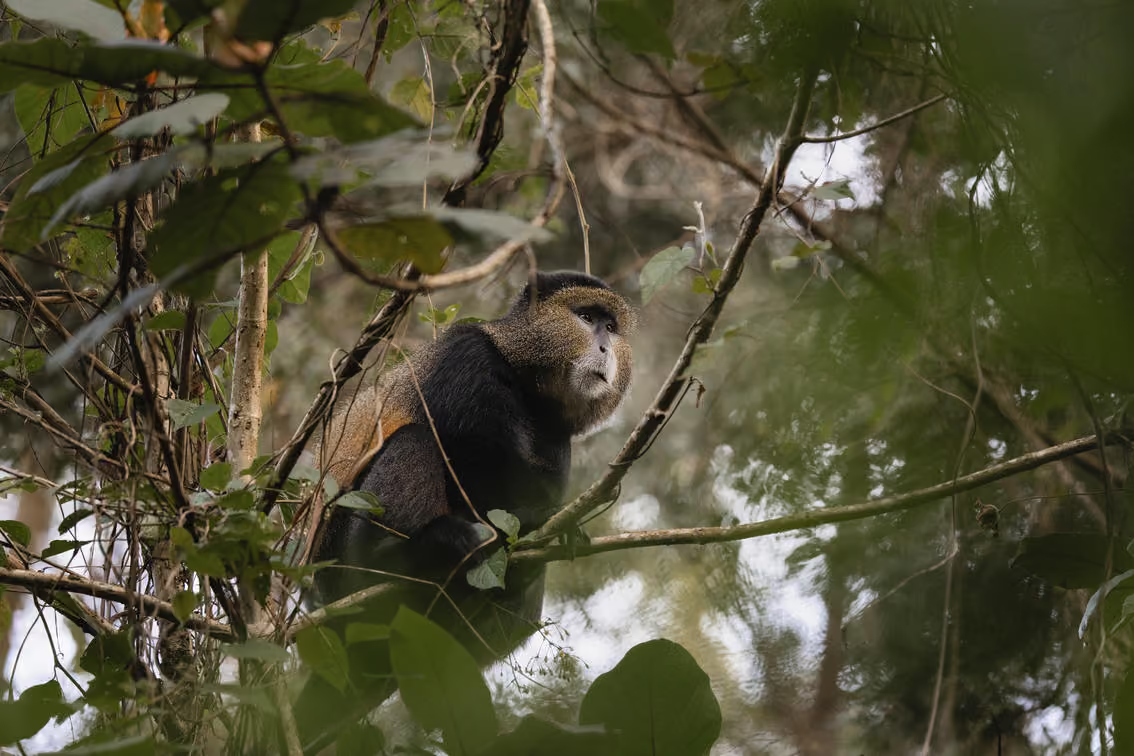
If mountain gorilla trekking in Volcanoes National Park were Rwanda’s only offering, it would still be worth the journey. The time you spend with a habituated gorilla family in the volcanic forest is one of Africa’s most profound wildlife encounters: quiet, humbling, and almost impossible to reduce to words once you are back home.
But Rwanda is not only a gorilla destination. It is a small, remarkable country with an extraordinary sense of purpose, where misted volcanoes, ancient rainforest, open savannah, papyrus-fringed lakes and one of Africa’s most compelling capital cities can all be woven into a single, beautifully paced journey. For travellers who arrive expecting one great wildlife moment, Rwanda often becomes something broader: a layered, elegant safari that surprises at every turn.

Why Is Rwanda More Than a Gorilla Trekking Destination?
Rwanda works beautifully because of contrast. In the north-west, Volcanoes National Park offers the drama of the Virunga Mountains and the rare privilege of seeing endangered mountain gorillas in their natural habitat. In the south-west, Nyungwe Forest brings a wilder, more energetic primate experience with chimpanzees, colobus monkeys, forest birds and canopy walks. In the east, Akagera National Park shifts the mood completely, opening into savannah, woodland, wetlands and Big Five safari country.
Then there is Kigali, a city that gives the journey context. Clean, thoughtful and forward-looking, it is a place where Rwanda’s history, creativity and modern identity sit close together. The result is a destination that feels both emotionally powerful and logistically elegant. Rwanda is compact, but it carries real depth.
For travellers beginning to explore what a Rwanda safari can include, the Rwanda destination page is a useful place to start.

Where Do You See Gorillas in Rwanda?
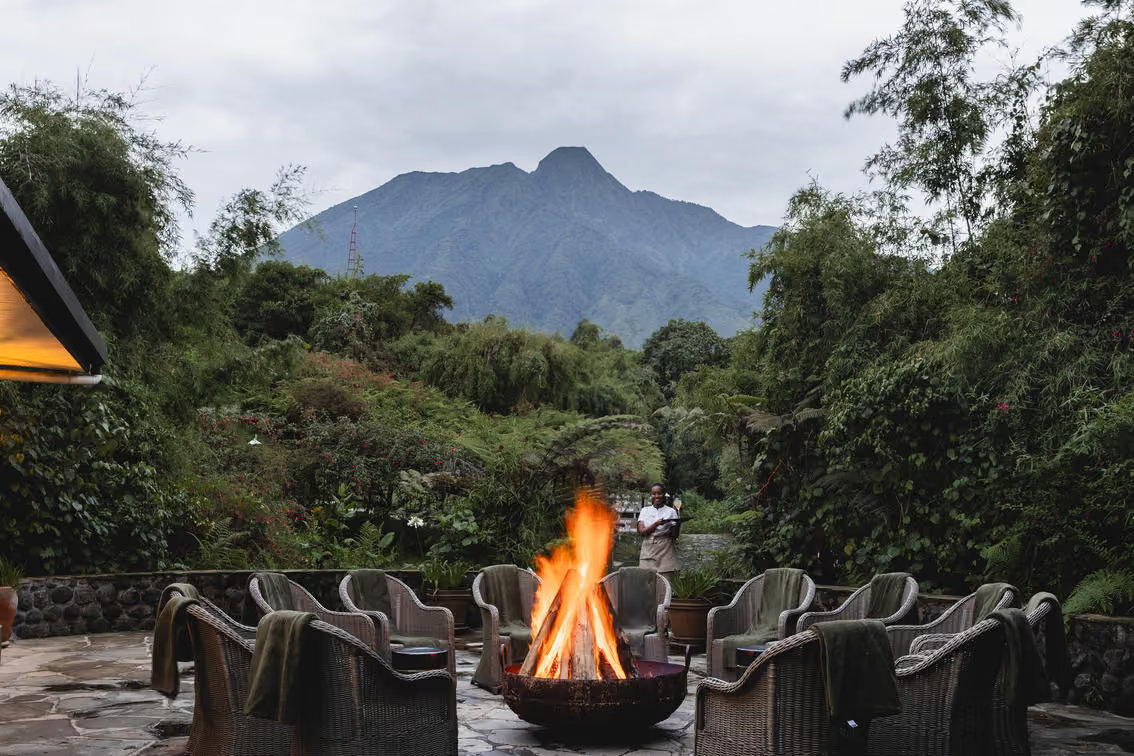
Volcanoes National Park is Rwanda’s most famous wildlife destination, and for good reason. Just a few hours from Kigali, its montane forests and bamboo slopes form part of the Virunga massif, one of the last remaining habitats for mountain gorillas. The park includes five of the eight volcanoes in the Virunga Mountains, creating a dramatic natural setting for one of the world’s great wildlife experiences.
Gorilla trekking here is carefully regulated. Guests hike with experienced guides and trackers, moving through forest that can be muddy, steep, and beautifully alive. Once the gorilla family is located, time with them is limited, and that restraint is part of what makes the encounter so powerful. It is not rushed, but it is protected.
Rwanda’s gorilla trekking experience is often well suited to travellers who want a refined, carefully managed primate safari with strong guiding, high-quality lodges and relatively efficient access from Kigali. It also pairs naturally with other East African safari destinations, particularly for guests who want to combine primates with classic savannah wildlife.
For more inspiration around gorilla and chimpanzee trekking, see the BHS guide to the Great Apes.

What Can You Do in Nyungwe Forest National Park?
Nyungwe brings a completely different rhythm to a Rwanda safari. This ancient montane rainforest in the south-west is rich, cool and deeply atmospheric, with 13 primate species, more than 300 bird species and some of the country’s most beautiful forest landscapes.
Chimpanzee trekking here is energetic and unpredictable in the best way. Unlike gorillas, chimps are constantly on the move, calling through the canopy and travelling quickly through the trees. It can be a more active trek, but the reward is a thrilling, alive-feeling encounter.
The canopy walkway adds another perspective, lifting you high above the forest floor for views across the treetops and valleys. It is also a wonderful place to look for colobus monkeys, birdlife, and the layered green beauty that makes Nyungwe feel so different from the rest of Rwanda.
For guests combining gorillas in Volcanoes with a safari in Akagera, Nyungwe gives the journey more depth. It turns Rwanda from a single bucket-list stop into a richer exploration of primates, rainforest, and wild mountain landscapes.

Can You See the Big Five in Rwanda?
Akagera National Park sits in Rwanda’s east, along the Tanzanian border, and tells one of Africa’s most encouraging conservation stories. Once depleted of many of its large animals, Akagera has undergone a remarkable recovery under African Parks’ management. Lions were reintroduced in 2015, black rhino followed, and Rwanda once again became a Big Five safari destination.
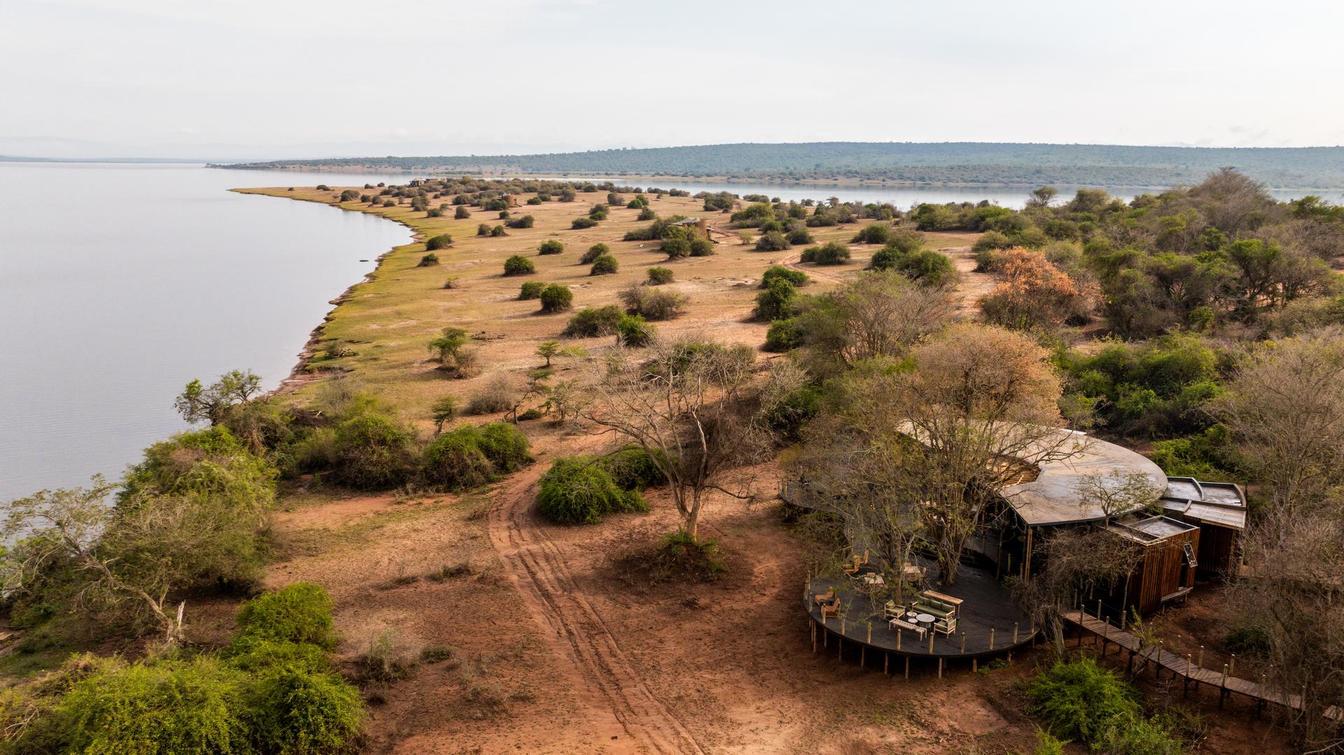
The park is not trying to be the Serengeti or the Maasai Mara, and that is part of its appeal. Akagera’s beauty lies in its own rhythm: a mosaic of savannah, woodland, mountains, lakes, marshes and papyrus wetlands. It is Rwanda’s only Big Five reserve and also supports species such as sitatunga, as well as exceptional birdlife, including sought-after wetland and savannah species.
A safari here feels quieter than in some of East Africa’s more famous parks. You may move from open plains to lakeside birding, from game drives to boat-based perspectives, from elephants and buffalo to the soft light of the Akagera River system. It is a beautiful counterpoint to the forests of Volcanoes and Nyungwe, and a reminder of just how much ecological variety Rwanda holds within a relatively small area.
“I love combining Volcanoes and Akagera in the same Rwanda trip. You go from mountain forest and gorillas in the northwest to open savannah and lions in the east, in the same tiny country. Rwanda surprises you every single time.” - Brett Horley, BHS
Why Should You Spend Time in Kigali?
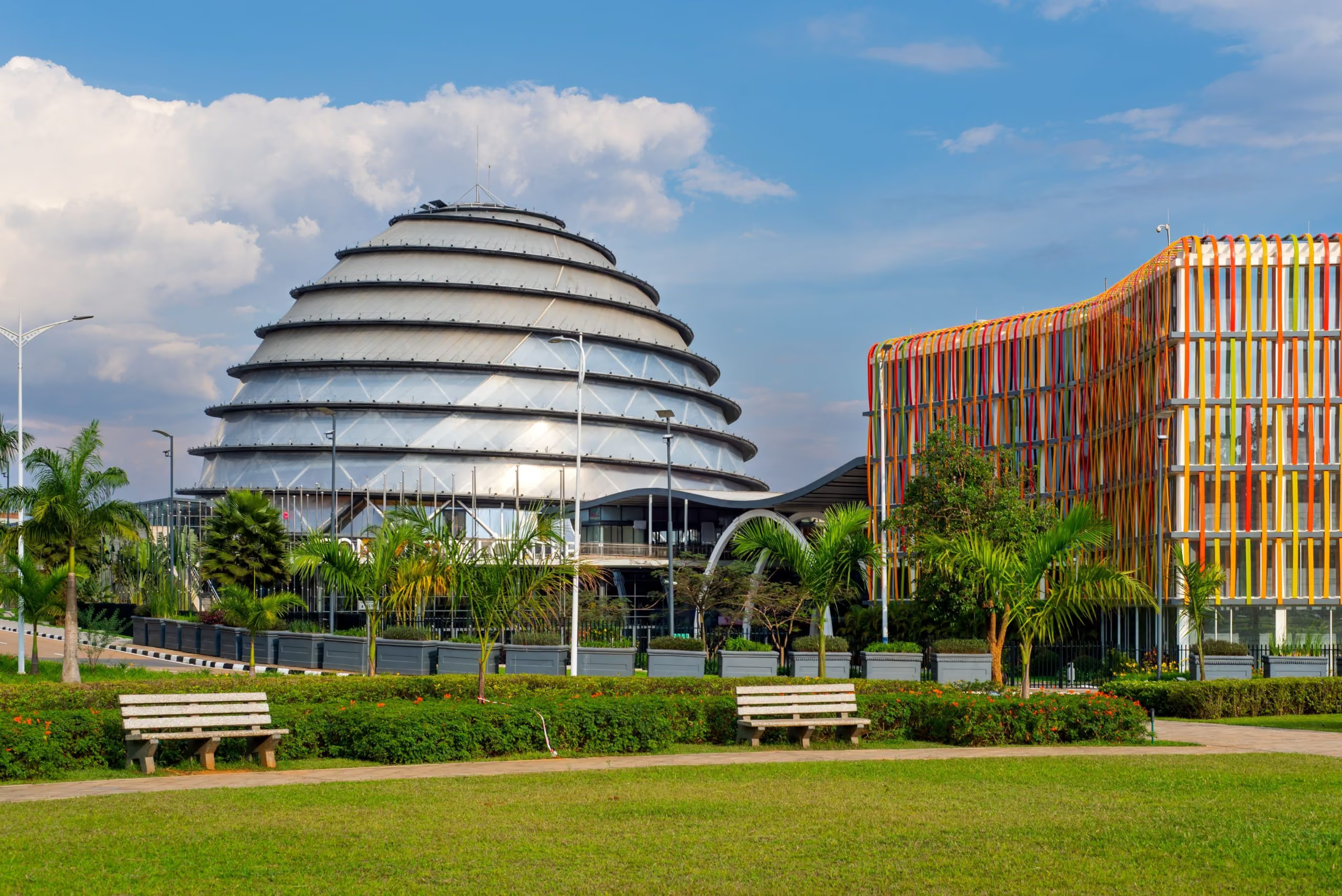
Kigali deserves time. Too often, African capital cities are treated as arrival and departure points, but Kigali should not be. Set among rolling hills, ridges, and valleys, it is a clean, ordered, and quietly fascinating city with a strong sense of direction.
The Kigali Genocide Memorial is an essential visit for those who want to understand Rwanda with care and respect. It honours the victims of the 1994 genocide and offers vital context for the country Rwanda has become. It is a deeply affecting experience, handled with dignity.
Beyond the memorial, Kigali has a growing creative and culinary energy. The city’s art scene, local markets, coffee culture and restaurants all add another dimension to the journey. A full day in Kigali allows space to arrive properly, reflect, explore, and begin to understand the country beyond the lens of wildlife alone.
Is Lake Kivu Worth Adding to a Rwanda Safari?
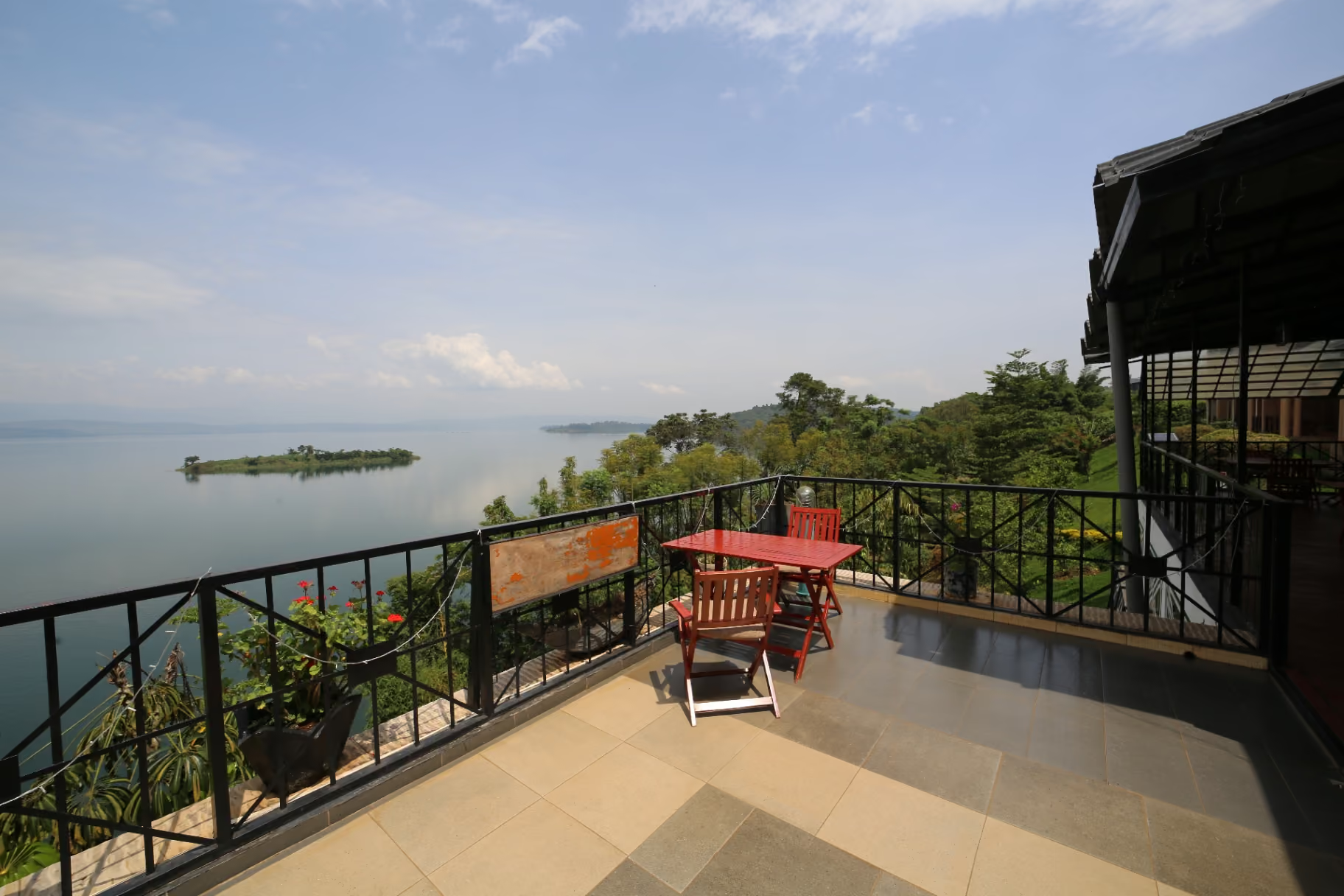
For travellers with a little more time, Lake Kivu can bring a beautiful change of pace. Rwanda’s largest lake sits within the Great Rift Valley, surrounded by misty volcanic mountains and deep green water, making it a natural place to slow down between forest and city, or to end a journey with gentler days on the water.
Kayaking, boat trips, lakeside walks, fishing experiences, and time along the waterfront all make Lake Kivu a thoughtful addition for guests who want a more rounded Rwanda itinerary. It is not always the headline act, but it is often exactly the pause a journey needs.
How Do You Plan a Rwanda Safari Beyond the Gorillas?
The best Rwanda itineraries are carefully paced. A strong journey might begin in Kigali, continue to Volcanoes National Park for gorilla trekking, move southwest to Nyungwe for chimpanzees and forest experiences, and then finish with Akagera for savannah wildlife. Lake Kivu can be added as a restful interlude, depending on timing and travel style.
Permits are a key part of planning. Gorilla trekking permits are limited, and the best lodge availability can move quickly during peak travel periods. Chimpanzee trekking, specialist guiding, and internal routing also benefit from early planning.
Rwanda is compact, but it should not be rushed. Its power lies in allowing each place to speak for itself, and in understanding how different each region feels from the next.
Plan Your Rwanda Safari with BHS
Rwanda consistently exceeds expectations. The gorillas are extraordinary, of course, but the country’s real strength lies in what it offers around that central experience: chimpanzees in Nyungwe, Big Five safari in Akagera, thoughtful time in Kigali, and the quiet beauty of Lake Kivu.
It is a destination for travellers who want meaning as much as spectacle. For those who value conservation, good guiding, emotional depth and beautifully considered logistics, Rwanda is one of Africa’s most rewarding journeys.
Contact us to start planning your Rwanda journey.
FAQS
Yes. Rwanda is absolutely worth visiting beyond gorilla trekking. You can combine mountain gorillas in Volcanoes National Park with chimpanzee trekking in Nyungwe Forest, a Big Five safari in Akagera, time in Kigali, and, if you have longer, a slower lakeside stay on Lake Kivu.
For a short Rwanda gorilla safari, three to four nights can work well. For a fuller Rwanda itinerary that includes Volcanoes, Nyungwe, Akagera, Kigali and possibly Lake Kivu, you should allow around eight to ten nights so the journey feels beautifully paced rather than rushed.
You see mountain gorillas in Volcanoes National Park, in north-western Rwanda, on the slopes of the Virunga Mountains. This is Rwanda’s most famous wildlife experience and one of the most seamless places in Africa for a carefully managed gorilla trek.
Yes. You can see the Big Five in Rwanda in Akagera National Park, the country’s only Big Five reserve. Akagera offers a very different side of Rwanda, with savannah, wetlands, lakes, elephants, lions, rhino, buffalo, leopard and excellent birdlife.
Nyungwe Forest is one of Africa’s great montane rainforests, known for chimpanzee trekking, 13 primate species, rich birdlife, forest walks and its high canopy walkway. It adds depth to a Rwanda safari by pairing beautifully with gorillas in Volcanoes and savannah wildlife in Akagera.
The best Rwanda safari itinerary usually begins in Kigali, continues to Volcanoes National Park for gorilla trekking, adds Nyungwe for chimpanzees and rainforest, and finishes with Akagera for Big Five safari. Lake Kivu can also be added as a gentle pause between regions or at the end of the journey.