

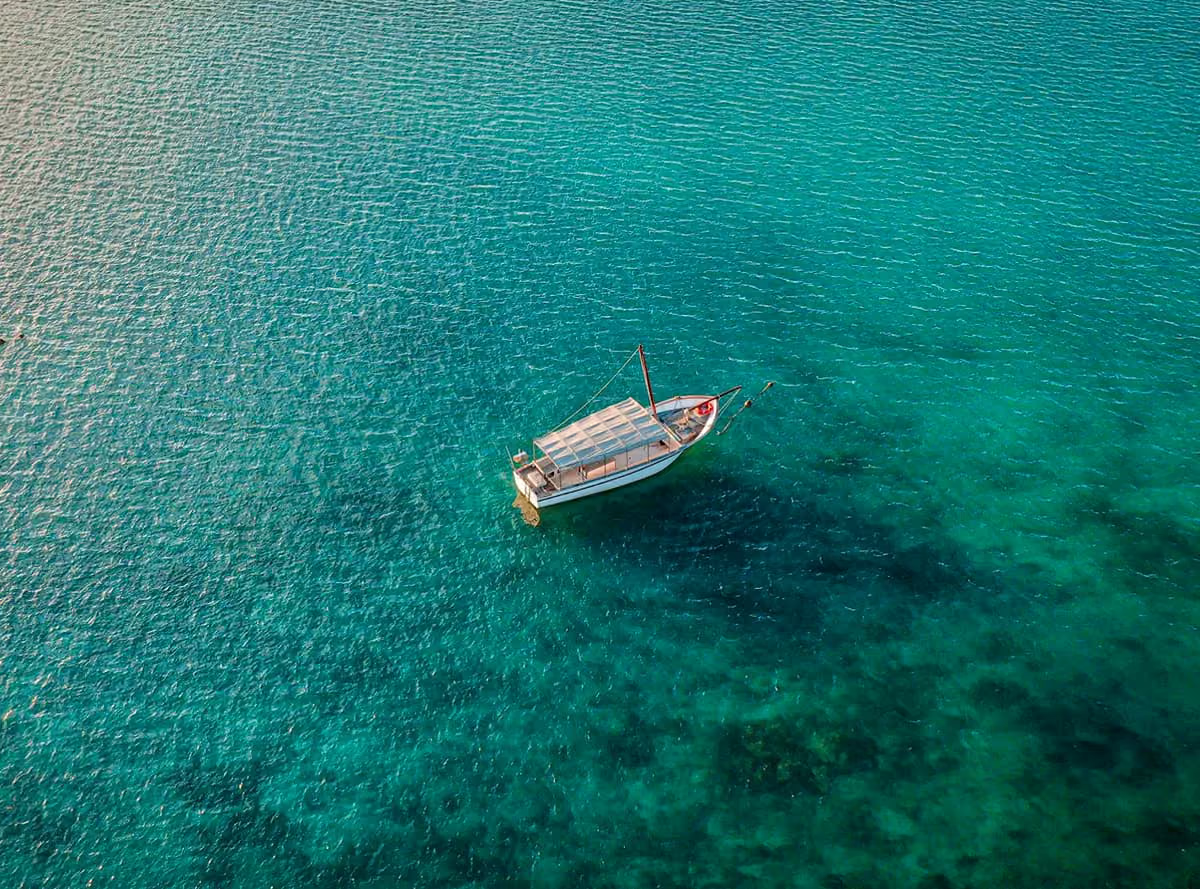
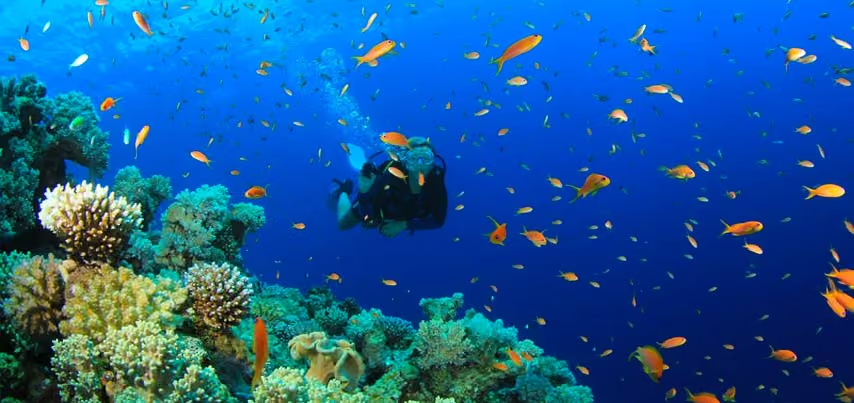
Below the turquoise lagoon of Mauritius, another world is in motion. Coral gardens rise from the sand. Triggerfish and surgeonfish flicker through the reef. Moray eels watch from shadowed crevices, octopus shift their shape and colour, and sea turtles move through the water with that unhurried grace that seems to belong only to the ocean.
For travellers adding Mauritius after an African safari, the island offers more than a soft place to land. It is one of the Indian Ocean’s most rewarding marine destinations, with calm lagoon snorkelling for families and first-timers, as well as dramatic offshore dive sites for those who want something deeper, wilder and more technical.
Whether you are a dedicated diver or simply want to float above coral in warm, clear water, Mauritius makes the ocean feel wonderfully accessible.
The Reef System Around Mauritius
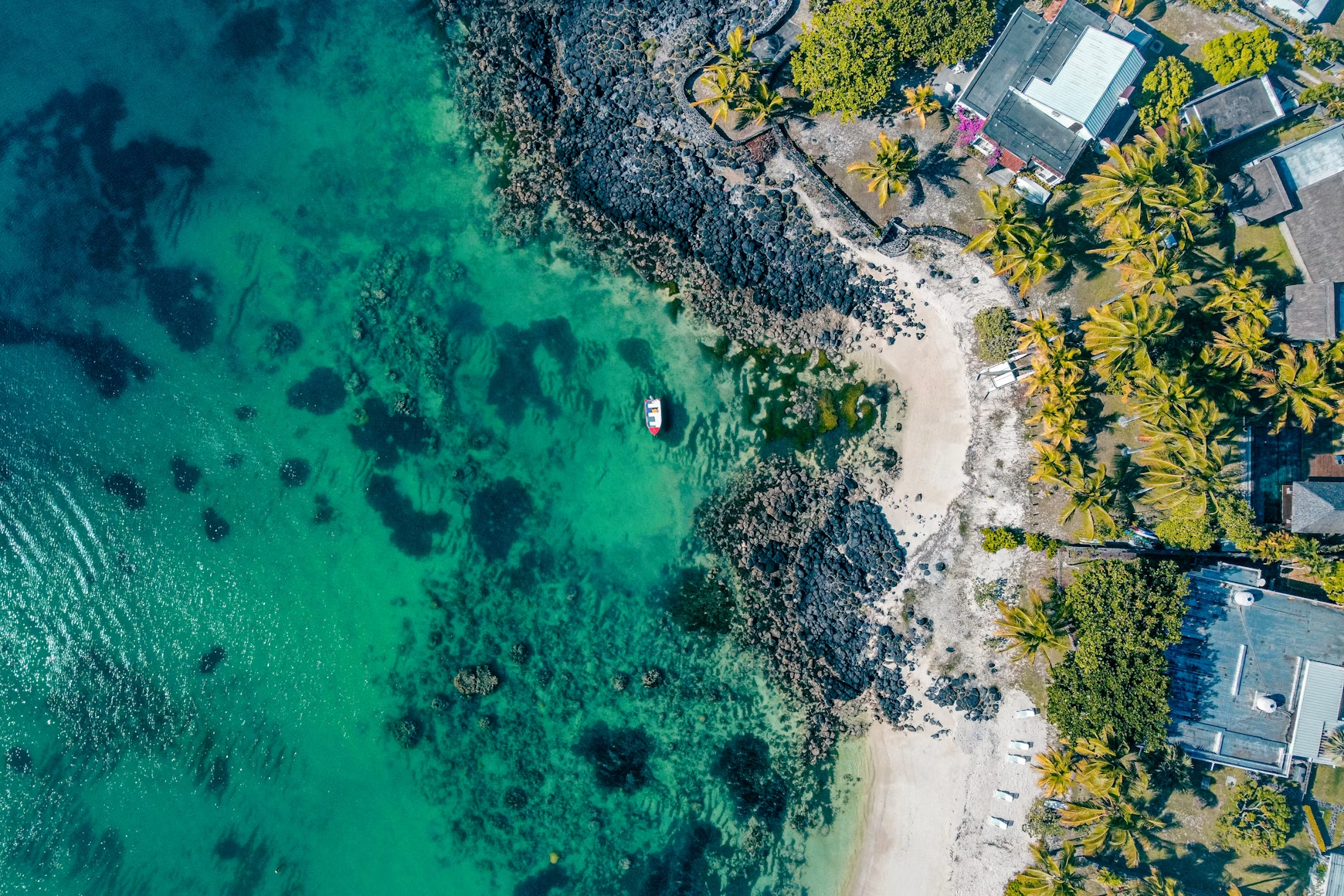
Much of Mauritius is encircled by an almost continuous barrier reef, creating the protected lagoon that gives the island its signature calm-water beauty. Inside this lagoon, the sea is typically gentle and clear, with coral gardens supporting a surprisingly wide variety of marine life.
This is where snorkelling comes into its own. You do not need to dive deep to see colour and movement here: reef fish, turtles, octopus, and small coral dwellers can often be found in areas reached by boat or from sheltered coastal points.
Beyond the reef, the seascape changes. The ocean floor drops away, currents become stronger, and the diving takes on a more dramatic character. Here, larger pelagic species may appear, including reef sharks, barracuda, tuna, and schools of batfish moving through the blue.
It is this combination that makes Mauritius so appealing: easy lagoon snorkelling on one side, and more adventurous diving just beyond the reef.
Top Dive Sites in Mauritius
Coin de Mire, or Gunner’s Quoin
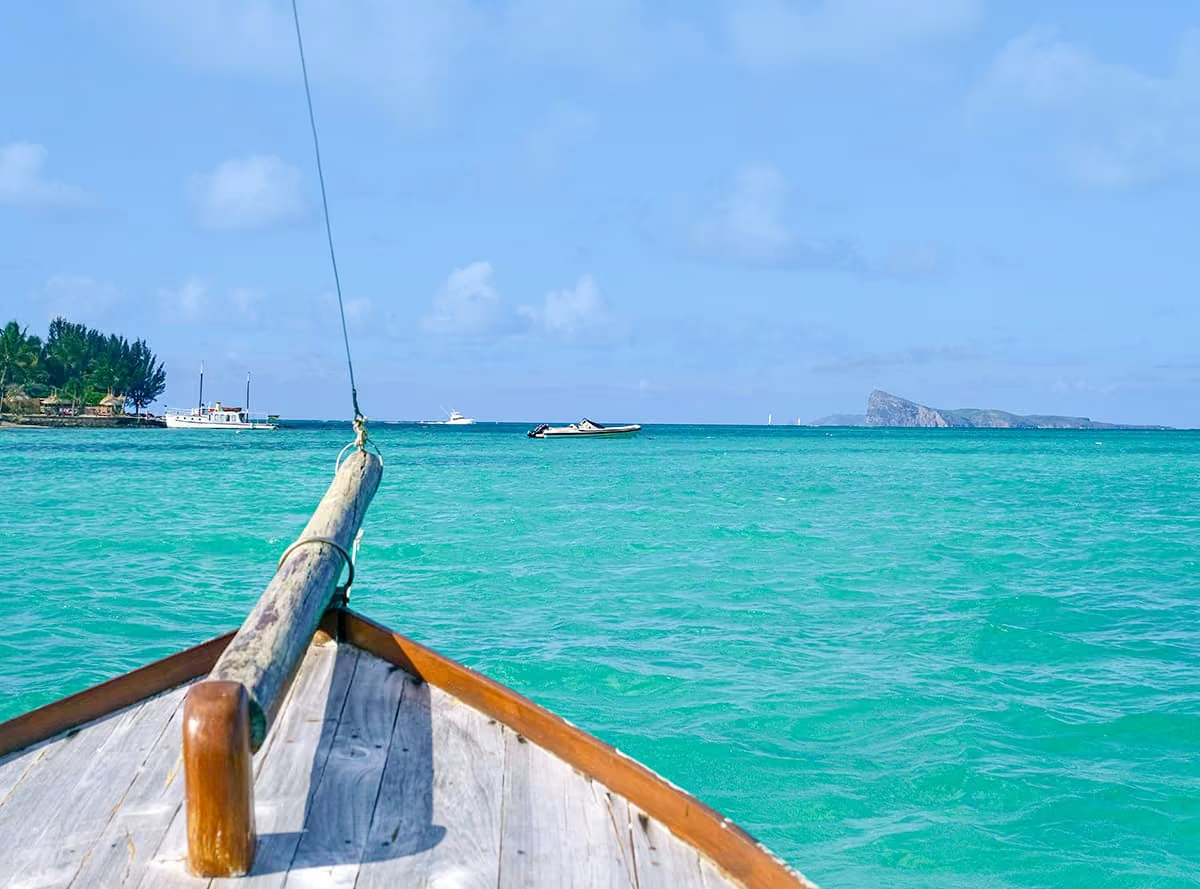
Off the north coast, Coin de Mire is one of Mauritius’s most striking dive locations. This volcanic outcrop rises sharply from the sea, with sheer underwater walls descending to a depth of around 30 metres.
Visibility can be excellent, and the site is known for strong currents, making it best suited to intermediate and advanced divers. Reef sharks and turtles are regularly seen here, and the setting itself feels wonderfully elemental: rock, current, depth, and blue water.
Rempart Serpent
Rempart Serpent, off the west coast, takes its name from the sea snake sightings that first made it memorable to early divers. It is a pinnacle dive with a lively concentration of marine life, including schooling fish, moray eels, and, on occasion, bottlenose dolphins passing through the area.
For divers who enjoy texture and detail, this is a rewarding site: movement in the open water, life tucked into the reef, and the sense that anything might pass by.
The Stella Maru Wreck
The Stella Maru is one of Mauritius’s best-known wreck dives. This former cargo vessel was deliberately sunk off the south-east coast in 1987 and has since become part of the reef ecosystem, colonised by hard and soft corals.
It is a strong choice for intermediate divers, with lionfish, nudibranchs, and smaller reef species now making their home in and around the structure. Wreck dives always carry a certain atmosphere, and Stella Maru offers that feeling without being inaccessible.
Blue Bay Marine Park: Mauritius’s Best Snorkelling
For snorkellers, Blue Bay Marine Park is one of the island’s standout marine experiences. It is Mauritius’s most protected marine reserve and is widely regarded as one of the best places to see coral and reef fish without needing a tank.
With more than 50 coral species and 72 fish species recorded in the area, Blue Bay is especially good for families, beginner snorkellers and anyone who wants the rewards of marine life without the commitment of scuba diving.
The water here can be wonderfully clear, and the experience is gentle enough to sit naturally within a relaxed island stay. It is also an excellent choice for travellers ending a safari with a few slower days by the sea.

Swimming with Dolphins in Mauritius
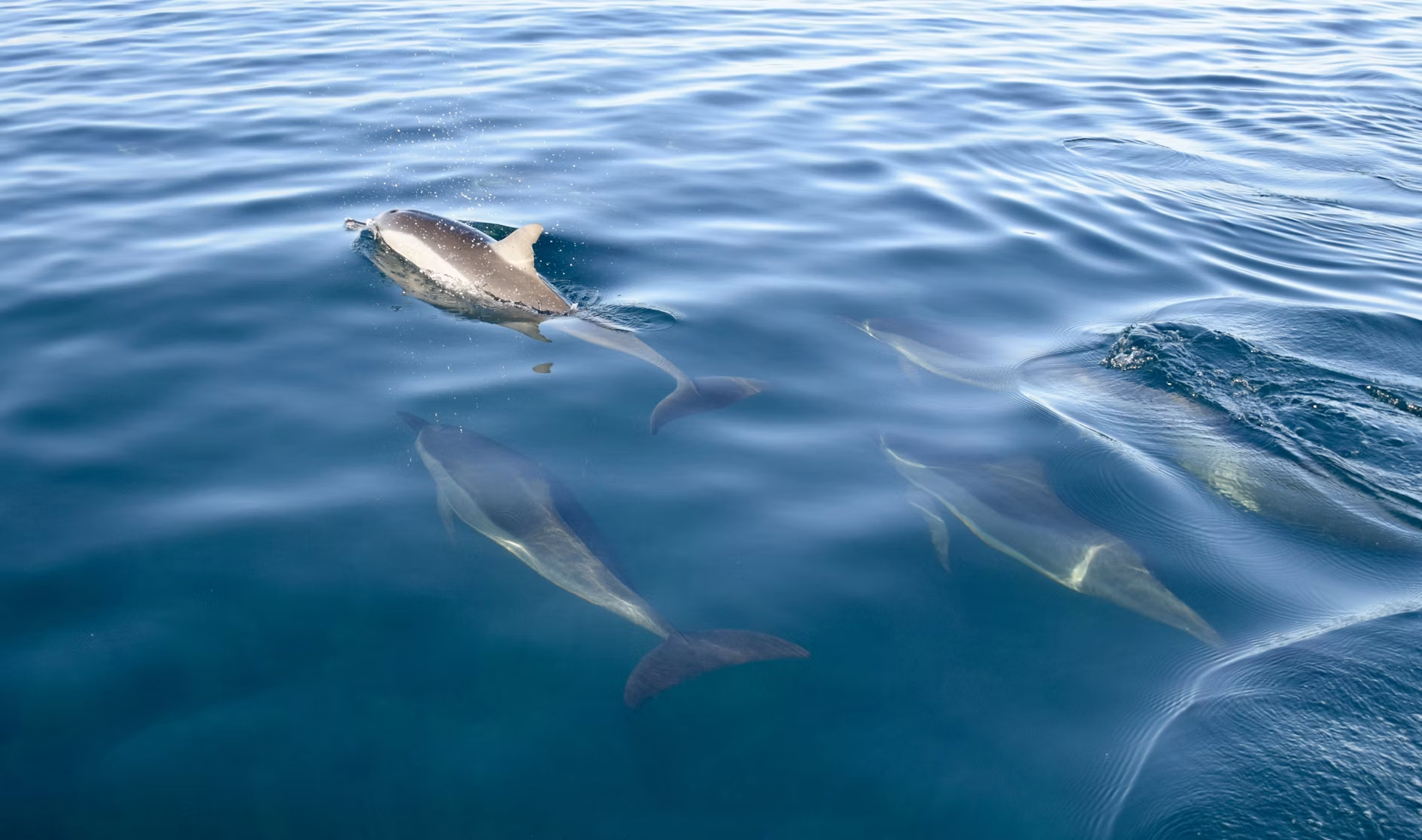
On the West Coast, spinner dolphins gather regularly around Tamarin Bay. Early morning boat trips offer the possibility of entering the water and snorkelling near them, an experience that can feel joyful, spontaneous and deeply affecting.
These are wild dolphins, moving freely through their own environment. The best encounters are respectful ones, where the animals are not chased or crowded, and where the experience is shaped by their behaviour rather than a human schedule.
For many travellers, swimming near dolphins in Mauritius becomes one of the most memorable moments of the trip: less polished than a planned excursion, and all the better for it.
Whale Watching in Mauritius
Between June and October, sperm whales pass through Mauritian waters. Whale watching trips during these months offer the possibility of seeing these extraordinary deep-water mammals, along with occasional humpback whales.
As with all wildlife experiences, sightings are never guaranteed, but the possibility adds a powerful dimension to the island’s marine appeal. For safari travellers, there is something beautifully fitting about ending a land-based wildlife journey with time on the ocean, watching for whales beyond the reef.
When Is the Best Time to Dive in Mauritius?
The best diving season in Mauritius is generally from October to March, when the water is warmest, and visibility is often at its best. Water temperatures typically sit between 24 and 29°C, making conditions comfortable for both diving and snorkelling.
June to September can still be excellent, particularly for travellers who prefer cooler conditions, although exposed sites may experience stronger currents. This is also the period that overlaps with whale-watching season, which can make it especially appealing for those interested in marine wildlife.
Practical Information for Divers and Snorkellers
Most major coastal hotels in Mauritius either have dive centres on site or can connect guests with reputable local operators. PADI certification courses are widely available, so Mauritius can also be a good place to learn to dive while on holiday.
Snorkelling equipment is easy to hire or purchase through coastal hotels, beach shops and dive centres. For families or mixed groups, this flexibility is part of the island’s charm: one guest can dive a wreck in the morning while another drifts over coral gardens in the lagoon.
For those planning Mauritius beach holidays, it is worth matching your hotel location to the kind of marine experience you want. Blue Bay is excellent for snorkelling, the west coast is known for dolphin encounters, and the north offers access to dramatic sites such as Coin de Mire.
Adding Mauritius to an African Safari
Mauritius pairs beautifully with an African safari. After early starts, game drives and the quiet intensity of the bush, the island offers warmth, sea air and time to exhale.
For families, first-time safari travellers, and anyone wanting a gentler ending to their journey, it can be the perfect soft landing. Spend your mornings in the water, your afternoons by the beach, and your evenings with a slower rhythm entirely.
BHS can help shape Mauritius around the rest of your journey, whether you want a few restorative beach days, a marine-focused extension, or a longer island stay after South Africa safaris, Kenya, Tanzania, or another safari destination.
For couples planning African honeymoon safaris, Mauritius can be a particularly beautiful finale: warm water, soft beaches, excellent snorkelling, and time to slow the whole journey down.
Planning Your Mauritius Journey
Whether you are dreaming of diving over coral gardens, snorkelling in Blue Bay, watching dolphins off the west coast, or simply ending your safari beside the Indian Ocean, Mauritius can be tailored beautifully around the pace and purpose of your trip.
Contact us today to start planning your Mauritius journey.
FAQS
Yes. Mauritius is excellent for snorkelling, especially inside its protected lagoon and in areas such as Blue Bay Marine Park. You can see coral gardens, colourful reef fish, turtles, octopus, and other marine life in calm, clear water without needing scuba equipment.
Blue Bay Marine Park is one of the best snorkelling areas in Mauritius, known for protected coral, clear lagoon water and abundant reef fish. It is especially good if you want an easy, gentle marine experience that works well for families, beginners and relaxed beach days.
No. Diving in Mauritius suits a range of experience levels, from beginner-friendly reef dives to more advanced offshore sites. If you are more experienced, areas such as Coin de Mire offer deeper, current-influenced diving, while PADI courses are widely available for beginners.
In Mauritius, you can see coral gardens, triggerfish, surgeonfish, moray eels, octopus, turtles, reef sharks, barracuda, batfish, tuna, and dolphins. Depending on the season, whale watching may also be possible, with sperm whales and occasional humpback whales passing through Mauritian waters.
The best time for diving in Mauritius is generally October to March, when the water is warmest and visibility is often at its best. June to September can also be worthwhile, especially if you are interested in cooler conditions and the possibility of whale watching.
Yes. Mauritius is a natural beach extension after an African safari, giving you warm water, snorkelling, diving, and time to slow down after the bush. It works especially well after South Africa, Kenya, Tanzania, or another safari destination.