

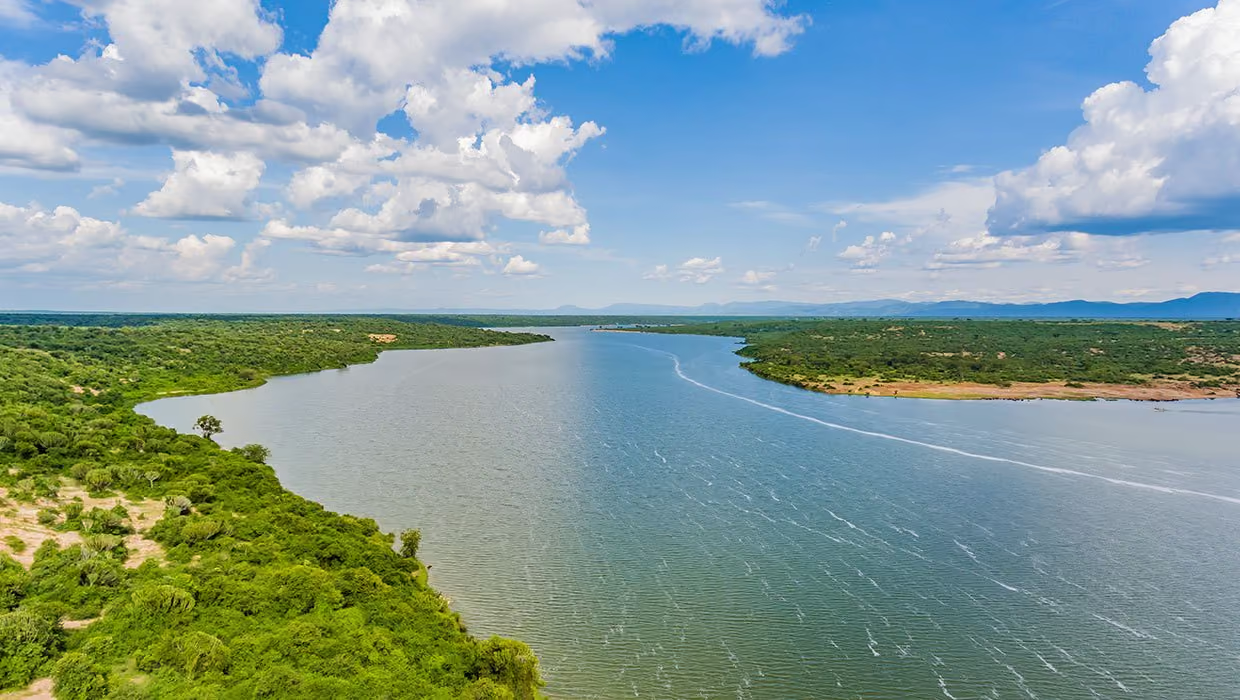
Uganda is best known for gorilla trekking in Bwindi, and rightly so. But beyond the misty forests lies another side of the country: open savannah, crater lakes, prolific birdlife, boat-based wildlife viewing, and one of Africa’s most varied national parks.
Queen Elizabeth National Park is where Uganda opens out. It is a place of elephants at the water’s edge, lions resting in fig trees, hippos crowding the Kazinga Channel, and landscapes that shift from grassland to wetland to forest in a single day. For travellers planning a broader Uganda safari, this is one of the country’s most rewarding additions.
Why Queen Elizabeth National Park Stands Apart
Straddling the equator in western Uganda, Queen Elizabeth National Park covers 1,978 square kilometres of remarkably diverse habitat. Within its borders are savannah plains, wetlands, forest patches, crater lakes, and the Kazinga Channel, a natural waterway connecting Lake Edward and Lake George.
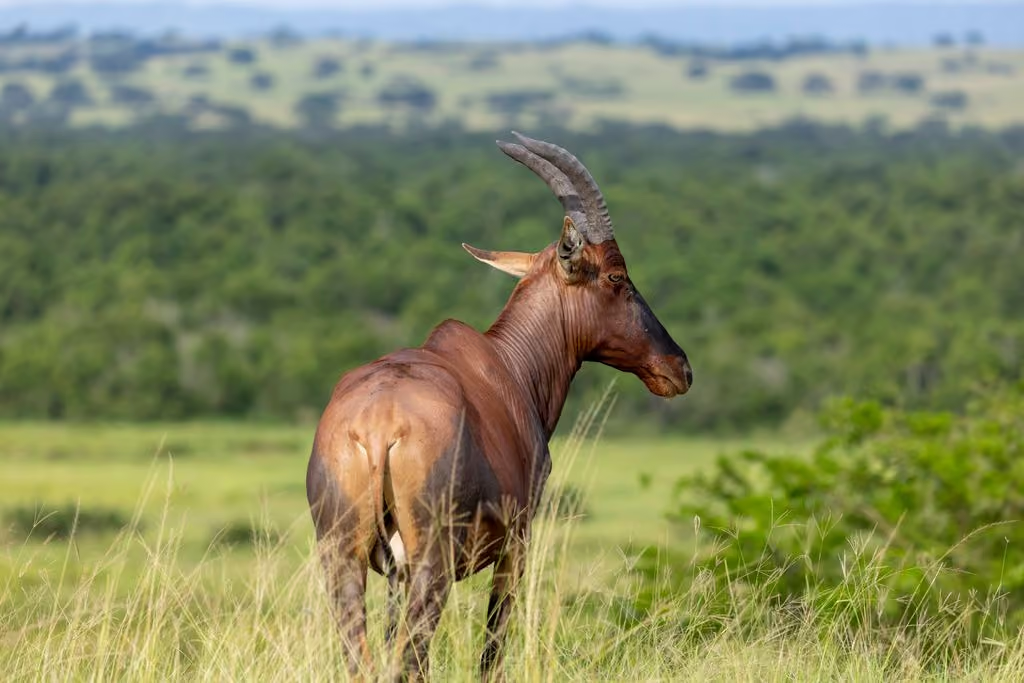
This variety is what makes the park so compelling. Queen Elizabeth supports lion, leopard, elephant, buffalo, giant forest hog, Uganda kob, crocodile, hippo, and more than 620 recorded bird species, placing it among the richest birding destinations in Africa.
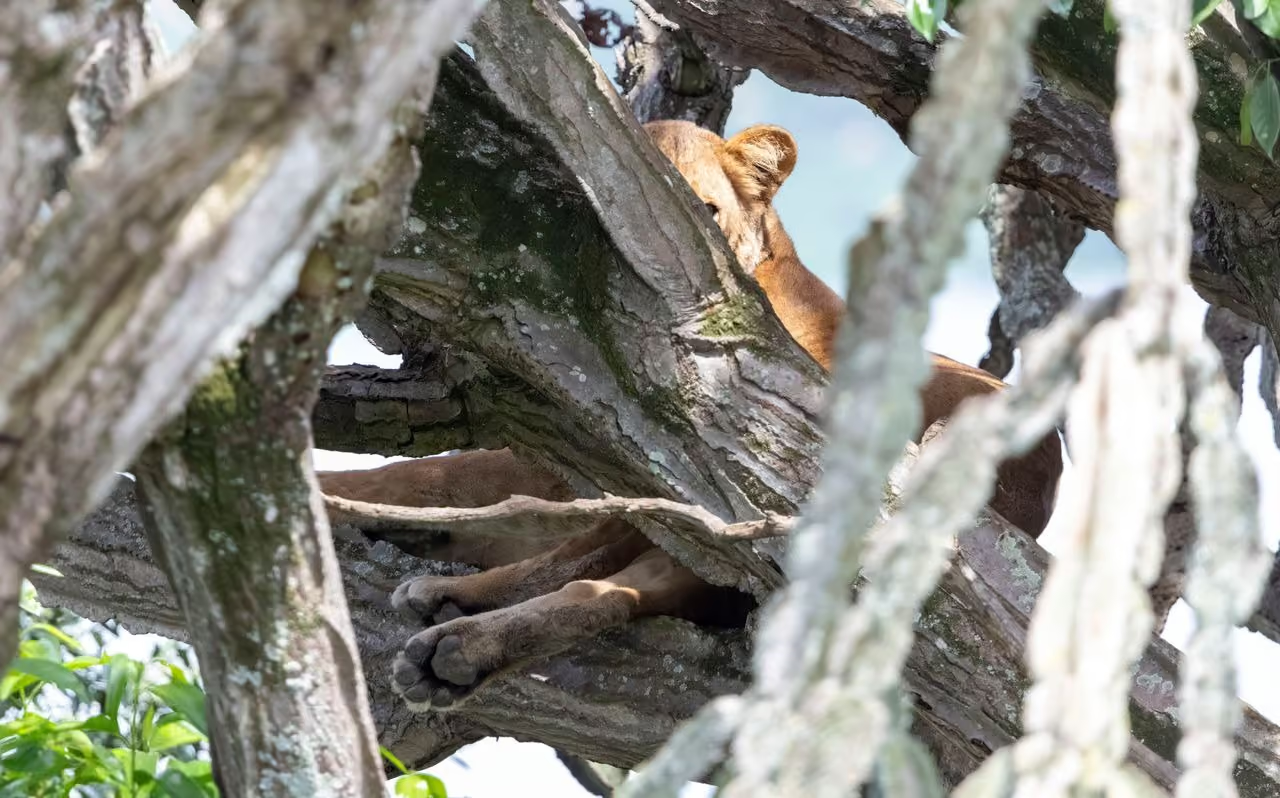
It is also home to the famous tree-climbing lions of Ishasha, a rare and memorable wildlife encounter that gives the park one of its most distinctive safari signatures.
"Queen Elizabeth is where I take guests who want to go beyond Bwindi in Uganda. It's the full African picture, open savannah, a boat cruise, great birding, and the famous tree-climbing lions if you push south to Ishasha. It rounds out a Uganda trip beautifully." - Brett Horley, BHS
The Tree-Climbing Lions of Ishasha
In the south-west of Queen Elizabeth National Park, the Ishasha sector is known for lions that regularly climb into fig trees. It is a behaviour seen in only a small number of places in Africa, with Tanzania’s Lake Manyara being the other best-known example.
The reason remains debated. Some researchers suggest the lions climb to escape heat or insects; others believe it may be linked to social behaviour or simply a learned habit within this population.
Whatever the explanation, the experience is unforgettable. To see lions stretched across the branches of a fig tree, tails hanging loosely below them, is one of Uganda’s most surreal and quietly spectacular wildlife moments.
The Kazinga Channel Boat Cruise
A boat cruise along the Kazinga Channel is one of the defining experiences in Queen Elizabeth National Park. The channel links Lake Edward and Lake George, creating a rich waterway that attracts wildlife throughout the year.
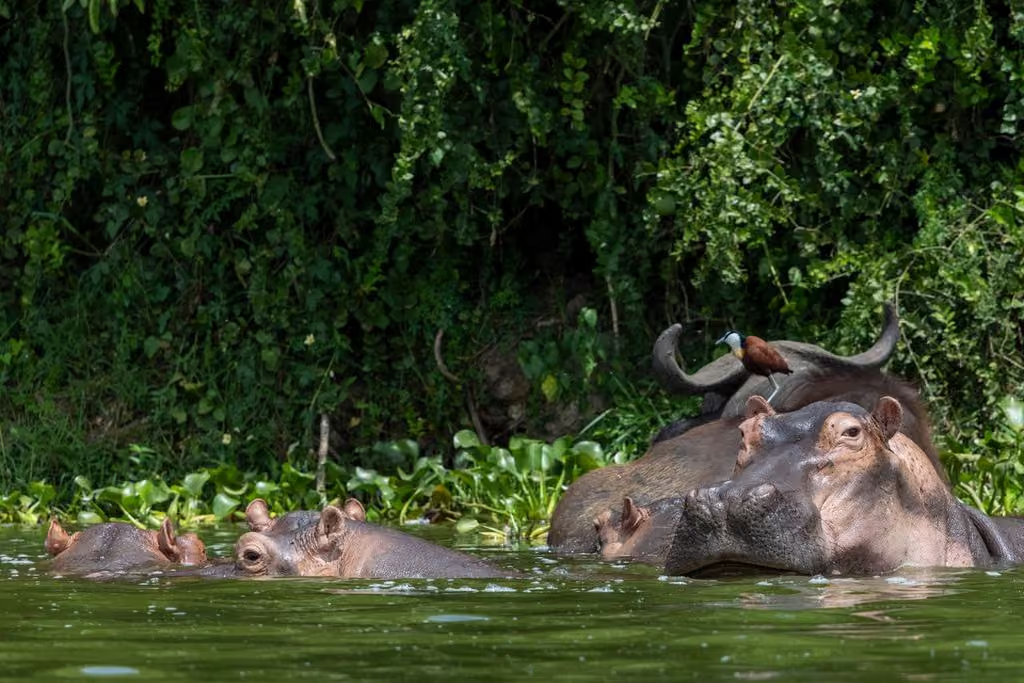
Hippos are often seen in remarkable numbers, while crocodiles bask along the banks. Elephants and buffalo frequently come down to drink, and the birdlife from the water can be exceptional, with pelicans, African fish eagles, kingfishers, herons, storks, and other waterbirds regularly seen.
The boat cruise offers a different rhythm to a traditional game drive. It is slower, quieter, and wonderfully immersive, with wildlife viewed from the water rather than from the road.
One of Africa’s Great Birding Parks
With more than 620 recorded bird species, Queen Elizabeth National Park is one of Africa’s finest birding destinations. Its appeal lies in the variety of habitats packed into a relatively compact area: wetlands, lakeshores, savannah, forest, and crater landscapes all support different species.
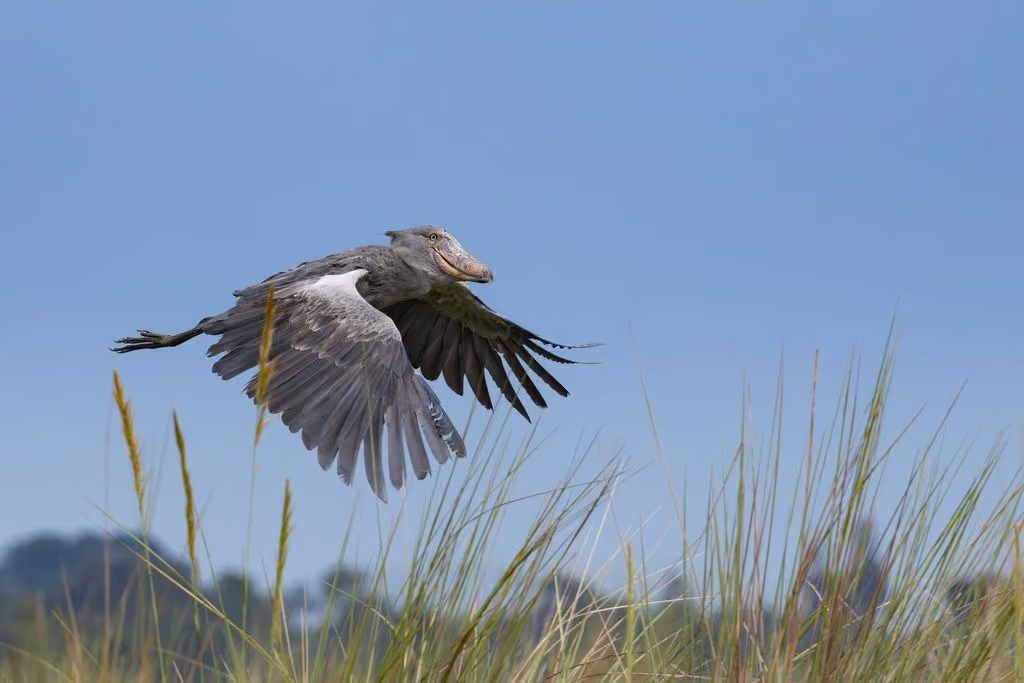
The park is rewarding for both serious birders and general safari travellers. Alongside iconic sightings such as African fish eagles and colourful kingfishers, the wider region offers the chance to look for highly sought-after species, including the Shoebill, depending on routing and conditions.
For travellers who care about birdlife, Queen Elizabeth adds real depth to a Uganda itinerary.
Combining Queen Elizabeth with Bwindi
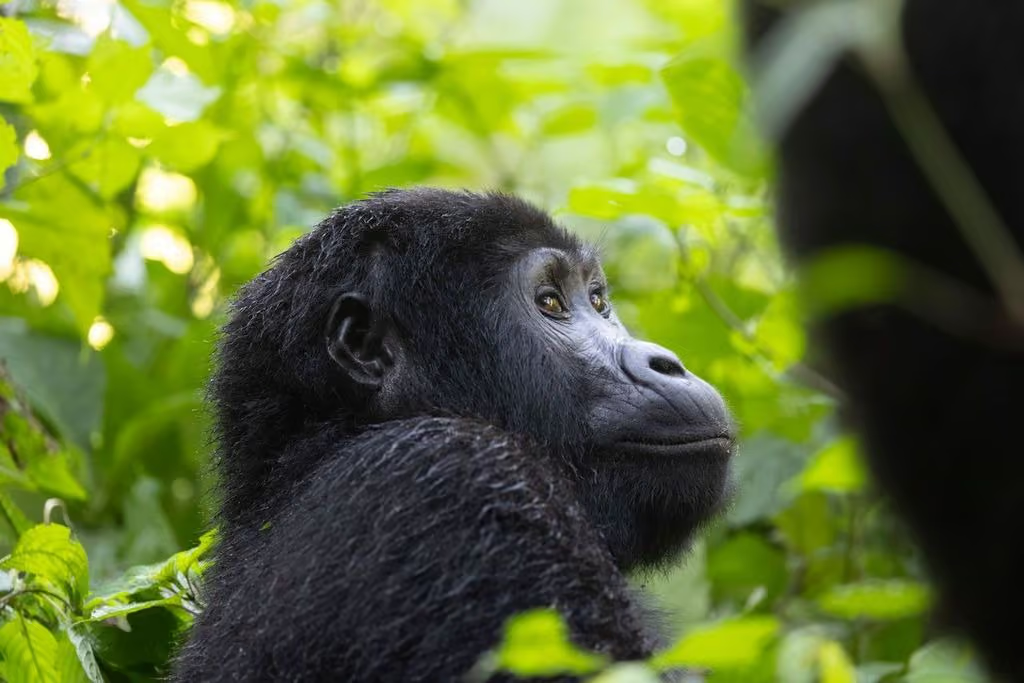
One of the best ways to experience Uganda is to combine Queen Elizabeth National Park with gorilla trekking in Uganda. Bwindi brings the intensity and emotion of tracking mountain gorillas in dense equatorial forest; Queen Elizabeth brings open landscapes, classic safari wildlife, boat-based viewing, and the possibility of tree-climbing lions in Ishasha.
Together, they create a beautifully balanced journey. Time in Bwindi Impenetrable Forest followed by Queen Elizabeth, gives travellers two very different views of the country in one itinerary. Six to eight nights can cover both destinations comfortably, with options to add chimpanzee tracking, the Rwenzori Mountains, or more time in Uganda’s western safari circuit.
"The Uganda combination trips are some of our most popular. Gorillas in the forest, then lions in the trees, and hippos from the boat. It's completely different experiences in one small country. Guests always say they underestimated Uganda."- Jo Cooper, BHS Guide
Best Time to Visit Queen Elizabeth National Park
While the park is a fantastic year-round destination, understanding the seasons helps align your trip with your wildlife viewing preferences:
The Dry Seasons (June to August & December to February): This is the best time to visit Queen Elizabeth National Park for wildlife viewing. Vegetation is sparse, thin, and dried out, making animals easier to spot. Wildlife also congregates predictably around permanent water sources like the Kazinga Channel.
The Wet Seasons (March to May & September to November): These months bring lush, emerald-green landscapes and clear, dust-free air ideal for safari photography. It is also the peak time for birdwatching as migratory species arrive, and the park feels highly exclusive with fewer safari vehicles.
Plan Your Luxury Uganda Safari with BHS
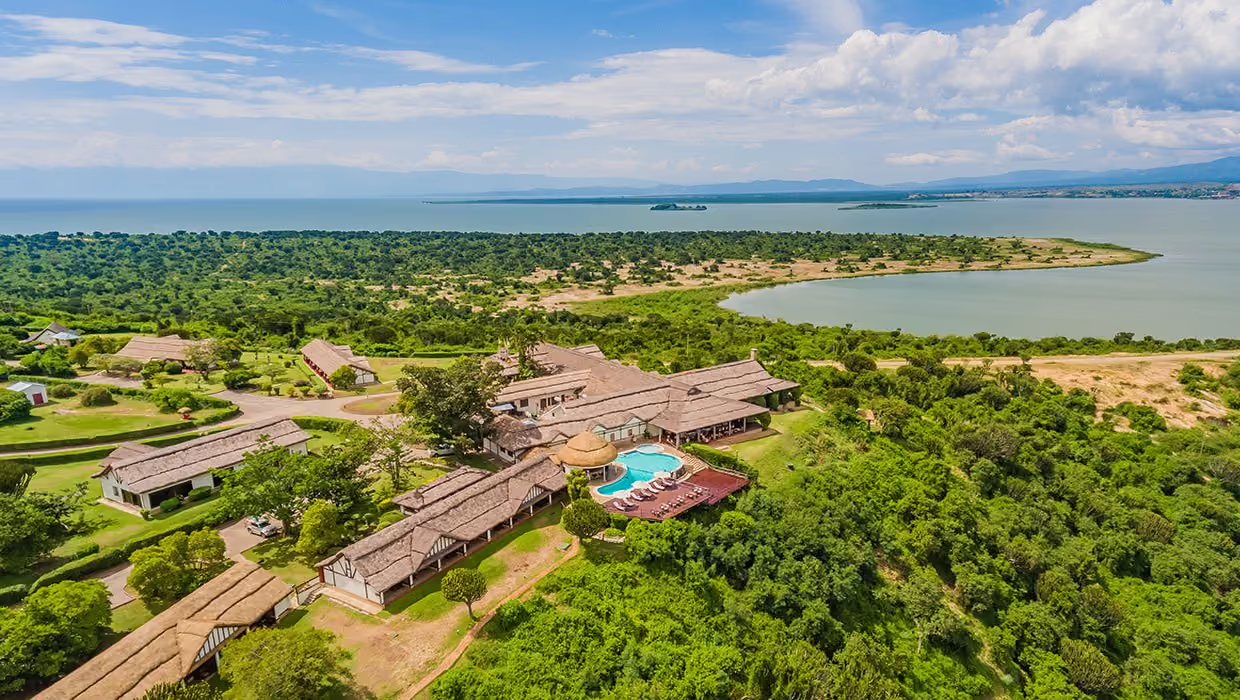
Queen Elizabeth National Park is the ideal addition for travelers who want a multi-dimensional African safari. It pairs flawlessly with mountain gorilla tracking, chimpanzee trekking, and Uganda’s wider western safari circuit.
At Brett Horley Safaris (BHS), we custom-design bespoke Uganda itineraries that connect these distinct landscapes, luxury lodges, and wildlife encounters seamlessly.
Contact the BHS Team Today to begin designing your tailor-made East African safari.
FAQS
Yes. Queen Elizabeth National Park is one of Uganda’s most rewarding safari destinations, especially if you want to go beyond gorilla trekking. You can experience open savannah, crater lakes, prolific birdlife, the Kazinga Channel boat cruise and the famous tree-climbing lions of Ishasha.
Queen Elizabeth National Park is famous for its remarkable variety of landscapes and wildlife. The park is best known for the Kazinga Channel, more than 620 recorded bird species, classic safari wildlife and the rare tree-climbing lions found in the Ishasha sector.
Yes. You can look for tree-climbing lions in the Ishasha sector of Queen Elizabeth National Park. Sightings are never guaranteed, but Ishasha is one of the best-known places in Africa to see lions resting in fig trees.
The Kazinga Channel boat cruise is one of the park’s signature experiences. You can see hippos, crocodiles, elephants, buffalo and exceptional birdlife along the water, including kingfishers, herons, storks, pelicans and African fish eagles.
Yes. Queen Elizabeth National Park combines beautifully with Bwindi Impenetrable Forest. Bwindi gives you mountain gorilla trekking, while Queen Elizabeth adds open savannah, boat-based wildlife viewing, birding, and the chance to see tree-climbing lions.
The best time for wildlife viewing in Queen Elizabeth National Park is during the dry seasons, from June to August and December to February. The wet seasons, from March to May and September to November, are excellent for birding, lush landscapes, and photography.