

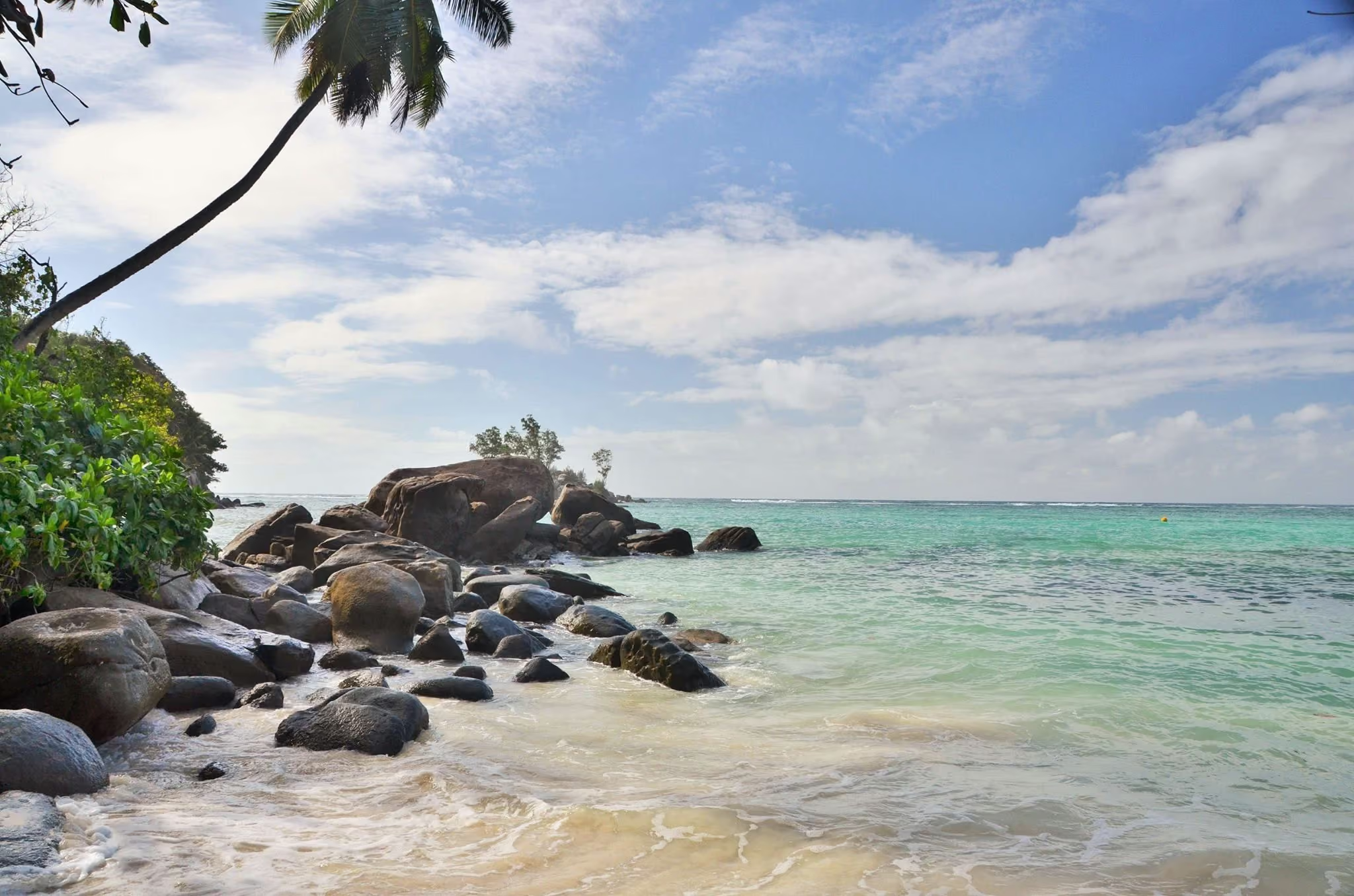
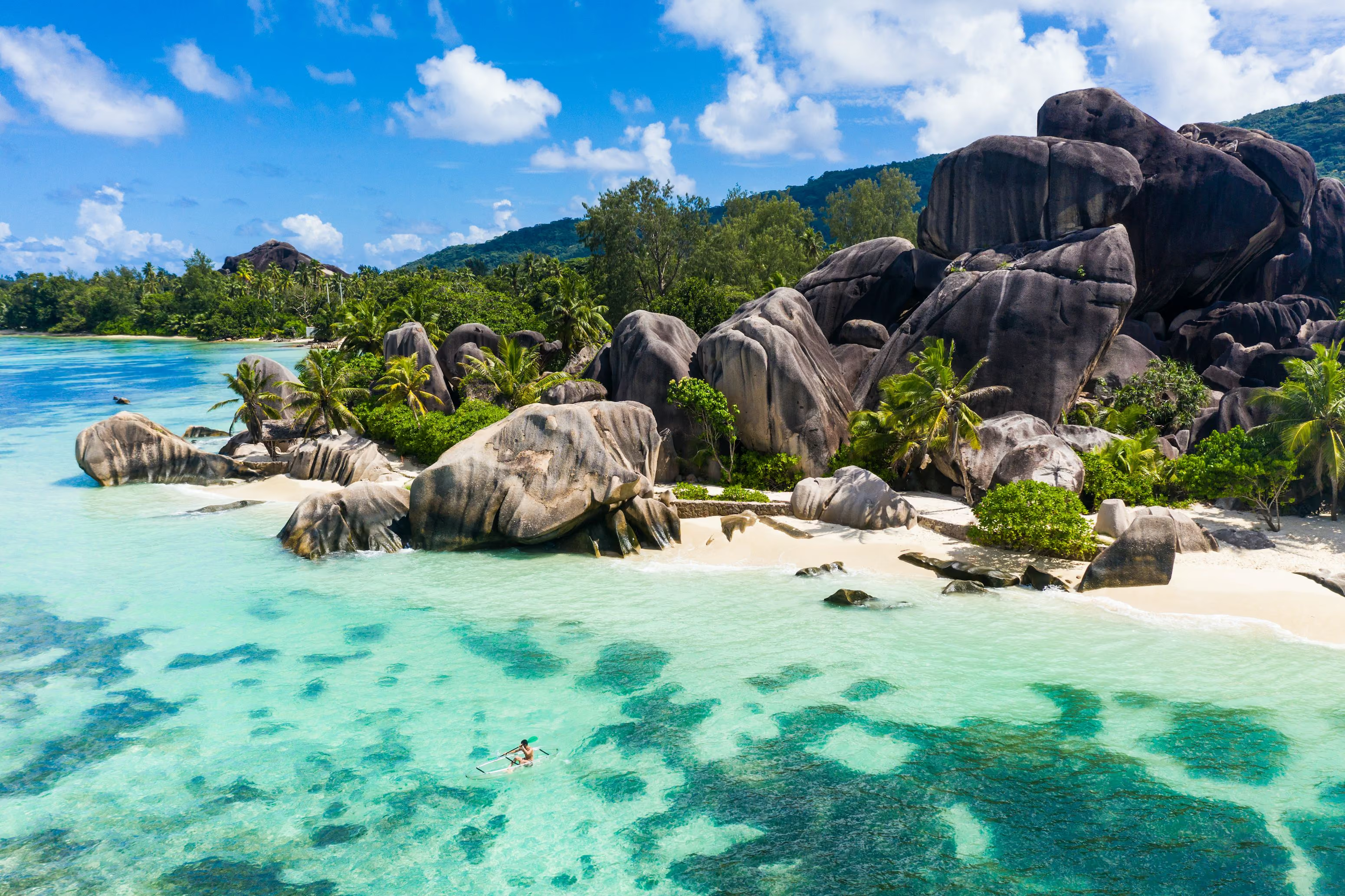
Granite boulders the size of houses. Coco de mer palms with leaves like great green satellites. Water so clear and luminous that “turquoise” feels like too small a word.
The Seychelles is not a destination that needs to work hard to persuade you. One image of Anse Source d’Argent does much of the convincing. But beyond the famous beaches is a far richer story: 115 islands scattered across 1.3 million square kilometres of Indian Ocean, each with its own rhythm, wildlife, landscape and reason to stay another day.
For BHS travellers, Seychelles is more than a beach add-on. It is one of the most natural ways to soften the landing after safari: a place to swim, sleep, sail, snorkel and let the emotional weight of Africa settle gently.
Why Visit the Seychelles?
The Seychelles offers a rare blend of barefoot island beauty and genuine natural interest. Yes, there are powder-white beaches and coral lagoons, but there are also ancient granite islands, UNESCO-listed forests, giant tortoises, seabird colonies, turtle nesting beaches and some of the Indian Ocean’s most remote marine wilderness.
It works beautifully for honeymooners, families, divers, sailors, conservation-minded travellers and anyone who wants a slower, quieter ending to an African journey.
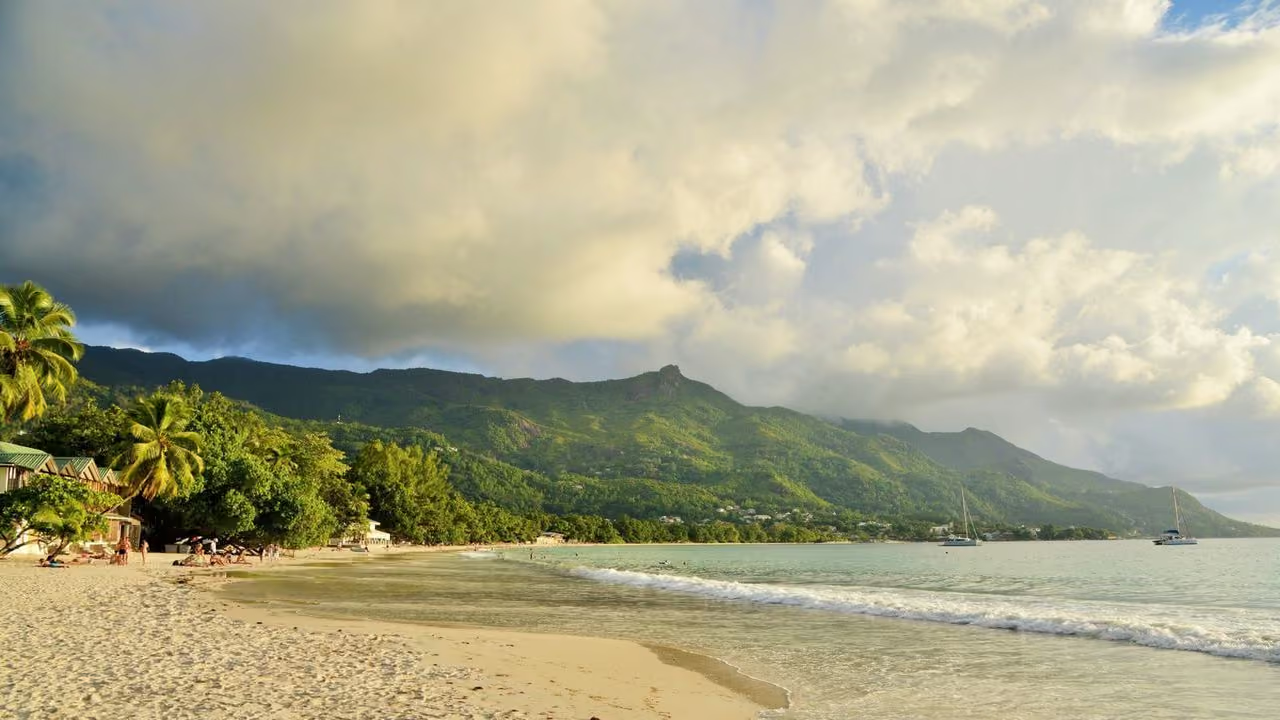
The Inner Islands: Mahé, Praslin and La Digue
Most Seychelles journeys begin in the Inner Islands. These are the best-known and most accessible islands, offering the classic Seychelles combination of beaches, forested interiors, Creole culture and easy island-hopping.
Mahé: Beaches, Forests and a Sense of Arrival
Mahé is the main island and home to Victoria, the small, colourful capital. It is worth allowing time for a gentle morning here before the beaches inevitably pull you away. The markets, harbour and bright Creole character offer a useful first glimpse of Seychellois life.
The east coast is the commercial and residential hub, while the west coast reveals some of Mahé’s most beautiful beaches, including Beau Vallon, Anse Intendance and the wilder, surf-pounded Anse Bazarca.
Inland, Morne Seychellois National Park covers over a quarter of the island. Its misty forest trails, rare endemic birds and mountain views give Mahé a depth that many first-time visitors do not expect. This is not simply a place to lie still, though it is very good for that too.
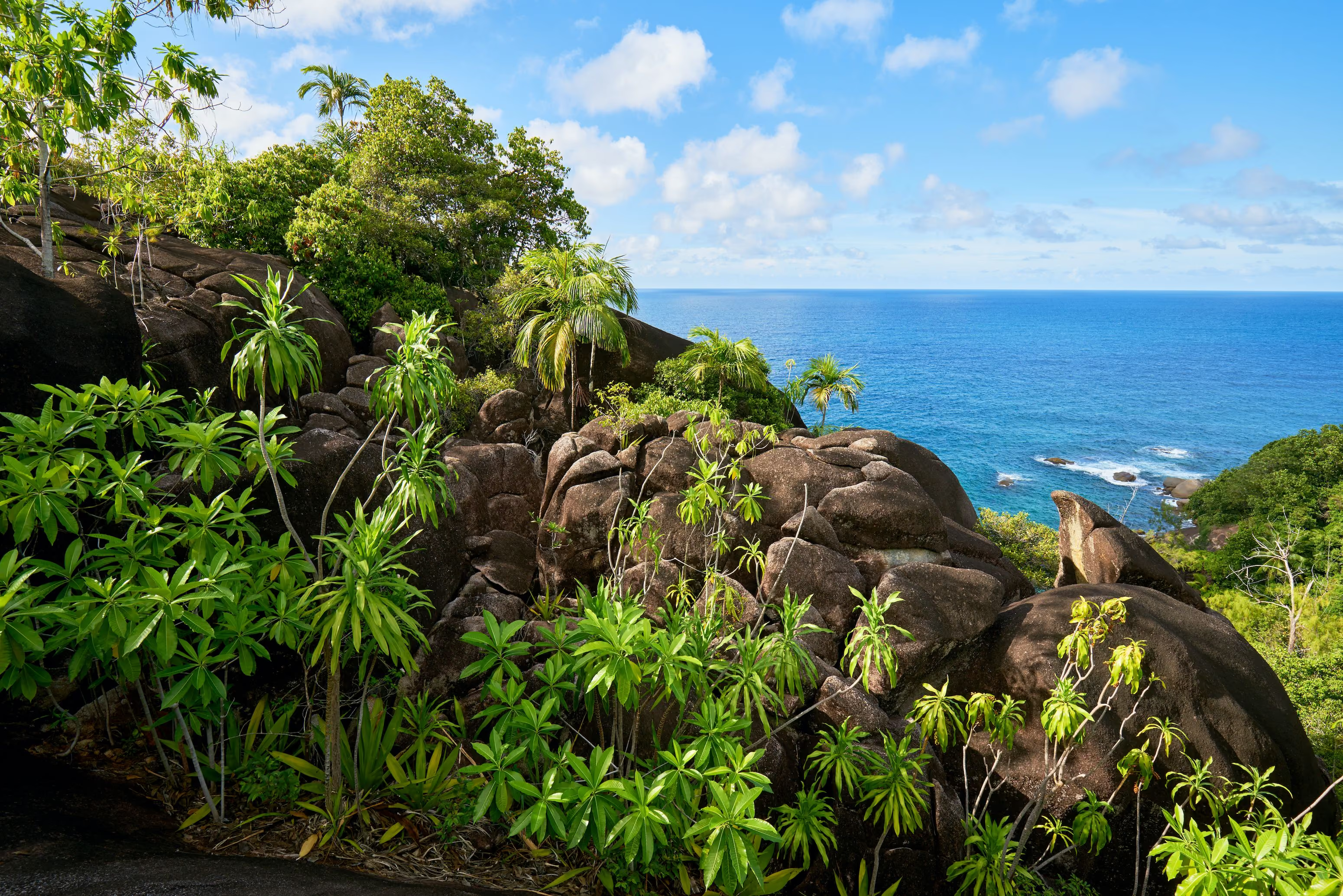
Praslin: Coco de Mer Palms and World-Class Beaches
Praslin is the island of the coco de mer, the world’s largest seed, produced by a palm found naturally only in the Seychelles.
Its great natural treasure is the Vallée de Mai, a UNESCO World Heritage Site and one of the most atmospheric forests in the Indian Ocean. Walking beneath the high palms feels almost prehistoric. The light is filtered, the leaves are enormous, and if you are fortunate, you may glimpse the rare Seychelles black parrot moving quietly through the canopy.
Praslin is also home to some of the Seychelles’ most celebrated beaches, including Anse Lazio and Anse Georgette. They are regularly described among the most beautiful beaches in the world, and in this case the praise is not empty travel language. The beaches really are that good.
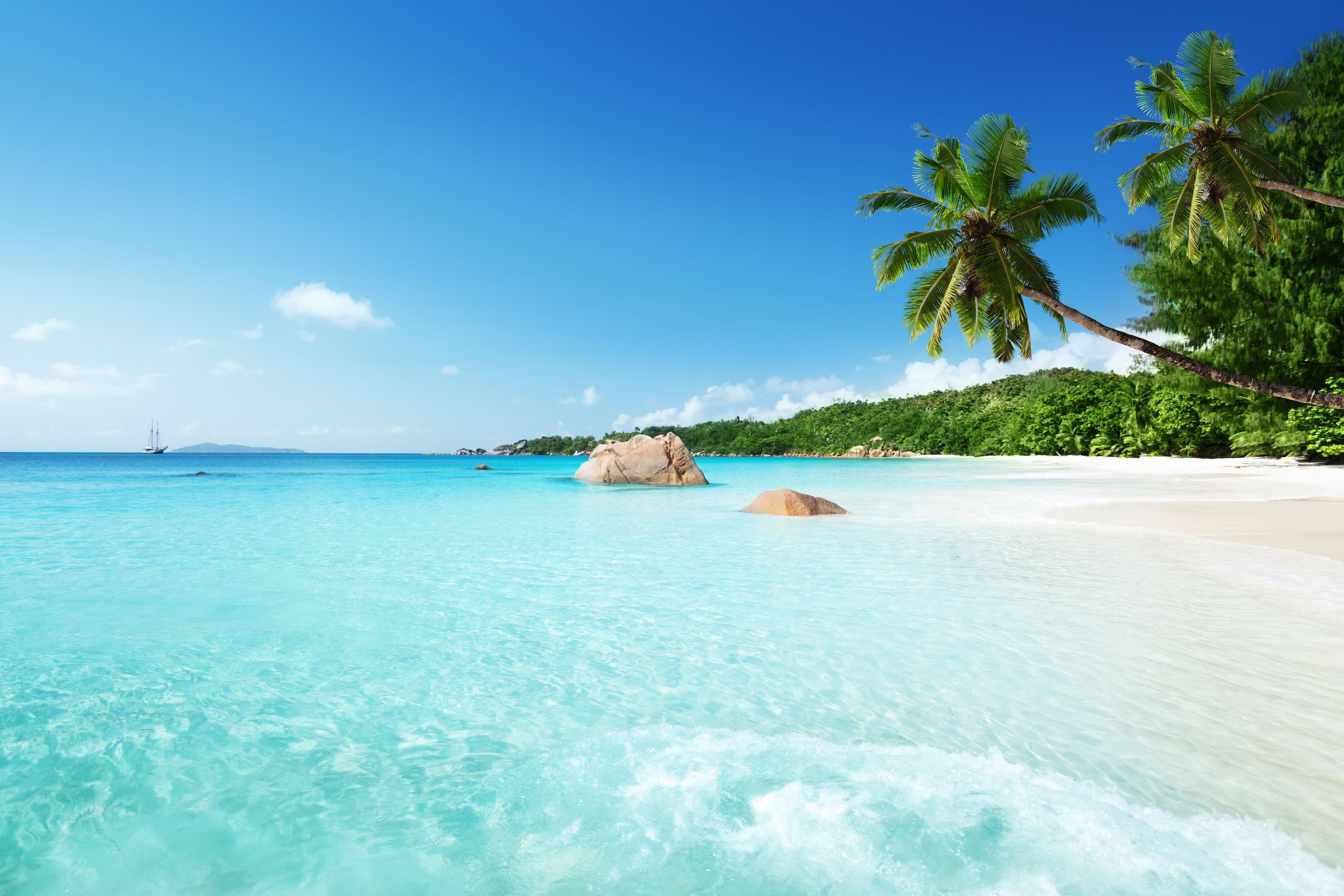
La Digue: Slow Island Life and Anse Source d’Argent
La Digue is the Seychelles at its most recognisable and, in many ways, its most charming.
There are very few cars. Bicycles remain the easiest way to move around. The pace is unhurried, the scale is intimate, and the island feels wonderfully removed from the urgency of ordinary life.
Anse Source d’Argent is the headline beach: pale sand, shallow water and sculptural granite boulders arranged so beautifully they almost look staged. It may be one of the most photographed beaches on Earth, but in the right light and the right season, it still manages to feel quietly miraculous.
The Outer Islands: Seychelles for Wilderness Travellers
Beyond the Inner Islands, the Seychelles becomes something more remote and more expeditionary.
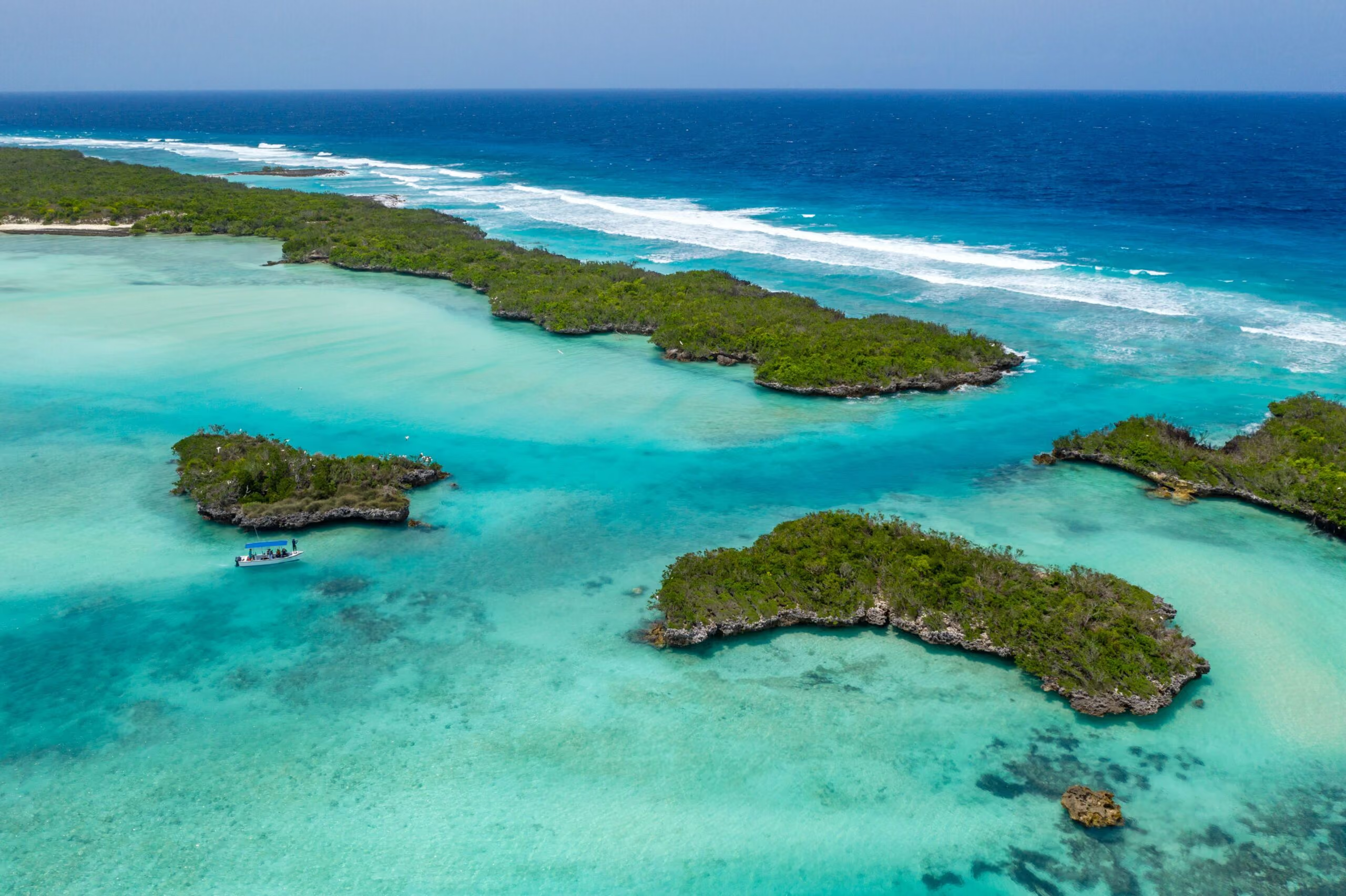
The Outer Islands are coral islands and atolls scattered far from Mahé. They are less about classic beach-resort ease and more about true seclusion, marine life, seabirds, conservation and a feeling of being close to the edge of the map.
Aldabra Atoll, a UNESCO World Heritage Site, is one of the great wild places of the Indian Ocean. It is home to a vast population of giant Aldabra tortoises, exceptional reef systems and a level of remoteness that puts it in a very small category of places on Earth.
Bird Island and Denis Island offer another side of this wilderness: private nature reserves, nesting turtles, significant seabird life and beaches where human footprints are few.
For travellers wanting something deeply special, Alphonse Island is a superb example of the Seychelles’ Outer Island appeal. Reached by scenic flight from Mahé, it offers white-sand beaches, coral lagoons, snorkelling, diving, kayaking, paddleboarding, cycling, fly fishing, guided island walks and conservation-focused experiences in a setting that feels both refined and wonderfully removed.
Pairing the Seychelles with Safari
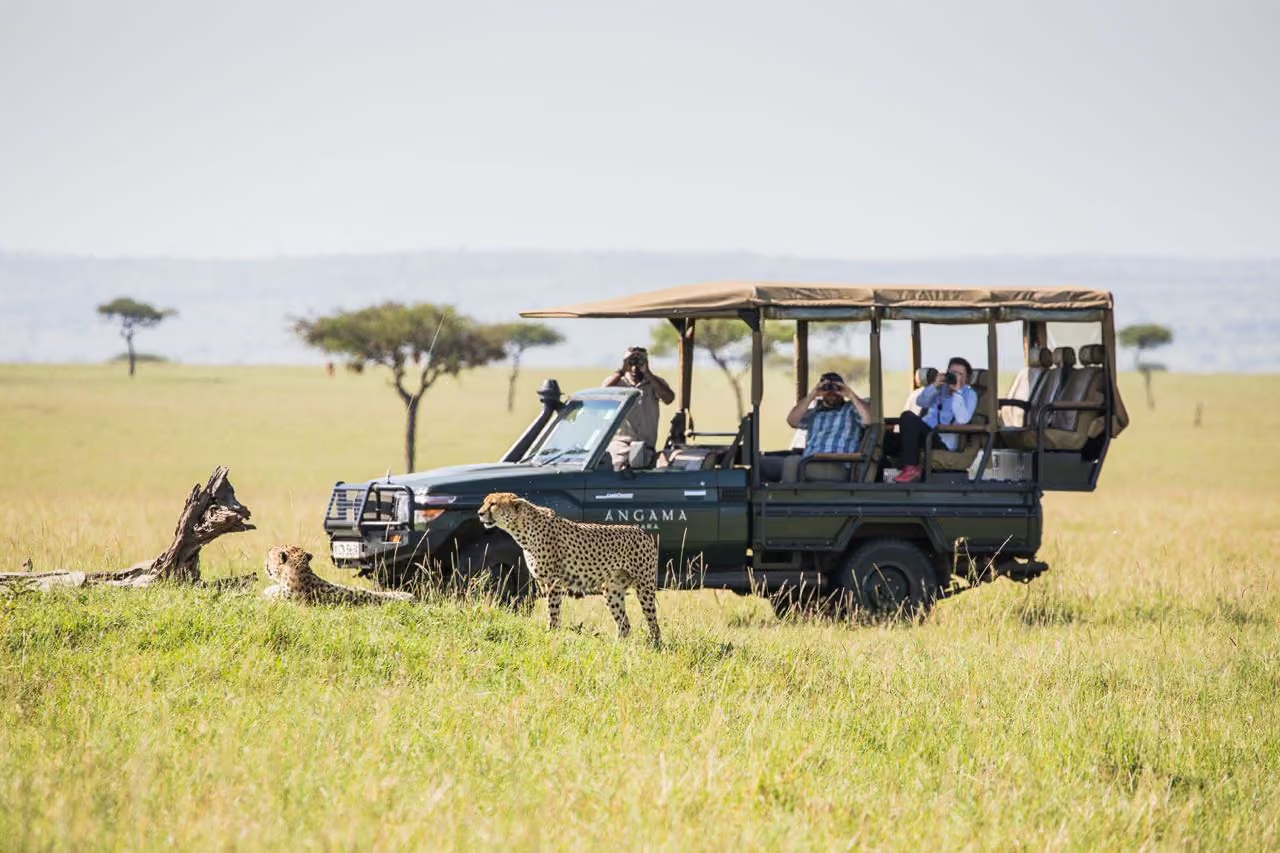
The Seychelles is our most-recommended post-safari island destination for guests travelling through the Indian Ocean basin. It connects directly with Nairobi, making it an easy and natural extension to a Kenya or Uganda itinerary, with only one additional flight required. For southern Africa journeys, routing through Johannesburg or Mauritius keeps the transition smooth.
It works so well because it offers a complete change of pace. Safari is full of movement, early mornings, wildlife encounters and emotion. The Seychelles gives you space afterwards: quiet beaches, warm water, slow days and the kind of beauty that lets everything settle.
“Seychelles after Kenya is close to a perfect trip in my opinion. The Mara does something to you; you're filled up with experience and emotion. Then the Seychelles gives you the space to process all of it. Quietly. In extraordinary beauty.” - Jo Cooper, BHS Guide
When to Go to the Seychelles
The Seychelles is beautiful year-round, but the best time depends on which coastlines and activities matter most to you.
- April to May: One of the calmest and most settled periods, ideal for snorkelling, diving, sailing and clear-water conditions between islands.
- May to September: The north-west trade wind season brings calmer seas to the east coasts of Mahé and Praslin. Beaches such as Anse Lazio and Anse Source d’Argent are often at their finest.
- October to November: For a deeper look at Indian Ocean marine experiences, read our guide to diving and snorkelling in Mauritius, especially if you are comparing Seychelles with other post-safari island extensions.
- October to April: The south-east monsoon generally brings calmer conditions to the western coasts and rougher seas to some eastern beaches.
- Year-round: Seychelles remains a strong island destination throughout the year, especially when your itinerary is planned around the right coastlines and island combinations.
How Long Should You Spend in the Seychelles?
For a post-safari extension, we usually recommend at least four to five nights. This gives you time to arrive, decompress and enjoy the islands without feeling rushed.
For travellers who want to explore more deeply, seven to nine nights allows for a richer combination: perhaps Mahé or Praslin with La Digue, or a night on Mahé before flying on to an Outer Island such as Alphonse.
The Seychelles rewards stillness, so it is worth resisting the urge to overpack the itinerary.
Plan Your Seychelles Safari Extension
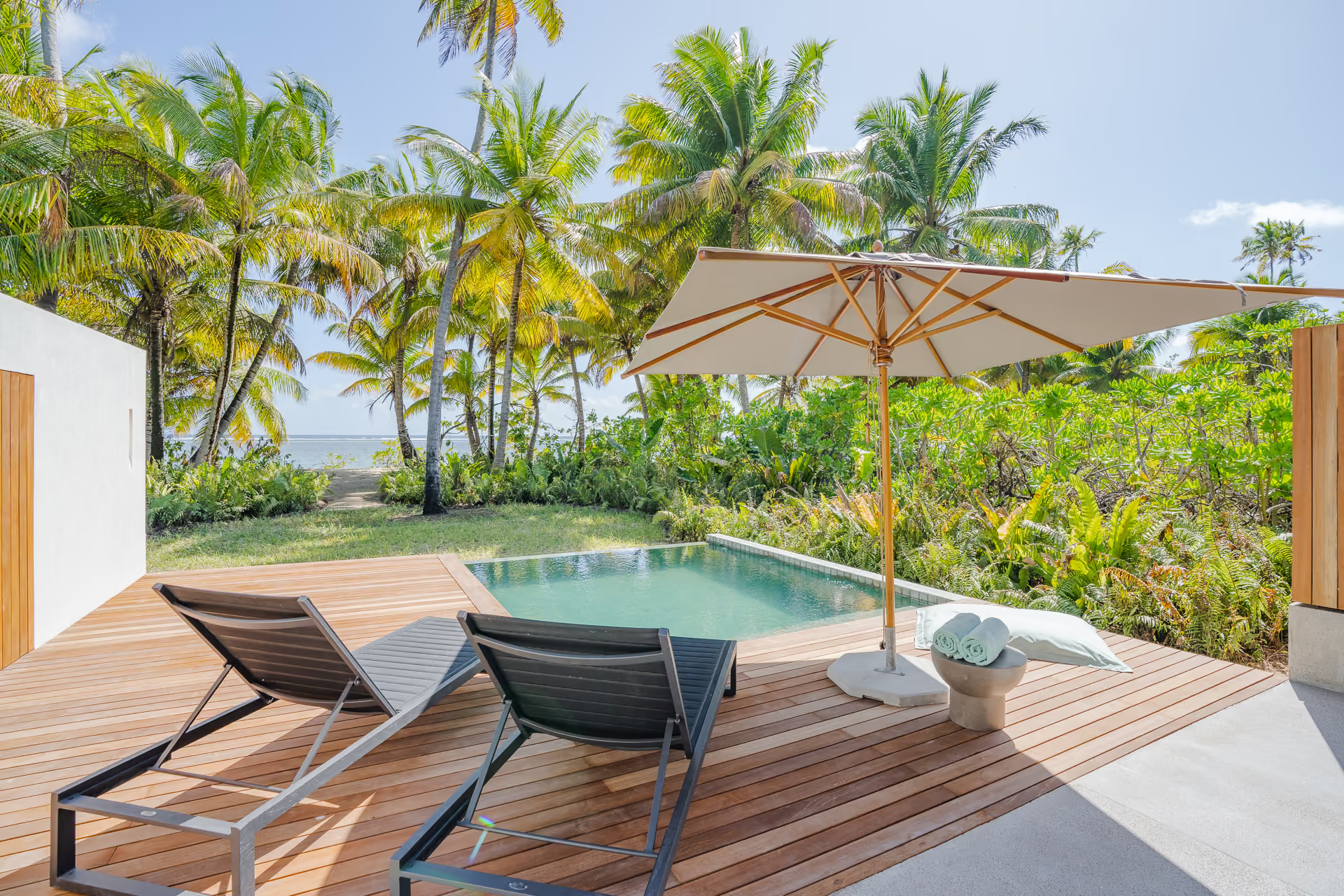
We arrange Seychelles as part of East and southern Africa safari combinations, as well as standalone island journeys. Whether you want an elegant beach retreat after Kenya, a remote Outer Island escape, or a slower honeymoon itinerary shaped around privacy and natural beauty, we can help design the right route.
Contact our team to start planning your Seychelles safari extension.
FAQS
Yes. Seychelles is one of the best post-safari island destinations, especially after Kenya, Uganda, or southern Africa. It offers a peaceful contrast to safari, with beaches, snorkelling, sailing, diving, island walks and time to properly rest.
Kenya and the Seychelles combine very naturally because the Seychelles connects directly with Nairobi. Many guests finish a safari in the Maasai Mara or another Kenyan region, then fly to the Seychelles for a relaxed beach extension.
Seychelles can be visited year-round, but the best time depends on what you want to do. April to May and October to November are often the calmest months for snorkelling, diving and sailing. May to September is excellent for many east coast beaches, while October to April can be calmer on western coasts.
First-time visitors often combine Mahé, Praslin and La Digue. Mahé is the main arrival island, Praslin is known for the Vallée de Mai and beautiful beaches, and La Digue offers a slower, bicycle-paced island experience.
Yes, especially if you value seclusion, marine wilderness and conservation. Islands and atolls such as Alphonse, Aldabra, Bird Island and Denis Island offer a wilder, more remote side of the Seychelles beyond the classic beach stay.
For a short safari beach extension, four to five nights works well. If you want to combine islands, include an Outer Island or fully settle into the slower pace after safari, seven to nine nights is ideal.