

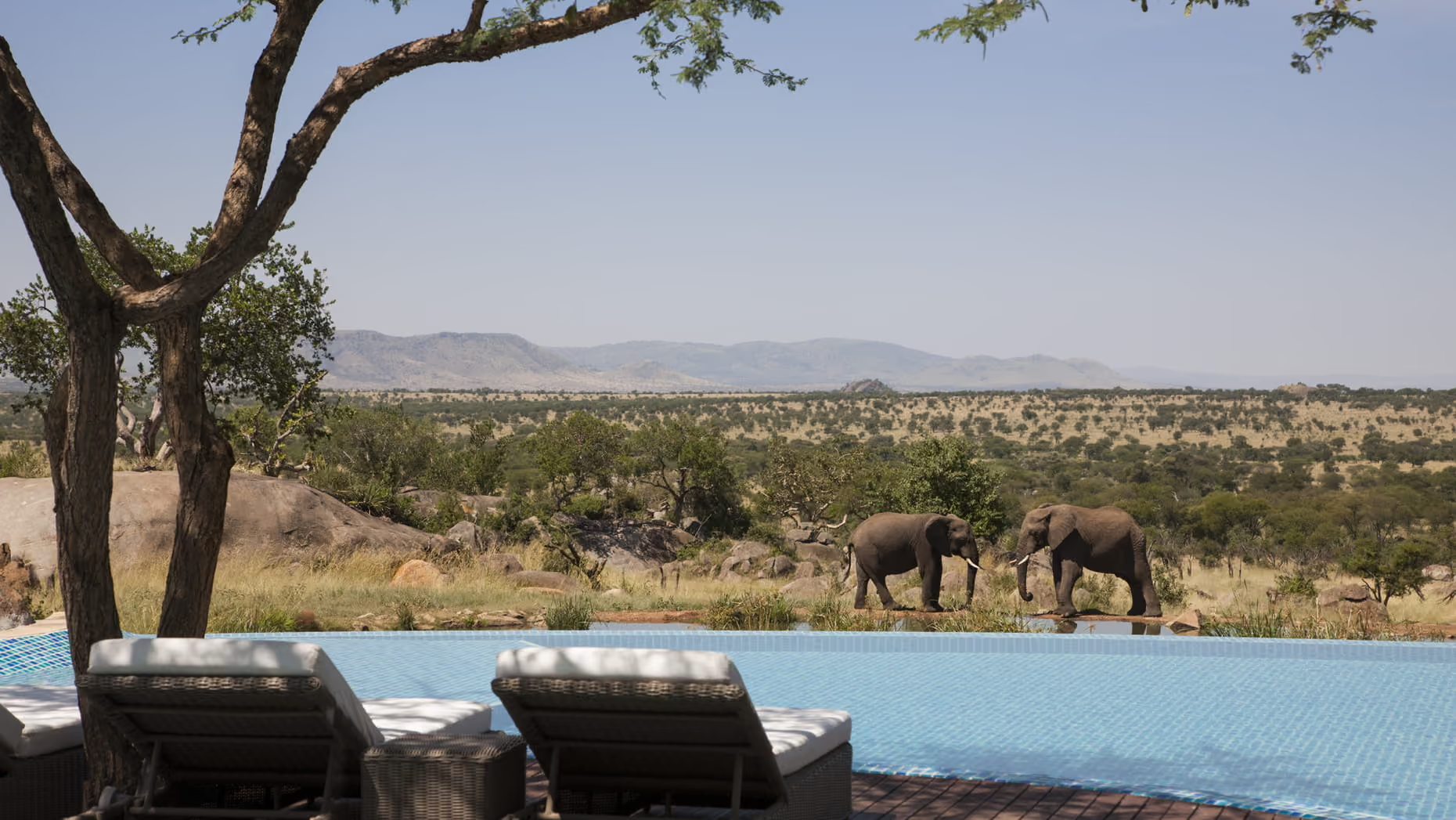
A Tanzania safari brings together some of Africa’s most iconic experiences: the vast plains of the Serengeti, the movement of the Great Migration, the wildlife-rich bowl of Ngorongoro Crater, the elephant herds of Tarangire, and the option to end your journey on the warm shores of Zanzibar.
The best time to visit depends on the story you want to follow: newborn calves on the southern Serengeti plains from January to March, dramatic river crossings in the northern Serengeti from July to October, or quieter, excellent-value safari conditions as the dry season begins in June.
Tanzania is the safari purist’s destination of choice: a country of staggering wildlife abundance, landscapes that shift from volcanic crater to Indian Ocean coast, and a bush experience that feels foundational to the idea of African travel itself.
The Serengeti alone would be enough to anchor Tanzania’s reputation as one of the greatest African safari destinations. But Tanzania offers far more than one iconic park. Knowing how to navigate its regions, seasons and safari circuits is the difference between a good safari and a truly unforgettable one.
The Serengeti: Africa’s Greatest Wildlife Stage
The Serengeti means “endless plain” in Maa, and the name fits. This is Tanzania’s great wildlife stage: vast grasslands, powerful lion prides, leopards in riverine trees and immense herds moving through the ecosystem.
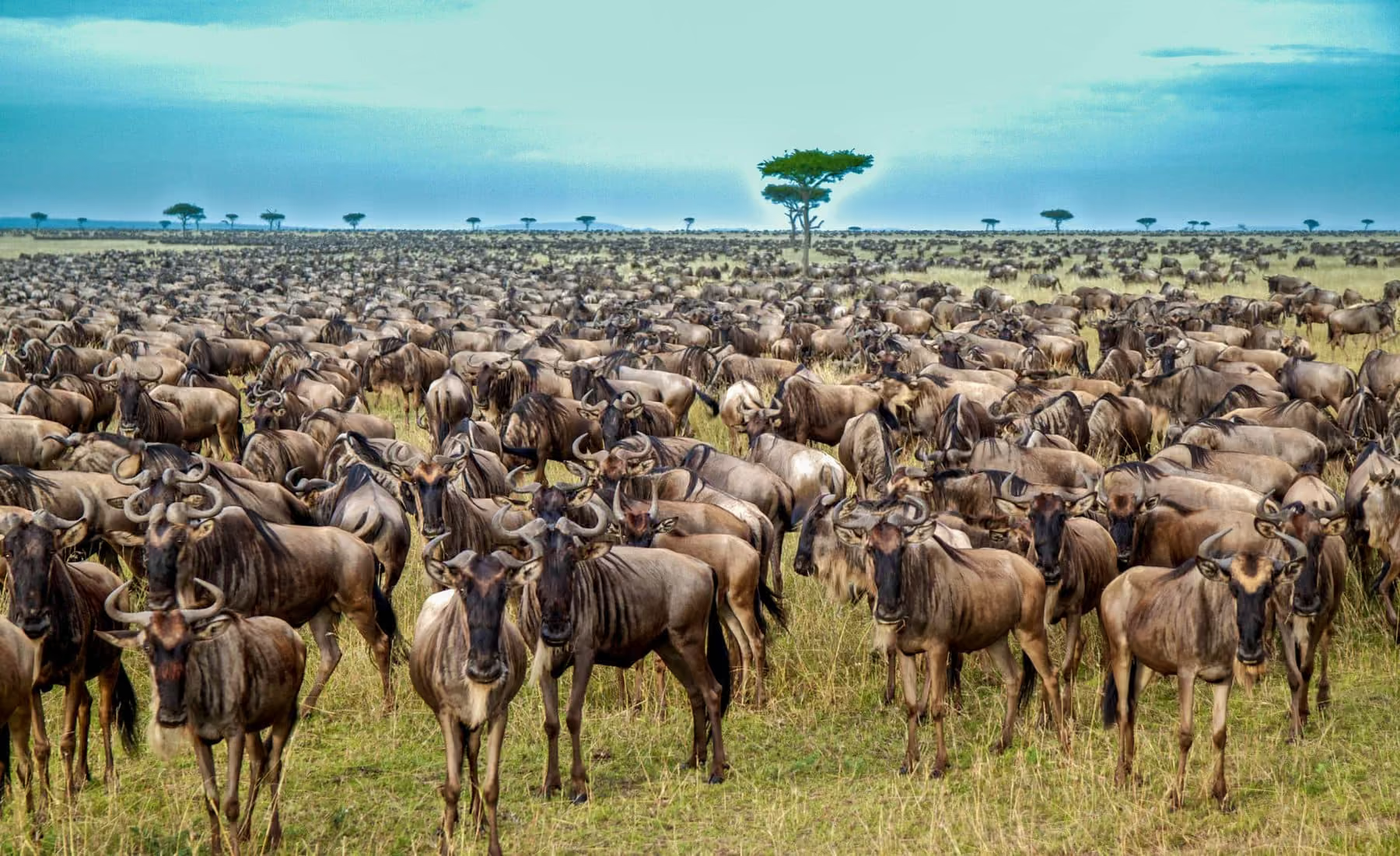
It is also the heart of the Great Migration. From January to March, the herds gather around Ndutu and the southern Serengeti for calving season, with February often the most dramatic month. From July to October, the focus shifts north to Kogatende, where Mara River crossings may unfold as the herds move towards Kenya.
“I structure Tanzania itineraries around the Migration whenever possible. Follow the herds north: start in Ndutu for the calving, move to the central Serengeti as the rains arrive, push north to Kogatende for the crossings. It’s following a story in real time. It never gets old.” - Brett Horley, BHS
Ngorongoro Crater: The Eighth Wonder
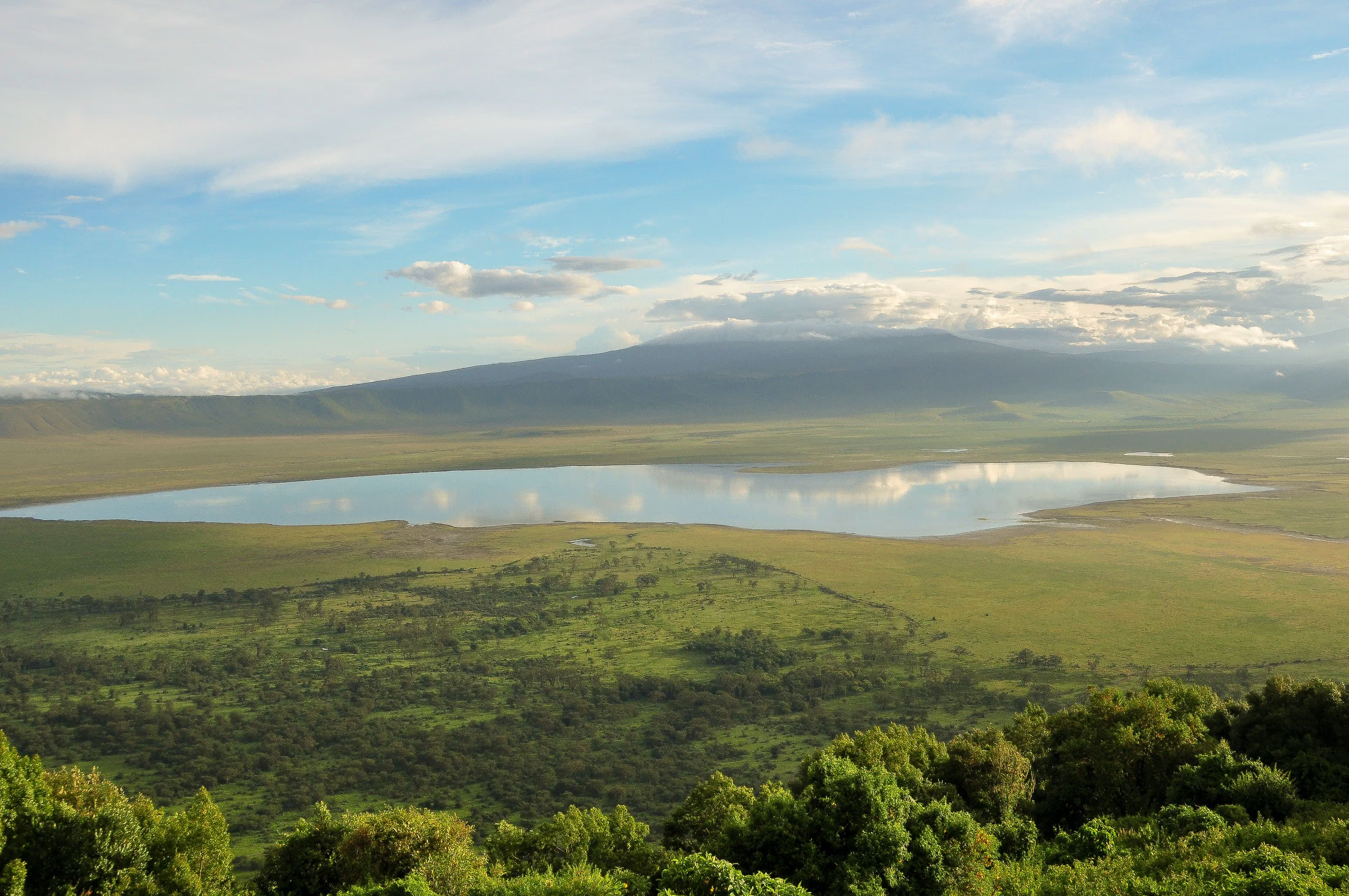
The Ngorongoro Crater is the world’s largest intact volcanic caldera: a 20-kilometre-wide, 600-metre-deep bowl holding one of Africa’s most concentrated wildlife experiences.
Game drives descend onto the crater floor at dawn, where you can see lion, elephant, buffalo, hyena, plains game and, with luck, endangered black rhino. The crater’s resident lion population is among the most studied in the world, and the scenery gives every sighting a cinematic quality.
The views from the rim are part of the experience: the crater opening below, Maasai pastoralists on the outer slopes and distant volcanic landscapes beyond. Ngorongoro combines naturally with a Serengeti safari and is often positioned at the beginning or end of a northern Tanzania circuit between Arusha and the national parks.
Tanzania’s Safari Regions: Northern Circuit and Beyond
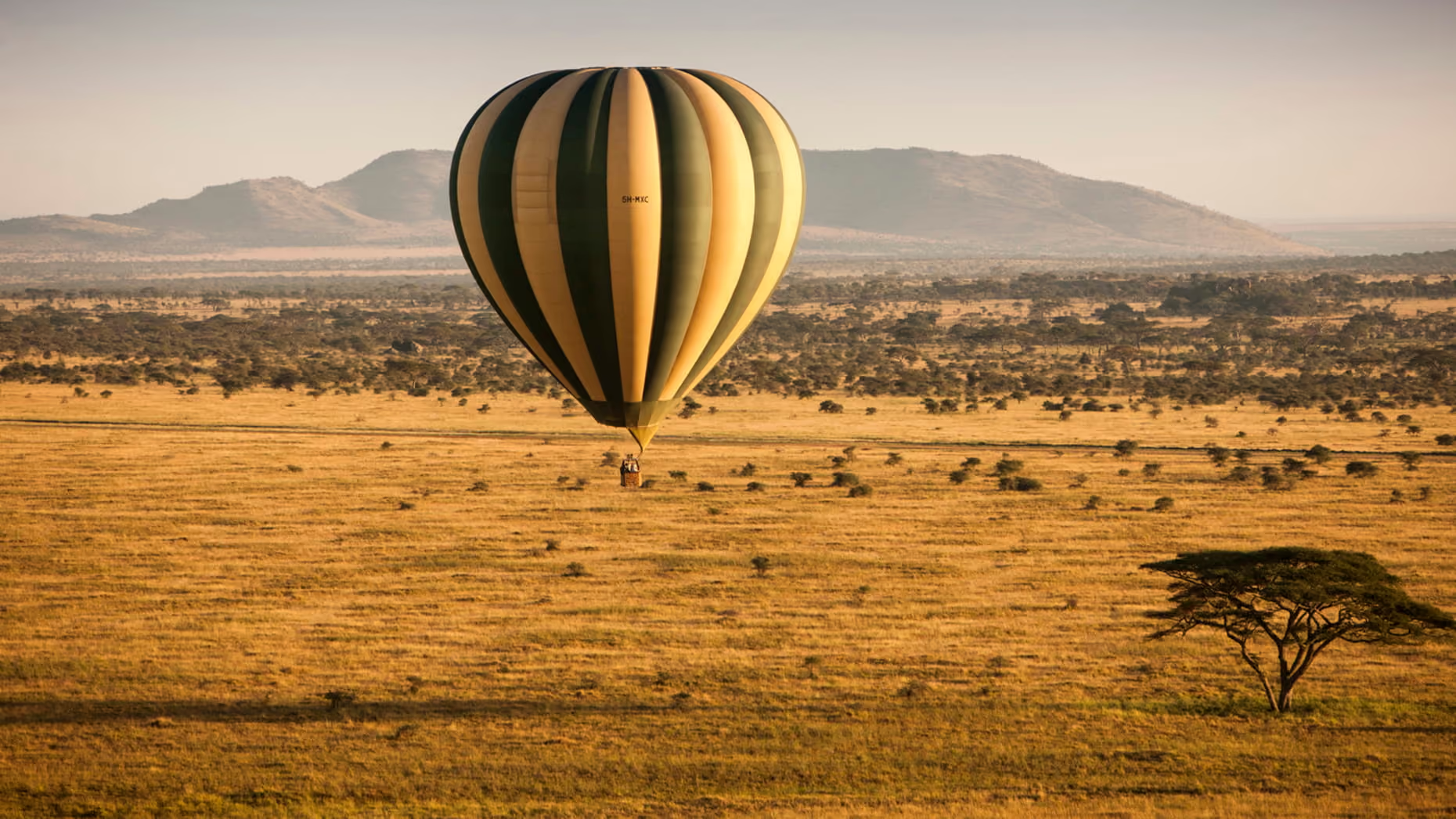
Tanzania’s Northern Circuit is the classic safari route and the focus of many BHS journeys. It brings together the country’s most popular safari areas, from the Ngorongoro highlands to the Serengeti plains and the baobab country of Tarangire.
For this kind of journey, the key areas are:
- Ngorongoro Crater: one of Africa’s most concentrated wildlife areas, with dramatic volcanic scenery.
- Ndutu and the Southern Serengeti: best for the Great Migration’s calving season from January to March.
- Seronera Valley / Central Serengeti: excellent for year-round predator sightings and classic Serengeti landscapes.
- Northern Serengeti and Lamai: key areas for river-crossing season from July to October.
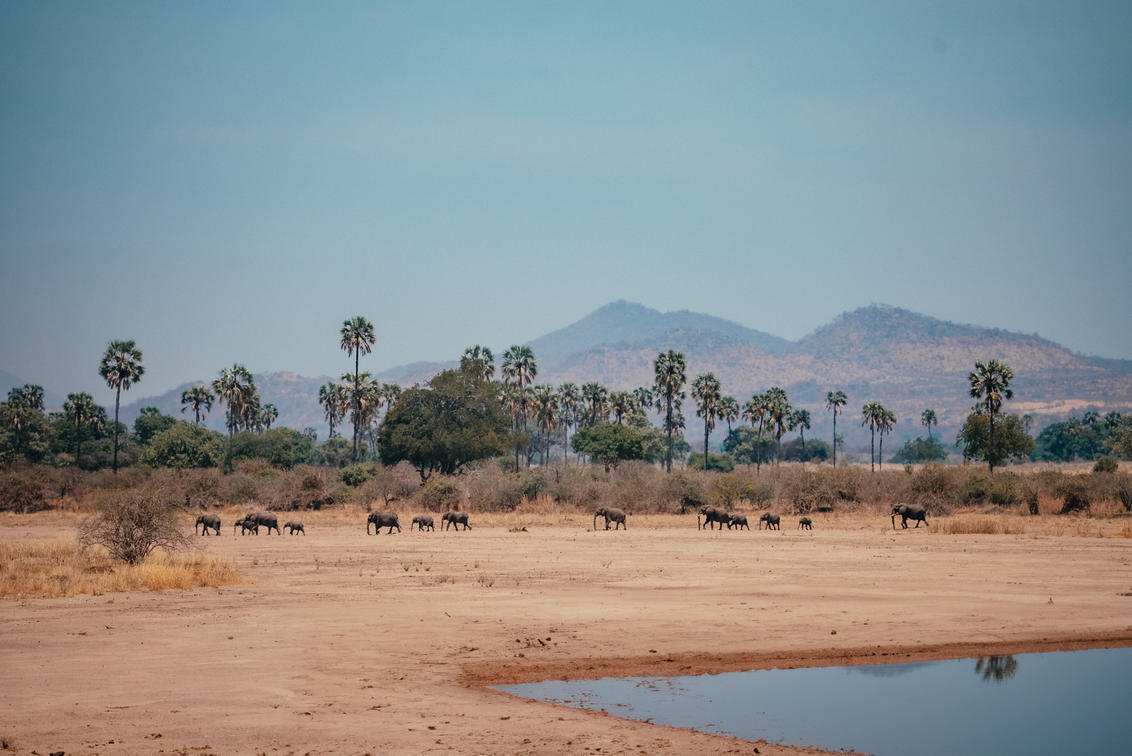
- Tarangire National Park: known for elephant herds, ancient baobabs and dry-country wildlife.
- Zanzibar: the ideal Indian Ocean finale after time in the bush.
Beyond the northern route, Tanzania’s Southern Circuit offers a quieter, more remote safari experience in parks such as Ruaha, Nyerere and Katavi. These areas are vast, wild and lower in visitor numbers, making them better suited to a separate Tanzania safari if you want a more off-the-beaten-track journey.
Zanzibar: The Spice Island Finale
A Tanzania safari pairs beautifully with Zanzibar. After days of early starts, game drives and dust on your boots, the Indian Ocean offers a natural change of pace.
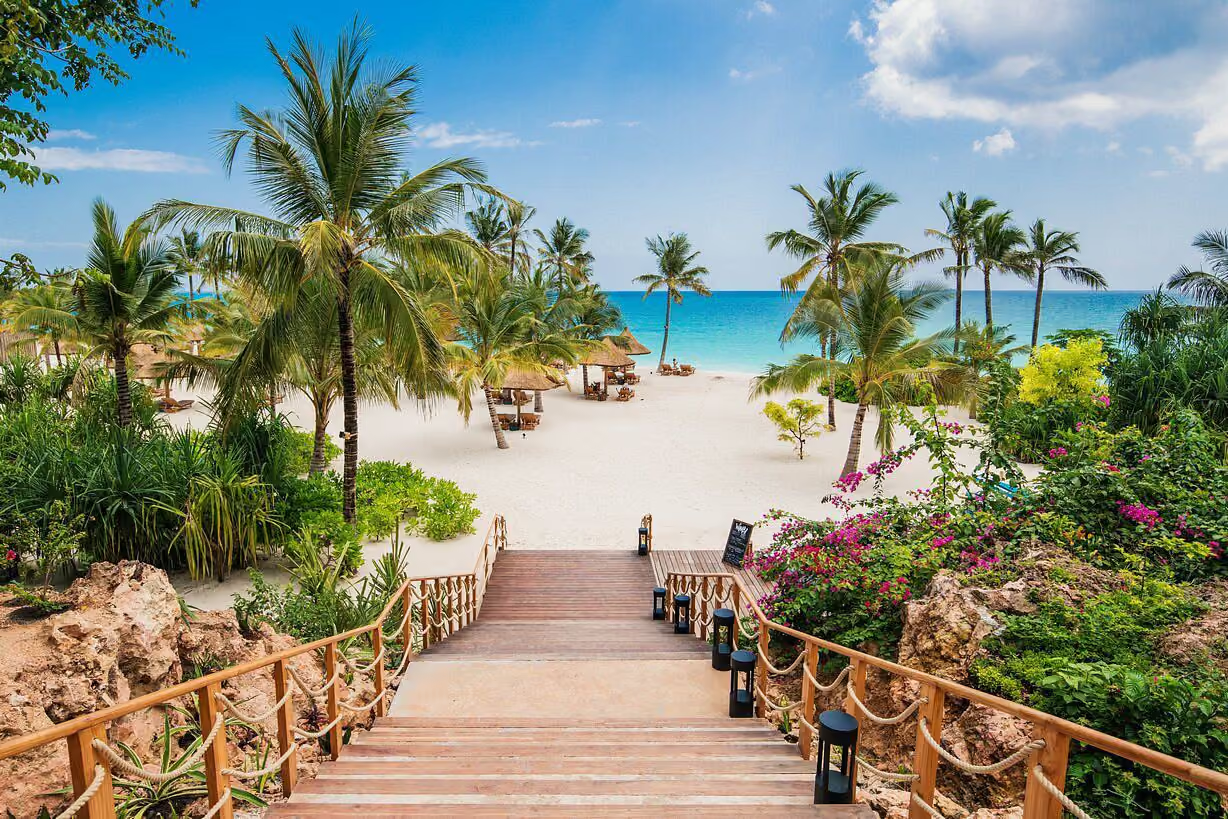
Stone Town brings culture and history, with Omani Arab architecture, spice markets and rooftop sunset views. The beaches of the north and east coast, including Nungwi, Kendwa and Paje, offer white sand, warm water and a relaxed island rhythm.
Adding Zanzibar turns a Tanzania safari into a complete beach-and-bush safari: wildlife first, then the coast.
When Is the Best Time to Visit Tanzania?
The best time for a Tanzania safari depends on what you want to experience.
January to March is best for the southern Serengeti calving season, with February often the highlight. This is when vast numbers of wildebeest calves are born, and predator activity can be intense.
June is a strong shoulder-season month, with good value and excellent safari conditions as the dry season begins.
July to October is peak safari season, when the weather is dry, and the Migration is often in the northern Serengeti. This is the best period if you want the chance of Mara River crossings.
Tanzania can be visited year-round, but your itinerary should be built around the season, the region and the wildlife story you most want to follow.
Plan Your Tanzania Safari
BHS designs Tanzania safaris around the rhythm of the land: the movement of the Migration, the changing wildlife seasons, and the natural balance between time in the bush and time by the Indian Ocean. Whether you’re drawn to the drama of calving season, the open plains of the Serengeti, the remarkable wildlife density of Ngorongoro, or a soft landing on Zanzibar, we’ll shape your journey around the right places at the right time.
To begin planning your Tanzania safari, contact hello@bhs-safari.co.
FAQS
For a first Tanzania safari, the Northern Circuit is usually the best route. It combines Ngorongoro Crater, the Serengeti, Ndutu or the southern Serengeti, Tarangire, and, if time allows, Zanzibar for a beach finale.
The best time depends on which part of the Great Migration you want to experience. Visit from January to March for calving season around Ndutu and the southern Serengeti, or from July to October for the northern Serengeti and possible Mara River crossings.
The Serengeti and Ngorongoro Crater offer very different safari experiences, so many well-planned Tanzania itineraries include both. The Serengeti gives you vast plains, predators, and Migration movement, while Ngorongoro offers concentrated wildlife inside a dramatic volcanic caldera.
Yes. Tarangire National Park is a valuable addition to a Tanzania safari, especially if you love elephants, baobabs and dry-country wildlife. It adds a quieter, contrasting landscape to the Serengeti and Ngorongoro.
Yes. Tanzania and Zanzibar combine beautifully for a beach-and-bush safari. After the Serengeti, Ngorongoro, or Tarangire, Zanzibar offers warm Indian Ocean water, Stone Town, spice markets, white-sand beaches, and time to slow down.
For a well-paced Tanzania safari, allow at least 7 to 10 days for the Northern Circuit, including areas BHS often works with, such as Ngorongoro Crater, Ndutu, the Serengeti and Tarangire National Park. If you want to add Zanzibar for a beach finale, 10 to 14 days gives the journey a more relaxed rhythm.