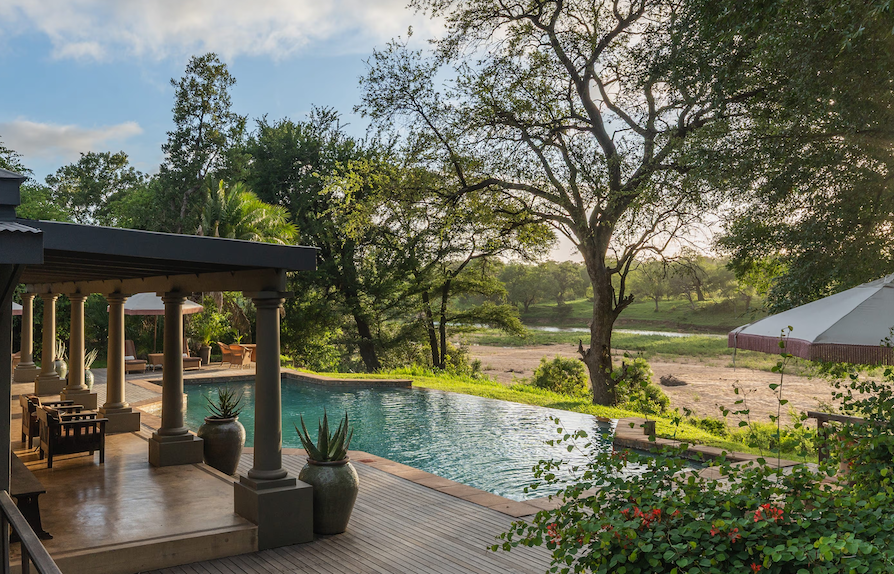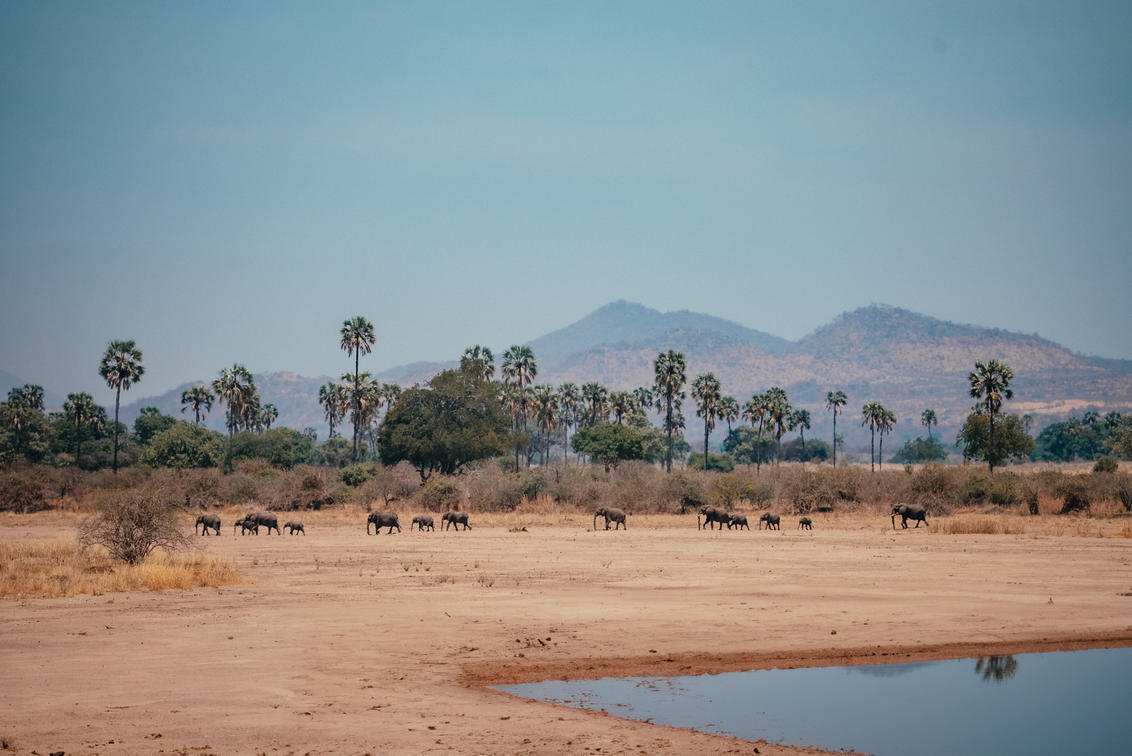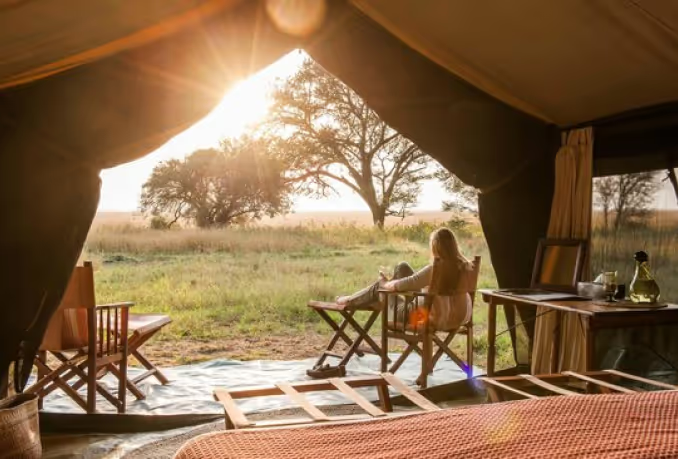


When most people think of safari, they picture dust, golden light, and wildlife moving through open landscapes.
Malawi offers something entirely different.
Here, the safari doesn’t end when you leave the bush. It simply slips beneath the surface.
Lake Malawi, often called The Lake of Stars, is one of the most unique freshwater ecosystems in the world, home to more fish species than any other lake on earth.
And for those willing to step into the water, it reveals an entirely new kind of wilderness.
Why Lake Malawi Is Unlike Anywhere Else
Lake Malawi isn’t just beautiful, it’s biologically extraordinary.
Lake Malawi holds more fish species than any other lake on Earth, many of them found nowhere else.
But statistics don’t really explain it.
What makes this place special is how accessible it all is.
- You don’t need a boat.
- You don’t need deep dives.
- You don’t even need experience.
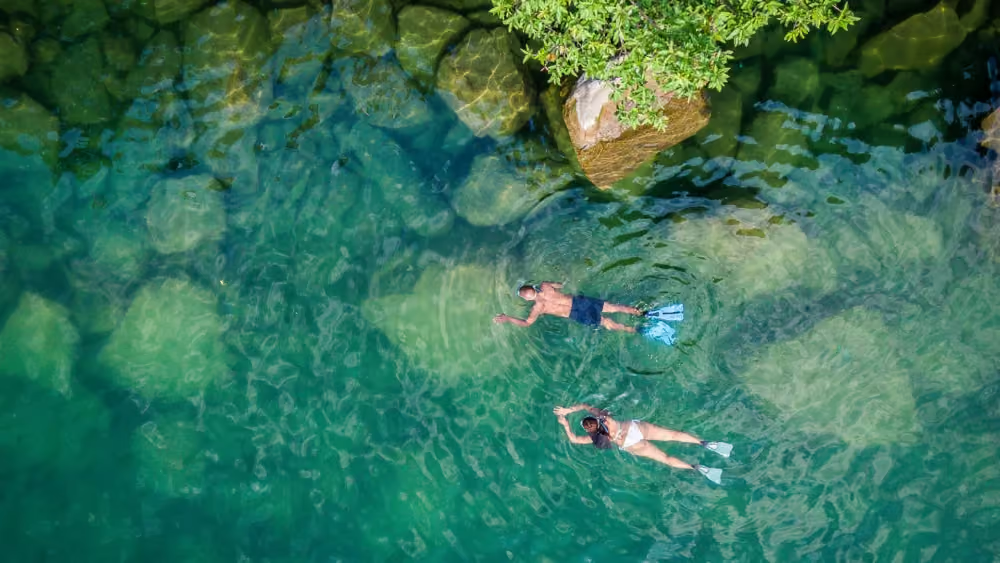
You can walk straight off the beach… and within minutes, you’re floating above a world of colour.

What You’ll See Underwater
Snorkelling in Lake Malawi is all about cichlids, small, vibrant fish that have evolved into hundreds of unique species.
- Electric blues, yellows, and deep reds
- Fish that dart, hover, and gather in shimmering clouds
- Rocky reef systems alive with movement
Unlike ocean snorkelling, there’s no surge, no swell, no salt, just calm, freshwater clarity.
- It feels still.
- Controlled.
- Almost meditative.
And then suddenly, everything moves at once.
The Best Snorkelling & Diving Spots in Lake Malawi
Likoma Island
Best overall experience
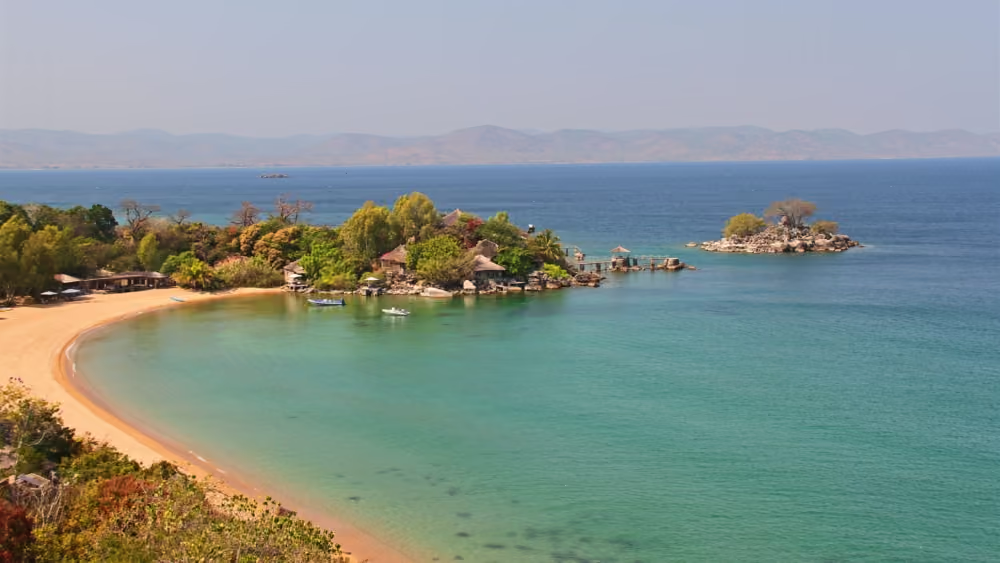
If there’s one place that captures the magic of Lake Malawi, it’s Likoma Island.
Granite boulders spill into the lake, creating natural underwater structures that attract dense fish populations. Visibility is often excellent, and the entry points are easy.
From Kaya Mawa, you can snorkel directly from the beach, no effort, no planning, just curiosity.
Beyond the water, Likoma adds another layer:
- Quiet village life
- Sandy coves and baobab trees
- A slower, more human rhythm
It’s not just about what you see underwater, it’s how the whole place feels.

Nankumba Peninsula (Lake Malawi National Park)
Best for variety and accessibility
This is where many BHS itineraries are thoughtfully based, and for good reason.
Protected as part of Lake Malawi National Park, the area offers:
- Rocky coves with thriving fish populations
- Calm, sheltered bays
- Easy access from lodges like Pumulani
Here, you can mix snorkelling with:
- Kayaking along the shoreline
- Sailing on traditional dhows
- Lazy afternoons between water and shade
It’s ideal for travellers who want both activity and ease.
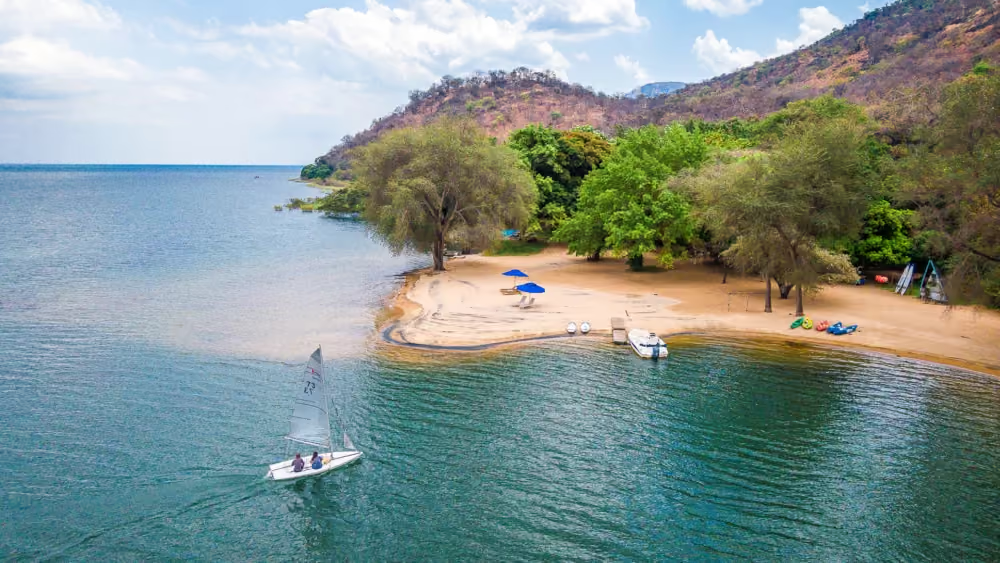
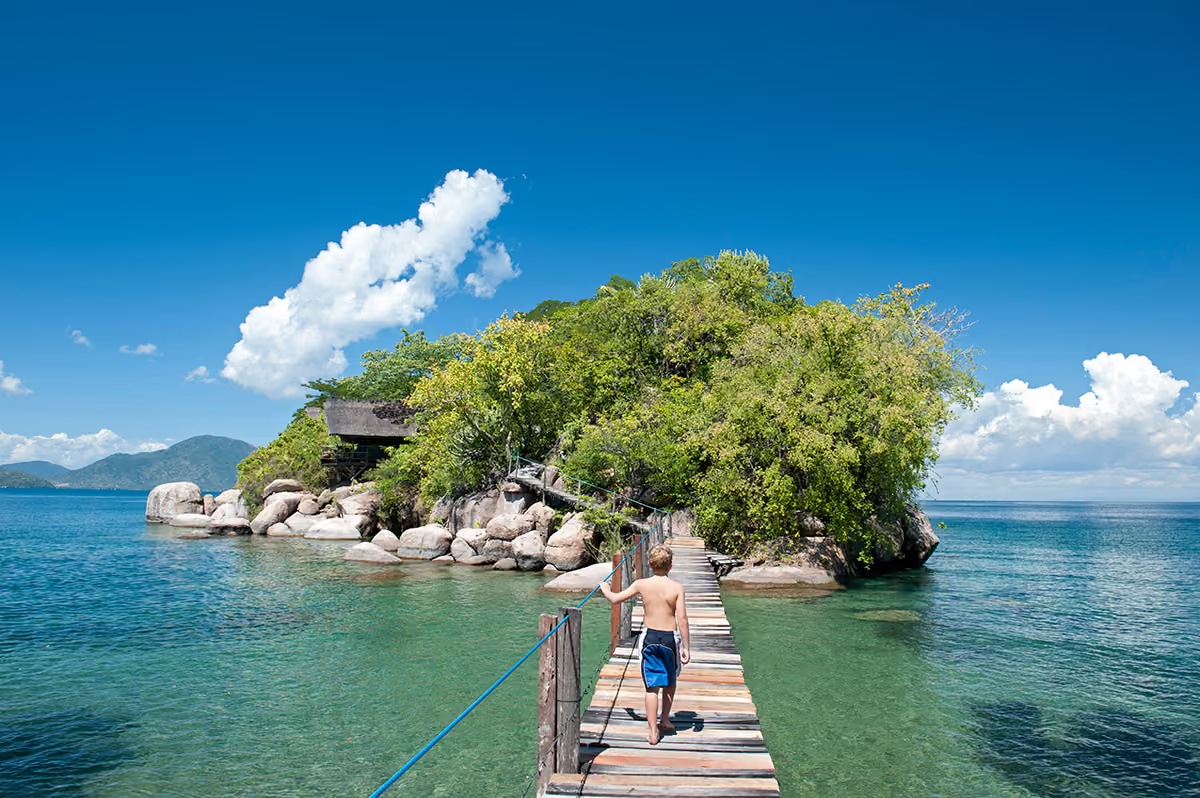
Mumbo & Domwe Islands
Best for remote, untouched snorkelling
For something more off-grid, Mumbo Island is a hidden gem.
- No roads, no crowds
- Crystal-clear water
- Some of the most pristine snorkelling in the lake
The reefs here feel untouched. Fish are abundant, and the sense of isolation adds something rare, you’re not just observing nature, you’re immersed in it.
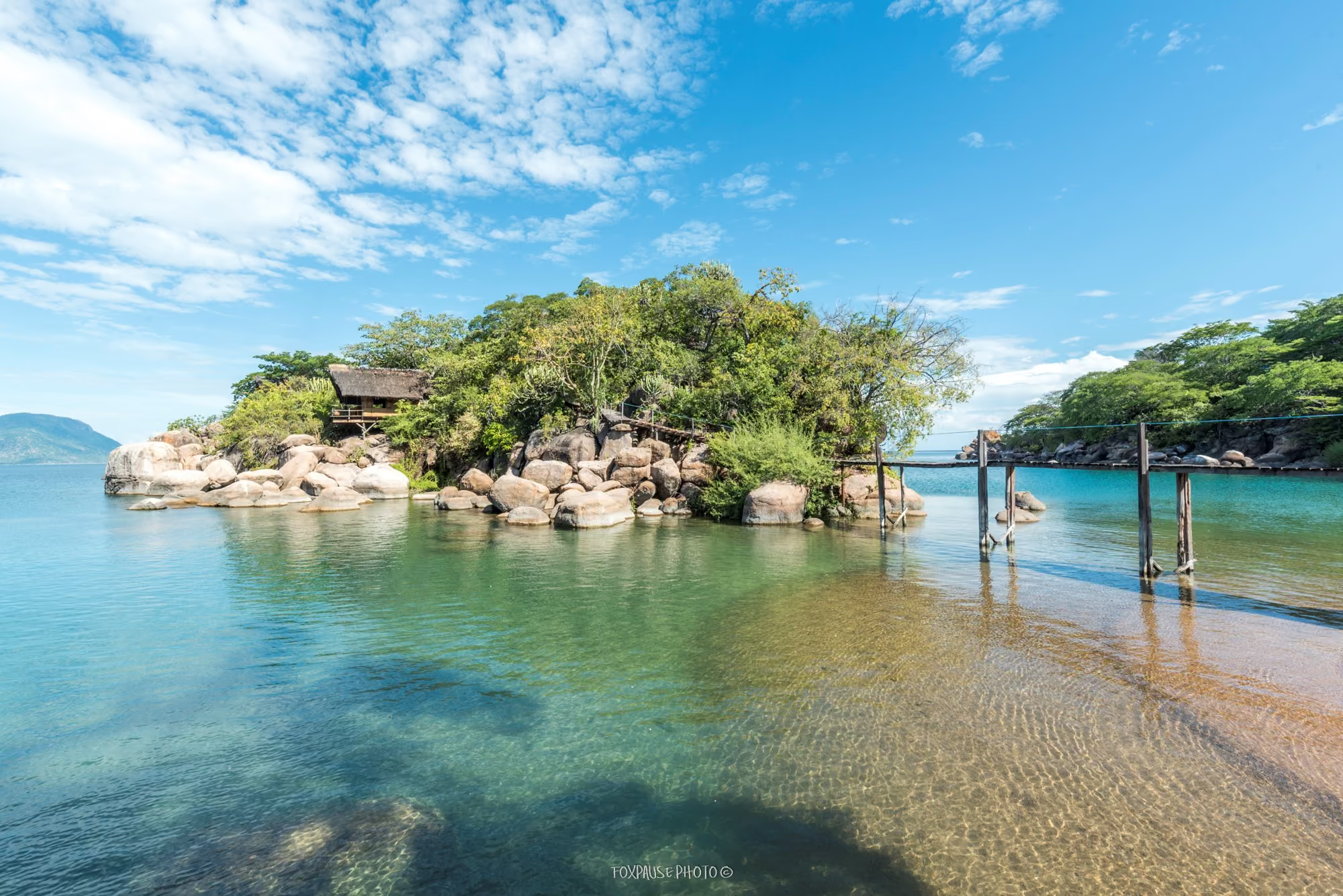
Cape Maclear
Best for relaxed, social exploration
Cape Maclear has a more laid-back, lively feel, a mix of travellers, locals, and lakeside life.
Snorkelling here is still excellent, especially around:
- Thumbi Island
- Otter Point
It’s a great option for:
- Easy day snorkelling trips
- Paddle-out exploration
- Combining culture with time in the water
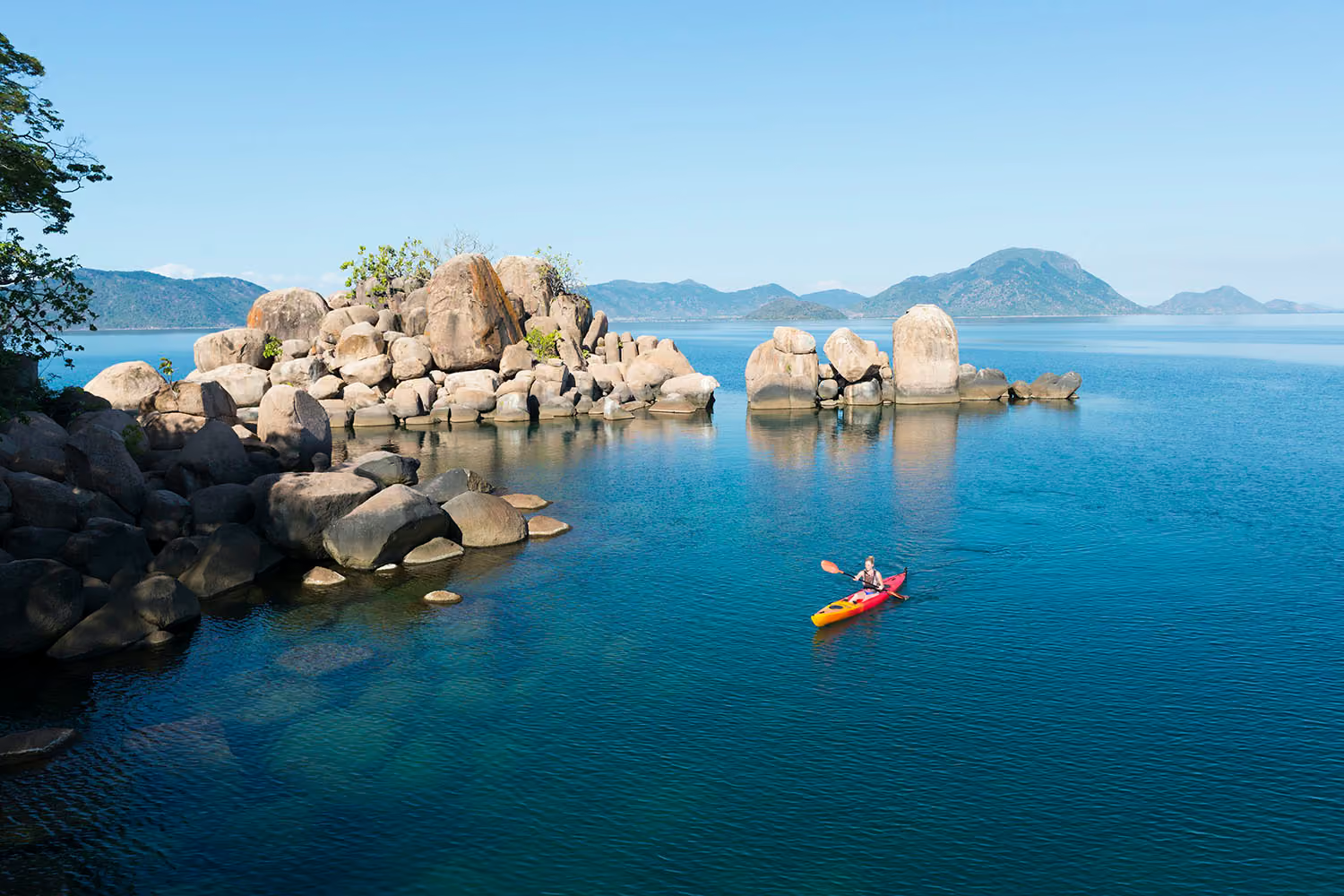
Nkhata Bay (Northern Lake)
Best for diving & deeper exploration
Further north, Nkhata Bay offers some of the best diving in Lake Malawi.
- Deeper water and drop-offs
- More advanced dive sites
- Fewer visitors
This is where you start to see a different side of the lake, less about shallow colour, more about depth and structure.
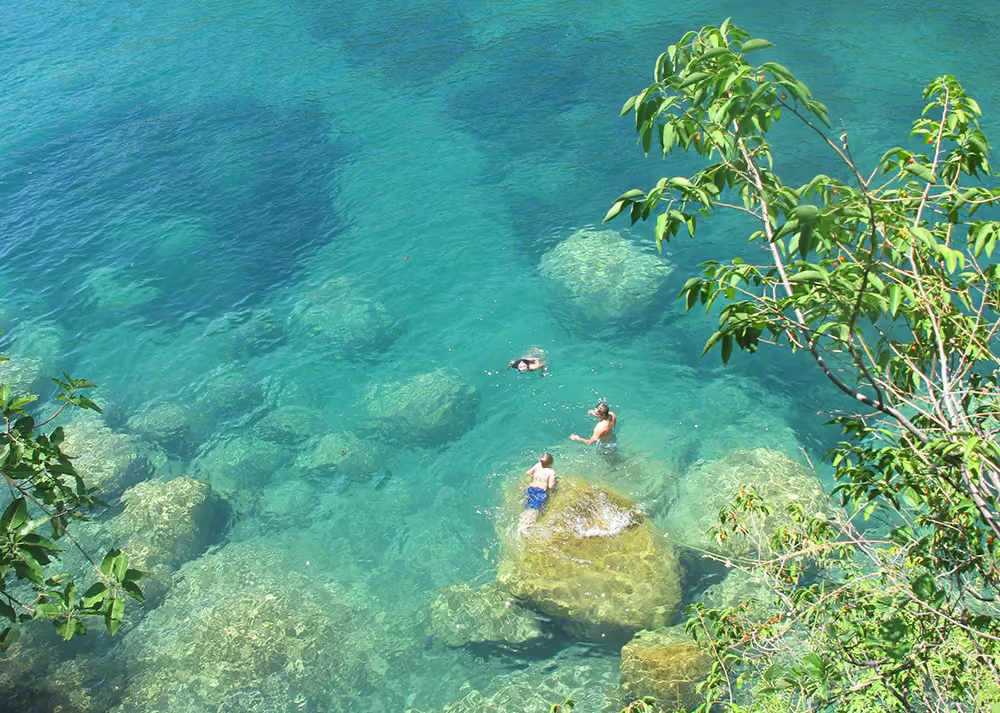
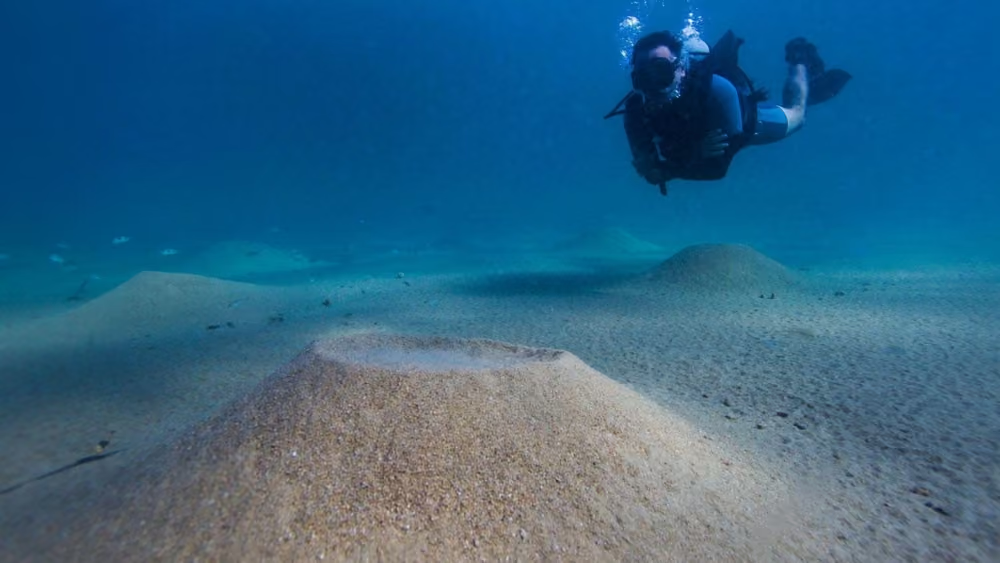
Diving in Lake Malawi
While snorkelling is the headline, diving adds another layer.
It’s not about dramatic reefs or big marine life like the ocean. Instead, it’s:
- Quiet
- Clear
- Surprisingly intricate
Expect:
- Rock formations and underwater ridges
- Schools of cichlids moving in patterns
- A sense of complete stillness
At lodges like Pumulani, diving can be arranged alongside other water-based activities, making it an easy addition to your stay.
What a Day Looks Like on the Lake
This is where Malawi really stands apart.
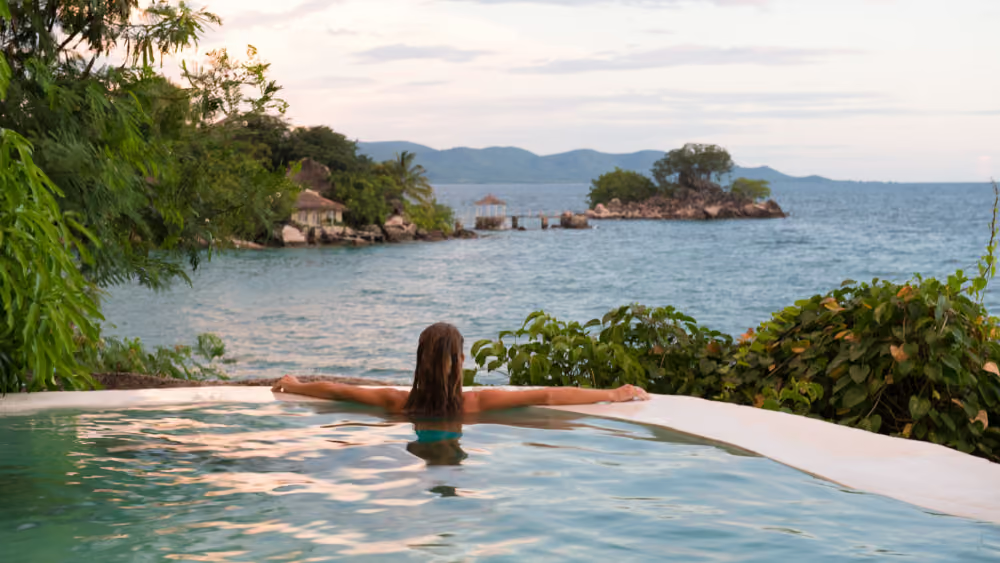
You might start the morning in the water, snorkelling while the light is still soft and the lake is completely still.
By midday, you’re back at camp:
- Lunch under shade
- A swim in the pool
- Watching the lake change colour as the sun shifts
Afternoons can be as active or slow as you want:
- Kayak along the shoreline
- Sail on a dhow
- Or simply sit and do nothing
And then sunset comes.
The lake turns gold.
Fishermen head out with lanterns.
And everything quietens again.
Why It Works So Well With Safari
Malawi is one of the few places where this combination feels completely natural.
You move through:
- Majete - Big Five conservation success story
- Liwonde - river safaris, elephants, birdlife
- Lake Malawi - stillness, water, colour
It’s not a contrast that just works.
It flows.
From tracking animals on land…to floating above life underwater.
If you want a full breakdown of how a journey like this comes together, explore our Malawi guide here:
When to Go
Lake Malawi is a year-round destination, but conditions shift slightly depending on what you’re looking for.
May – October (Dry Season)
Clearer water and excellent visibility make this the best time for snorkelling and diving. Days are warm, evenings cooler, and the lake is often calm.
November – April (Green Season)
Warmer water and softer, more atmospheric light. Occasional rain brings dramatic skies and fewer travellers, with great conditions for relaxed time on the lake.
What to Know Before You Go
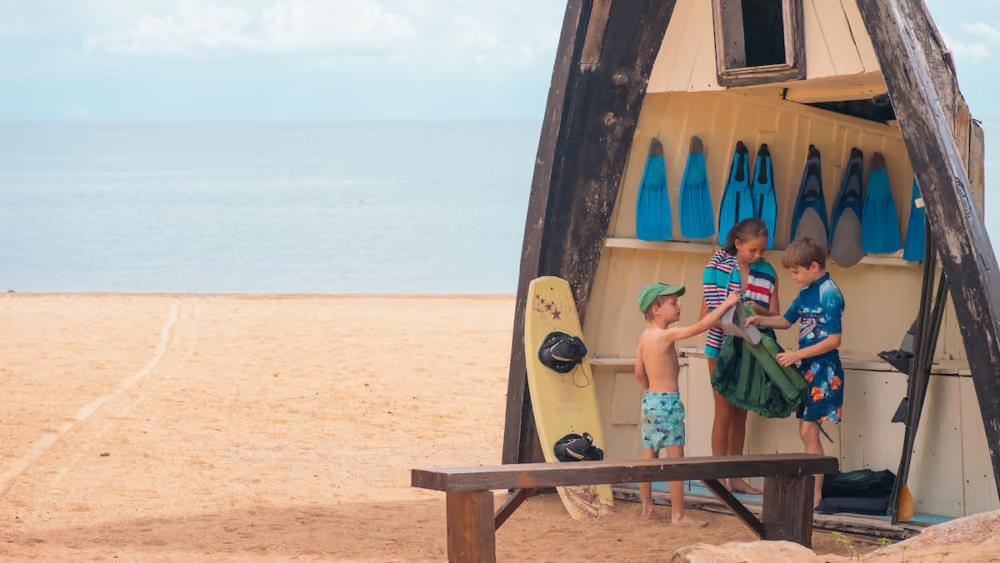
Snorkelling in Lake Malawi is incredibly accessible, but a few things make the experience even better:
- Easy entry: Many of the best spots are directly accessible from the beach
- Freshwater swimming: No salt, no strong currents, ideal for all levels
- Guided options available: Lodges can arrange snorkelling trips, equipment, and diving excursions
- Combine with safari: The lake pairs naturally with Majete and Liwonde for a well-rounded Malawi journey
Plan Your Malawi Journey
Malawi is for travellers who value depth over pace.
From wildlife encounters in Majete and Liwonde to the calm, clear waters of Lake Malawi, each part of the journey flows into the next, safari on land, exploration beneath the surface.
At BHS, we tailor every itinerary to balance both.
Start planning your Malawi safari and lake escape today, and discover a place where the experience doesn’t end at the shoreline, it continues underwater.
FAQS
Yes. Lake Malawi is one of the world’s best freshwater snorkelling destinations, with calm water, clear visibility and hundreds of colourful cichlid species. You can often snorkel straight from the beach, making it easy even if you are a beginner.
When snorkelling in Lake Malawi, you can see vibrant cichlids in blues, yellows and reds, along with rocky reef systems and clear freshwater habitats. Many of these fish are endemic, which means they are found nowhere else on Earth.
Some of the best places for Lake Malawi snorkelling include Likoma Island, the Nankumba Peninsula, Mumbo Island, Domwe Island and Cape Maclear. These areas offer clear water, rocky coves, colourful fish and easy access from lodges or beaches.
Yes. Diving in Lake Malawi is worth it if you enjoy calm freshwater, rock formations, underwater ridges, and quiet, detailed marine life. Snorkelling is often enough for many guests, but diving adds more depth and time beneath the surface.
The best time for snorkelling and diving in Lake Malawi is usually May to October, when visibility is clearer and conditions are comfortable. November to April brings warmer water, softer light, dramatic skies and a quieter atmosphere.
Yes. Lake Malawi combines beautifully with a Malawi safari in Majete and Liwonde. You can move from Big Five conservation areas and river safaris to calm freshwater, kayaking, snorkelling, and slow lakeside days.