

Why Choose a Southern Tanzania Safari?
Tanzania's north has a way of dominating the safari conversation. The Serengeti, Ngorongoro Crater and Tarangire are extraordinary places, and their reputation is well earned. But they are not the whole story.
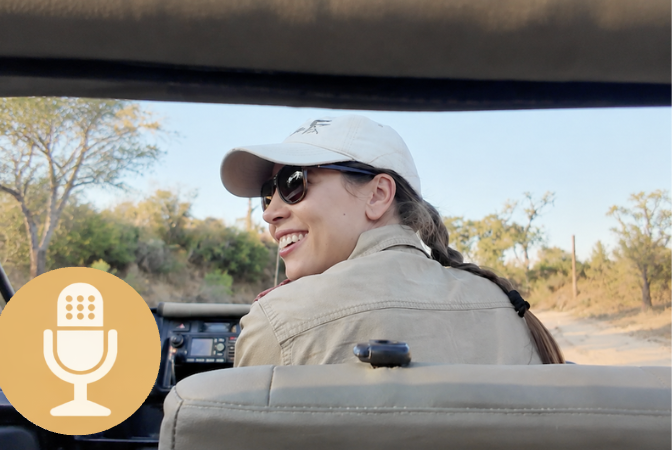
As Jo puts it: “But what loads of people don't realize is how much is on offer in southern Tanzania.”
Travel south and the mood changes. The distances feel greater, the roads quieter and the days less prescribed. There is still superb wildlife to be found, but there is often more time to stay, watch and understand what is happening rather than moving on to the next sighting.
For travellers who value space as much as spectacle, southern Tanzania can feel like a wonderful discovery. Explore Tanzania and it quickly becomes clear that the celebrated northern circuit is only part of the country’s safari story.
Why Look Beyond Tanzania's Northern Circuit?
Choosing the south is not about dismissing the better-known northern circuit. It is about recognising that Tanzania can offer two very different kinds of safari.
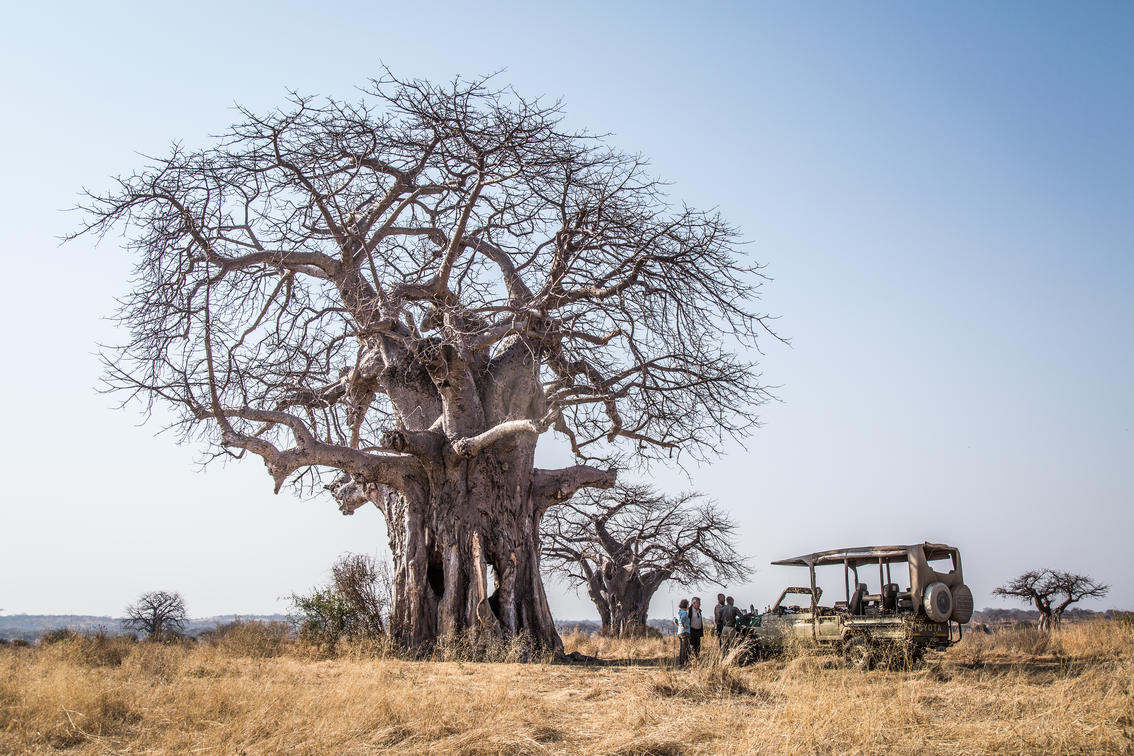
In the south, there are fewer vehicles and less pressure to follow a familiar route. A morning can begin with a plan and then change completely because of fresh tracks on the road, an alarm call from the bush or a herd moving towards water.
That freedom is one of the region's great pleasures. It leaves space for curiosity, for good guiding and for the small observations that often become the moments you remember most clearly.
A Quieter Side of the Serengeti
Although the Serengeti is sometimes associated with busy sightings, a thoughtfully planned safari can reveal a quieter side. Our BHS guests Donald and Michael experienced exactly this during their recent nine-night journey through Tanzania:
“Surprisingly, it was not crowded in the park. For several of our sightings, we were the only jeep there. We watched three young lion siblings frolic in the grass with nobody else around.” - Donald & Michael
One of their most memorable encounters unfolded unexpectedly at the Mara River:
“The highlight of many highlights was when we went to the Mara River to look at hippos. We were alone when a herd of wildebeest and zebra appeared out of nowhere and started to cross the river.”
They described the Serengeti as spectacular, with landscapes that are indescribably beautiful even without animals in view. Their experience is a lovely reminder that the northern circuit can still offer wonderfully private, unplanned moments.
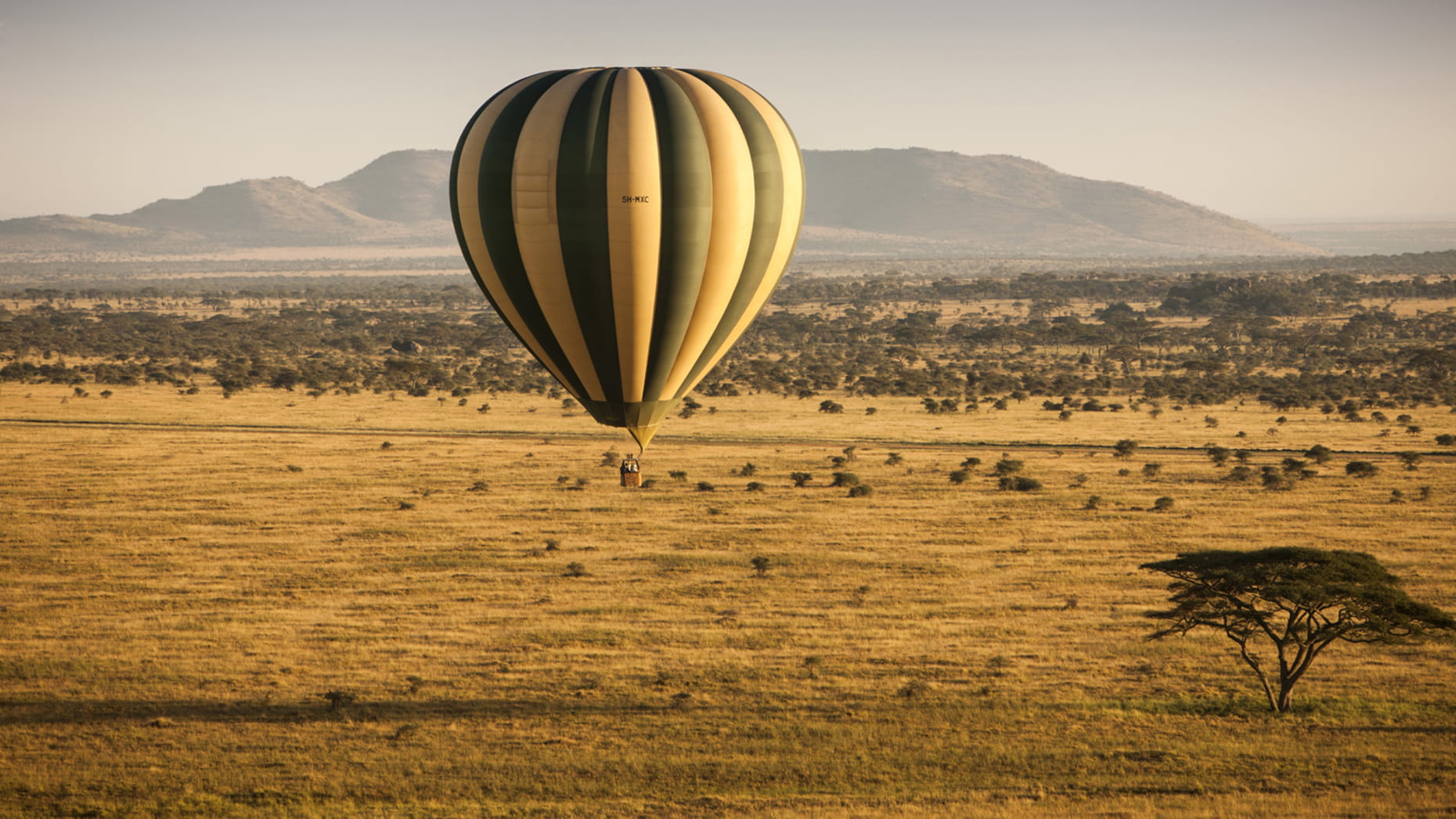
Southern Tanzania: Letting the Day Unfold
Southern Tanzania is a place of broad, varied landscapes: river systems, woodland, floodplains and open country. Yet its appeal is not tied to one view or one headline sighting. It lies in the way the day unfolds.
A good guide may pause over a track, listen for a distant call or change direction because the bush is offering a clue. Without a line of vehicles dictating the pace, there is time to follow that instinct. You begin to see how animals use shade and water, how the landscape shifts and how one piece of behaviour leads to the next.
The wildlife is, of course, the reason for being there. But the hours between the dramatic encounters matter too. They give the safari texture, and they allow the destination to reveal itself gradually.
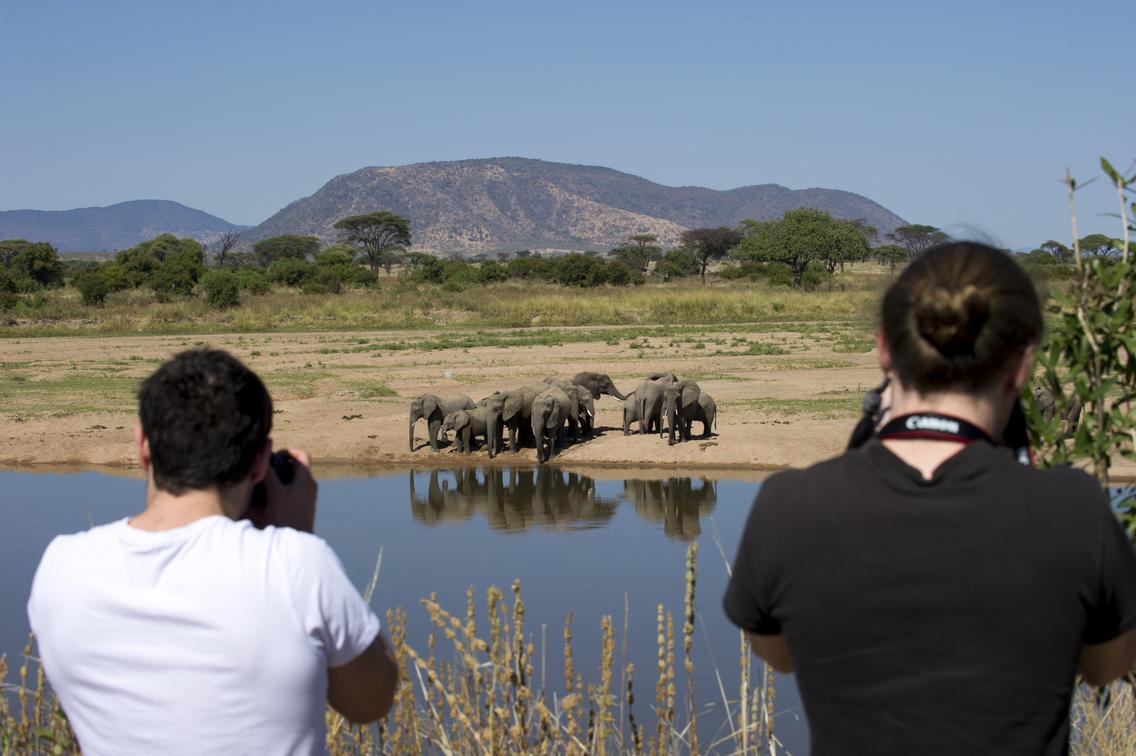
What Fewer Vehicles Really Mean
“Fewer crowds” is an easy phrase to use in safari writing. On the ground, it means something quite specific.
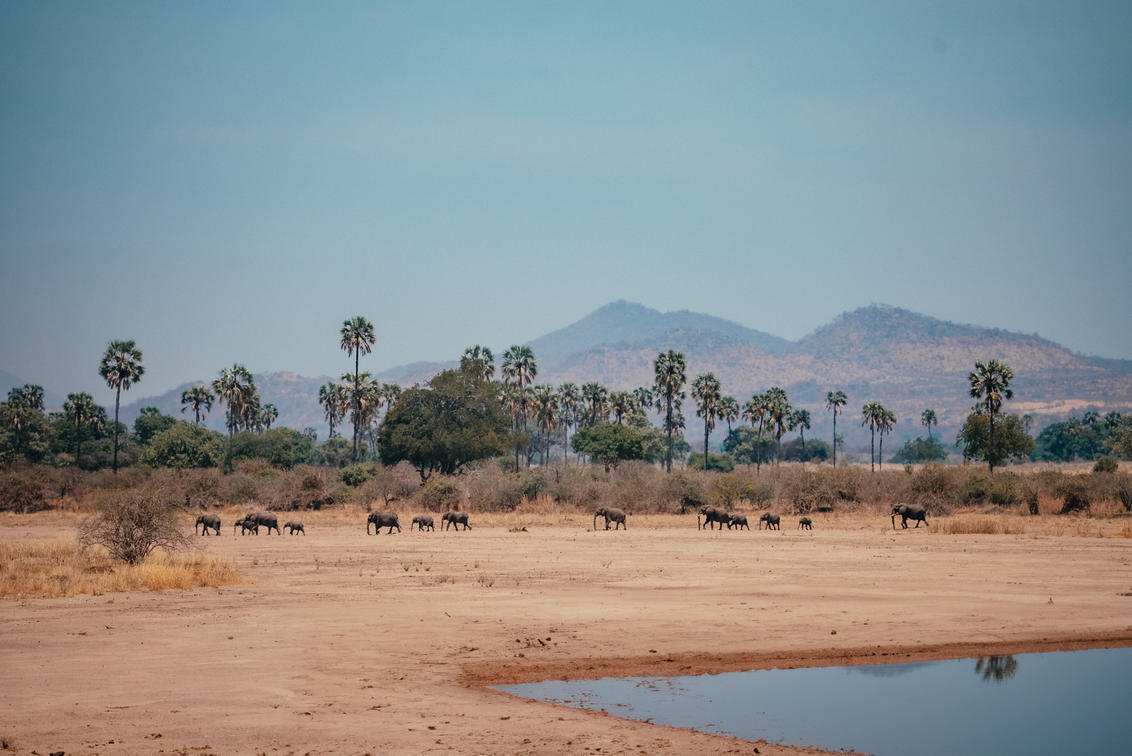
It may mean hearing the alarm call that alerted your guide. It may mean staying with an elephant herd as it moves slowly towards water, without feeling that another vehicle is waiting for your place. It may simply mean sitting quietly and allowing an animal to settle into its natural behaviour.
The best safaris are rarely a constant procession of dramatic sightings. They are made up of patience, attention and the freedom to let a morning take its own course. Southern Tanzania offers that freedom in abundance.
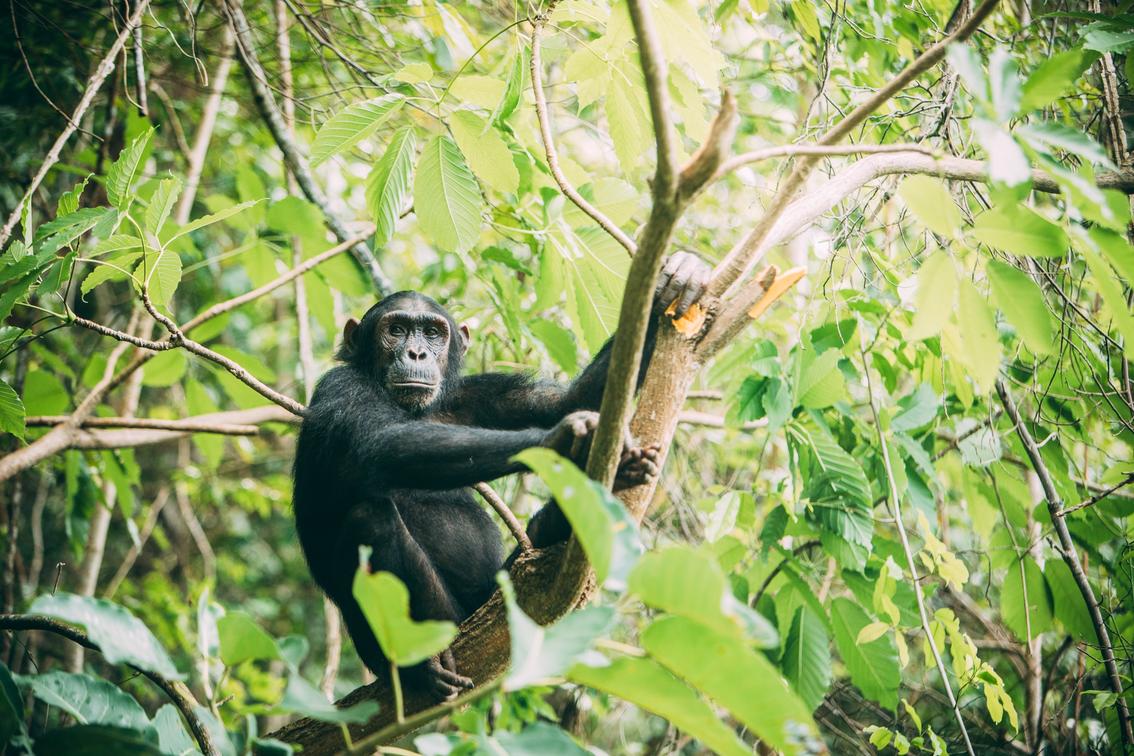
Adding Mahale: Chimpanzees on Lake Tanganyika
For travellers who would like to add a completely different dimension to the journey, Mahale Mountains National Park can be a remarkable extension.
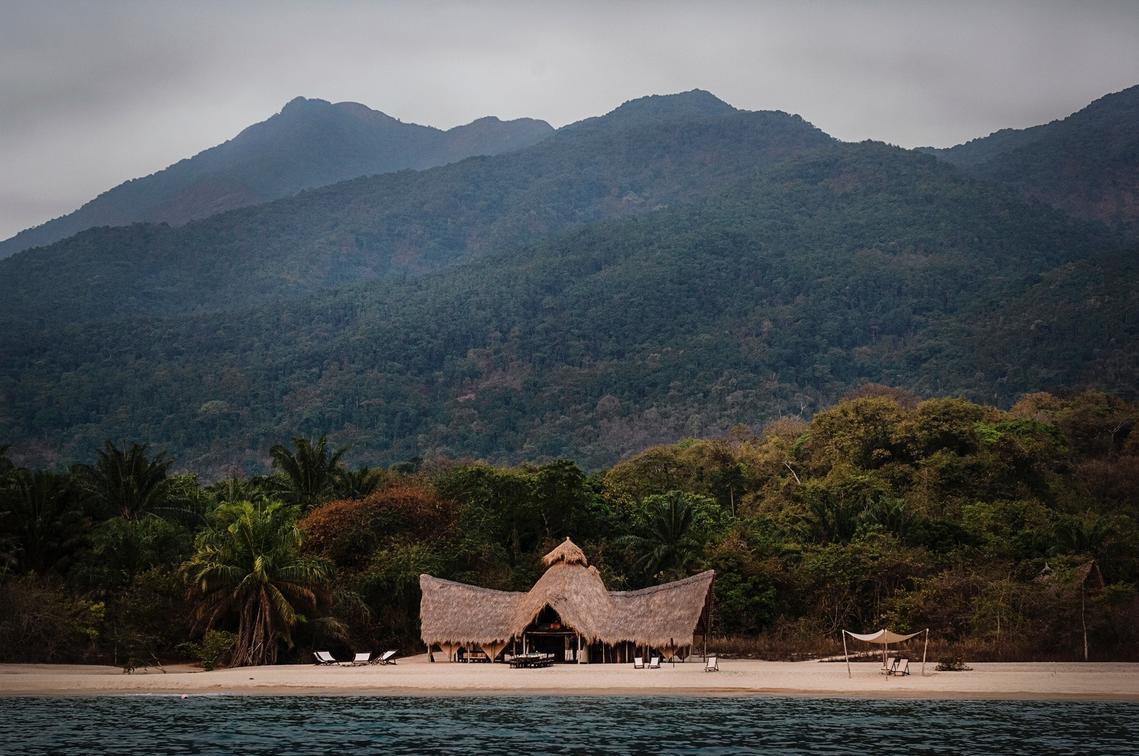
Mahale lies in western Tanzania on the shore of Lake Tanganyika, so it is not part of the Southern Circuit itself and needs to be routed with care. That extra planning is rewarded with a striking change of scene: forested mountains meeting clear lake water and quiet stretches of sandy shoreline.
Where You Will Stay
You will stay at Greystoke Mahale, an intimate lodge with eight open-fronted bandas set between the forest and the shores of Lake Tanganyika. It is a peaceful and beautifully placed base for exploring Mahale.
Chimpanzee trekking takes place on foot, with guides leading the way through the forest in search of habituated groups. Every day is different. The chimpanzees move according to food, weather and their own social rhythms, so an encounter can never be treated as a fixed appointment.
After time spent looking across open country from a safari vehicle, Mahale asks you to pay attention differently. You listen for movement in the canopy, watch the path ahead, and follow the pace of the forest. It is a beautiful contrast, and one that shows just how varied Tanzania can be.
Who Will Love a Southern Tanzania Safari?
Southern Tanzania is a natural fit for returning safari travellers, photographers who appreciate time at a sighting, and anyone who prefers a quieter style of travel.
It can also be an excellent first safari. You do not need to have visited the Serengeti before choosing the south; you simply need to be comfortable with a journey that is a little less conventional and sometimes more logistically involved.
Mahale adds another layer, but it should be included because chimpanzee trekking genuinely matters to you, not simply to add another name to the itinerary.
When to Travel to Southern Tanzania
The dry months, broadly from June to October, are often chosen for concentrated wildlife viewing and easier movement through many safari areas. The greener months bring fuller landscapes, rewarding birding and a softer quality of light, although rain can affect access, activities and seasonal camp operations.
There is no single “best” month for every traveller. The right timing depends on what you hope to see, how you like to travel and which areas are included.
Plan Your Journey to Tanzania
Southern Tanzania rewards thoughtful planning. The distances are considerable, flight schedules shape what is practical and each area deserves enough time to settle into. Trying to include too much can quickly turn an otherwise unhurried safari into a succession of transfers.
At BHS, our Tanzania destination planning begins with the pace and experiences that matter to you. From there, we work carefully through the camps and flights that will make the journey flow. The aim is to choose the right combination and give each destination enough time. Mahale is added only when it genuinely belongs in the journey.
Explore our safari experiences or contact us to begin planning a Tanzania safari that feels considered from the start.
FAQS
The Southern Tanzania safari circuit is the quieter counterpart to the country's better-known northern route. It brings together large protected landscapes, varied habitats and generally fewer vehicles. The exact itinerary depends on the season, flight access and the kind of safari you want.
Yes. Southern Tanzania can be an excellent first safari for travellers who value space, strong guiding and a less heavily travelled route. The journey can involve more remote logistics, so careful planning is important.
The northern circuit includes the Serengeti, Ngorongoro Crater and Tarangire and is often chosen for a first visit to Tanzania. The south offers a different rhythm, with expansive habitats, generally fewer safari vehicles and more time to let a sighting unfold. Neither is better; they suit different travellers.
Southern Tanzania supports a broad range of wildlife, including elephants, buffalo, big cats and plains game. Sightings vary by area and season and, as everywhere on safari, depend on the movement of wild animals.
Yes, with careful routing. Mahale Mountains National Park offers chimpanzee trekking on the shore of Lake Tanganyika in western Tanzania. It is not part of the Southern Circuit, but it can be added as a separate extension when flight schedules, season, and trip length allow.
June to October is generally popular for drier conditions and wildlife gathering around water. The greener months can offer rich landscapes, migratory birds, and fewer visitors, although rain may affect roads, activities, and camp operations. The best time depends on the areas and experiences included in your itinerary.