

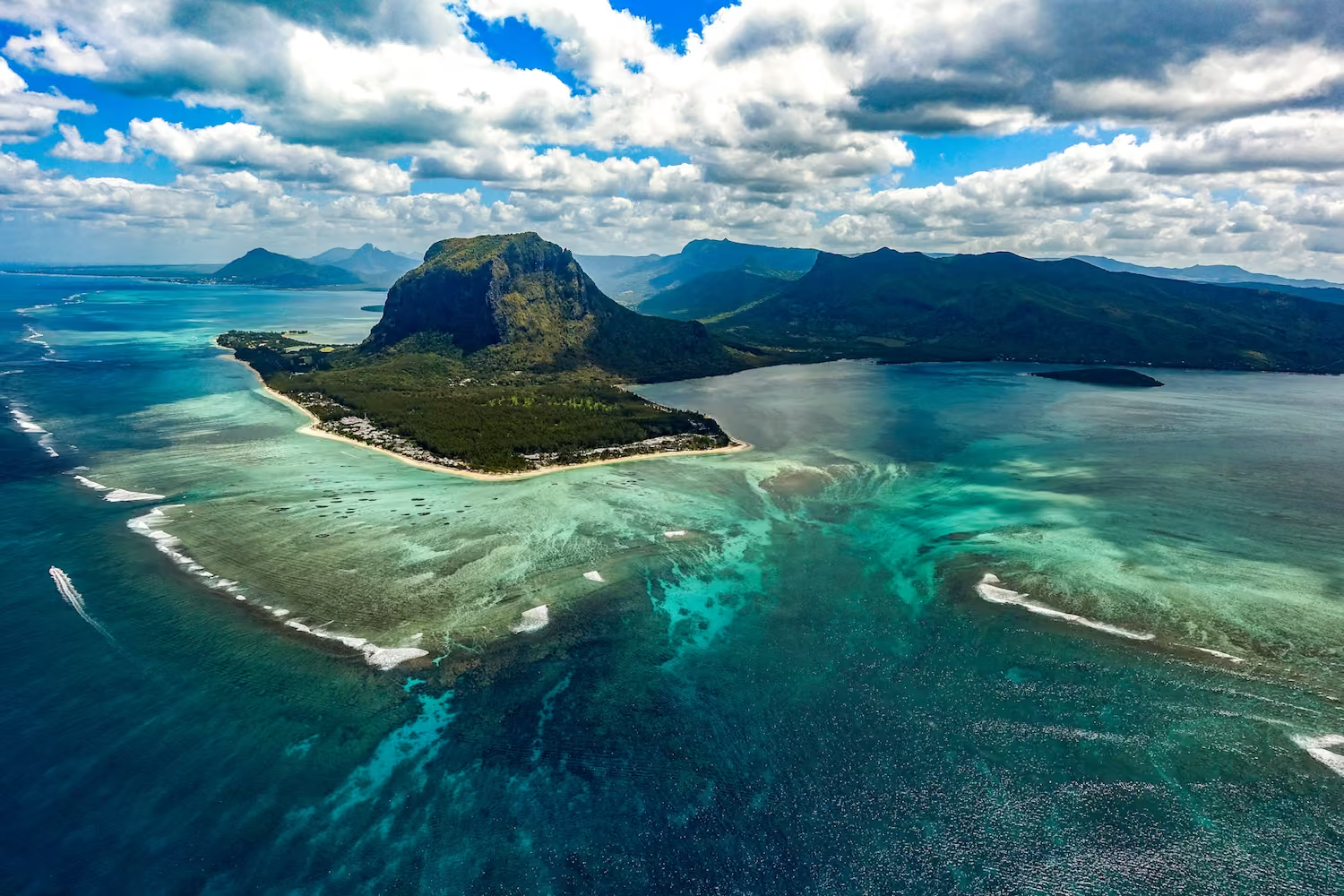
Mauritius makes an impression before you have even landed. From the air, the island appears in soft layers of colour: turquoise lagoon, white reef, deep Indian Ocean blue, and the vivid green of the interior rising towards the mountains.
What waits below is lush, warm-hearted, and quietly sophisticated. Mauritius has long understood the art of tropical ease, but its appeal goes well beyond beautiful beaches. This is an island of culture, food, reef, mountain, rum, and rhythm.
Paired with a southern or East African safari, Mauritius creates one of the most satisfying African journeys imaginable. Whether added after a South Africa safari or woven into a wider Kenya safari, the contrast is the pleasure: wilderness and wildlife first, then warm water, slow mornings and the deep exhale of island life.
Why Mauritius Works So Well After Safari
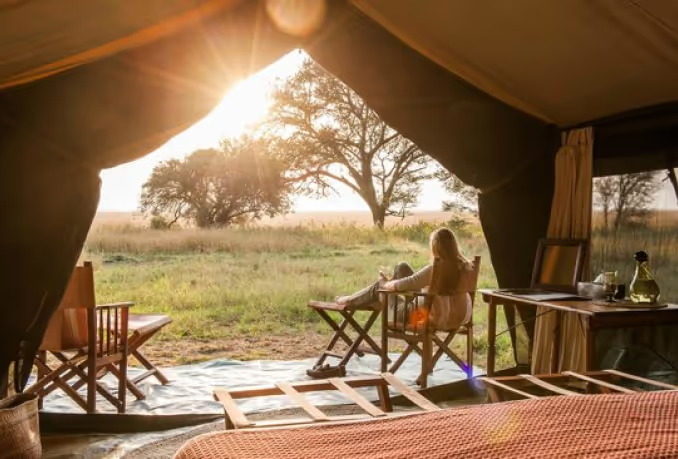
The beauty of a safari-and-island combination lies in the contrast between two very different kinds of richness. On safari, the days often begin before sunrise, with coffee in the half-light, dust on your boots, and the feeling that anything could appear around the next corner.
It is thrilling and deeply restorative in its own way, but it is not always restful. Mauritius gives the body somewhere soft to land.
After the bush comes warm water, long lunches, spa treatments, seafood, unhurried swims, and mornings that do not need to begin with an alarm. It should feel less like a separate holiday added onto the end and more like the natural final chapter of the journey.
“After a few days on safari, most guests are ready to slow right down. Mauritius gives them that beautiful soft landing: warm water, good food, quiet mornings, and time to let the whole journey sink in. You arrive full of dust and wonder, and leave rested, glowing, and not quite ready to go home.” - Jo Cooper, BHS Guide
Mauritius also works well from a practical point of view. It connects with key safari gateways such as Johannesburg and other regional hubs, making it a relatively simple extension to build into a wider itinerary.
As always, visa and entry requirements should be checked according to nationality and travel dates before the journey is finalised.
The Island: What to Expect
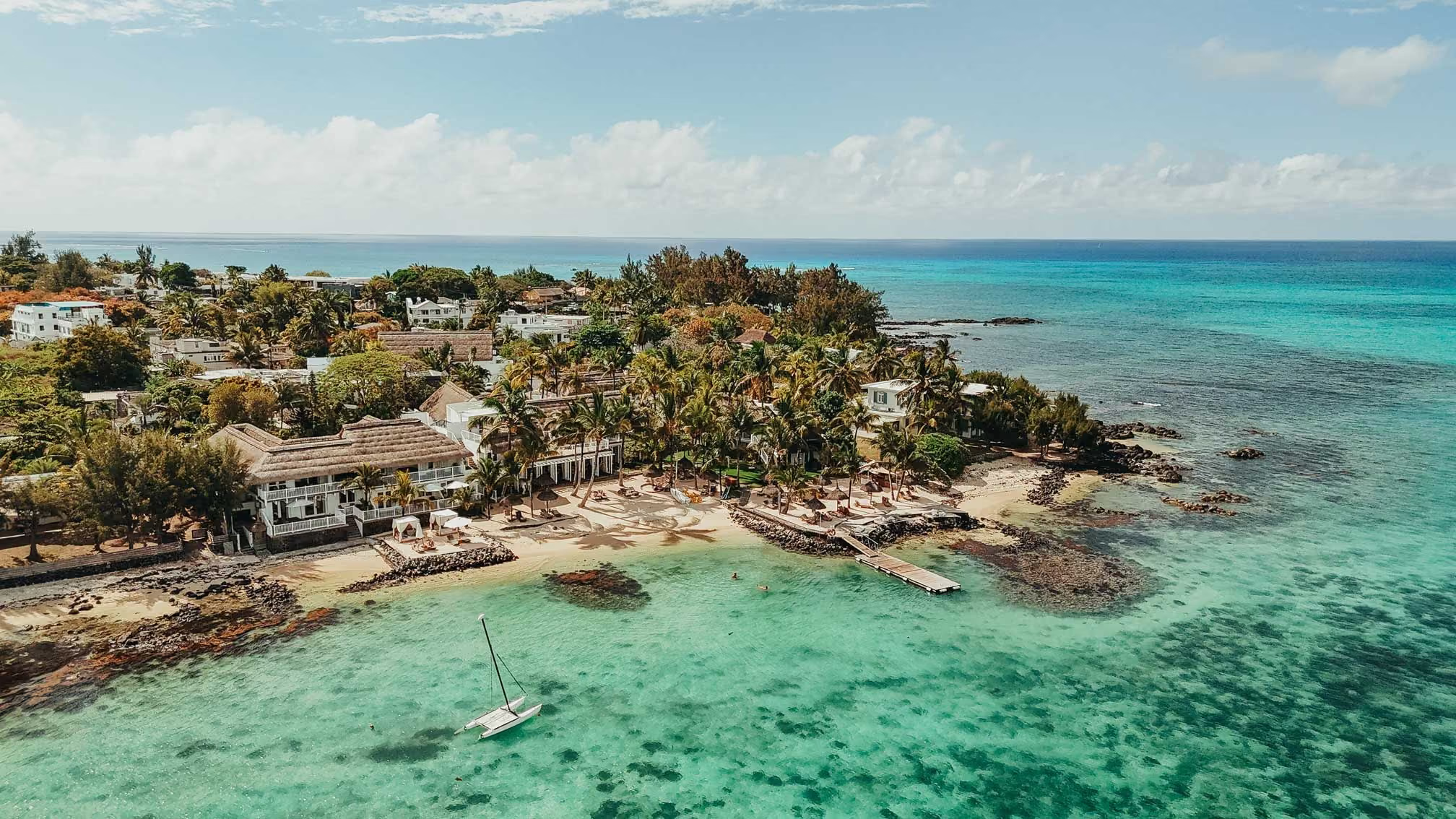
Mauritius may be small, but each coast has its own distinct character and personality, and where you stay will shape the rhythm of your trip.
The north and west coasts are known for calm lagoons, easy swimming, and a classic Indian Ocean feel. Around Grand Baie, Trou aux Biches and Flic en Flac, the water is often gentle and inviting, with good access to hotels, restaurants and excursions.
The east coast has a quieter, more refined atmosphere, with long beaches, polished resorts and a softer pace. It is a lovely choice for travellers who want space, privacy and a sense of retreat.
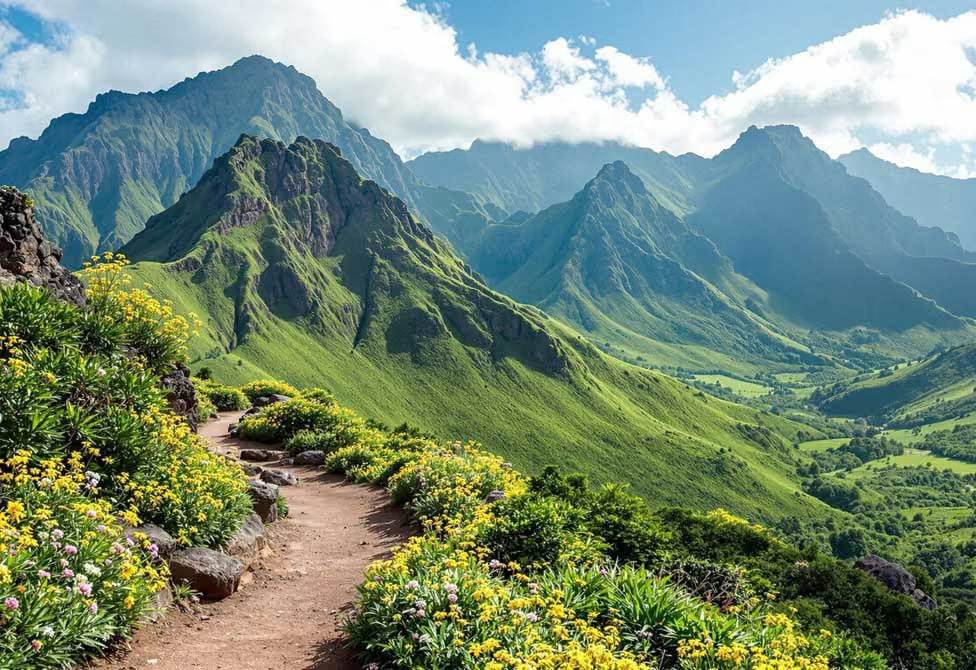
The south and south-west feel more dramatic, with mountain backdrops, reef, wind and the unmistakable silhouette of Le Morne Brabant rising from the coastline. For many travellers, this is one of the most beautiful settings in the Indian Ocean.
Beaches, Reef, and Marine Life
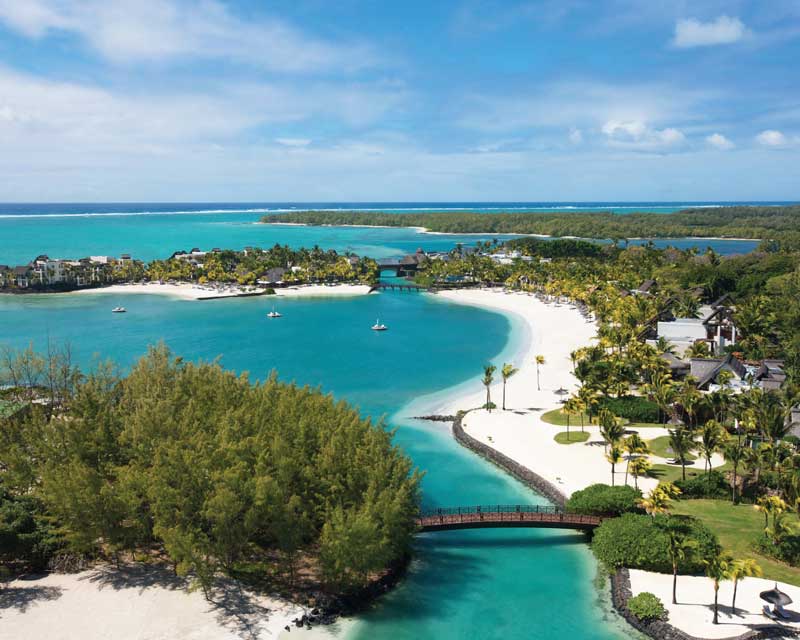
Mauritius is protected in many places by a surrounding reef, which helps create the luminous lagoons that make the island so visually striking. It is a destination made for swimming, snorkelling, paddle-boarding, diving, boat trips and long, unhurried days beside the water.
Depending on the area and season, marine experiences may include reef fish, turtles, dolphins, and coral gardens. Dolphin excursions around the Tamarin Bay area are especially popular, though we always recommend choosing operators who follow responsible wildlife-viewing practices.
For some travellers, the best Mauritius days are active: snorkelling in the morning, lunch by the beach, perhaps a rum tasting or nature excursion in the afternoon. For others, the point is to do very little at all. Both versions are completely valid.
Culture, Cuisine, and Island Character
Mauritius is often spoken about as a beach destination, but its culture is one of the island’s great pleasures. Indian, Creole, French, and Chinese influences have shaped its food, language, architecture, and daily life, giving Mauritius a layered identity that becomes more rewarding the longer you spend there.
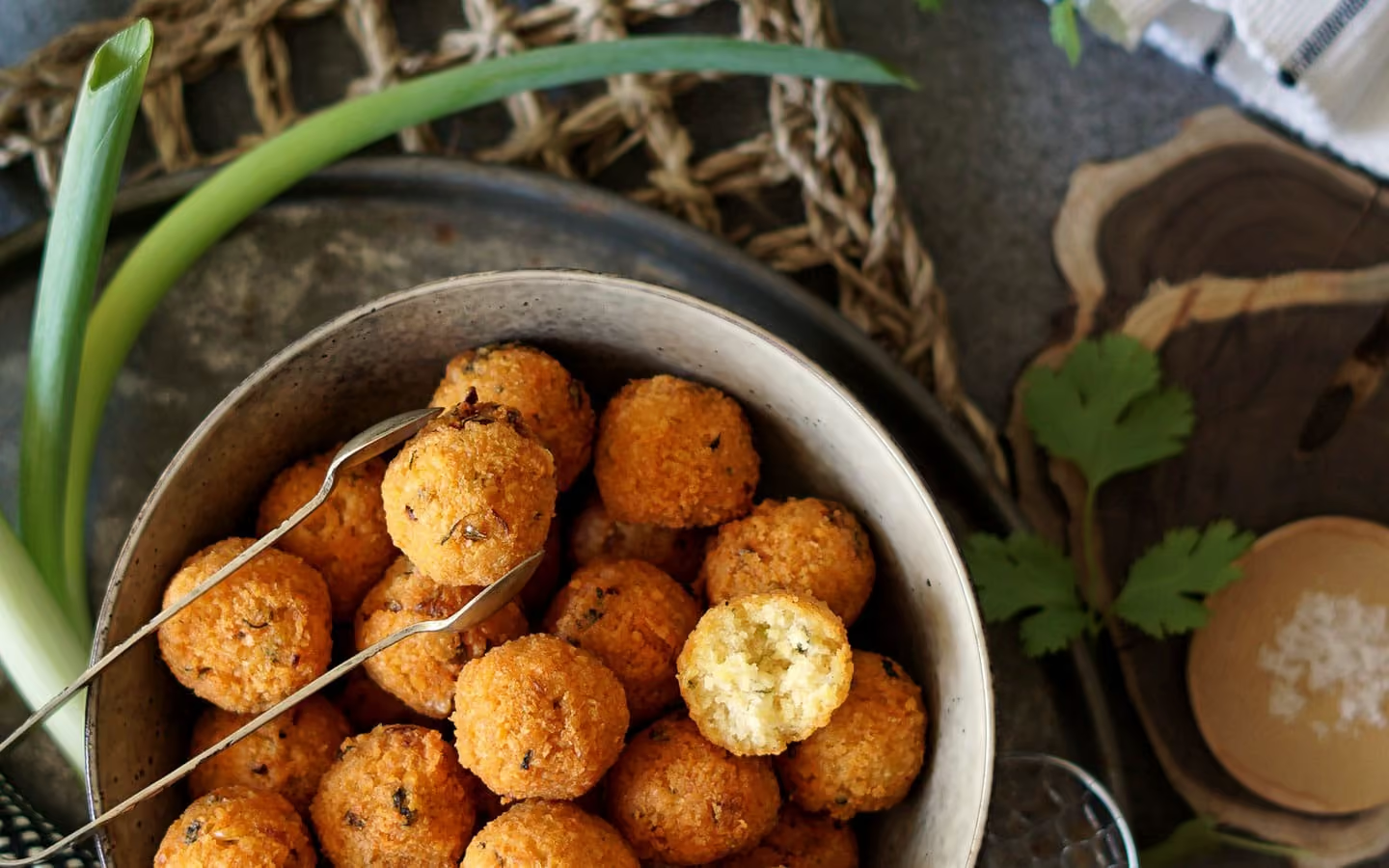
You feel this in the markets, temples, village streets and, most deliciously, on the plate. Street food is a highlight, from dholl puri and gateaux piment to fresh seafood, chilli, pickles, curries and bright, generous flavours.
At the island’s best hotels, the restaurant scene is polished and inventive, while local rum adds another enjoyable thread to the experience. The beaches may be the first reason travellers think of Mauritius, but the island becomes far more interesting when you let it be itself.
Where to Stay in Mauritius
Mauritius has one of the strongest hotel scenes in the Indian Ocean, ranging from polished five-star resorts to smaller, characterful properties. For BHS travellers, the right choice depends less on star rating and more on the feeling they want from the island portion of their journey.
Some guests want a lively north-coast base with restaurants and boating nearby. Others prefer a quiet East Coast retreat, a sunset-facing West Coast stay, or something intimate and slightly tucked away.
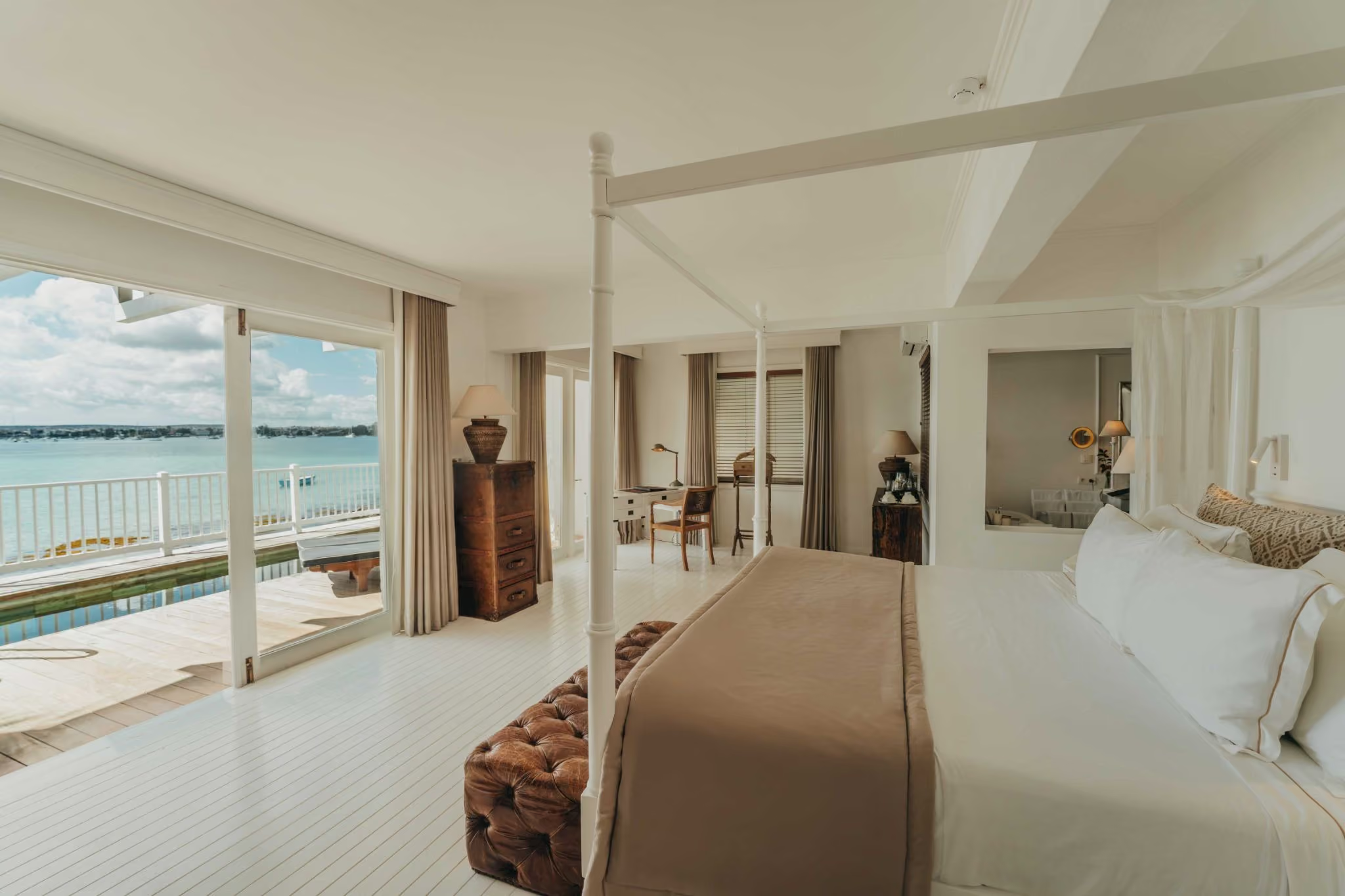
For BHS guests, Maison 20 Degres Sud is a natural fit. Set near Grand Baie and part of the Relais & Chateaux collection, it offers a boutique, intimate alternative to the island’s larger resort hotels, with the kind of charm and personal atmosphere that suits travellers who prefer understated luxury over scale.
It works particularly well after safari: refined but relaxed, close to the water and small enough to feel personal. For honeymooners, couples, or guests who want Mauritius without the atmosphere of a large resort, Maison 20 Degres Sud is a lovely place to stay.
How Long to Spend in Mauritius After Safari
For most travellers, three to five nights in Mauritius is the sweet spot. Three nights give you enough time to arrive, rest, swim and reset, while four or five nights allow for a gentler pace.
With a little more time, you might add a boat day, spa treatment, market visit, rum tasting, or some gentle exploring beyond the hotel. For honeymooners, or for travellers planning a honeymoon safari, a week can be wonderful.
As a safari extension, though, the aim is not to overfill the days. The magic lies in the contrast: the wildness of safari followed by the softness of the island.
Planning Your Mauritius Journey
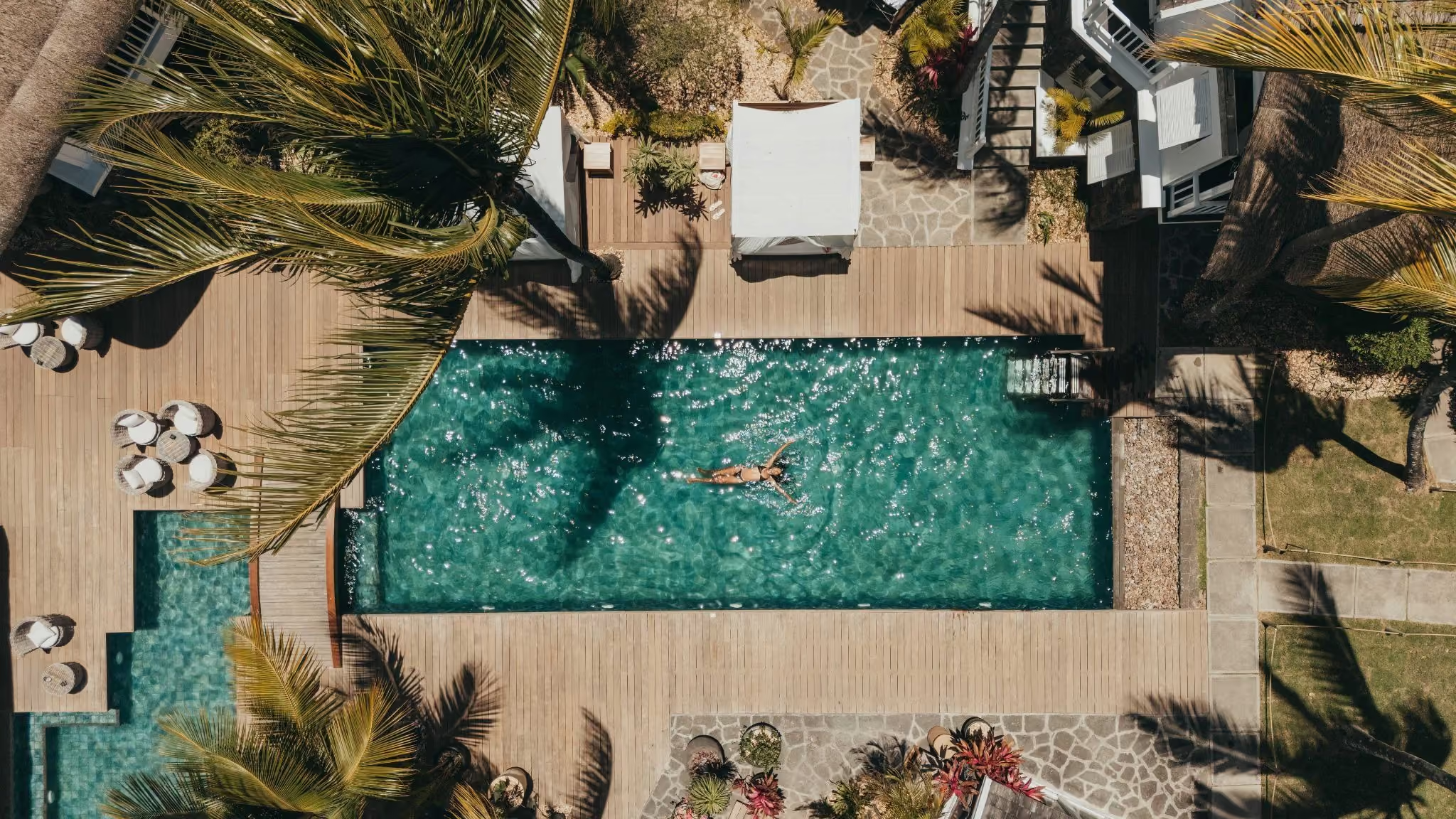
After the excitement of safari, Mauritius offers the perfect place to slow down, recharge, and reflect on everything you have experienced. Whether you are ending a journey through South Africa, Kenya, or after witnessing The Great Migration, a few days on the island bring a wonderfully relaxed finish to your time in Africa.
If Mauritius feels like the perfect way to complete your safari, get in touch with the BHS team, and we will help you plan the journey.
FAQS
Yes. Mauritius is one of the best Indian Ocean islands to pair with an African safari. You get warm water, beautiful beaches, excellent hotels, regional flight connections, and a gentle change of pace after the early mornings and intensity of the bush.
Most guests spend three to five nights in Mauritius after safari. Three nights gives you time to rest, swim, and reset, while four or five nights allows for a softer pace with space for snorkelling, a boat day, a spa treatment, or a little island exploring
The best coast in Mauritius depends on the kind of island experience you want. The north is lively and convenient, the east feels quieter and more refined, the west is known for sunsets, and the south-west around Le Morne has some of the island’s most dramatic scenery.
Yes. Mauritius is an excellent honeymoon extension after a safari, especially if you want wildlife first and then privacy, warm water, soft beaches, good food, and time to slow down together. It pairs beautifully with South Africa, Kenya, Tanzania or a wider East Africa journey.
In Mauritius, you can snorkel, dive, paddle-board, take boat trips, explore local markets, try rum tasting, enjoy spa treatments and discover the island’s food culture. The island combines beach ease with reef, mountain, culture and cuisine.
Yes. BHS can arrange Mauritius as part of a wider safari journey, including routing, hotel choice, length of stay and the right island experience for your travel style. It works especially well after South Africa, Kenya, Tanzania or a Great Migration safari.