

Words by Nicky Souness | BHS Safari Journal
There are still places in Africa that feel wonderfully untouched by time. Kidepo Valley National Park is one of them, and increasingly, it feels like one of the last.
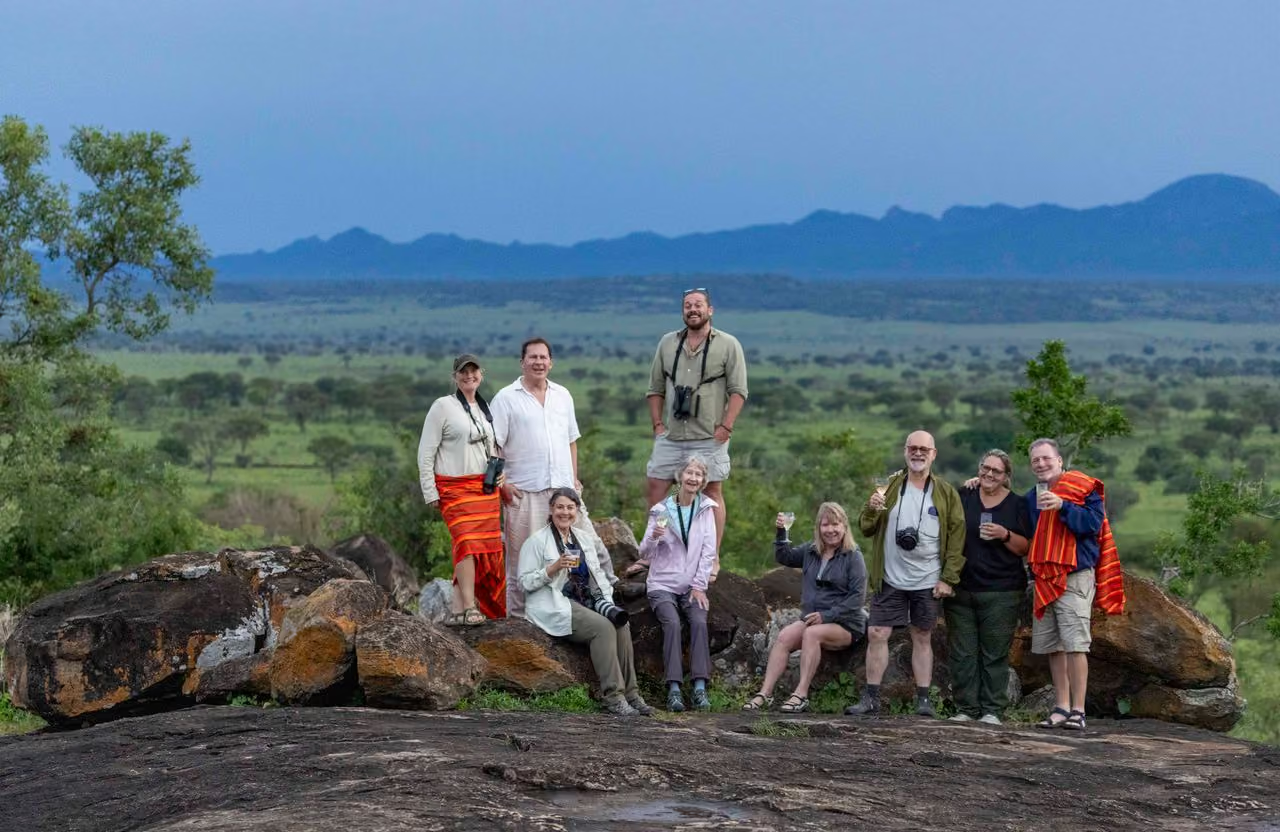
Tucked into the far north-eastern corner of Uganda, wedged between the borders of South Sudan and Kenya, Kidepo demands effort to reach. That effort is the point. Travelling here with a small group of seven guests alongside fellow guide Jo, what struck me most wasn't any single sighting. It was the feeling of being somewhere genuinely, completely wild, a place where the wilderness still belongs entirely to itself.
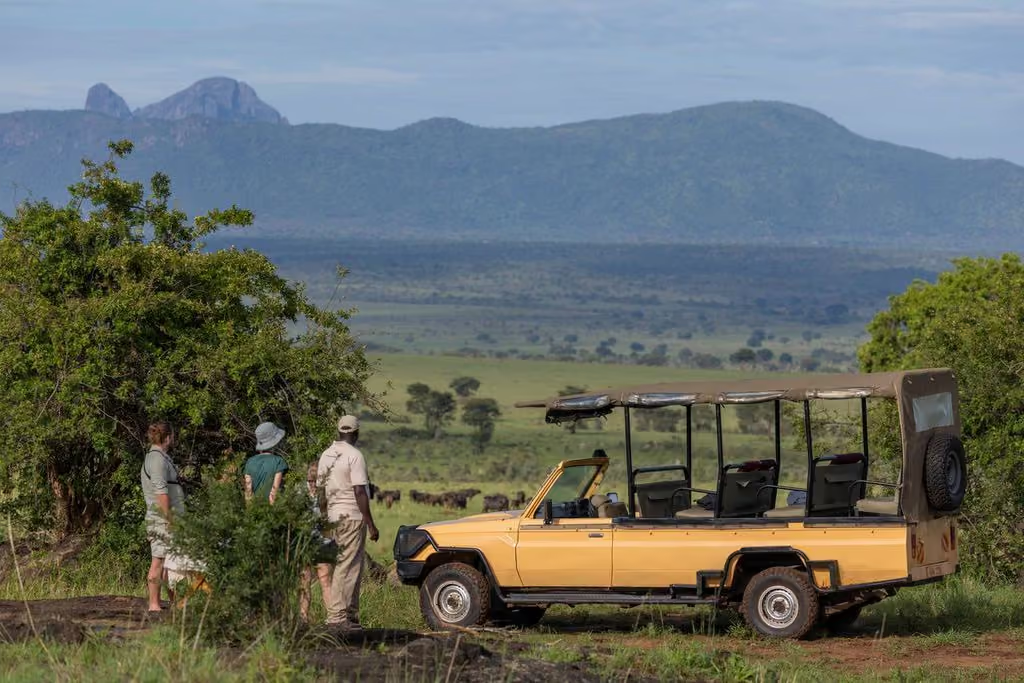
Sweeping valleys. Rocky kopjes rising from the plains. Dramatic mountain backdrops. Endless, uninterrupted sky. This is the Africa that existed long before the safari industry, and Kidepo wears that identity with quiet, unhurried confidence.
"Some places impress you. Kidepo stays with you."
Wildlife in Kidepo Valley National Park
In the early mornings, we would hear lions roaring somewhere out in the valleys, their calls rolling across the stillness before the light had properly broken. Buffalo gathered across the plains in numbers that made the horizon seem to move. Giraffe drifted through landscapes that felt almost too cinematic to be real.
But what makes Kidepo's wildlife offering genuinely distinct, even among Uganda's celebrated parks, is the species you simply cannot find anywhere else in the country.
Species Found Only in Kidepo
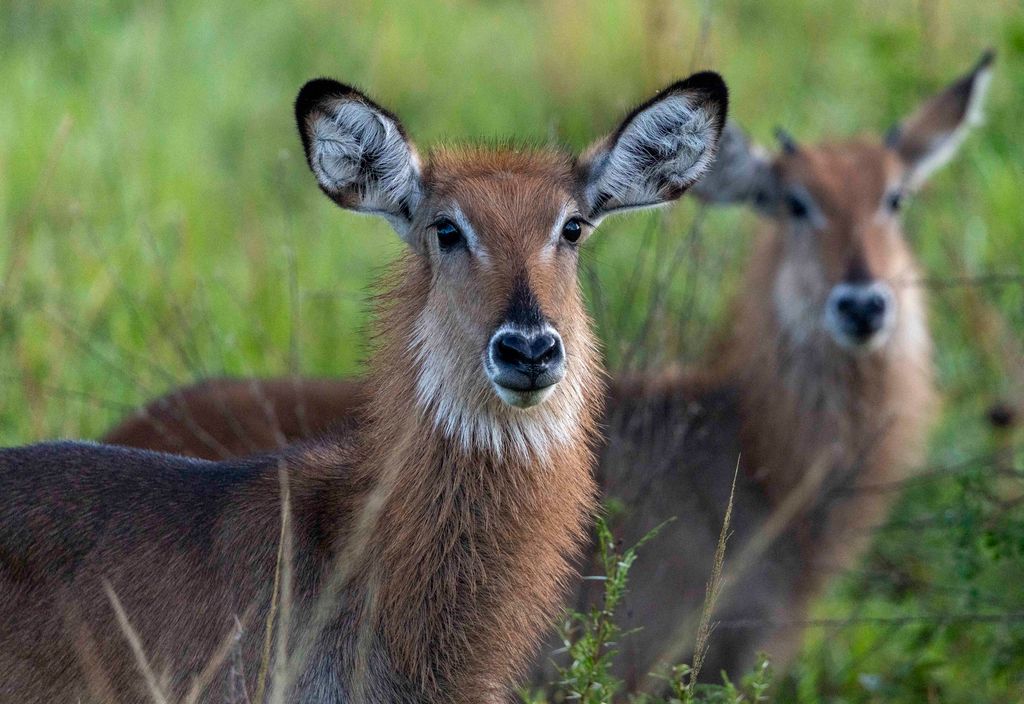
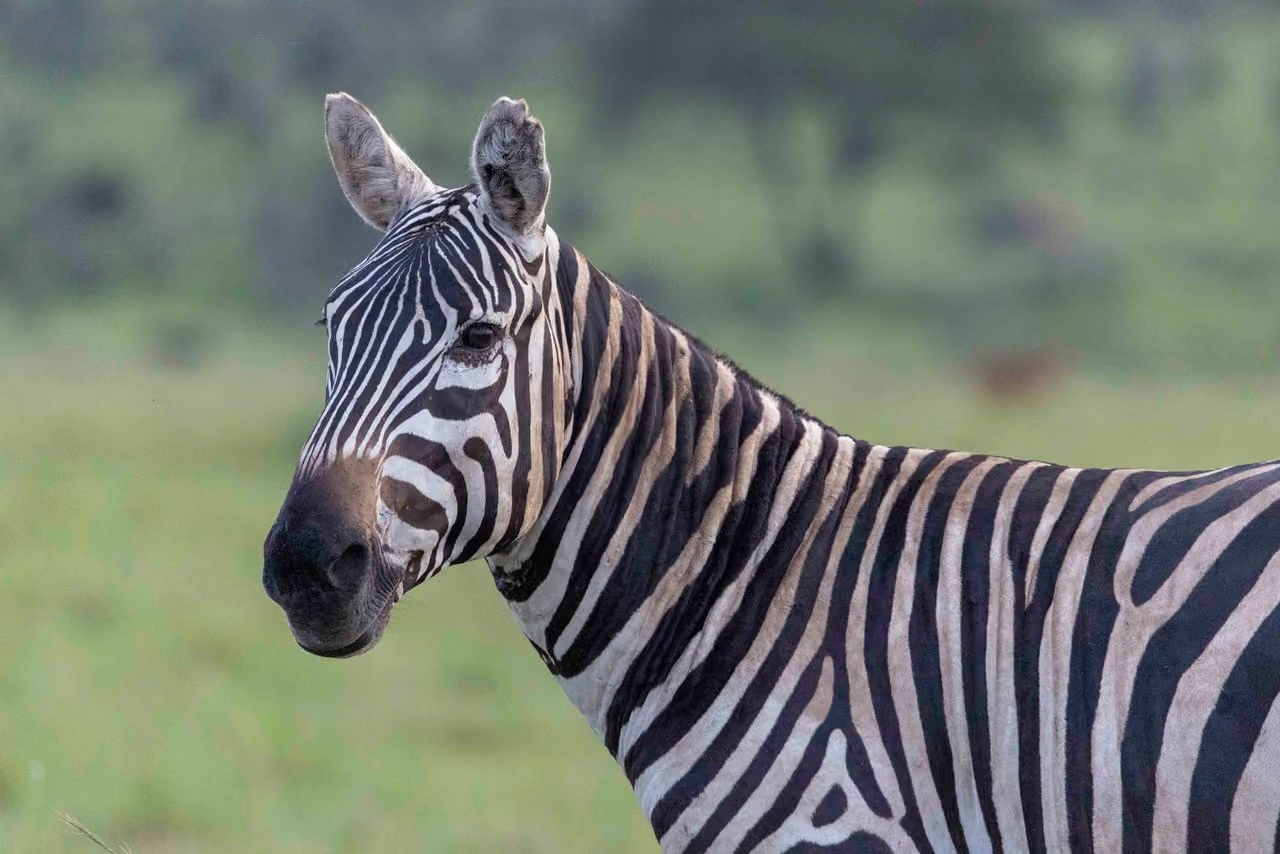
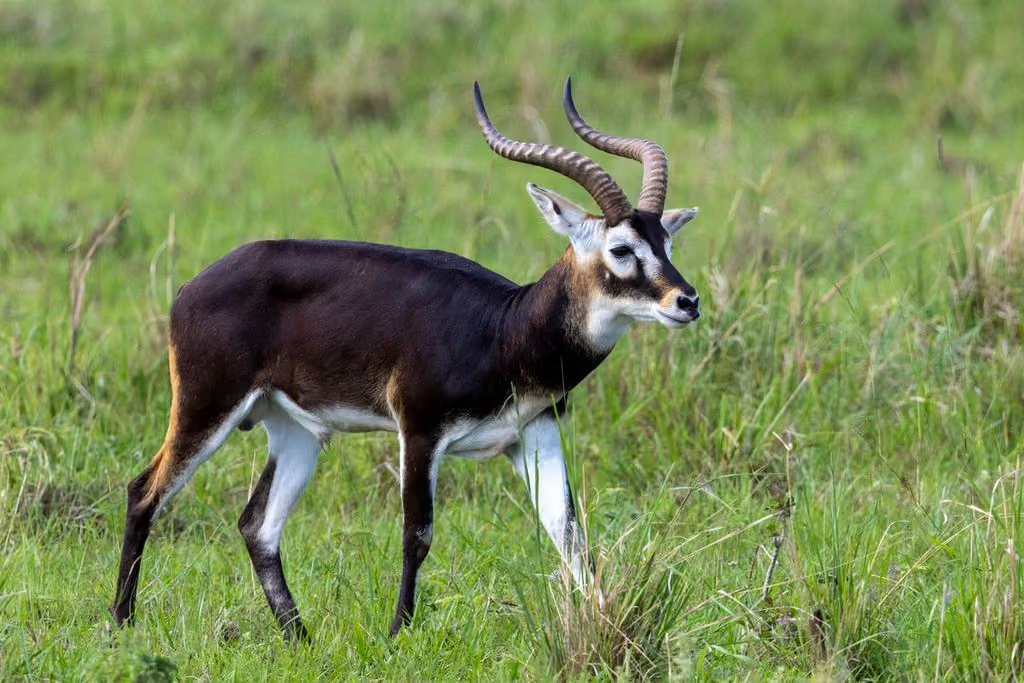
Kidepo is the only national park in Uganda where giraffe and zebra occur together, and not just any zebra. The striking maneless zebra, a northern form of plains zebra found in South Sudan, northern Kenya, and nowhere else in Uganda. Its presence reflects Kidepo's unique position at the crossroads of East Africa's dry savannas. There's also the Uganda kob, the white-eared kob (famous for participating in one of the world's largest mammal migrations across South Sudan), the bat-eared fox, the caracal, ostrich (found nowhere else in Uganda), and the Guenther's dik-dik, a species that speaks to this park's connection to a drier, more northern Africa.
Buffalo herds here are thought to number among the largest on the continent; some sources cite single aggregations of over 4,000 animals. On the right morning in the Narus Valley, that claim feels entirely believable.
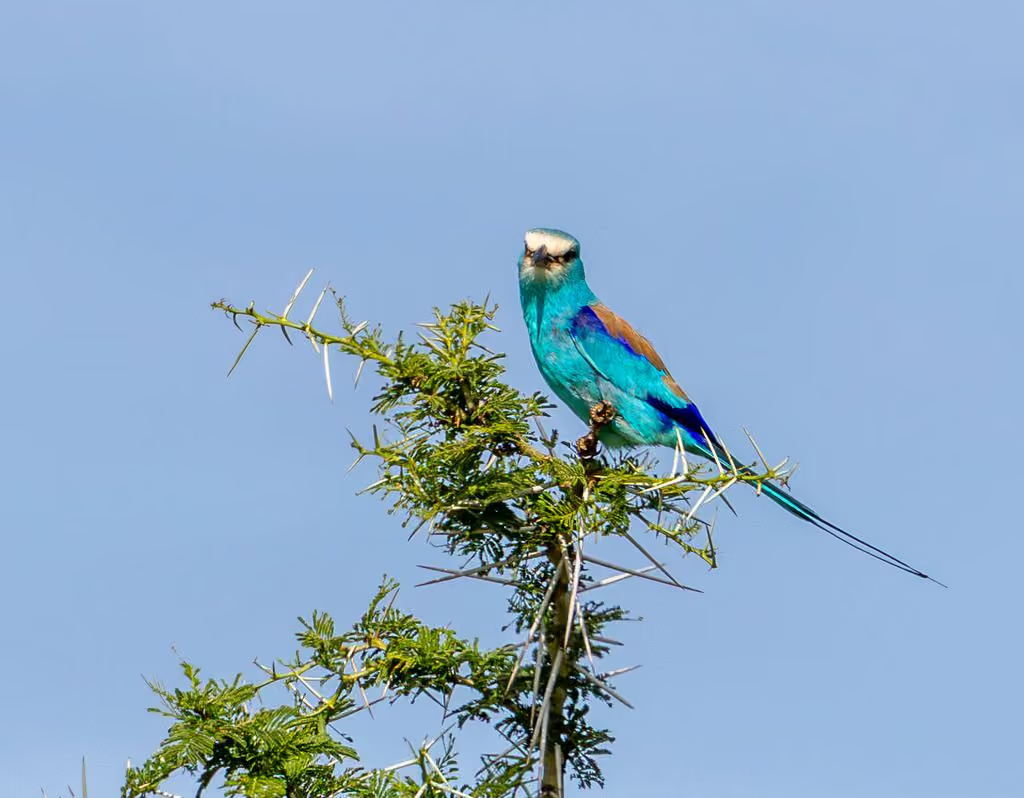
For birders, the numbers are extraordinary: over 475 species recorded, including endemics such as the Karamoja Apalis and the Black-breasted Barbet, found nowhere else in Uganda. The park's semi-arid character also draws raptors, Verreaux's Eagle, the Pygmy Falcon, Egyptian Vulture, which are absent from Uganda's other reserves.
Quick wildlife facts:
- 77+ mammal species recorded
- 475+ bird species, including several Uganda endemics
- Only park in Uganda with giraffe AND zebra
- Only park in Uganda where ostrich can be seen
- Home to rhino, leopard, caracal, bat-eared fox, and maneless zebra
Photography in Kidepo: Scale, Light, and Drama
Photographically, this park is extraordinary, and I say that having guided in some of Africa's most celebrated reserves.
Every sighting comes with an epic backdrop. The scale of the reserve means that wildlife and landscape constantly work together in ways that feel almost composed. Elephants crossing open grasslands beneath distant mountains. Towering clouds building over emerald valleys. The quality of light in the late afternoon, that particular golden quality you only find in East Africa at altitude, turning the kopjes a shade of amber that no filter could replicate.
No vehicles are crowding the sighting. No radio chatter about where the lions are. Just the land, the animals, and the light.
Conservation, Community, and the Karamoja Region
Kidepo's conservation story is still being written. In a significant step forward, rhino have recently returned to the park and are currently being held within a secure, closely monitored sanctuary area as they adapt to their new home. There are also plans to strengthen the lion population through future introductions, helping to restore the park's ecological balance. Together, these efforts offer hope that Kidepo may become one of Africa's great conservation success stories
Tourism here remains genuinely low-impact. Visitor numbers are a fraction of what you'd find in Murchison Falls or Queen Elizabeth, and the infrastructure reflects that intentionality. The Karamojong people, semi-nomadic pastoralists closely related to Kenya's Maasai, maintain a deeply rooted relationship with this land. Conservation, guiding, and employment are beginning to create real, tangible value for communities in one of Uganda's most remote regions.
"Not because it is polished or easy, but because it still feels genuinely wild."
Where to Stay: Apoka Safari Lodge
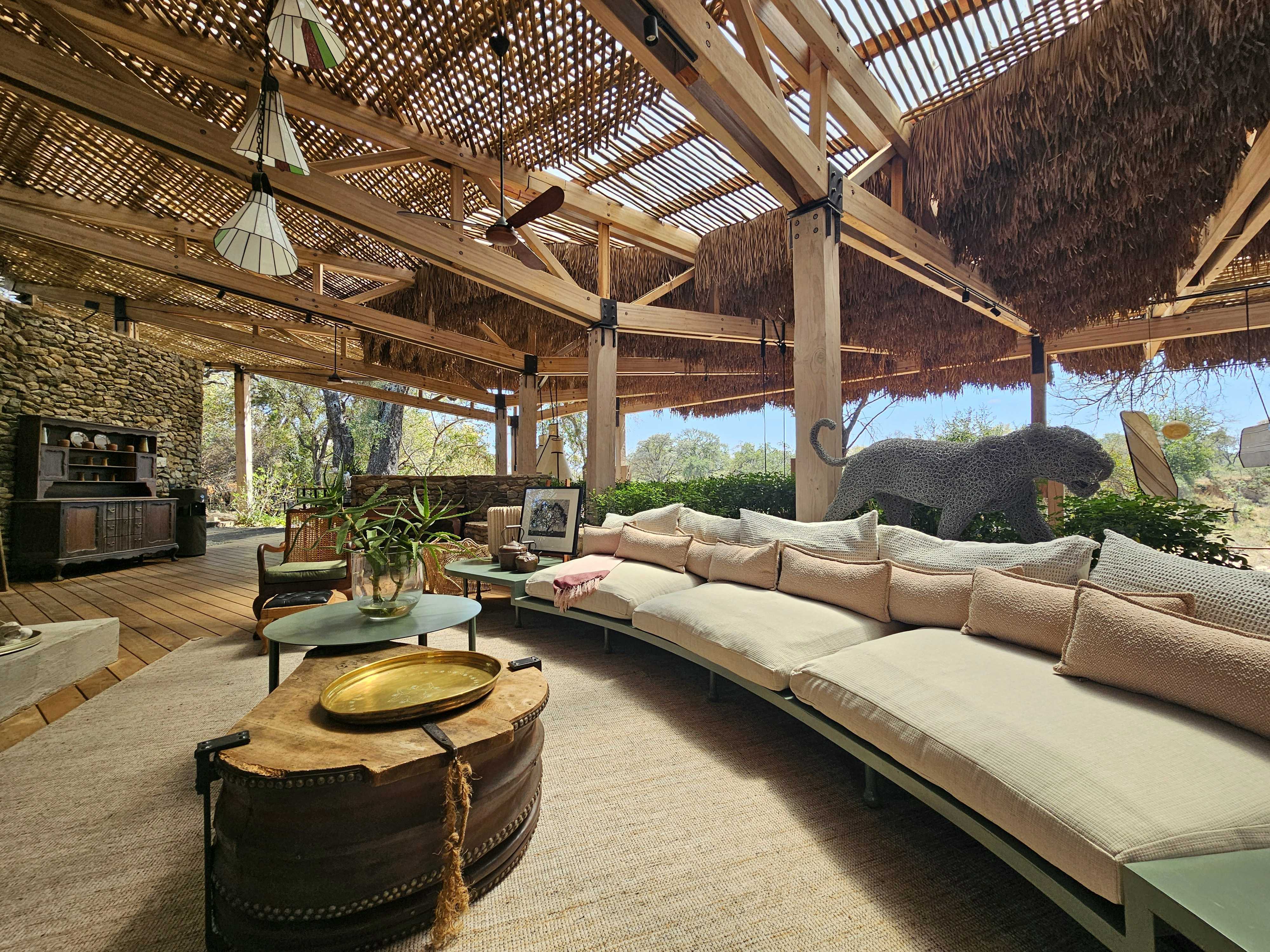
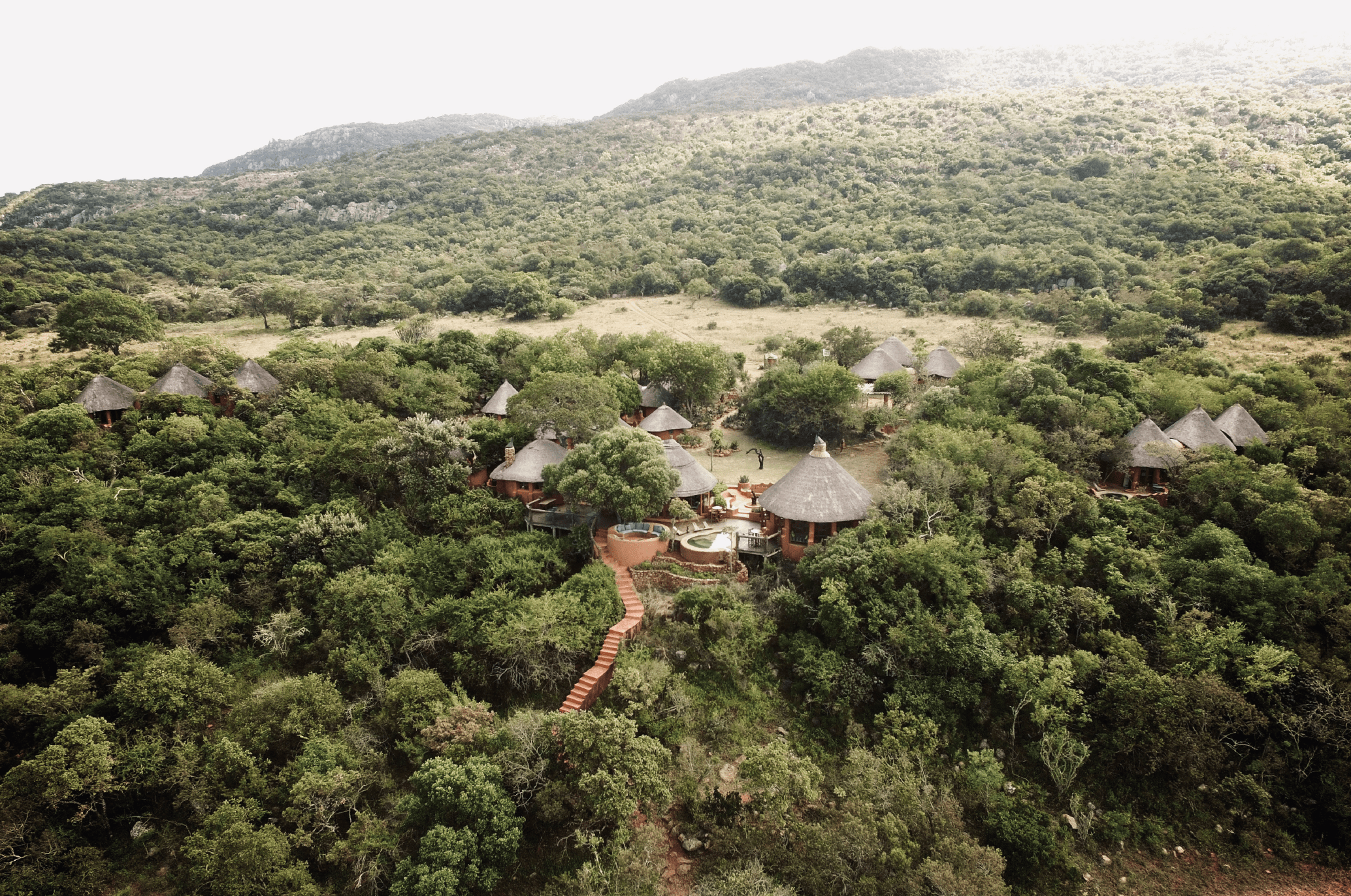
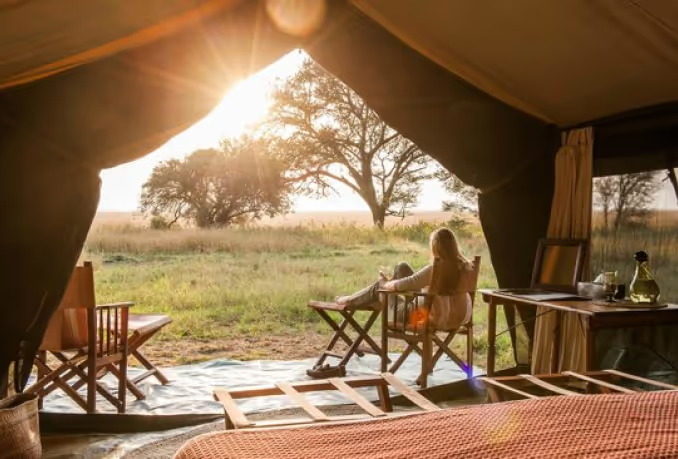
Accommodation in Kidepo is intentionally limited, and that's part of the appeal. Staying at Apoka Safari Lodge deepens the connection to this place rather than insulating you from it. The lodge feels woven into the landscape rather than imposed upon it, with sweeping views across the Narus Valley and the kind of stillness at night that most safari lodges can only promise.
The lodge is part of the Wild Places Uganda portfolio, which also manages Clouds Mountain Gorilla Lodge and Semliki Safari Lodge, operators with a genuine conservation ethic and a clear understanding of what makes Uganda's wilderness special.
BHS note: We recommend a minimum of three nights at Kidepo. Two days barely scratches the surface.

How to Get to Kidepo Valley National Park
Getting to Kidepo is part of the experience, and it is not a place that rewards impatience. Plan for it, and the journey becomes part of the story.
By Air (Recommended)
Flying is by far the most practical option for most guests, and the one BHS recommends for any itinerary where time is a priority. AeroLink Uganda operates scheduled domestic flights from Entebbe International Airport to Apoka Airstrip inside the park on Wednesdays, Fridays, and Sundays. Departure from Entebbe is at 12:30pm, with arrival at Kidepo at approximately 2:45pm. The return flight departs Kidepo at 3:00pm.
The flight takes around two hours and lands directly within the park, making it an unusually seamless arrival by African bush standards. Charter flights can also be arranged from Entebbe, Kajjansi airstrip in Kampala, or directly from other Ugandan parks, including Murchison Falls (Pakuba or Bugungu airstrips).
Scheduled AeroLink flights require a minimum of four passengers. BHS handles all flight bookings as part of your Uganda safari package.
By Road (For the Adventurous)
The overland route from Kampala covers approximately 700km and typically takes 10–12 hours on a single stretch, making it a serious undertaking that we generally recommend splitting across two days. The most direct route runs via Karuma, Gulu, and Kitgum to Lokumoit Gate. An overnight stop at Ziwa Rhino Sanctuary adds conservation value and takes the edge off the journey.
An alternative route through the Karamoja region via Lira and Moroto is longer but offers a compelling window into Uganda's remote north, open skies, semi-arid savannah, and the distinctive red-robed figures of Karamojong herders. For travellers who want to understand the full character of northern Uganda, this route earns its mileage.
All road travel to Kidepo requires a capable 4WD vehicle. BHS arranges all ground logistics.

Best Time to Visit Kidepo Valley National Park
Kidepo's semi-arid climate means it can be visited year-round, but the dry season, running from June to September and December to February, offers the most reliable wildlife viewing. As water sources diminish, animals concentrate around the remaining pools and the permanent waterholes near Apoka, making sightings more predictable and more dramatic.
The wet season (March to May, October to November) transforms the landscape, lush, green, and alive with migrant birdlife. Some tracks become challenging after heavy rain, but for serious birders, the rewards are significant.
Season summary:
- Jun–Sep & Dec–Feb: Dry season. Best for wildlife concentration and photography.
- Mar–May & Oct–Nov: Wet season. Best for birding; the landscape at its greenest.
- Year-round: Accessible, with BHS-arranged guiding and logistics.
Frequently Asked Questions: Kidepo Valley National Park
Is Kidepo Valley National Park worth visiting?
For travellers who value wilderness over crowds, Kidepo is not just worth visiting, it may be the single most compelling safari destination in Uganda. With very few vehicles, no mass-market tourism infrastructure, and wildlife that includes species found nowhere else in Uganda, it delivers the kind of safari that is becoming increasingly rare across East Africa.
How remote is Kidepo National Park?
Kidepo is Uganda's most isolated national park, sitting approximately 700km from Kampala by road. It shares borders with both South Sudan and Kenya. This remoteness is precisely what preserves its wild character, visitor numbers remain low, the landscape is largely unmodified, and the sense of genuine frontier exploration is unmatched.
Can you see lions in Kidepo Valley National Park?
Lions here roam large territories across the Narus and Kidepo Valleys, and some lucky early morning game drives produce sightings
How many days do you need in Kidepo?
We recommend a minimum of three nights. Two days gives you a feel for the park; three nights allows for the kind of slow, immersive safari experience that makes Kidepo memorable. Combining morning and evening game drives with a community visit to a Karamojong village and, for the willing, a hike toward Mount Morungole creates a rounded and deeply rewarding programme.
What makes Kidepo different from other Uganda safari parks?
Kidepo stands apart in almost every respect. It is the only Ugandan park with both giraffe and zebra. It is the only park where you can see ostrich in Uganda. Its predator diversity includes cheetah, leopard, lion, caracal, and spotted hyena. It holds semi-endemic species found nowhere else in Uganda. And it does all of this against a backdrop of dramatic mountain scenery with virtually no other visitors. For seasoned safari travellers, it often becomes the experience that resets the benchmark.
Combining Kidepo with a Wider Uganda Safari
Kidepo works beautifully as the centrepiece of a broader Uganda journey. At BHS, we regularly combine it with:
- Bwindi Impenetrable Forest - for mountain gorilla trekking
- Murchison Falls - for the Nile, boat safaris, and large predator sightings
- Queen Elizabeth National Park - for tree-climbing lions in Ishasha and Kazinga Channel wildlife
- Kibale National Park - for chimpanzee trekking
- Ziwa Rhino Sanctuary - for on-foot white rhino encounters (an ideal road break en route)
Uganda rewards those who go beyond the obvious. Kidepo is where the itinerary stops being a list of places and starts becoming something else entirely, a journey into one of Africa's last genuinely wild frontiers.
Plan Your Kidepo Safari with BHS
Kidepo is not for everyone, and that is its greatest strength. For travellers who value solitude over spectacle, depth over density, and the feeling of being somewhere that hasn't yet been smoothed down for mass consumption, it is one of the most rewarding safari destinations on the African continent.
At BHS, we craft tailor-made Uganda safaris that combine Kidepo with destinations across Uganda and East Africa, managing every detail from flights and logistics to guiding and accommodation. We know the right camps, the right routes, and the right time of year.
Get in touch to start planning your Uganda safari. We'd love to take you somewhere extraordinary.
hello@bhs-safari.co | +27 63 298 6442 | bhs-safari.co
FAQS
Yes. Kidepo Valley National Park is one of Africa's last truly wild safari destinations, offering vast landscapes, very few visitors and an exceptional sense of remoteness. If you value solitude, dramatic scenery and authentic wilderness, Kidepo is one of Uganda's most rewarding safari experiences.
Kidepo Valley National Park is the only park in Uganda where you can see both giraffe and zebra together, as well as ostrich and several species found nowhere else in the country. Its remote location, mountain scenery and low visitor numbers create a safari experience unlike anywhere else in Uganda.
The easiest way to reach Kidepo Valley National Park is by scheduled domestic flight from Entebbe to Apoka Airstrip, with charter flights also available. It can also be reached by road, although the drive is long and is best split over two days as part of a broader Uganda itinerary.
The best time to visit Kidepo Valley National Park is during the dry seasons, from June to September and December to February, when wildlife is easier to find around permanent water sources. The green season is ideal for birding, photography, and lush landscapes.
We recommend spending at least three nights in Kidepo. This gives you enough time to enjoy multiple game drives, experience the park's changing landscapes and wildlife, and include activities such as a Karamojong community visit or a guided hike.
Yes. Kidepo Valley National Park combines beautifully with Bwindi Impenetrable Forest, Murchison Falls National Park, Queen Elizabeth National Park and Kibale National Park. Creating a diverse Uganda safari that includes gorilla trekking, chimpanzees, the Nile, and classic savannah wildlife.